
FT Undercover: Hotworx, YogaSix, Barre3 in Twin Cities
FT Undercover tests Hotworx, YogaSix and Barre3 in the Twin Cities, highlighting heat, coaching, pricing, and the FTC action involving Xponential Fitness.
franchising
Jun 4, 2026
FT Undercover tests Hotworx, YogaSix and Barre3 in the Twin Cities, highlighting heat, coaching, pricing, and the FTC action involving Xponential Fitness.
Jun 4, 2026
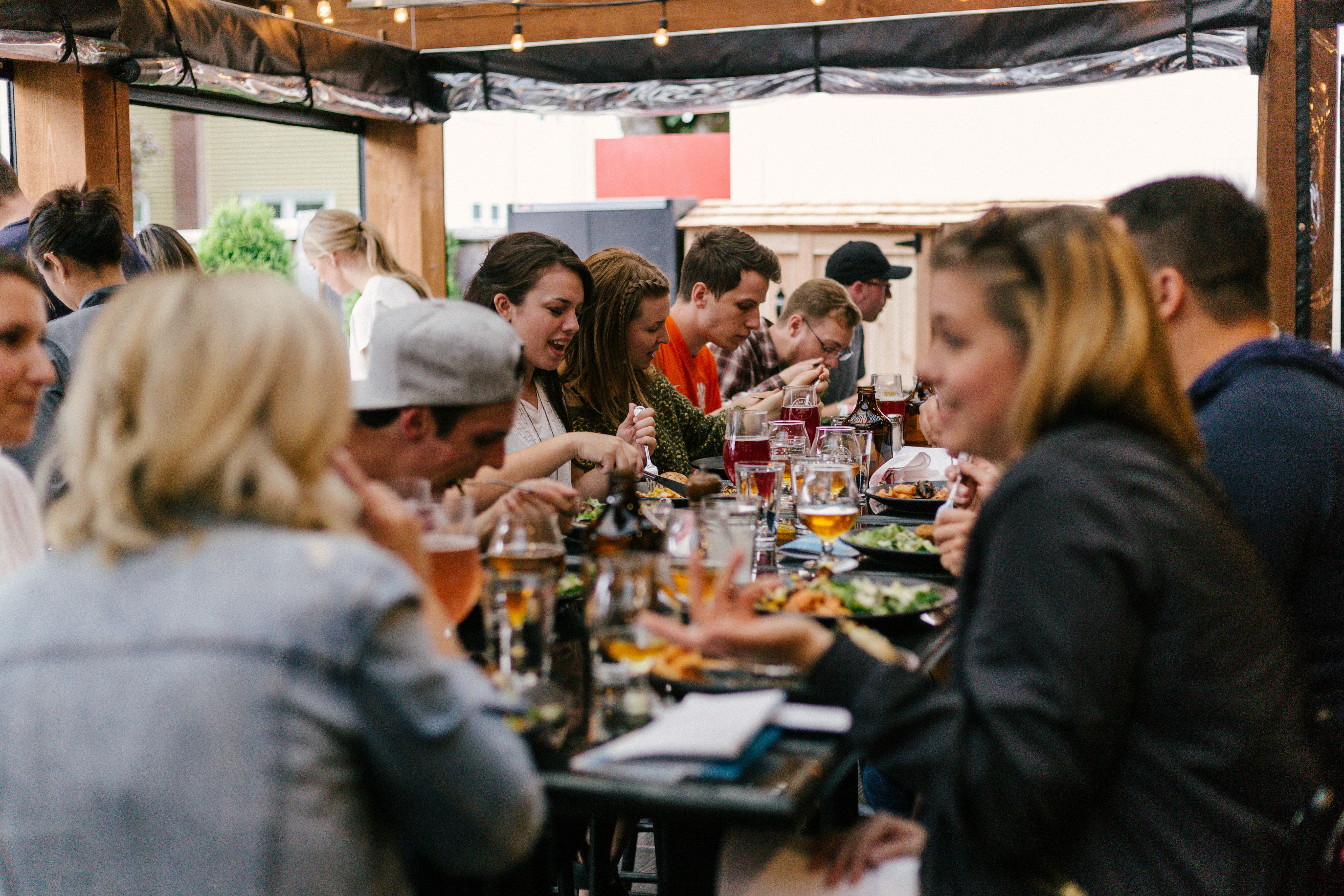
Qdoba secures $435M via whole business securitization to refinance debt, fund remodels and digital makelines, and fuel its push to ~2,000 units.
Jun 4, 2026
To file a clean, on-deadline restaurant trade piece, I need structured facts: names, dates, quotes, numbers, locations, timing, metrics, constraints, and verification.
Jun 4, 2026

Arts-first preschool chain Building Kidz continues U.S. expansion while facing a wrongful death suit and appealing a California penalty.
Jun 4, 2026

How to choose and configure equipment for consistent, scalable restaurant operations, with market data, AI trends, and energy-efficiency considerations.
Jun 4, 2026

Ice cream brand Salt & Straw explores a sale valuing it at $200M, tapping Piper Sandler as advisor while emphasizing culture, growth, and majority ownership.
Jun 4, 2026

Five Iron Golf launches cash simulator tournaments with a live app leaderboard, varied formats, and a $20,000 prize pool, backed by a Series E as national rollout accelerates.
Jun 4, 2026

Indoor golf franchises scale as Callaway trims Topgolf, automation boosts margins, and demand accelerates across U.S. simulator chains.
Jun 4, 2026
Big chains blend global flavors with familiar formats to drive traffic. Case studies from Shake Shack, Bobby’s, and Rōti, plus trend and performance data.
Jun 4, 2026
Shake Shack lowered Q2 and full-year guidance amid a value war and macro headwinds; shares fell 9% as analysts cut targets and the company tightened openings.
Jun 4, 2026

Unlock Exclusive Access To Webinars, Events, And The Latest News For Free!
Many of the major challenges faced by the restaurant industry today can be traced back to one underlying problem. There are issues facing multi-chain restaurants in 2022.

The past two years have been disruptors in the way people live, and how they work. Each and every industry has felt the impact of the pandemic in different ways and has had to come up with innovative ways to stay relevant and ahead of the game. A case in point is the restaurant industry. Having always been a thriving industry, the major setbacks it faced during these two years have been unprecedented. It has evolved though and while most of the issues the restaurants faced recently have been overcome with new technology and methodologies, there are things that still remain a problem; and new hurdles have arisen in the new normal. Multi-chain restaurants, especially, have their fair share of issues that they'll need to tackle in 2022.
One of the main concerns that all types of restaurants face is a labor shortage. The employee turnover ratio is very high as people keep changing jobs for better pay, perks, etc. This was a problem even in the pre-pandemic days, and since the pandemic, there were many people who migrated back to their hometowns or to places with cheaper living expenses which led to many restaurants especially in bigger towns not getting enough manpower to run smoothly. Recruiting the right personnel, increased wage demands, management, and such concerns are what the multi-chain restaurants face currently. While the traditional recruitment methods advertising in local media, word-of-mouth, etc. are still in use, restaurant owners have now turned to social media for recruitment. The Restaurant Industry Trends 2022 The State of Restaurants Report states that 49% of the restaurants from the survey have turned to social media to look for new employees. This report also stated that 57% of the restaurants are offering benefits and incentives to get new staff on board and stay competitive in a tough market.
The preferences of the consumers are constantly changing, and this is what drives any industry. The needs and demands of the F&B consumers need to be met in order to follow market trends - being on top of changes is essential for restaurants to remain ahead of the curve. In recent years since the pandemic struck, tastes and choices have changed quickly so it's important for the restaurant industry to keep up with these changes. In these last two years, it seems that the major preference has been health and wellness. This is because people are looking for healthier food options as well as plant-based alternatives to animal products so they can avoid allergens or improve their immunity. Another aspect that consumers are becoming more conscious of is sustainability. This need for sustainability in aspects like the food eaten and the cutlery used has increased as people want to be environmentally aware. All restaurants, multi-chain or otherwise, need to ensure they change with time and consumer preferences
Technology has been an integral part of the restaurant industry in the recent past. How fast and how much technology has been adapted might vary, but it is an essential commodity these days. The pandemic pushed the need for digitalization and got most on board with having technology involved in most, if not all, of their processes. From inventory management to employee scheduling, from order management to payroll management, digitization can be seen in every step. It is all the more important in multi-chain restaurants which have to remain on the same page whether it be for the recipes or the rates, etc. across different locations. While ordering digitally was done before the pandemic, the social distancing, lockdowns, and basic fear of the pandemic drove the trend further and at much speed. In fact, the Boston Consulting Group held a survey that showed that there has been an 18-point rise in the total percentage of digital ordering from 10% before the pandemic to 28% in 2020. Most of the restaurant brands showed an increase. The delivery market's share rose to 20% in 2020 from 7% in 2019. Digital ordering solutions can help improve sales, drive higher ticket prices, and save on labor costs.
In the last few years, there has been an increase in underreporting of food and beverage revenue by restaurants. Most restaurants are not accurately reporting their food and beverages sales to the IRS due to either a lack of knowledge about how to report such information or because they want their business performance, both internally and externally, to appear better than it actually is. While this feels like it should benefit the brand, it affects the industry as a whole and in turn, affects the brand too. A few of the negative effects are decreased power to bring prices down, and increased prices for customers. For consumers, it means getting less value when they purchase food or drinks at restaurants. The cost of food is also increasing over time due to pressure from companies. This creates an unhealthy situation where everyone suffers from inflationary pressures.
Many people are struggling with the realities of post-pandemic life. There are many other issues, apart from underreporting or even giving misleading information, that arise when working together in such a situation. The franchisees and the brand owners might not be on the same page in such situations, which can lead to decision-making errors. Another challenge is that many POS systems are not connected. Disparate systems at the franchisee level can result in poor visibility and an inability to track operations, including third-party services and costs, which leads to a failure of the business owners to judge their true profitability. Using tablets, that are not linked with systems across the business, for each franchisee to enter orders and track costs can lead to mistakes. Issues with trust between business partners can become a major hurdle for the business.
The supply chain in any industry is not a stand-alone module. It is co-dependent on various aspects economic, political, geographical, social, etc. and this can affect the smooth running of the supply chain. In the restaurant industry, the supply chain from the farms and manufacturing units to wholesalers, warehousers to transporters, restaurants, and bars to delivery personnel can be dependent on the economic state, weather and climatic conditions, ongoing wars and unrests, etc. of the places each point in the supply chain is based. The pandemic and the various lockdowns across the world, and within the country itself, along with the political unrest, have impacted the supply chain drastically. This has caused an inadequate supply of some items along with labor shortage and other issues arising from it. This has affected how multi-chain restaurants, and in fact all types of restaurants, operate. While some things are normalizing, the backlog has been tremendous leading to a staggering supply chain
