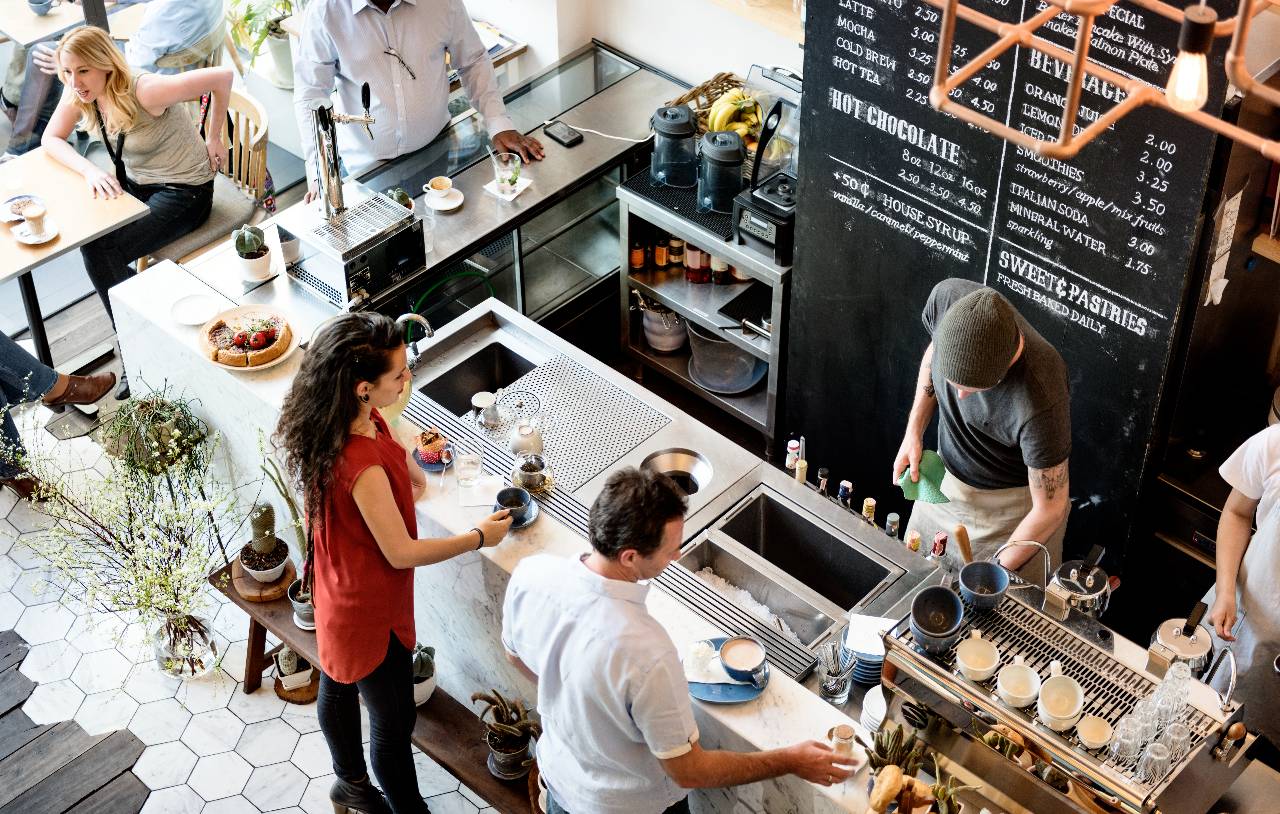
How Much Does It Cost to Open a Coffee Shop in 2026?
Opening a coffee shop in 2026 requires careful cost planning across rent, equipment, labor, technology, menu strategy, marketing, and sustainability.
operations
May 15, 2026
Opening a coffee shop in 2026 requires careful cost planning across rent, equipment, labor, technology, menu strategy, marketing, and sustainability.
May 15, 2026
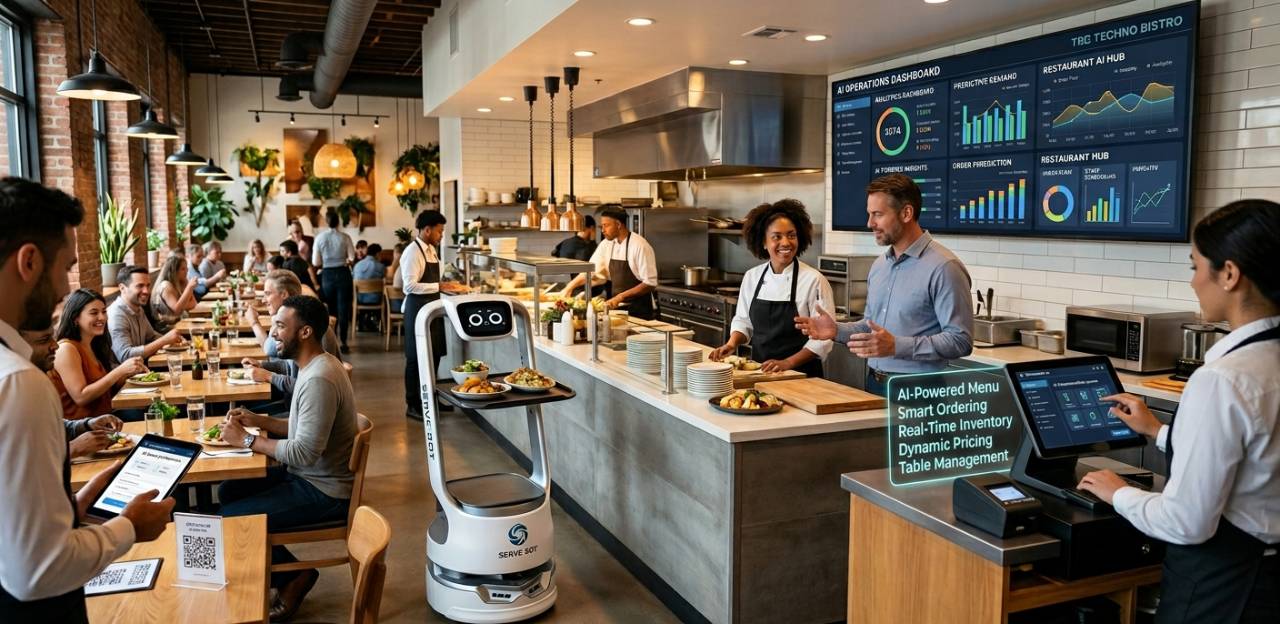
This AI playbook covers restaurant tools for voice ordering, staffing, compliance, menu pricing, inventory, marketing, ChatGPT prompts, and SEO.
May 15, 2026
Hardee’s giant Boddie-Noell inks 31-unit Scooter’s Coffee deal for NC and VA, leveraging drive-thru growth and local roots with rollout over 12–18 months.
May 15, 2026
Wingstop turns match weeks into a multi-sensory festival, aligning bold pop-ups with World Cup energy to build brand affinity and measurable momentum.
May 15, 2026
The parent company behind Dunkin', Buffalo Wild Wings, and Arby's has filed for an IPO a move that could reshape how Wall Street views the restaurant sector.
May 15, 2026
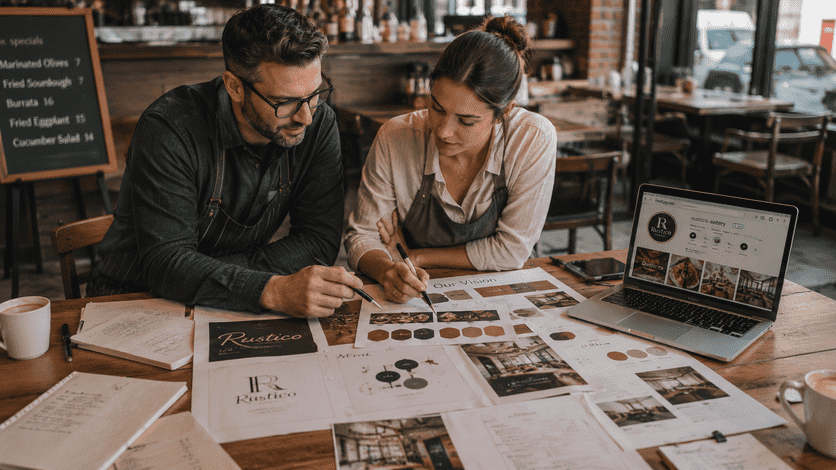
Learn how to develop a memorable restaurant brand identity that stands out in a crowded market, attracts loyal customers, and drives repeat business with actionable strategies and affordable tools.
May 15, 2026
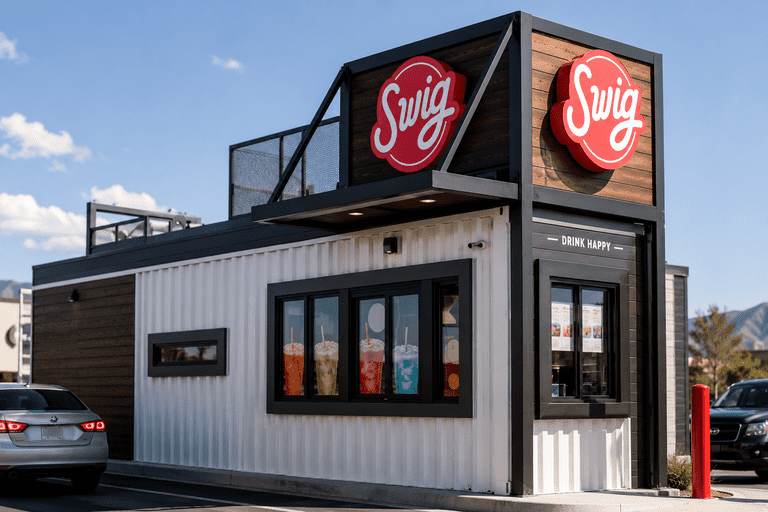
Dirty soda chain Swig is expanding into Colorado through a 10-unit franchise deal, riding a consumer beverage trend that's catching the attention of major QSR players nationwide.
May 15, 2026
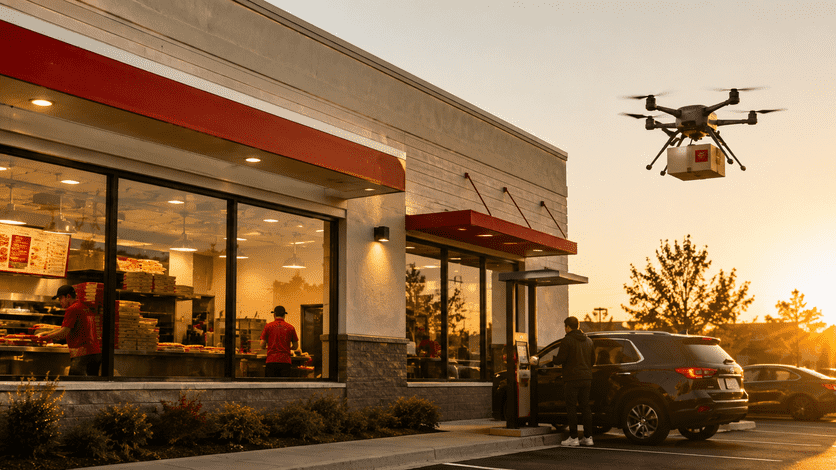
Papa Johns has teamed up with Alphabet's Wing for drone delivery of its new sandwich lineup in parts of Charlotte marking the first partnership of its kind between Wing and a national QSR brand.
May 15, 2026
A warm, expert-led look at McDonald’s Q1 results, menu makeover, and the refranchise question shaping its growth.
May 14, 2026
A reflective look at Habit Ranch, its immersive desert activation, and what it signals for brand loyalty and mindful, experiential dining.
May 14, 2026

Unlock Exclusive Access To Webinars, Events, And The Latest News For Free!
A Hawaii-inspired expansion story as Ron Chadwick guides L&L Hawaiian Barbecue across Colorado and Reno, blending local adaptation with authentic plate lunch heritage.
Photo by
From vacation to venture
In a story that reads like a recipe for mindful growth, L&L Hawaiian Barbecue found its mainland spark after a Hawaiian sojourn shaped a future.
Ron Chadwick, a multi-concept franchisee, carried a memory of vibrant island food back to the mainland and translated it into action. The personal ties—his Maui wedding, ownership of a condo there—echoed a deeper connection to the brand’s plate-lunch heritage. This is where curiosity meets opportunity, and where a casual description of local island fare became a decision to pursue a broader rollout.
That journey is more than a business plan—it’s a bridge between regions, a belief that authentic storytelling can travel and resonate.
Key move – Chadwick’s path to expansion is anchored in authenticity and hands-on leadership. He emphasizes how a single vacation idea grew into a mainland strategy built on Hawaii-inspired cuisine. By combining personal passion with disciplined risk-taking, he shaped a model that would translate local flavors into a multi-market footprint. This opening arc sets the tone for a narrative about deliberate growth, community curiosity, and the discipline required to scale with care.
“People come and tell us that it’s really good. They ask us lots of questions, which leads into a lot of good talks about Hawaiian culture,” Chadwick reflects, underscoring how the brand becomes a dialogue rather than a one-way presentation. This opening section frames the article’s throughline: hospitality as education, and cuisine as conversation that travels. The mainland becomes a venue for cultural exchange—one plate at a time.
Location, People, and Menu Flexibility
Crucial to the model is thoughtful site selection, a culture of strong leadership, and a menu that adapts without losing its core identity. Chadwick’s approach begins with neighborhood demographics, rooftop density, and lunch-to-dinner traffic, ensuring each opening has a reason to thrive. He is clear about incentives too: we incentivize our employees and especially our managers to run a good system, to keep costs as low as possible, and our cost of goods in line. This clarity helps the network stay disciplined while preserving the brand’s Hawaii connections.
In practice, L&L’s menu balances staples—like Tyson chicken—with ingredients rooted in Hawaii, while allowing regional twists. Experiments such as Kalua pork nachos or pineapple upside-down cakes prove that the concept can welcome local tastes. Sourcing remains largely Chadwick-led, ensuring consistency where it matters while enabling local adaptation.
Operational latitude matters as much as authenticity. The model’s flexibility—preserving core Hawaii connections while inviting regional flavor adjustments—helps each restaurant feel locally relevant. By keeping a careful balance between proven recipes and adaptive offerings, Chadwick turns each location into a mindful, nourishing experience for guests who seek both familiarity and discovery.
Cultural Reactions on the Ground
In the field, the mainland’s questions become a form of engagement rather than a hurdle. The introduction of Hawaiian-inspired concepts often leads to conversations about history, tradition, and the people behind the plates. Chadwick notes that the island origin story translates into curiosity about Hawaii’s culinary world, while his hands-on management and strong vendor relationships keep operations grounded in practicality. This dynamic—where curiosity prompts dialogue—helps each location feel both unique and one with the chain’s story.
What it means in practice – Direct vendor relationships and local adaptation create a cohesive brand while honoring regional tastes. The narrative emphasizes consumers’ desire to understand what they eat and where it comes from, turning each conversation into a learning moment. This is not merely a marketing story; it’s a lived experience of how a kitchen travels across states with its values intact.
Timeline, Discipline, and Scale
Financial discipline and a phased expansion timetable anchor Chadwick’s growth. The latest Colorado Springs opening stands as a deliberate milestone in a sequence that favors careful budgeting, empowered staff, and thoughtful site selection. The plan to press forward with Reno adds to a broader pattern: multi-unit franchising that leverages shared supply chains while honoring local preferences. This measured pace is not simply about growth; it’s about sustainable returns across markets.
In this frame, the mainland Hawaii story becomes a template for careful replication—one store at a time, with scale built on steady hands and clear governance.
Balanced growth – The Colorado Springs opening, together with Reno’s ongoing expansion, demonstrates how a brand can extend its reach without sacrificing authenticity. Chadwick’s model blends disciplined budgeting with local leadership, a combination that positions L&L as a mainland bridge for island flavors rather than a distant echo.
Industry momentum and brand context
Within industry coverage, L&L Hawaiian Barbecue represents a mainland arm of a Hawaii-origin concept and is frequently cited as part of a steady expansion wave. According to QSR Magazine, the brand opened 14 franchise locations in 2025, signaling continued demand for hearty island comfort food and the strength of its franchise network. The brand’s own materials emphasize its plate lunch heritage and the founder-led story of Hawaii cuisine, reinforcing the authority franchisors bring to communities beyond Hawaii. This is a moment that mirrors a broader movement in American dining—regional flavors meeting mainland audiences with authenticity and accessibility.
Local variations and truths – As counts shift, readers should note that numbers can vary by source. The narrative notes Chadwick has opened six L&L locations in Colorado Springs and four in Reno, with plans for a Reno expansion in October, while other reports mention a seventh Colorado location. These gaps reflect how permit timelines, market readiness, and competitive landscapes influence openings. The practical takeaway is that scale is real, but it remains fluid and context-dependent, a reminder that expansion is as much art as science.
Franchise ambition and cultural exchange – Chadwick’s story offers a template for how operators can fuse cultural storytelling with disciplined operations to build nationwide brands from local specialties. The ongoing conversation around Hawaiian cuisine on the mainland points to broader opportunities for education, community engagement, and culinary exchange as more operators translate island flavors into accessible, family-friendly concepts across the United States. This is a nourishing reminder that thoughtful expansion can be a shared, educational journey for diners and communities alike.