
FT Undercover: Hotworx, YogaSix, Barre3 in Twin Cities
FT Undercover tests Hotworx, YogaSix and Barre3 in the Twin Cities, highlighting heat, coaching, pricing, and the FTC action involving Xponential Fitness.
franchising
Jun 4, 2026
FT Undercover tests Hotworx, YogaSix and Barre3 in the Twin Cities, highlighting heat, coaching, pricing, and the FTC action involving Xponential Fitness.
Jun 4, 2026

Qdoba secures $435M via whole business securitization to refinance debt, fund remodels and digital makelines, and fuel its push to ~2,000 units.
Jun 4, 2026

To file a clean, on-deadline restaurant trade piece, I need structured facts: names, dates, quotes, numbers, locations, timing, metrics, constraints, and verification.
Jun 4, 2026

Arts-first preschool chain Building Kidz continues U.S. expansion while facing a wrongful death suit and appealing a California penalty.
Jun 4, 2026

How to choose and configure equipment for consistent, scalable restaurant operations, with market data, AI trends, and energy-efficiency considerations.
Jun 4, 2026

Ice cream brand Salt & Straw explores a sale valuing it at $200M, tapping Piper Sandler as advisor while emphasizing culture, growth, and majority ownership.
Jun 4, 2026

Five Iron Golf launches cash simulator tournaments with a live app leaderboard, varied formats, and a $20,000 prize pool, backed by a Series E as national rollout accelerates.
Jun 4, 2026
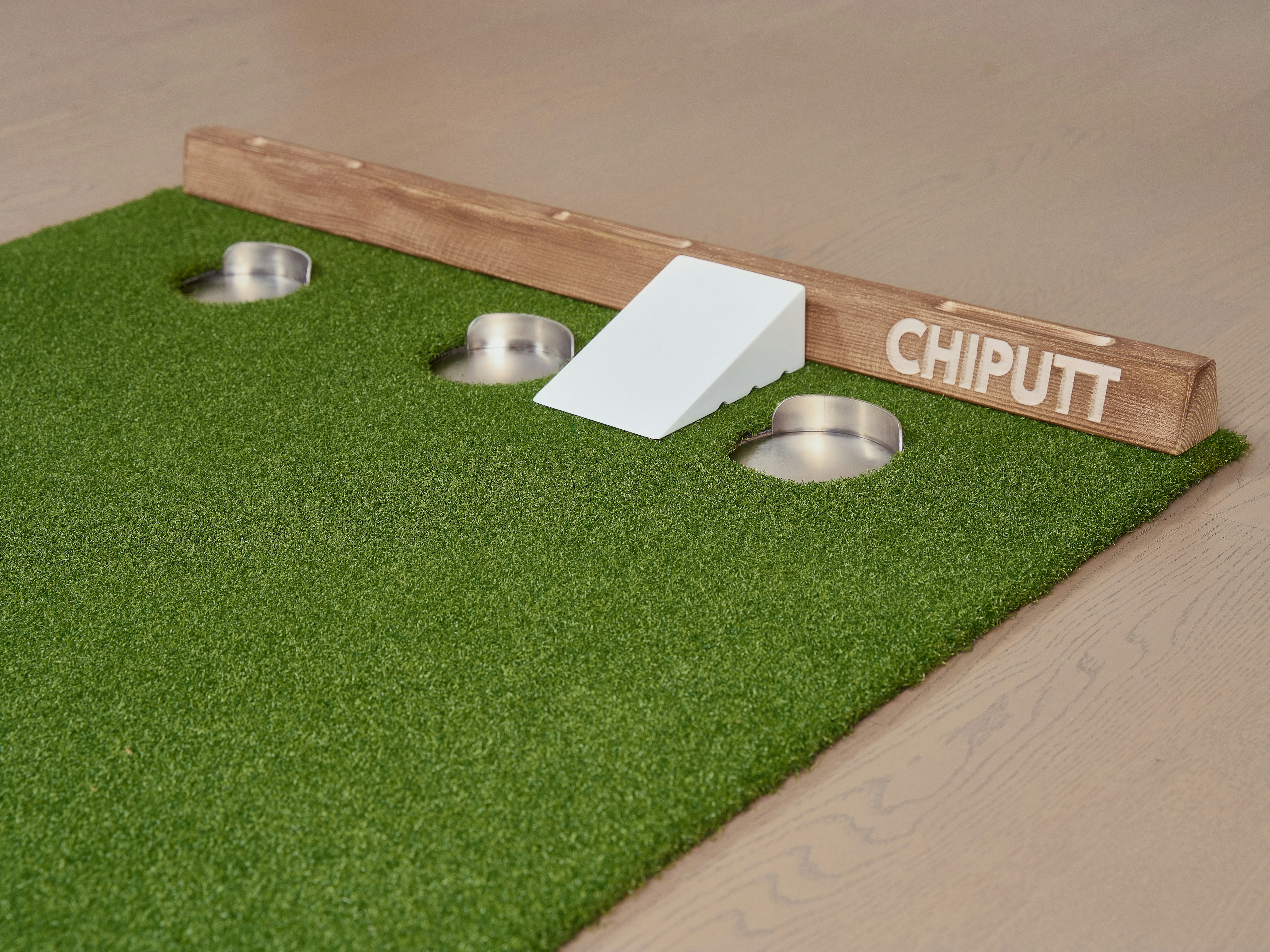
Indoor golf franchises scale as Callaway trims Topgolf, automation boosts margins, and demand accelerates across U.S. simulator chains.
Jun 4, 2026

Big chains blend global flavors with familiar formats to drive traffic. Case studies from Shake Shack, Bobby’s, and Rōti, plus trend and performance data.
Jun 4, 2026

Shake Shack lowered Q2 and full-year guidance amid a value war and macro headwinds; shares fell 9% as analysts cut targets and the company tightened openings.
Jun 4, 2026

Unlock Exclusive Access To Webinars, Events, And The Latest News For Free!
If you want your business to run like a well-oiled machine, you need to streamline your operations. By streamlining your business operations test, you can improve your efficiency and bottom line.

The first step in creating a successful business is to define your goals and objectives. Without a clear understanding of what you hope to achieve, it will be difficult to make informed decisions about how to best allocate your resources. Your goals should be specific, measurable, attainable, relevant, and time-bound. Objectives are the detailed steps you plan to take to achieve your goal. For example, if your goal is to increase sales by 20 percent over the next year, an objective might be to create a marketing campaign that targets new customers in your area.
In analyzing your current business operations, it's important to examine all aspects of the company in order to identify areas that may need improvement. This can be done by conducting a SWOT analysis, which will take into account your company's strengths, weaknesses, opportunities and threats. Once you have a clear understanding of where your business stands, you can begin to make changes and implement strategies that will help improve operations and overall profitability.
There are always areas of improvement in business operations. One way to identify them is to ask employees for their suggestions. Another way is to look at areas where there are bottlenecks or inefficiencies. Once you have identified potential areas of improvement, you can brainstorm possible solutions and then try out different solutions to see which ones work best.
One way to streamline your business operations is to develop a plan that outlines what needs to be done and when. This can help you to stay organized and on track, so that you can get the most out of your time and resources. Additionally, consider automating as many tasks as possible so that you can focus on other areas of running your business.
The first step is to actually implement the plan. This means putting it into action and seeing how it works in the real world. It's important to monitor the results closely so you can see what's working and what isn't. Adjustments can then be made accordingly. This is an ongoing process that should be repeated on a regular basis.
Before you can start working on your business plan, you need to have a clear understanding of what you want your business to achieve. This means setting out some specific goals and objectives for your business. These could be things like increasing sales by 10% within the first year, or expanding your customer base into new markets.
Whatever goals and objectives you set for your business, make sure they are realistic and achievable. Setting unrealistic goals is only going to set yourself up for failure, so take the time to think carefully about what you want to achieve with your business. Once you have set some realistic goals, you can start putting together a plan of how to achieve them.Audit Checklist
If you're not happy with how your business is currently operating, it may be time for a change. Evaluate what's working and what isn't, and make changes accordingly. Don't be afraid to mix things up and try new things - sometimes the biggest breakthroughs come from making small changes.
Take a close look at your current business operations and see where there may be room for improvement. Are you satisfied with your sales figures? Are your customers happy? If not, it may be time to rethink your strategy.
It can be helpful to compare yourself to other businesses in your industry to see where you might stack up. Use this information as a starting point for making changes in your own business. And don't forget to ask for feedback from employees and customers - they can offer valuable insight into areas that need improvement.United StatesPos SystemHr SoftwareDigital TransformationProject ManagementReal Estate
