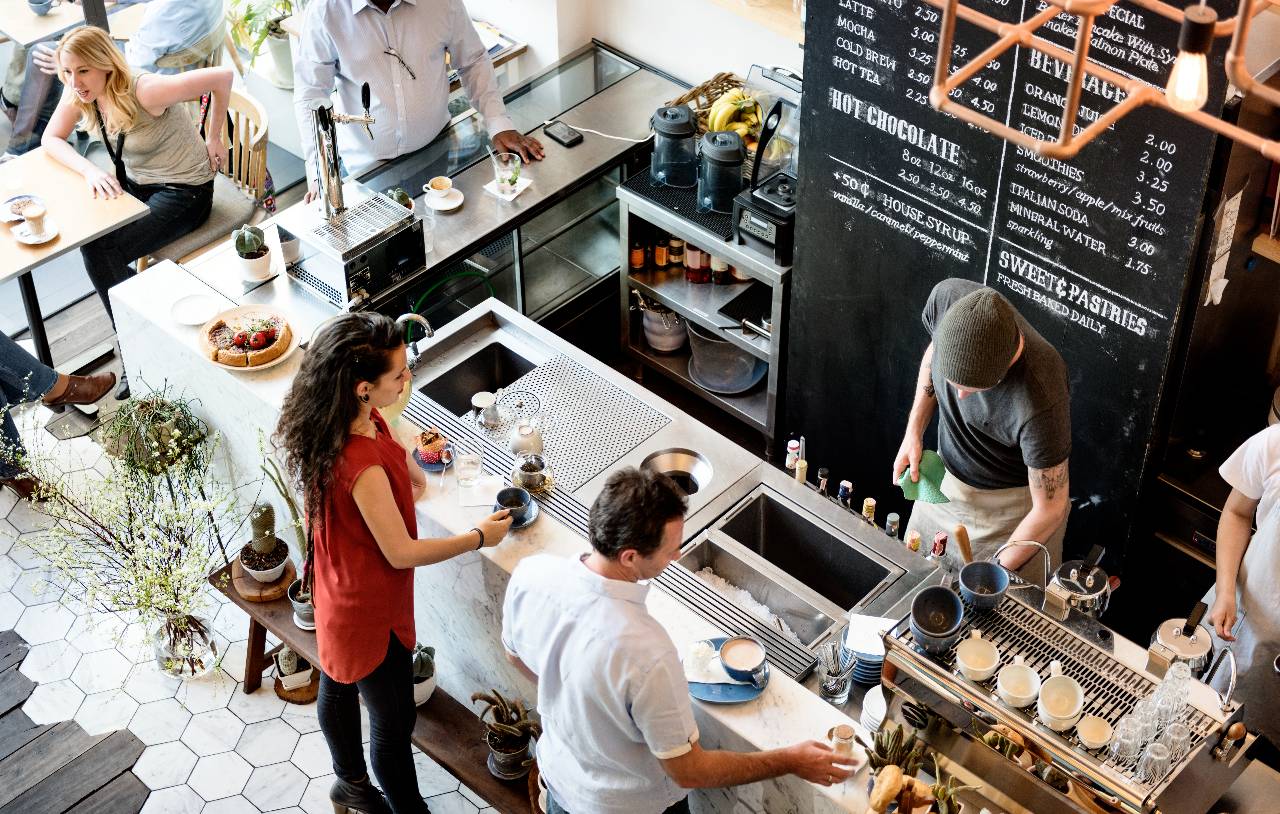
How Much Does It Cost to Open a Coffee Shop in 2026?
Opening a coffee shop in 2026 requires careful cost planning across rent, equipment, labor, technology, menu strategy, marketing, and sustainability.
operations
May 15, 2026
Opening a coffee shop in 2026 requires careful cost planning across rent, equipment, labor, technology, menu strategy, marketing, and sustainability.
May 15, 2026
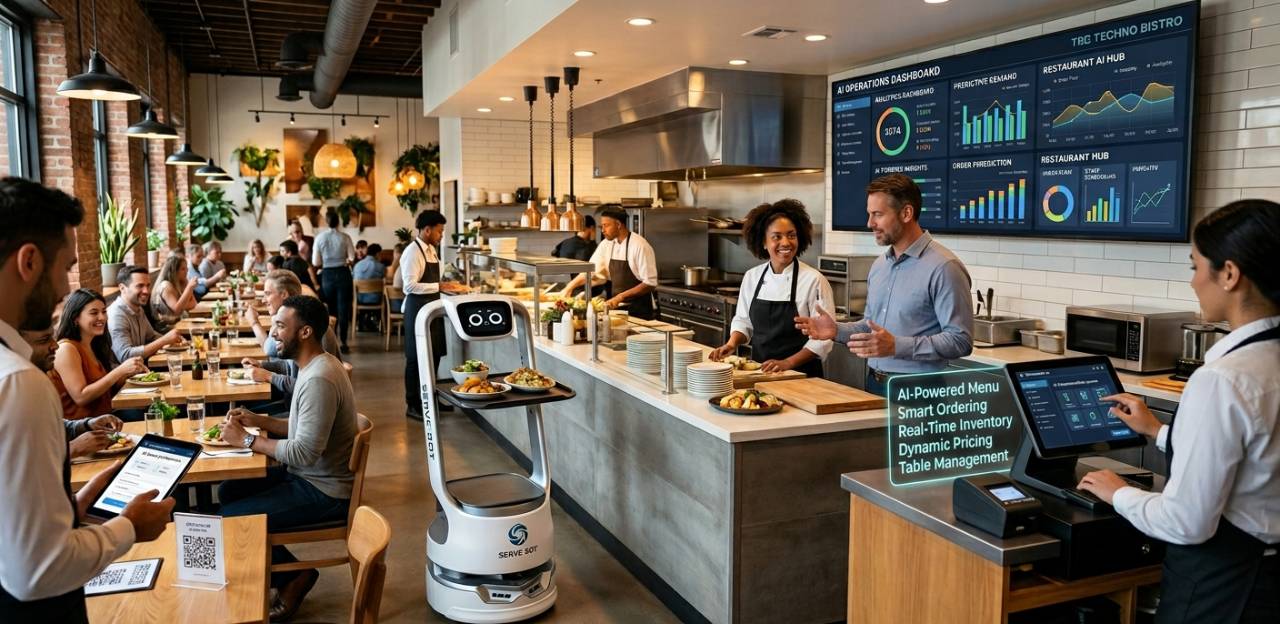
This AI playbook covers restaurant tools for voice ordering, staffing, compliance, menu pricing, inventory, marketing, ChatGPT prompts, and SEO.
May 15, 2026
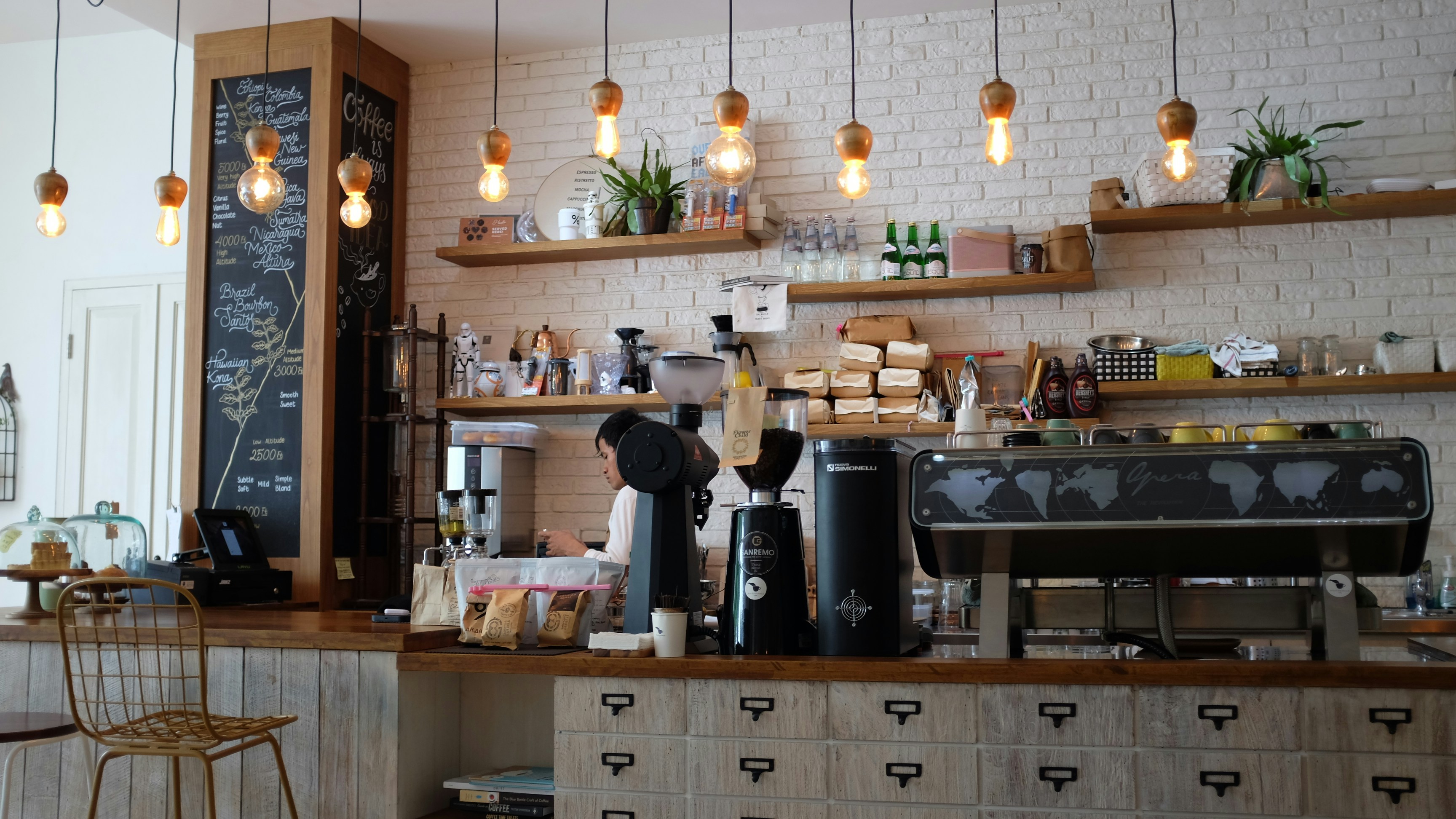
Hardee’s giant Boddie-Noell inks 31-unit Scooter’s Coffee deal for NC and VA, leveraging drive-thru growth and local roots with rollout over 12–18 months.
May 15, 2026
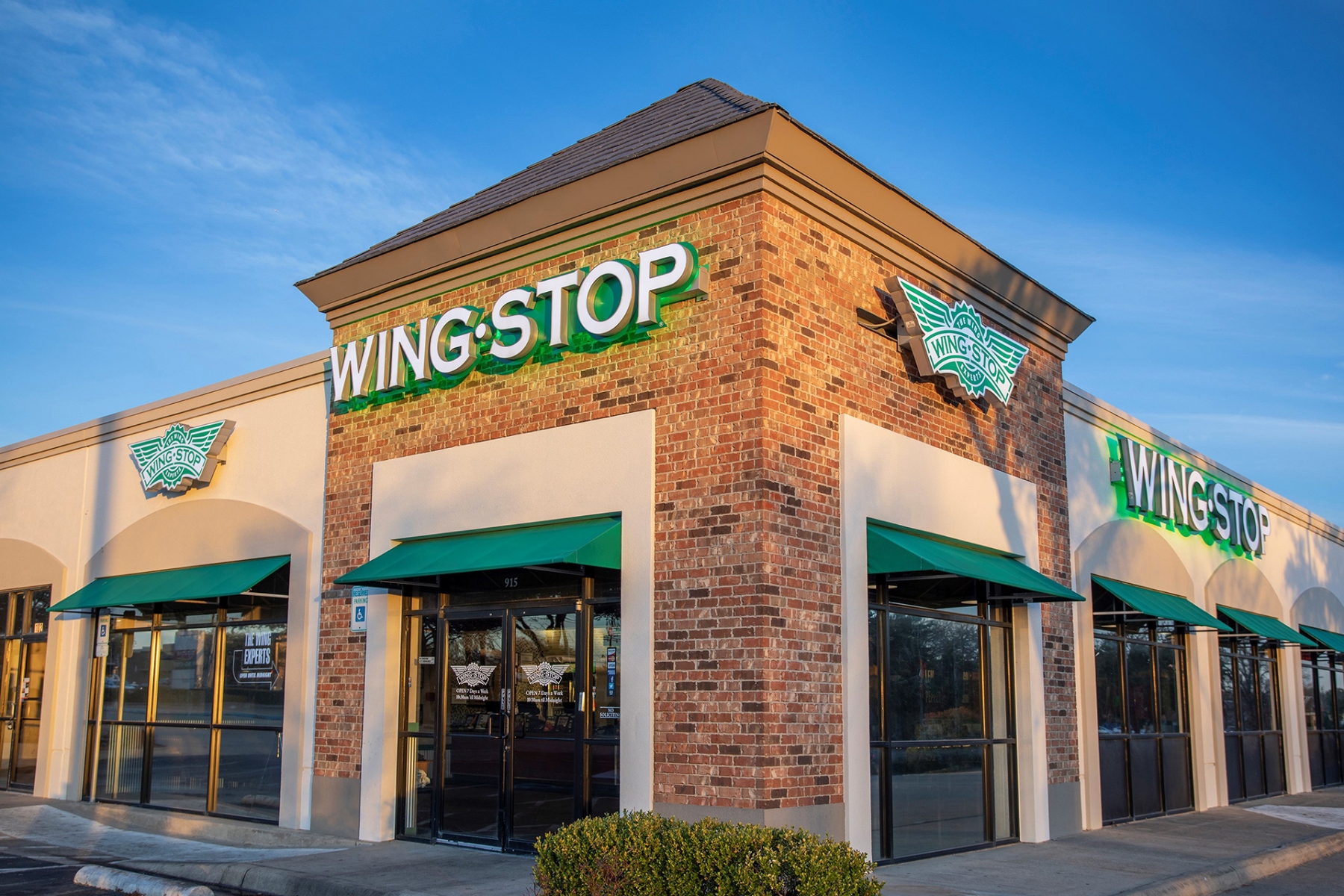
Wingstop turns match weeks into a multi-sensory festival, aligning bold pop-ups with World Cup energy to build brand affinity and measurable momentum.
May 15, 2026
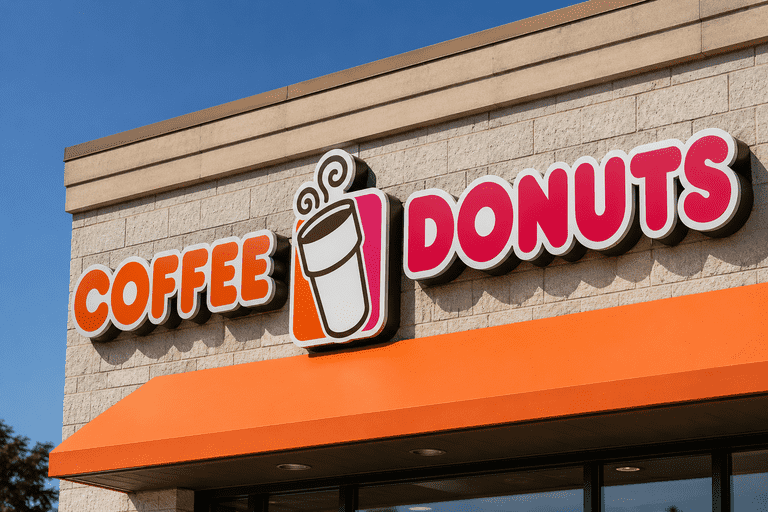
The parent company behind Dunkin', Buffalo Wild Wings, and Arby's has filed for an IPO a move that could reshape how Wall Street views the restaurant sector.
May 15, 2026

Learn how to develop a memorable restaurant brand identity that stands out in a crowded market, attracts loyal customers, and drives repeat business with actionable strategies and affordable tools.
May 15, 2026
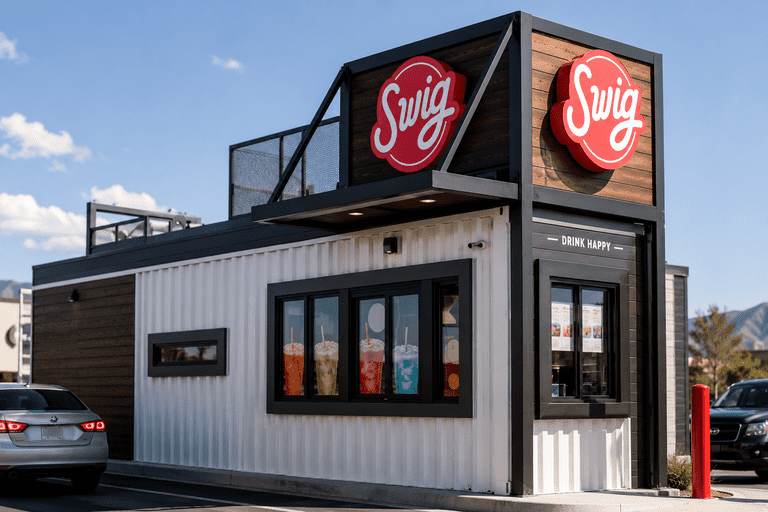
Dirty soda chain Swig is expanding into Colorado through a 10-unit franchise deal, riding a consumer beverage trend that's catching the attention of major QSR players nationwide.
May 15, 2026
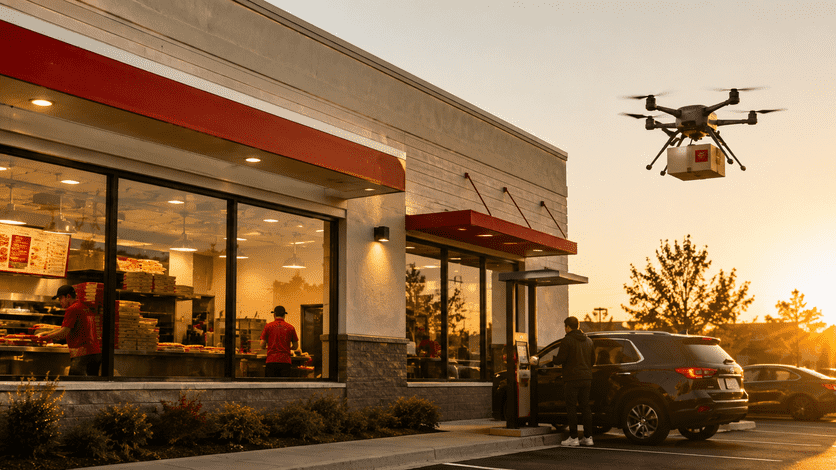
Papa Johns has teamed up with Alphabet's Wing for drone delivery of its new sandwich lineup in parts of Charlotte marking the first partnership of its kind between Wing and a national QSR brand.
May 15, 2026
A warm, expert-led look at McDonald’s Q1 results, menu makeover, and the refranchise question shaping its growth.
May 14, 2026
A reflective look at Habit Ranch, its immersive desert activation, and what it signals for brand loyalty and mindful, experiential dining.
May 14, 2026

Unlock Exclusive Access To Webinars, Events, And The Latest News For Free!
Chuck E. Cheese advances a multi-format, international expansion—from Cairo’s activity-rich venue to adult-focused arcades and resort partnerships—aimed at families, nostalgic adults, and tourists.
Photo by Yvette S
Ambition has turned tactile for Chuck E. Cheese: the company’s international and multi-format expansion has moved from planning to practice, staged across continents and venue types that invite families, nostalgic adults, and travelers into distinct yet connected experiences. As a scale marker at the moment of lift-off, the brand reported operating “nearly 600 fun centers across 16 countries” when its Egypt debut arrived—an opening act that framed everything to follow as refinement rather than reinvention. From there, the narrative unfolds like a tasting menu of formats—each course calibrated for a different appetite. First came Africa, then fresh territory development in Latin America, and a domestic reintroduction of adult-focused arcades. Resort partnerships and a seaside pier installation extended the brand’s reach beyond standalone stores, suggesting a choreography built to meet audiences where they gather: in malls, on vacations, and along promenades that pulse with passing footfall. Analysis: The breadth of geographies and channels described positions the company to flex its existing scale while probing for high-yield formats, linking legacy recognition to new access points without abandoning core identity.
In February 2024, the brand crossed a continental threshold with its first African location at Royal Park Mall in Sheikh Zayed City, just outside Cairo. Developed by regional franchisee Unique Hospitality Company, the venue reads like a manifesto for hybrid entertainment: ziplines, a trampoline adventure, a ropes course, and a climbing wall announce physical play as a primary ingredient alongside arcade classics and live entertainment. The culinary mise en scène is equally deliberate. Open-view kitchens and a dedicated party room amplify a theatrical dining sensibility, transforming mealtime into part of the show and extending dwell time for multi-generational groups. This is not merely a cabinet-lined hall; it is a full-service stage that blends active attractions with food-forward elements, a composition that nods to the European tradition of dining as spectacle—where the kitchen’s choreography is as important as the plate. Analysis: The Cairo opening signals a pivot from purely arcade-centric formats to an “eatertainment” profile that heightens experience density, engineered to keep guests engaged across activities and occasions.
The company’s Latin American storyline advances on a measured cadence. A first location in the Dominican Republic is set for March 2025, preceded by a December 2024 development agreement to enter Guyana. These moves build on presence in Trinidad & Tobago, most recently in February 2023, forming a pattern of footholds that can be shaped into clusters—regional constellations rather than one-off stars. This sequencing—establish, localize, then scale—mirrors the discipline of a chef testing a dish in one dining room before placing it on the house menu. Multi-unit franchise agreements, including references to Australia, broaden the envelope by aligning growth with operators who can translate a proven recipe under varied conditions. The throughline remains consistent: full-service venues that balance entertainment with culinary engagement, tuned to communities that crave both. Analysis: The Latin American entries and Australian franchise references suggest a pipeline approach enabled by franchising—expansion paced by proof points, with the flexibility to accelerate when formats resonate.

Domestically, an adult-focused brand thread has been woven into the fabric: Chuck’s Arcade, described as a “modern-day love letter to the games and people who made Chuck E. Cheese great.” The language is telling—an embrace of heritage that feels more gallery than playground, curated rather than chaotic. CEO David McKillips calls it a “natural evolution,” a phrase that clarifies intent: engage lifelong fans without diluting the family proposition. Ten locations now operate across eight states—Florida, Connecticut, Oklahoma, New York, Georgia, Texas, New Hampshire, and Missouri—each mixing cabinet canon like Donkey Kong, Ms. Pac-Man, and Mortal Kombat with modern heavy-hitters including Halo and Jurassic Park. Food and drinks are part of the experience; one Kansas City site includes a full bar with beer and wine. Animatronic décor appears as static branding touchstones, reverent rather than performative. This is nostalgia plated with restraint, akin to an aged Barolo poured beside a contemporary tasting—old notes in conversation with new textures. Analysis: State-by-state deployments and beverage-led amenities show deliberate segmentation—an adult channel that leverages legacy IP and flexible theming to capture older demographics while preserving the core family lane.
The resort chapter opens in July 2025 with a technology and cross-marketing agreement with Westgate Resorts, ushering in the Mystery Fun House Arcade Experience in Kissimmee. As part of a “$120 million” renovation, the nearly half-acre attraction interlaces two branded zones—Chuck’s Arcade and Chuck E. Cheese Fun Zone—so adults and families can circulate within a single destination without stepping across a velvet rope. Here the palette widens: nostalgic games meet high-tech simulators; bowling lanes share the floor with a MEGAbites food hall and the Sweet Dreamery candy shop. A museum-like Mystery Lane honors local legacy, displaying archival memorabilia and design callbacks from the original Mystery Fun House, opened in 1976 by David Siegel and shuttered in 2001. Entry requires no admission fee, and a PlayPass system enables flexible, tap-to-play spending. Beyond the arcade, broader resort upgrades encompass “1,500+” suite renovations, a new retail outlet, and added restaurants—context that reinforces the venue’s role within a refreshed hospitality ecosystem. Analysis: The no-admission model, payment flexibility, and heritage storytelling point to a capital-backed, high-throughput platform engineered to absorb variable guest flows while anchoring the brand within a destination’s daily rhythm.
On November 17, 2025, the story extended to the shoreline: Chuck’s Arcade opened at the Westgate Cocoa Beach Pier with over 50 modern arcade games, poised to entertain families and cruise visitors against ocean views. The scene is archetypal—salt air, steady foot traffic, and a light-dappled arcade that functions as both rainy-day refuge and evening crescendo. This seaside note harmonizes with mall-based adult arcades and the Kissimmee resort complex to form a channel-diverse score. In malls, Chuck’s Arcade curates retro-to-modern gameplay with beverage programs that invite linger time; at the resort, food halls, candy shops, bowling lanes, and memorabilia displays transform non-park days into anchored experiences. The result is presence without overreliance on traditional store formats, a distribution of risk and opportunity across weekday mall visits, vacation downtime, and pier tourism. Analysis: Tailoring amenities to venue type allows the brand to match traffic patterns and guest moods, reinforcing recognition through consistent visual cues while capturing spend across multiple occasions.
Some elements remain between the lines. Financial terms and unit counts tied to multi-unit franchise agreements—including those referencing Australia—are not disclosed here. Performance metrics for the new formats, such as spend per visit or repeat rates, are not provided, and the timing or scope of additional adult-arcade openings appears only as “with more on the horizon.” Several milestones are conveyed via press releases and a Wikipedia summary, establishing intentions and markers without audited results. The broader outlook, though, sketches a coherent thesis. From Cairo’s activity-rich venue with open-view kitchens to the Westgate program’s PlayPass and no-admission design, the brand leans into frictionless access and theatrical dining. Chuck’s Arcade draws power from a duality—“modern-day love letter” and “natural evolution”—using nostalgia to expand the age envelope without displacing families. The Mystery Fun House revival and “1,500+” suite upgrades show how entertainment formats can plug into place-based legacies and larger hospitality investments, creating an ecosystem where play and dining feel inevitable rather than incidental. Analysis: Absent financial KPIs, the lesson is measured optimism: a diversified format strategy can extend relevance and revenue diversity, but its true flavor will be judged by forthcoming openings and formal updates from Cairo, Kissimmee, Cocoa Beach, and the Latin American pipeline.