How Much Does It Cost to Open a Coffee Shop in 2026?
Opening a coffee shop in 2026 requires careful cost planning across rent, equipment, labor, technology, menu strategy, marketing, and sustainability.
operations
May 15, 2026
Opening a coffee shop in 2026 requires careful cost planning across rent, equipment, labor, technology, menu strategy, marketing, and sustainability.
May 15, 2026
This AI playbook covers restaurant tools for voice ordering, staffing, compliance, menu pricing, inventory, marketing, ChatGPT prompts, and SEO.
May 15, 2026
Hardee’s giant Boddie-Noell inks 31-unit Scooter’s Coffee deal for NC and VA, leveraging drive-thru growth and local roots with rollout over 12–18 months.
May 15, 2026
Wingstop turns match weeks into a multi-sensory festival, aligning bold pop-ups with World Cup energy to build brand affinity and measurable momentum.
May 15, 2026
The parent company behind Dunkin', Buffalo Wild Wings, and Arby's has filed for an IPO a move that could reshape how Wall Street views the restaurant sector.
May 15, 2026
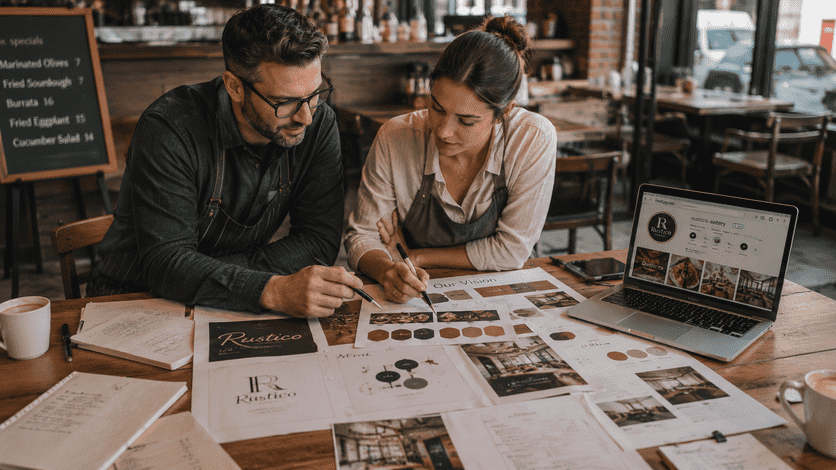
Learn how to develop a memorable restaurant brand identity that stands out in a crowded market, attracts loyal customers, and drives repeat business with actionable strategies and affordable tools.
May 15, 2026
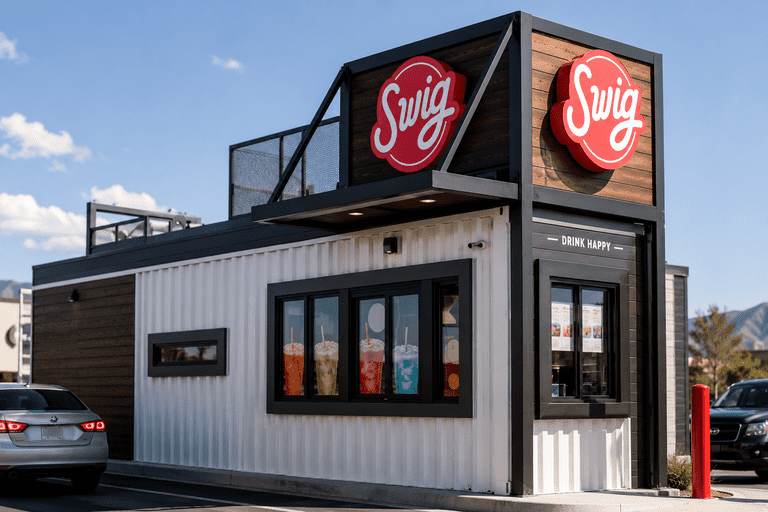
Dirty soda chain Swig is expanding into Colorado through a 10-unit franchise deal, riding a consumer beverage trend that's catching the attention of major QSR players nationwide.
May 15, 2026
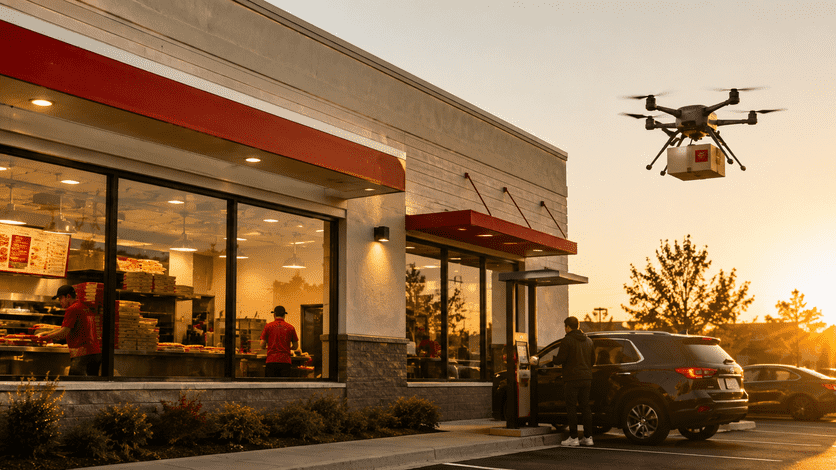
Papa Johns has teamed up with Alphabet's Wing for drone delivery of its new sandwich lineup in parts of Charlotte marking the first partnership of its kind between Wing and a national QSR brand.
May 15, 2026
A warm, expert-led look at McDonald’s Q1 results, menu makeover, and the refranchise question shaping its growth.
May 14, 2026
A reflective look at Habit Ranch, its immersive desert activation, and what it signals for brand loyalty and mindful, experiential dining.
May 14, 2026

Unlock Exclusive Access To Webinars, Events, And The Latest News For Free!
Insider leaders seize remaining Frisch’s locations amid eviction battles, carving a selective path to revival across the Midwest.

Photo by Nathan Dumlao
Frisch’s Big Boy stands at a crossroads, a Cincinnati staple fighting to outlast a storm of debt and shuttered doors. In November 2024, a press release announced that Don Short, the franchising area coach, and Cheryl White, the vice president of operations, had acquired the brand’s remaining open locations and future development rights. The move arrives as eviction notices and unpaid rent have battered Frisch’s, forcing ownership to chart a survival path. Short framed the moment as both grateful and urgent, saying, “We are very grateful and extremely excited to have the opportunity to carry this beloved icon forward.” White emphasized the practical need to protect loyal customers and local communities, noting, “We will make every effort to keep as many units as possible open in the short term.” This isn’t a routine ownership shuffle; it’s a calculated bid to stabilize a regional landmark. The coming weeks will test whether a lean, insider-led plan can bend a distressed portfolio toward longevity.
According to the release, the brand spans Ohio, Kentucky, and Indiana, and the effort is pitched as a last-ditch stabilization. The strategy centers on a focused, location-by-location approach: revive viable units, pursue new openings when landlords and economics cooperate, and gracefully exit sites that no longer pencil out. Core Frisch’s products—tartar sauce, pumpkin pies, and the chain’s signature staples—are highlighted as anchors of continuity, while the realities of a shrinking portfolio force pragmatic decisions. The plan reflects a pivot from broad ownership to a tightly managed revival, with Short and White steering the ship in collaboration with long-tenured operators and landlords. The test will be whether this lean frame can guard jobs and community ties while returning the brand to growth mode.
Frisch’s Big Boy isn’t a one‑off comeback story. It sits inside a longer arc of strategic recalibration. In 2015, NRD Capital bought Frisch’s for about $175 million, launching a decade of modernization while trying to preserve the brand’s Midwestern identity. A 2016 rebranding refreshed the look without sacrificing the heritage, a move designed to win new customers while keeping old fans loyal. By 2022, the chain hovered at roughly 100 restaurants, a sizable footprint for the region even as consumer tastes shifted. The appointment of James Walker as CEO marked another inflection point; his tenure coincided with post-pandemic realities and shifting competition, setting the stage for insiders to step in when external dynamics grew untenable.
This background matters because the November 2024 move didn’t emerge from a vacuum. Industry reporting shows a chain in transition, with leadership shifts in 2022 and a broader push to recalibrate amid post-pandemic costs and a tightening dine-out market. The insider‑led bid sits as another pivot in a decade‑long story, not a single accident. It suggests that Frisch’s revival is less about a flash reboot and more about stabilizing a brand that once stretched with ambition across the region. The question becomes how much of the footprint can be preserved, and what that means for a loyal, local following.
If the comeback has a blueprint, it’s a lean one. The November press release frames a location-by-location rebuild: buy the remaining open Frisch’s Big Boy locations plus the rights to future development, invest where a site makes sense, and walk away from sites that can’t sustain operations. The strategy isn’t about rapid, coast-to-coast expansion; it’s about selective openings tied to landlord terms and unit performance. Jobs in the communities that’ve kept Frisch’s relevant are a constant thread, with executives arguing that preserving tens of local roles is non-negotiable. By transferring brand rights and select stores to a trusted, long-tenured leadership team, the plan leans toward a management-led revival rather than a outside ownership reboot.
In practical terms, the revival centers on keeping the brand’s core products—tartar sauce, pumpkin pies, and the familiar Frisch’s staples—while acknowledging the need to adapt to real-world constraints of a shrinking portfolio. In addition, the architecture of this effort relies on landlord negotiations and the ability to sustain tens of jobs in communities that value the brand’s presence. The transfer of brand rights and select locations to a committed, insider-led team signals a shift from external ownership to a controlled revival engine, with growth measured against leverage and profitability rather than sheer scale.
Voices from the field reflect both pride and caution. Short’s message frames this as a dignified continuation of a generational business: “We are very grateful and extremely excited to have the opportunity to carry this beloved icon forward.” White adds a community focus, stressing the intent to preserve jobs and local ties while still plotting growth. Industry observers highlight the dual reality: a desire to keep as many units open as possible, even as the portfolio contracts under eviction pressure. The public tone is hopeful, but the data on closures and rent arrears keeps the conversation grounded.
Coverage across outlets mirrors that tension. WHIO TV’s executive bios and statements lend a human face to the plan, while Nation’s Restaurant News contextualizes the deal within a broader eviction footprint. Reporters note the push-pull: pride in preserving a regional classic and sober acknowledgment of the financial and legal pressures that threaten a broad revival. In this light, the buyout isn’t just strategic—it’s a communications balancing act intended to reassure workers, customers, and landlords alike that a path forward exists, even if it remains narrow.
Behind the headlines lies a legal and financial drumbeat. In October 2024, lawsuits filed by NNN Reit, owner of 66 Frisch’s properties, alleged more than $4.5 million in unpaid rent and eviction actions that roiled a substantial portion of the chain’s footprint. By late 2024, Cincinnati-area coverage placed at least 16 locations closed or ordered to vacate, with as many as 20 more remaining under threat. The eviction wave was the lever driving the insider-led buyout, a bid to salvage viable units while letting others lapse. The sale itself left questions—no disclosed purchase price, nor a precise count of stores acquired—creating a fog around the deal’s scale and pace.
Without transparent terms, assessors must read the risk: what exactly did insiders secure, and how fast can operations stabilize? The narrative centers on keeping viable sites open, renegotiating rents, and weathering ongoing county-level actions, while the rest of the network recedes. The absence of a public price tag or store-count specifics means stakeholders must rely on follow-up reporting to gauge the depth of the win and the timeline for a broader return. Even in adversity, the thread remains clear: this is a targeted, rather than a sweeping, revival.
If the revival takes hold, Frisch’s could become a modern case study in insider-led turnarounds for regional icons. The April 2026 update from Nation’s Restaurant News shows that the new leadership continues to pursue expansion while juggling landlord relationships and a distressed core. The upside is a managed growth story that avoids overreach, preserves heritage, and puts locals back to work. On the flip side, if eviction pressures mount or the few surviving sites falter, Frisch’s could join a list of mid-century brands that struggled to adapt to a tighter real estate market and shifting tastes. Either outcome shapes how regional families balance history with today's economics.
Bottom line: the story isn’t just about a menu or a logo. It’s about a community landmark learning to survive in a changing economy. The insider-led revival leans on disciplined capital allocation, patient landlord negotiations, and a clear path to selective growth. If done well, Frisch’s could prove that heritage brands don’t have to fade; they can reemerge stronger by making the hard calls and staying true to their roots. If not, the icon could stay on the shelf, a cautionary tale about how a cherished era can slip away when cash flow and leases collide.