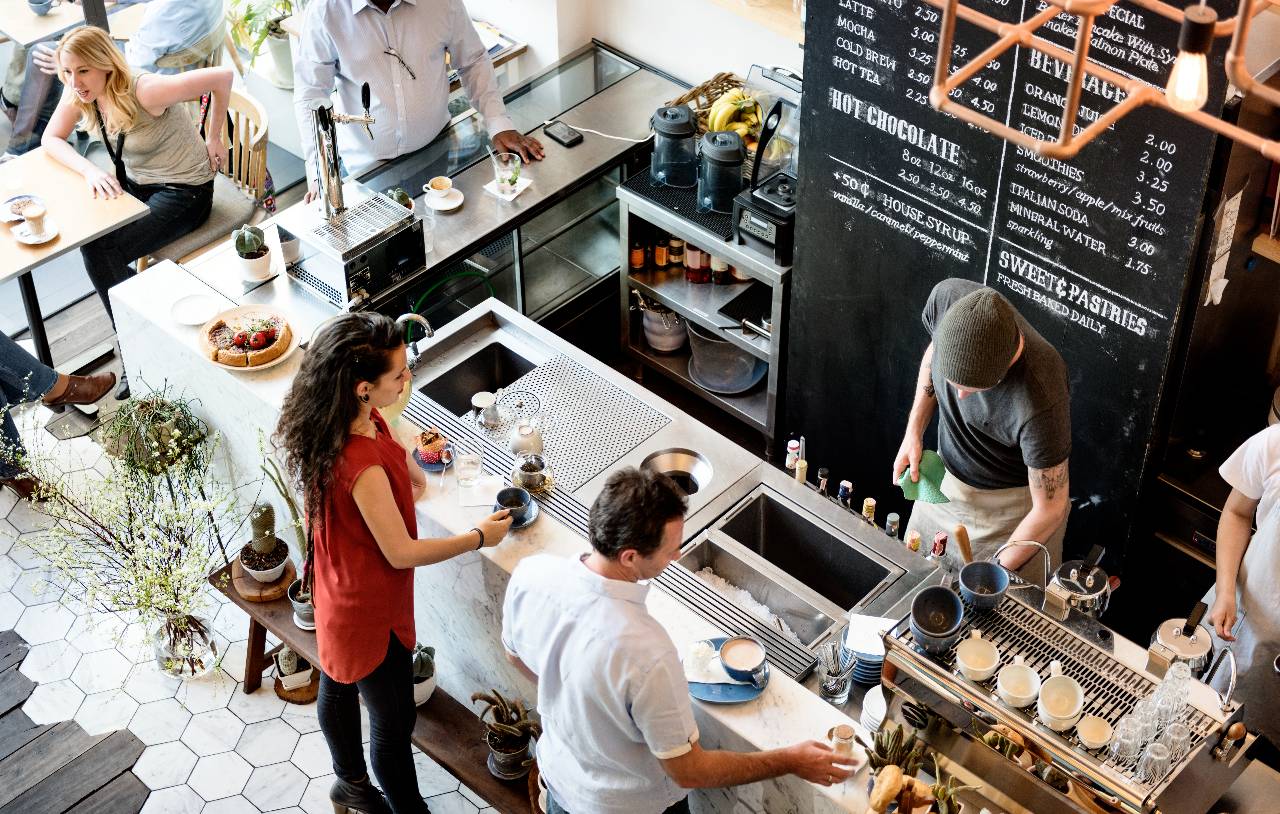
How Much Does It Cost to Open a Coffee Shop in 2026?
Opening a coffee shop in 2026 requires careful cost planning across rent, equipment, labor, technology, menu strategy, marketing, and sustainability.
operations
May 15, 2026
Opening a coffee shop in 2026 requires careful cost planning across rent, equipment, labor, technology, menu strategy, marketing, and sustainability.
May 15, 2026
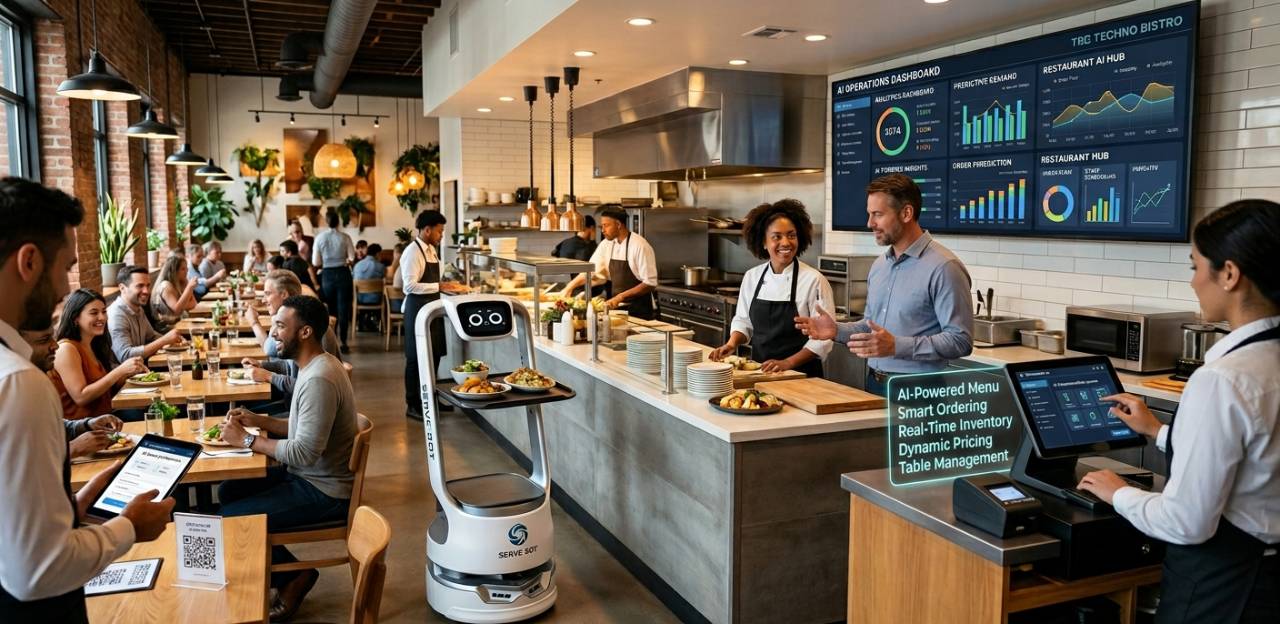
This AI playbook covers restaurant tools for voice ordering, staffing, compliance, menu pricing, inventory, marketing, ChatGPT prompts, and SEO.
May 15, 2026
Hardee’s giant Boddie-Noell inks 31-unit Scooter’s Coffee deal for NC and VA, leveraging drive-thru growth and local roots with rollout over 12–18 months.
May 15, 2026
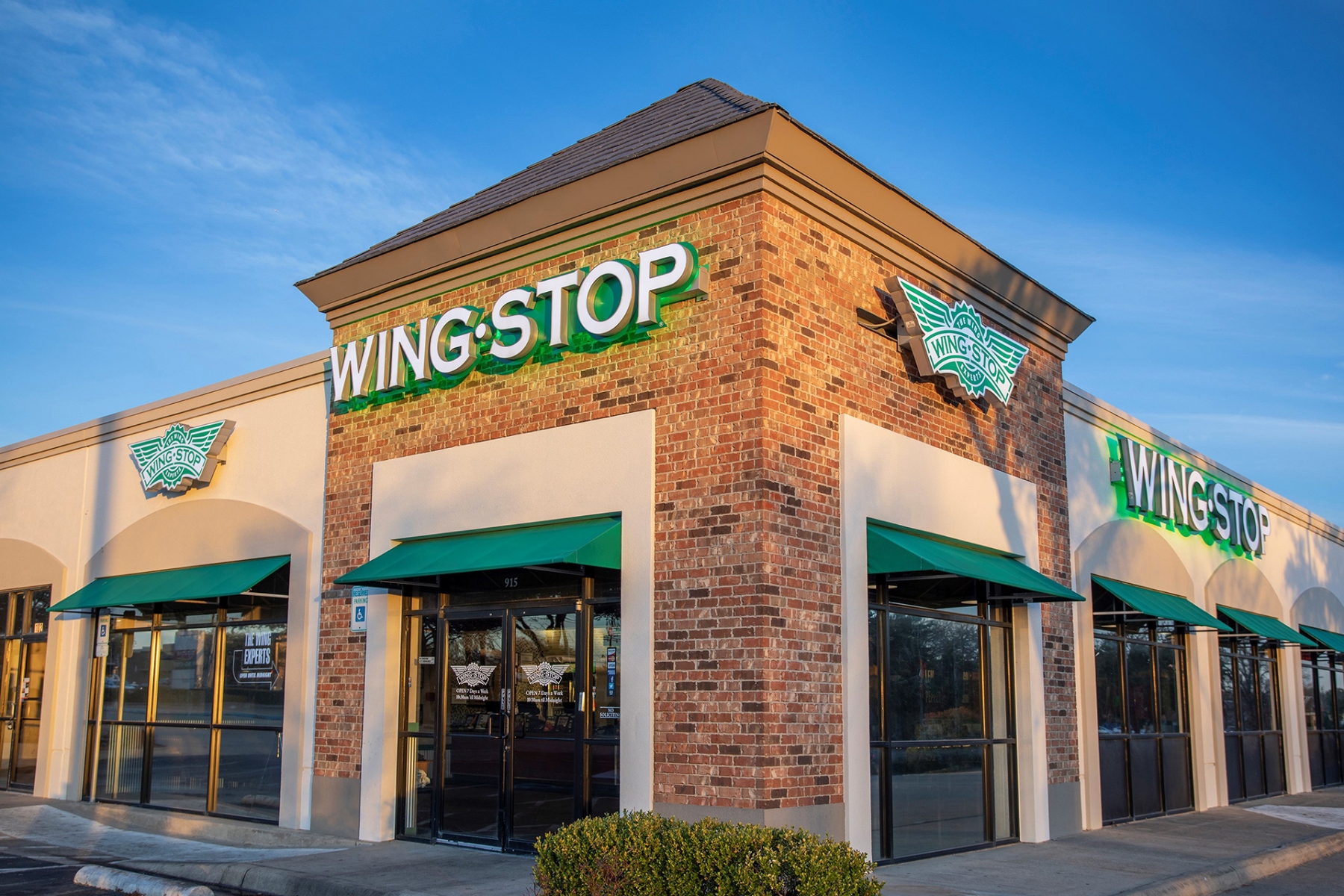
Wingstop turns match weeks into a multi-sensory festival, aligning bold pop-ups with World Cup energy to build brand affinity and measurable momentum.
May 15, 2026
The parent company behind Dunkin', Buffalo Wild Wings, and Arby's has filed for an IPO a move that could reshape how Wall Street views the restaurant sector.
May 15, 2026
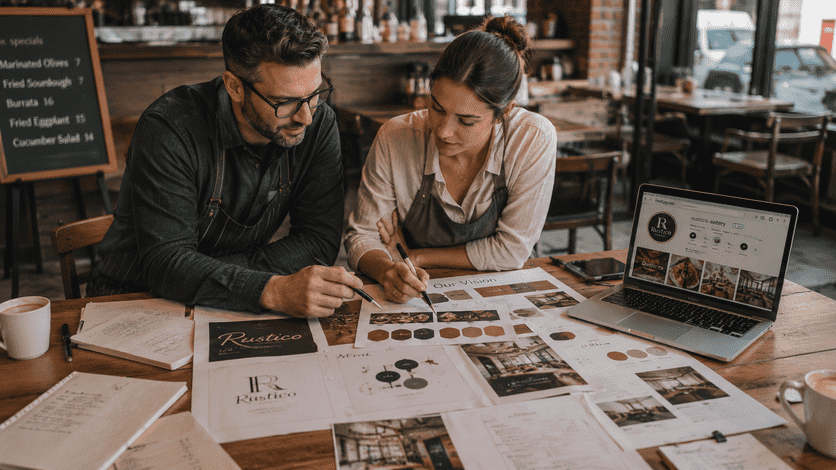
Learn how to develop a memorable restaurant brand identity that stands out in a crowded market, attracts loyal customers, and drives repeat business with actionable strategies and affordable tools.
May 15, 2026
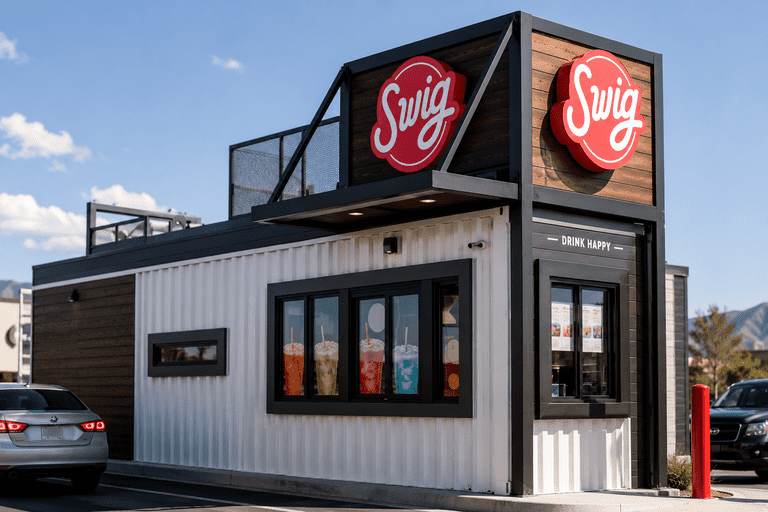
Dirty soda chain Swig is expanding into Colorado through a 10-unit franchise deal, riding a consumer beverage trend that's catching the attention of major QSR players nationwide.
May 15, 2026
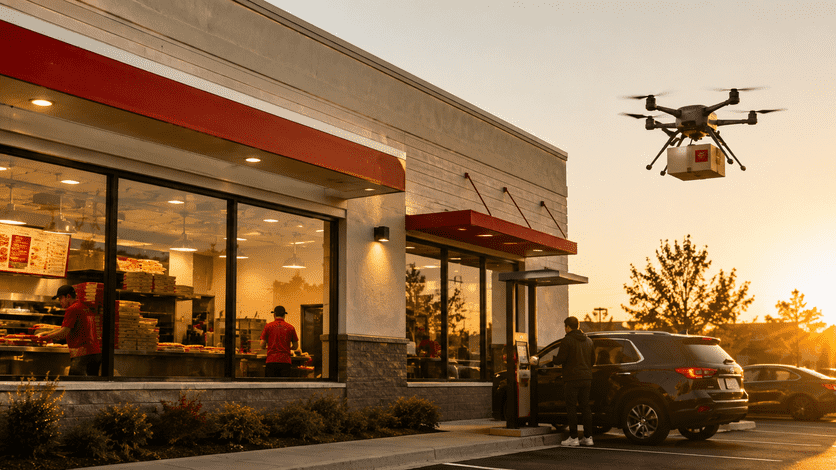
Papa Johns has teamed up with Alphabet's Wing for drone delivery of its new sandwich lineup in parts of Charlotte marking the first partnership of its kind between Wing and a national QSR brand.
May 15, 2026
A warm, expert-led look at McDonald’s Q1 results, menu makeover, and the refranchise question shaping its growth.
May 14, 2026
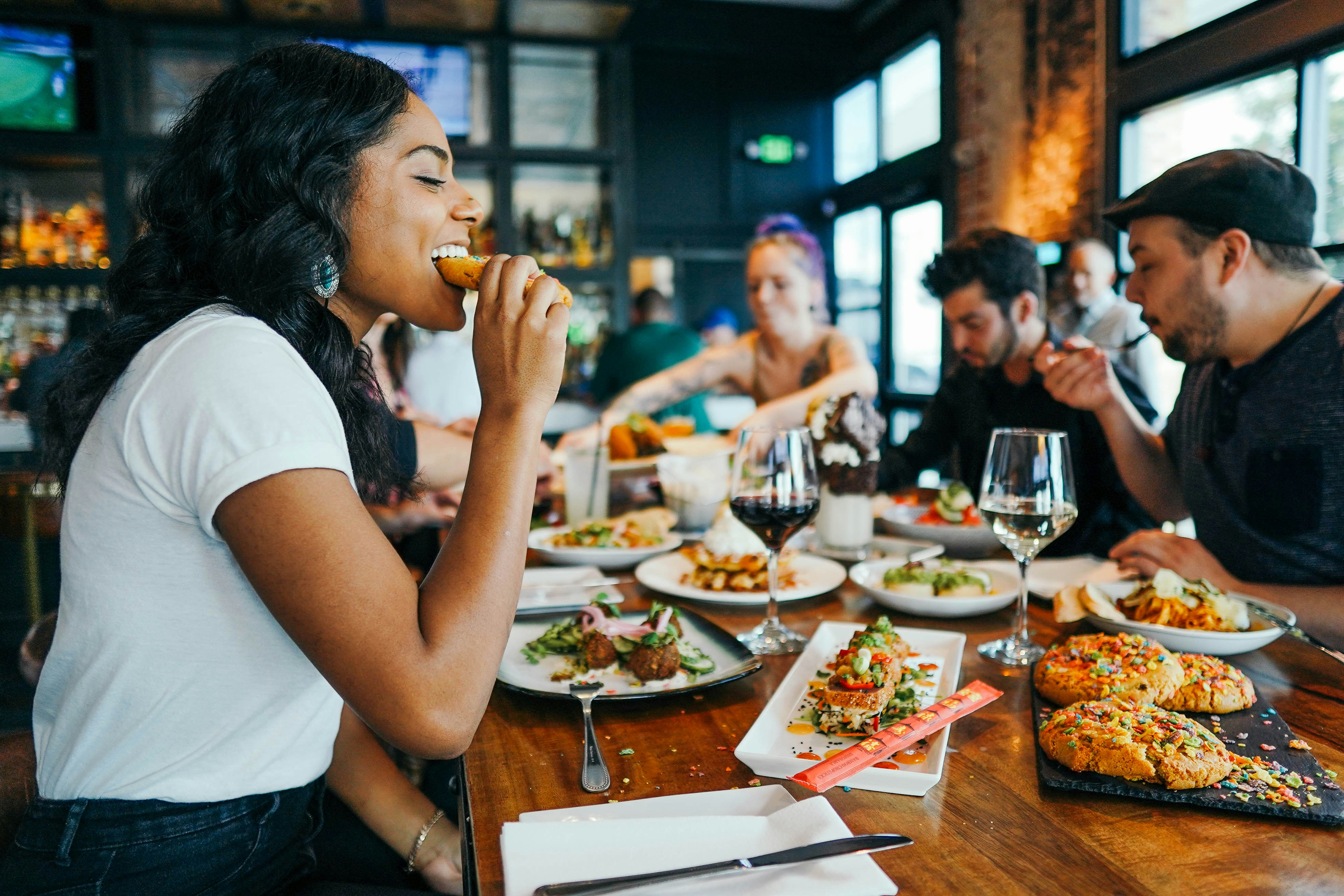
A reflective look at Habit Ranch, its immersive desert activation, and what it signals for brand loyalty and mindful, experiential dining.
May 14, 2026

Unlock Exclusive Access To Webinars, Events, And The Latest News For Free!
Mid-sized Surcheros pivots under Jami Kimbrough, aligning brand, menu, and ops to push toward a 100-unit horizon.

Photo by Jarritos Mexican Soda
Surcheros Fresh Mex wasn’t a blank slate, but it wasn’t cruising either. A Southern Tex-Mex concept with 25 units needed direction, not lipstick. Jami Horowitz Kimbrough arrived carrying a blend of big-brand discipline and hands-on thrift—the kind that turns tight budgets into growth. The mission was a real repositioning: tighten the system, sharpen the brand voice, and use data to power a scalable expansion. It wasn’t about a flashy campaign; it was about changing how the brand behaves—as a guest encounters it, online and in the kitchen. The Nashville push would test whether this engine could move a mid-sized chain toward scale.
“eager to hop on his wagon and take the journey with him to grow the brand.” That sentiment followed her to the table when she joined founder Luke Christian, and it translated into a tangible plan: a seven-unit development deal in Nashville as the first concrete step. In July 2024, Surcheros announced its first franchise deal in Tennessee with WilCo Fresh Mex, LLC, setting seven new units in the Nashville market. This wasn’t just a recruitment; it was a proof point that a mid-sized concept could be advanced with a local partner and a disciplined growth engine.
Brand mechanics became the first battleground. Early work focused on aligning representation across locations, updating signage, and securing organizational buy-in for a broader repositioning. The plan rolled out in layers: guest segmentation, a refreshed visual identity with new colors, a modern logo, and accent illustrations; a sharper brand tone; and an off-premises strategy designed to grow via delivery and digital channels. The menu would follow, guided by product-mix analysis tied to financial goals and guest needs. This was more than marketing; it was a systems project: translate the Fresh Mex promise into every touchpoint, from the website to the counter, with profitability in view.
“What Surcheros hasn’t had the bandwidth to do yet is dig deeper into our product mix and design our menu in a way that supports our financial goals while also meeting the needs of our guests.” Kimbrough explained. That mindset extended into R&D for profitable catering and desserts that don’t require freezing, reinforcing the idea of fresh, authentic food. A revamp of the loyalty program, plus a digital refresh to support on-demand ordering and data-driven guest engagement, followed. In short, the brand was being rebuilt as a living system: disciplined product development aligned to operations and a marketing engine that serves the menu, not the other way around.
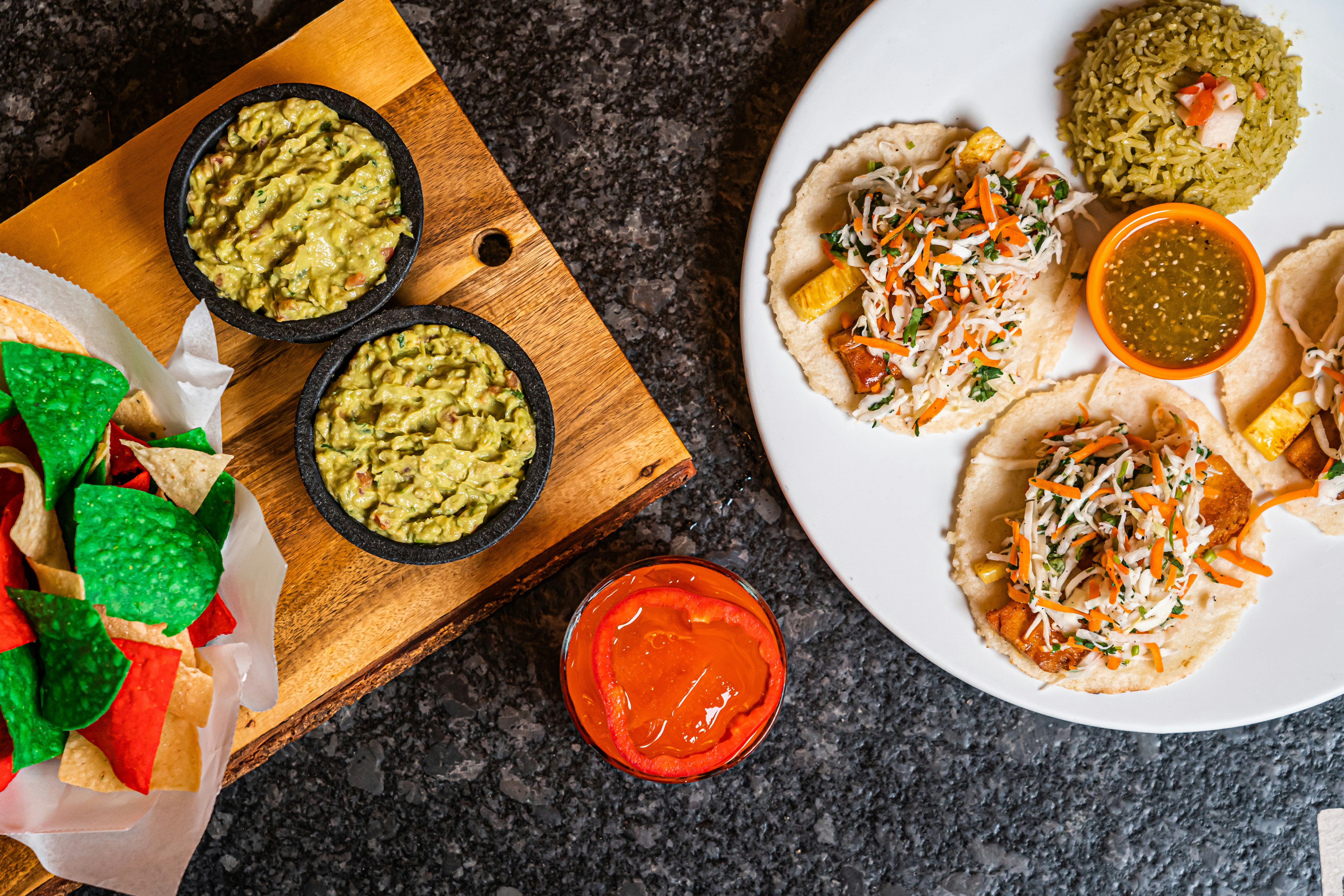
Early feedback suggests guests notice the shift. A stronger emphasis on fresh, daily-made food and a more guest-focused experience is resonating in line at the counter and in online chatter. Third-party channels are delivering measurable benefits, especially when paired with loyalty-driven conversion and post-purchase engagement. The partnership with delivery platforms—DoorDash among them—extends reach and order frequency, reinforcing the brand’s focus on freshness and hospitality. The customer voice is shaping tweaks to the menu and service, while operations tighten delivery windows and digital ordering.
Industry observers frame Surcheros as part of a broader pattern: smaller, growth-oriented chains lean into targeted marketing to accelerate scale. QSR Magazine has tracked the momentum from a 25-unit base to a multi-market footprint, with 40-plus locations reported in 2025. The trajectory hinges on disciplined menu development, a sophisticated loyalty program, and delivery-channel optimization—areas where Surcheros has chosen to invest. This isn’t a one-off story; it’s a deliberate growth narrative that ties brand, product, and unit economics into a coherent arc.
The Nashville expansion was anchored in a seven-unit development agreement in 2024, a move that framed a regional platform. The first Tennessee location opened at Tanger Outlets Nashville in October 2024, marking the brand’s official entry to the state. Since then, Surcheros has signaled additional openings in Murfreesboro and , with a broader pipeline and a cadence of openings that industry outlets describe as a stepwise path to double-digit unit growth in 2025 and beyond. The long-run ambition remains firm: reach 100 restaurants within five years, powered by brand discipline, supply-chain reliability, and a tightly focused marketing engine.
Executives emphasize disciplined execution alongside bold storytelling. The playbook centers on aligning marketing with product design and operations, preserving a hospitable, homegrown culture while scaling. The Nashville deal, the October 2024 opening, and ongoing chatter about Mt. Juliet and Augusta through 2026 stand as a real-world test case for a mid-sized brand navigating regional rollout without sacrificing brand integrity or guest loyalty.
The Southeast is a proving ground for emergent fast-casuals. Surcheros sits in a wave of brands using light-to-midcapital investments and data-driven marketing to lift unit economics. QSR Magazine tracks the momentum from 25 units toward a multi-market footprint, with 40-plus locations by 2025. The strategy leans on disciplined menu development, a smarter loyalty program, and delivery-channel optimization—areas where Surcheros has chosen to invest to sustain scale.
Implications for the Fresh Mex Frontier are clear: if momentum holds, Surcheros could become a defining example of how mid-sized concepts leverage a focused repositioning into fast-casual leadership. The Fresh Mex promise—daily preparation, guest focus, and a differentiated menu—offers a scalable scaffold for new markets with the right franchise partners and supply-chain heft. Jami Kimbrough’s blend of big-brand rigor and hands-on leadership matters, proving that marketing alignment with product and operations is the backbone of growth. The Nashville opening and ongoing expansions will stress-test that model through 2026 and beyond.