How Much Does It Cost to Open a Coffee Shop in 2026?
Opening a coffee shop in 2026 requires careful cost planning across rent, equipment, labor, technology, menu strategy, marketing, and sustainability.
operations
May 15, 2026
Opening a coffee shop in 2026 requires careful cost planning across rent, equipment, labor, technology, menu strategy, marketing, and sustainability.
May 15, 2026
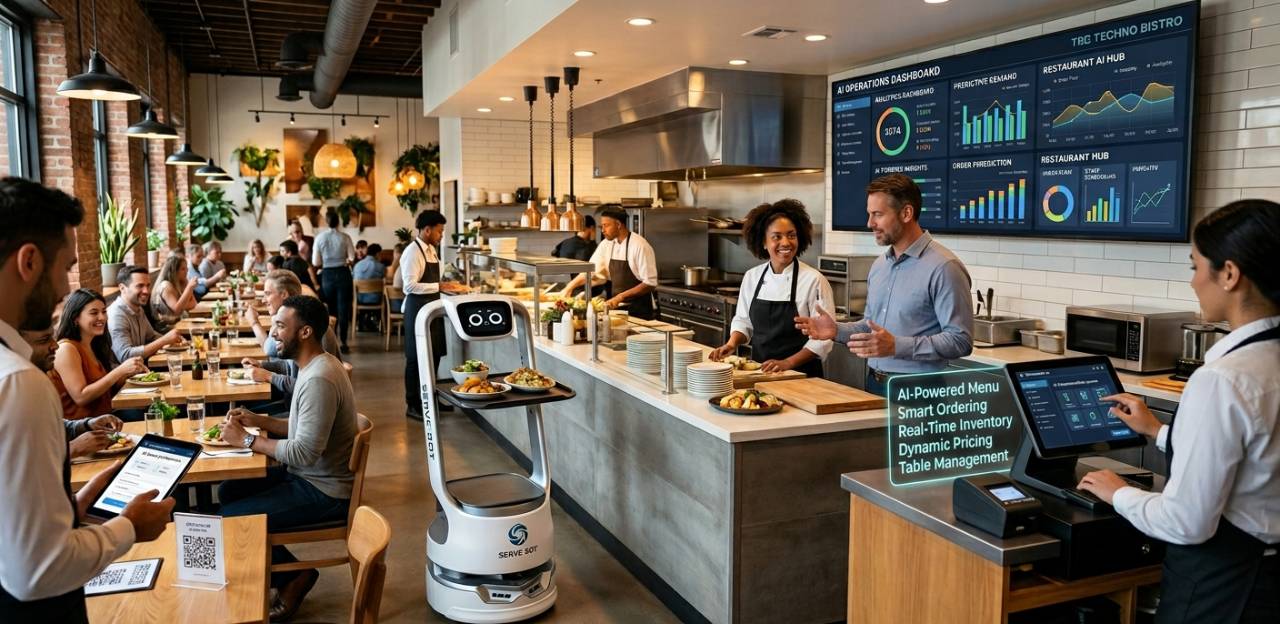
This AI playbook covers restaurant tools for voice ordering, staffing, compliance, menu pricing, inventory, marketing, ChatGPT prompts, and SEO.
May 15, 2026
Hardee’s giant Boddie-Noell inks 31-unit Scooter’s Coffee deal for NC and VA, leveraging drive-thru growth and local roots with rollout over 12–18 months.
May 15, 2026
Wingstop turns match weeks into a multi-sensory festival, aligning bold pop-ups with World Cup energy to build brand affinity and measurable momentum.
May 15, 2026
The parent company behind Dunkin', Buffalo Wild Wings, and Arby's has filed for an IPO a move that could reshape how Wall Street views the restaurant sector.
May 15, 2026
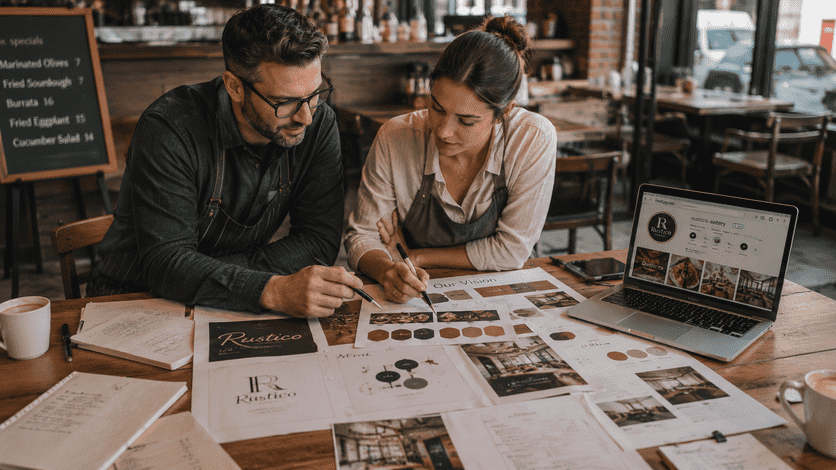
Learn how to develop a memorable restaurant brand identity that stands out in a crowded market, attracts loyal customers, and drives repeat business with actionable strategies and affordable tools.
May 15, 2026
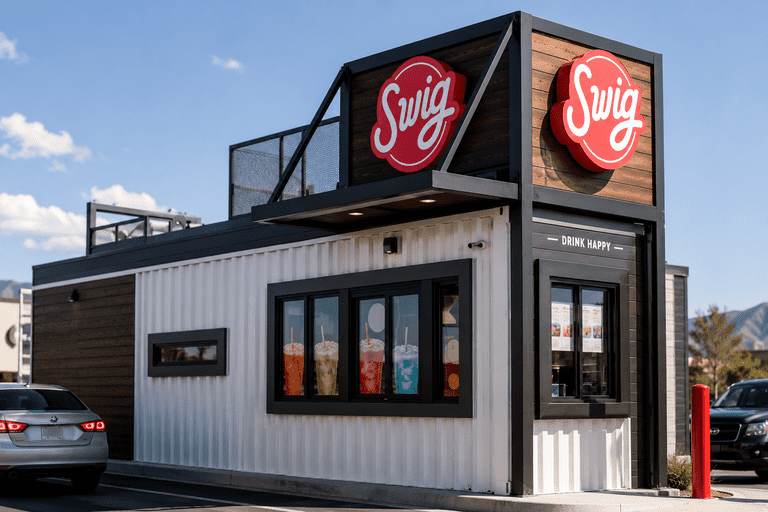
Dirty soda chain Swig is expanding into Colorado through a 10-unit franchise deal, riding a consumer beverage trend that's catching the attention of major QSR players nationwide.
May 15, 2026
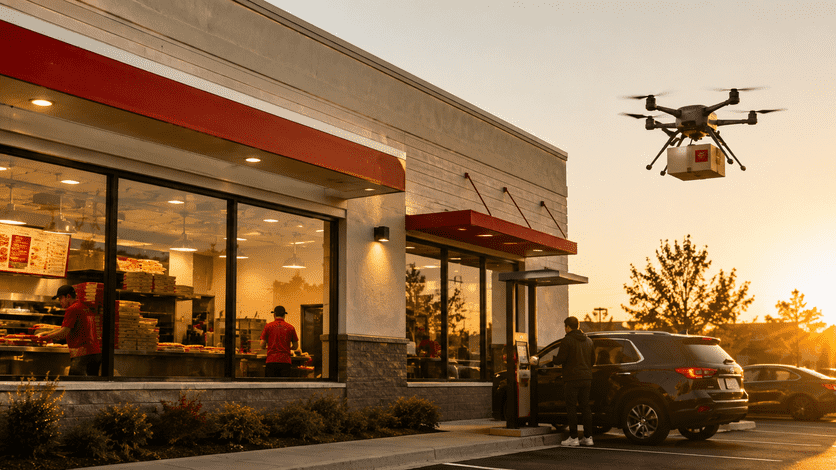
Papa Johns has teamed up with Alphabet's Wing for drone delivery of its new sandwich lineup in parts of Charlotte marking the first partnership of its kind between Wing and a national QSR brand.
May 15, 2026
A warm, expert-led look at McDonald’s Q1 results, menu makeover, and the refranchise question shaping its growth.
May 14, 2026
A reflective look at Habit Ranch, its immersive desert activation, and what it signals for brand loyalty and mindful, experiential dining.
May 14, 2026

Unlock Exclusive Access To Webinars, Events, And The Latest News For Free!
A founder-first culture guides Texas Roadhouse’s ascent, balancing heritage with measured modernization through an owner-operator model and local hospitality.
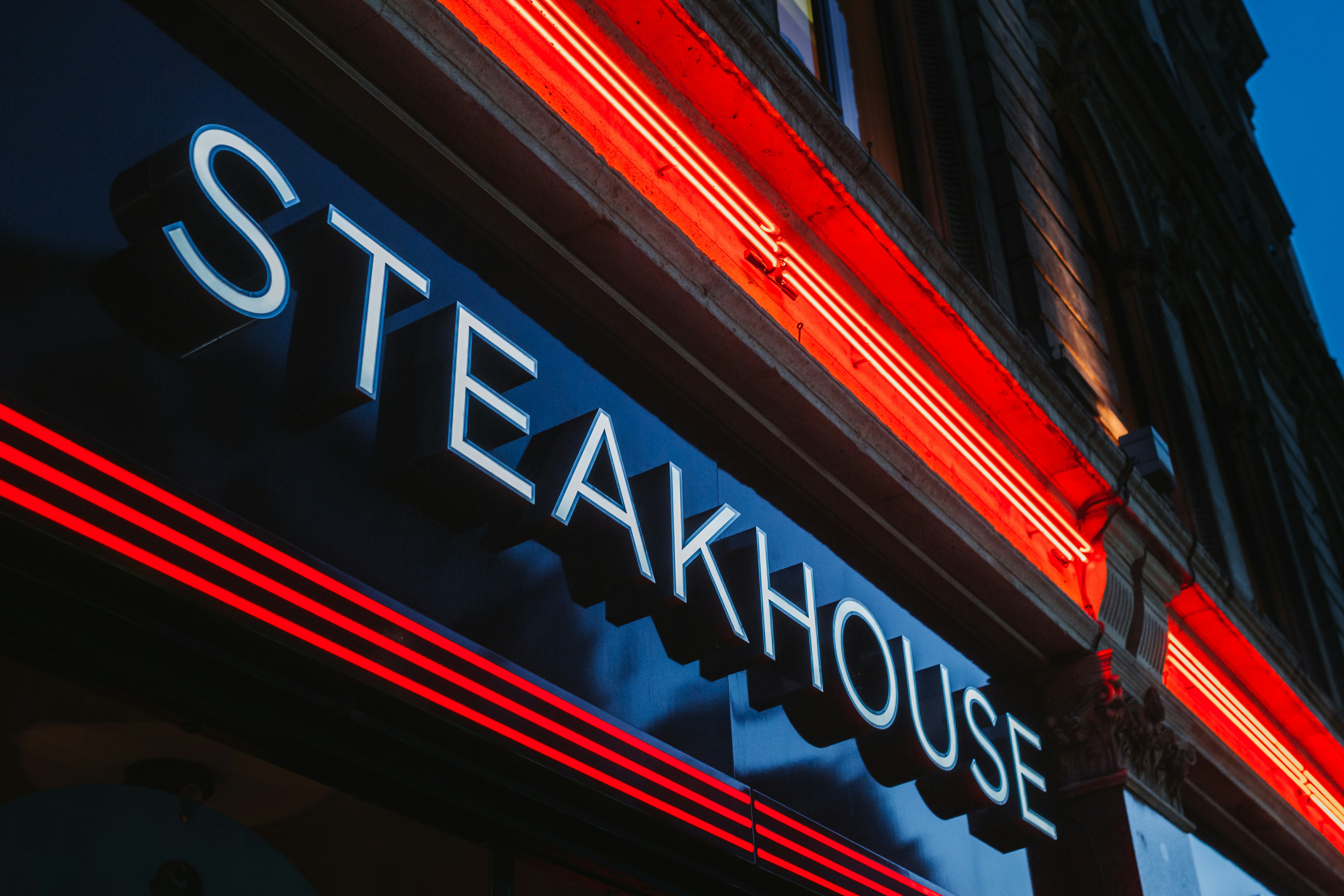
Photo by Bruno Martins
On a bright September afternoon, a converted industrial space in Louisville hummed with quiet anticipation. Roadies—Texas Roadhouse employees—poured in for Founder’s Day, a celebration that felt more like a homecoming than a corporate gathering. Red, white, and blue bunting framed the room, and a life-sized statue of Kent Taylor watched over the crowd, a playful reminder that the founder’s energy still animates daily life. Though rain had forced the day indoors, the mood remained warm and communal, as if the restaurant’s values—hospitality, care, and attention to detail—were being recited aloud in a soft, reassuring chorus. It set a tone for what came next:
Speakers painted a portrait of Kent Taylor as more than a founder—an ongoing presence in the halls and at the table. Living artifacts dotted the space: a towering statue, a caricature looming over the crowd in a cowboy hat, and a Willie Nelson–inspired braids version of the leader. A Hawaiian-shirted Taylor replica, a makeshift Budweiser crate briefcase, and even his final company email mounted on a wall teased memory with humor. Yet the message was clear: daily momentum, not memorial, guides the work. When a brand keeps its founder close, it keeps the work human, personal, and relentlessly guest-focused.
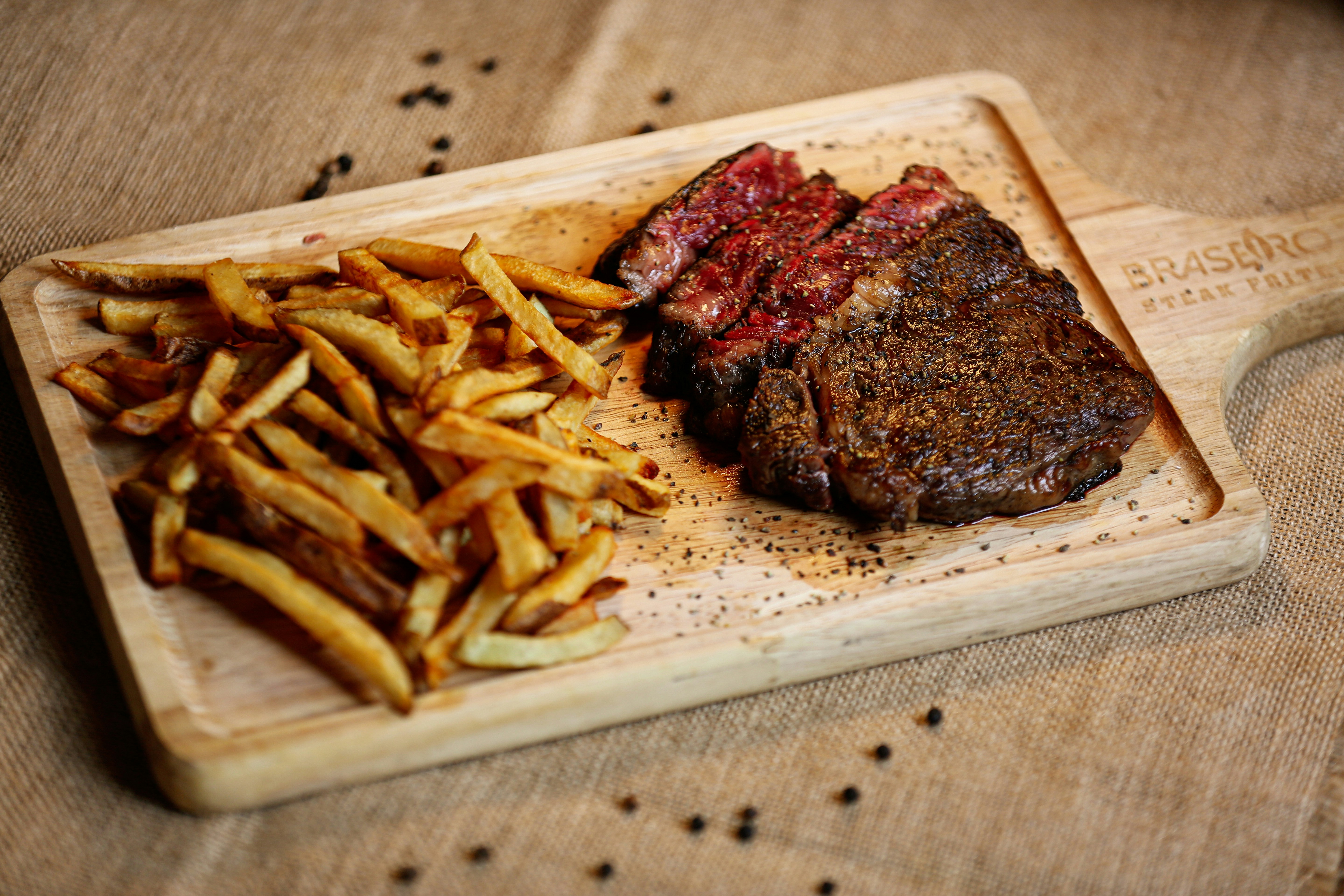
From Clarksville to Louisville, the North Star guiding Texas Roadhouse has been a people-first culture anchored in consistent, high-quality food and hospitality. The idea was simple enough to scale: lead with care, empower teams, and let service become a living tradition. As leaders say, culture must be visible in every store. That ethic—often described as servant leadership—became the brand’s compass even as markets shifted and customers demanded convenience. The Founder’s Day observance in 2024 underscored how a memory becomes daily discipline, turning legacy into everyday actions and decisions: a steady drumbeat that keeps the business moving forward.
Kent Taylor launched the journey in 1993, opening the first Texas Roadhouse in Clarksville, Indiana. The model blends hands-on leadership with an operating system designed to scale while protecting culture. After Taylor’s death in March 2021, the brand spoke of continuity rather than rupture, a theme echoed by executives who describe culture as a practical, everyday instrument. The Louisville observance functioned as blueprint and reminder: a founder’s ethos remains the engine behind growth, guiding decisions across the network even as markets evolve.
Texas Roadhouse’s engine rests on an owner-operator framework that links personal stake to performance. Managing partners—recruited by regional market leaders—step into partial ownership by contributing $25,000 and, in return, retain roughly 10% of a store’s profits. The arrangement creates a tangible link between daily operations and long-term health, encouraging consistency in service, food, and discipline. Leadership favors local, community-based marketing over broad national campaigns, trusting the credibility of Roadies embedded in their neighborhoods to draw guests.
This equity-for-operational-focus design aligns incentives with enduring store vitality rather than pushy promotions. It also supports a deliberate avoidance of traditional national advertising, instead leaning on local relationships to sustain growth. In practice, owners are motivated to hire well, train rigorously, and nurture a culture of accountability—an arrangement that industry observers cite as a clear differentiator in casual dining.
Culture at Texas Roadhouse is not a slogan but a lived experience. Energetic service, deep employee investment, and timeless hospitality shape every guest encounter. The atmosphere feels loud with life—line dancing during service, birthday serenades, and a sense that every team member belongs to something larger than a shift. Roadies often wear I love my job shirts, a lighthearted badge of pride. The leadership frame is inverted—a form of servant leadership that prizes contribution over hierarchy, inviting people to grow with the brand while staying relentlessly guest-focused.
Behind the scenes, the company has pursued measured modernization: digital kitchen management systems to streamline prep and order flow, and a digital waitlist that lets guests join queues from mobile devices. Yet the core has remained steady—made-from-scratch cooking and a deliberate stance against relying on third-party delivery at scale. The result is a hospitality-driven experience where the menu and in-restaurant energy are the true differentiators in a crowded market.
Kent Taylor’s passing in 2021 began a test of leadership continuity. Jerry Morgan, who joined as a managing partner in 1997 and later became President and CEO, stepped into the top role with a mandate to honor the founder’s principles while guiding growth. He is joined by Regina Tobin, named President in 2023, a blend of long-tenured Roadies and new leadership. In Louisville, the campus remains a symbolic hub where Taylor’s likeness and memorabilia fuel daily inspiration and a sense of generosity. The cadence is practical: lead with authenticity, and measure progress in culture as much as numbers.
That governance language—genuine, honest expectations—frames a decade of steady evolution. The brand signals continuity through annual reports and governance disclosures, and through the playful closing “Yeehaw!” at the end of calls that keeps the founder’s spirit close. The result is leadership that treats succession not as an end but as ongoing practice, ensuring the continuity of Taylor’s ethos across restaurants and markets.
Industry observers have positioned Texas Roadhouse at the intersection of tradition and scalable growth.
Within public filings and industry analyses, a number of questions remain. The group shows a substantial footprint—666 company restaurants and 118 franchise restaurants in the United States and abroad as of December 31, 2024—signaling ongoing expansion and shifts in mix. Net-new store openings, pace of international growth, and the impact of higher input costs are all live variables. Analysts watch macro conditions, supply chains, and whether the guest experience at scale can stay as distinctive as in a single unit. Yet the overarching story remains: growth tethered to culture, not just quarters.