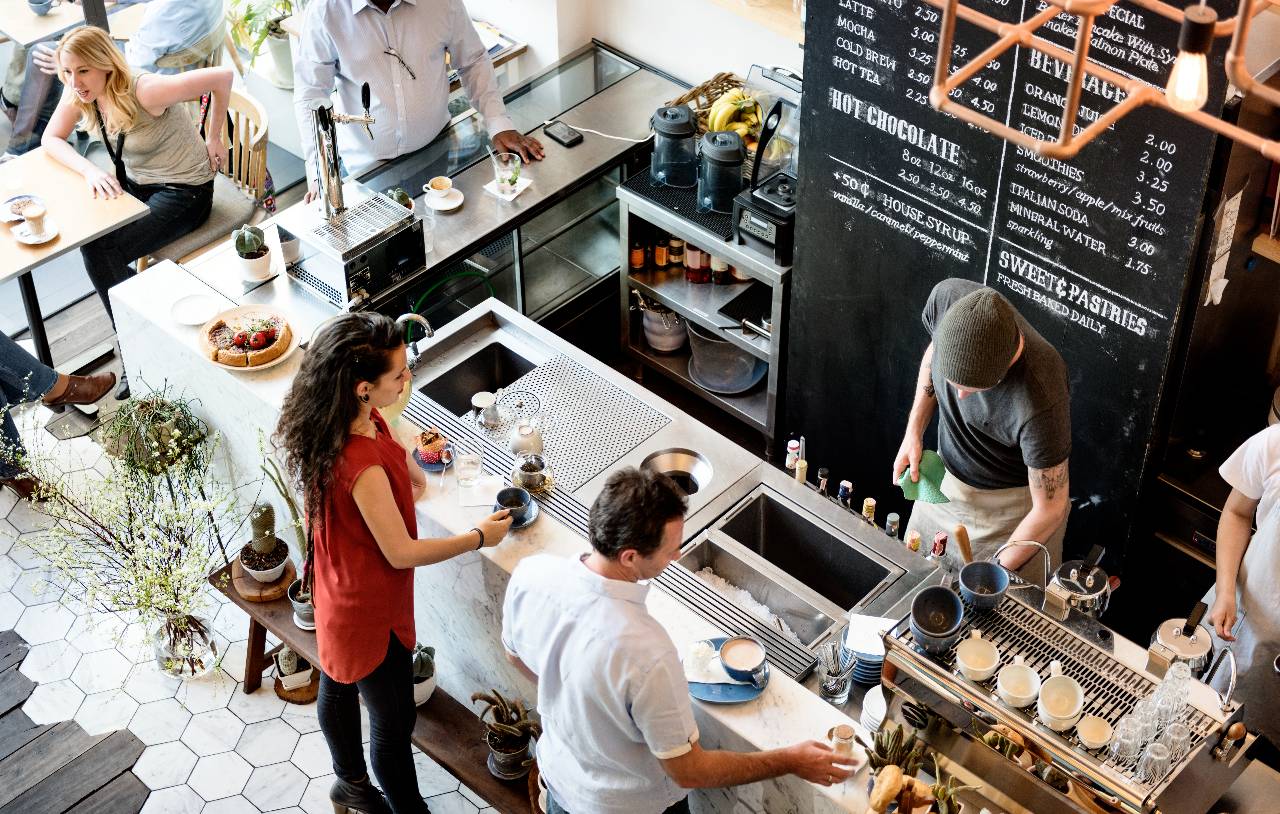
How Much Does It Cost to Open a Coffee Shop in 2026?
Opening a coffee shop in 2026 requires careful cost planning across rent, equipment, labor, technology, menu strategy, marketing, and sustainability.
operations
May 15, 2026
Opening a coffee shop in 2026 requires careful cost planning across rent, equipment, labor, technology, menu strategy, marketing, and sustainability.
May 15, 2026
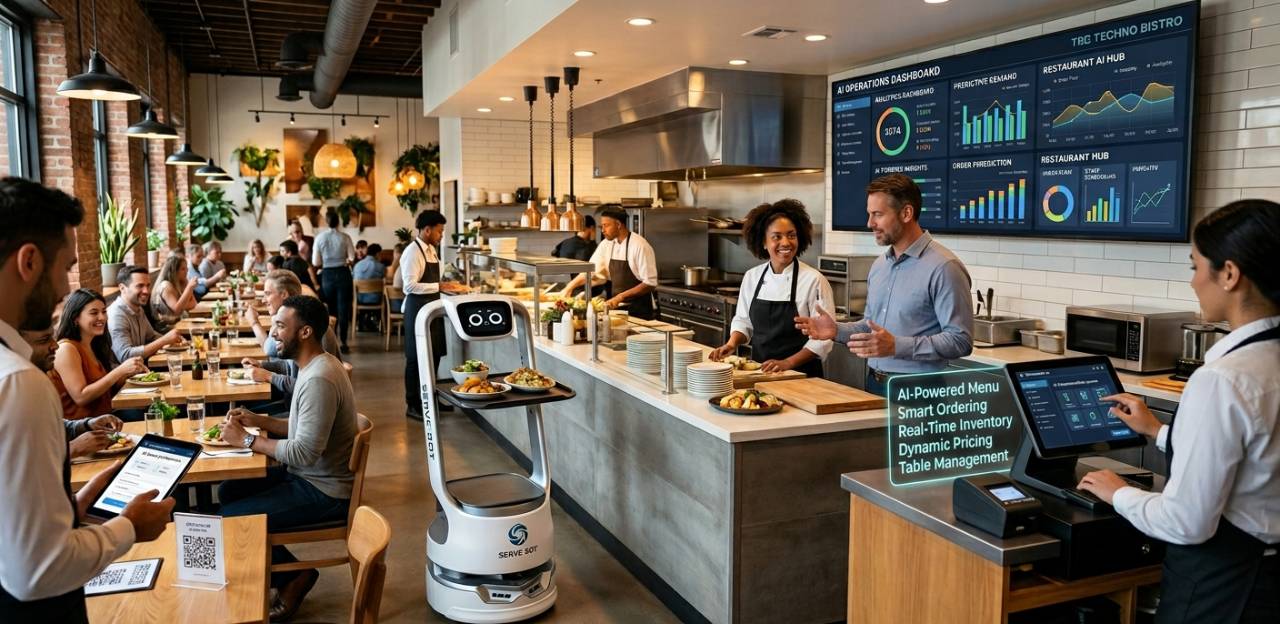
This AI playbook covers restaurant tools for voice ordering, staffing, compliance, menu pricing, inventory, marketing, ChatGPT prompts, and SEO.
May 15, 2026
Hardee’s giant Boddie-Noell inks 31-unit Scooter’s Coffee deal for NC and VA, leveraging drive-thru growth and local roots with rollout over 12–18 months.
May 15, 2026
Wingstop turns match weeks into a multi-sensory festival, aligning bold pop-ups with World Cup energy to build brand affinity and measurable momentum.
May 15, 2026
The parent company behind Dunkin', Buffalo Wild Wings, and Arby's has filed for an IPO a move that could reshape how Wall Street views the restaurant sector.
May 15, 2026
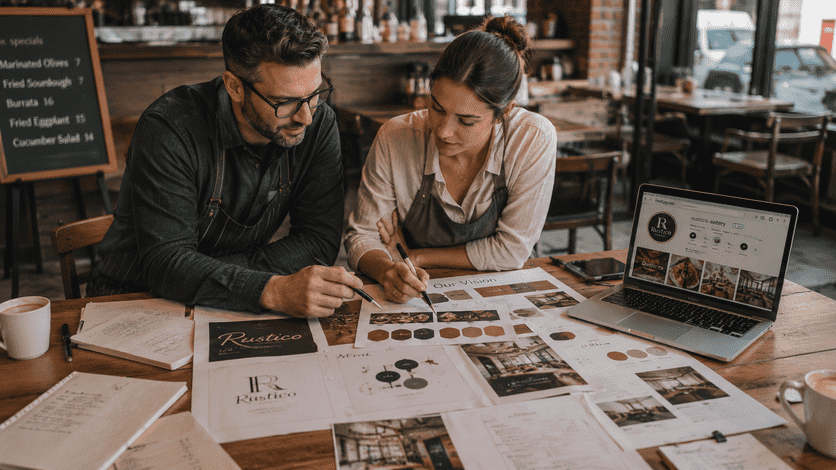
Learn how to develop a memorable restaurant brand identity that stands out in a crowded market, attracts loyal customers, and drives repeat business with actionable strategies and affordable tools.
May 15, 2026
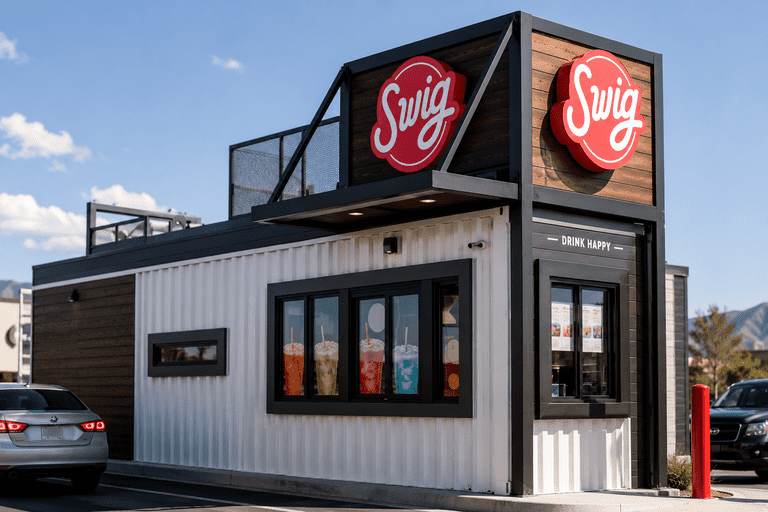
Dirty soda chain Swig is expanding into Colorado through a 10-unit franchise deal, riding a consumer beverage trend that's catching the attention of major QSR players nationwide.
May 15, 2026
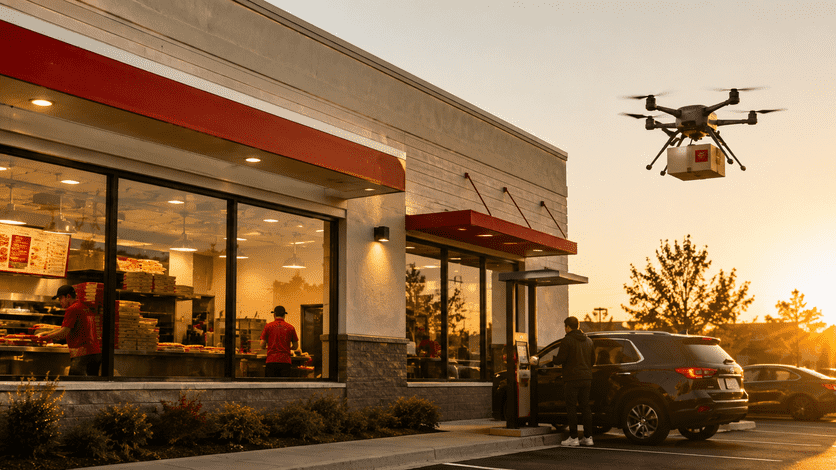
Papa Johns has teamed up with Alphabet's Wing for drone delivery of its new sandwich lineup in parts of Charlotte marking the first partnership of its kind between Wing and a national QSR brand.
May 15, 2026
A warm, expert-led look at McDonald’s Q1 results, menu makeover, and the refranchise question shaping its growth.
May 14, 2026
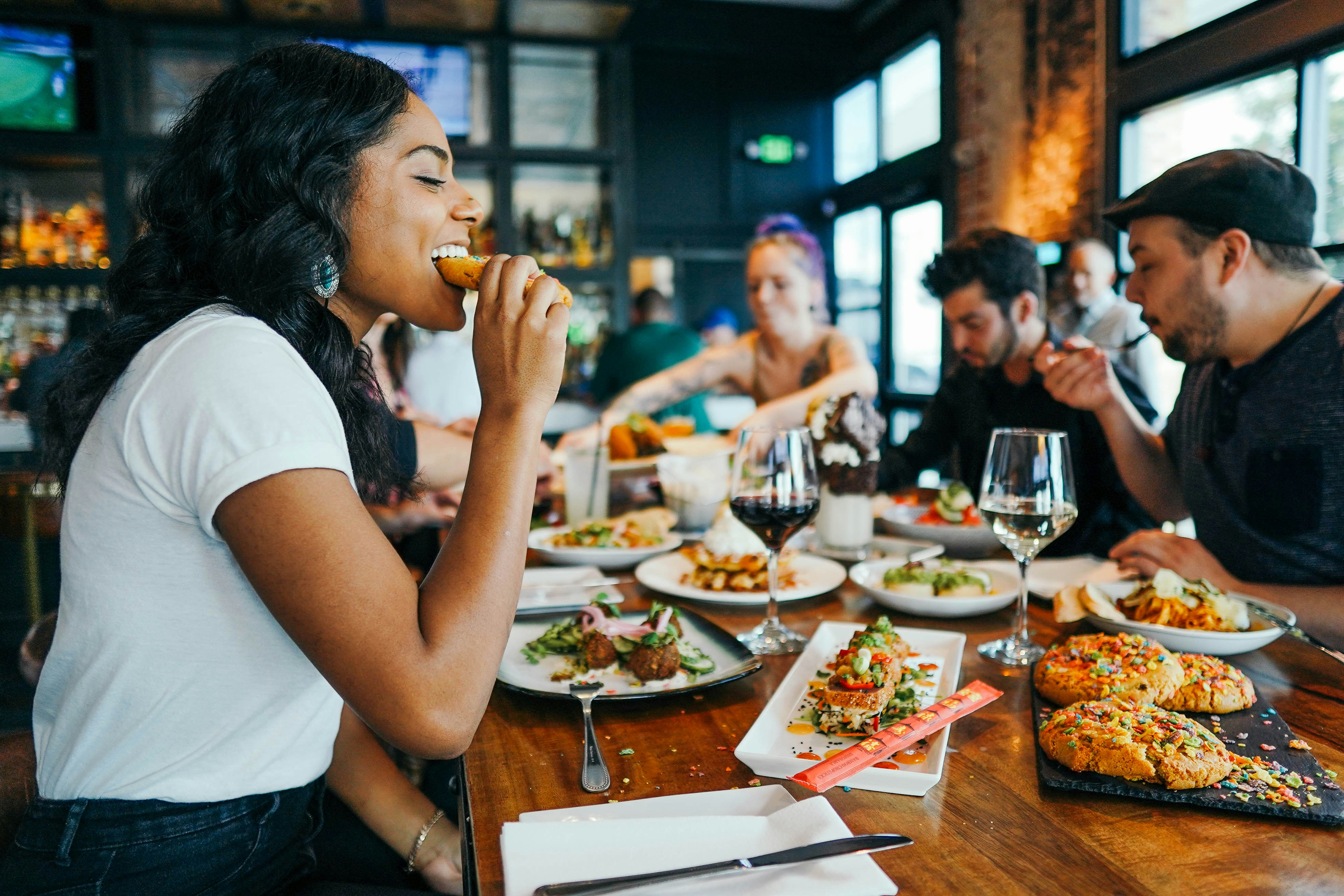
A reflective look at Habit Ranch, its immersive desert activation, and what it signals for brand loyalty and mindful, experiential dining.
May 14, 2026

Unlock Exclusive Access To Webinars, Events, And The Latest News For Free!
Tender Greens and Tocaya confront post‑pandemic headwinds from off‑premise dining, debt, and fading urban foot traffic, reshaping fast‑casual economics.
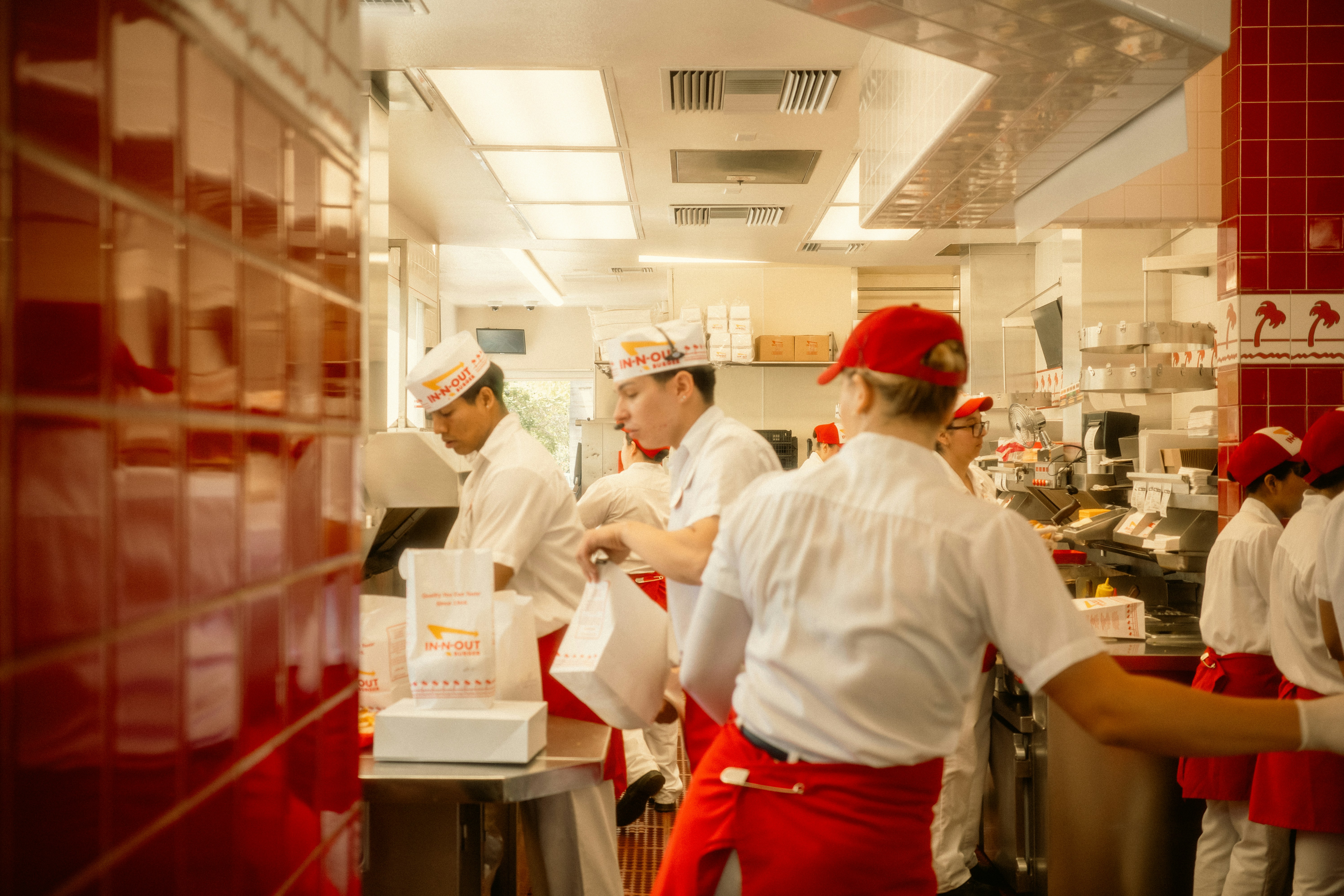
Photo by Fabio Sasso
In California's sunlit streets and glass-front lobbies, two names — Tender Greens and Tocaya Organica — once moved with the steady pulse of office workers and weekday lunch rituals. Those rhythms softened after the pandemic, and in the years that followed, urban foot traffic never fully rebounded. The vibe of downtowns shifted toward a gentler pace, a mood that invites lingering rather than brisk purchases. The café window glows with the promise of a quiet conversation over bright bowls, and yet the street outside feels more patient than bustling. This is where the story turns:
Data points crystallize the mood. Tender Greens posted an average unit volume of $3.4 million in 2019, slipped to $2.3 million in 2020, and partially rebounded to $2.9 million by 2023. A parallel arc for Tocaya Organica tracked from $3.4 million in 2019 to $2.1 million in 2023. Four‑wall margins followed suit: 16% before COVID‑19 faded to 9.4% for Tender Greens, while Tocaya’s margins shrank from 13.1% to 1.6%. The core challenge remains the persistent drop in urban foot traffic, particularly in California and Arizona downtown cores. Recovery, for now, remains fragile.
Turning toward the mechanics behind the slowdown, the shift to off‑premise dining has become a defining thread. Third‑party takeout and delivery now account for roughly 30% to 40% of company sales, a share that sounds promising until you see the cost behind it. Commissions run between 15% and 18% depending on the platform, and packaging adds another 4%, all of which erode margins because prices can’t be raised without denting demand. The biology of this revenue path creates a wary loop: more delivery, lower margins, and ongoing discounting that feeds demand only at the expense of profitability.
Delivery partnerships also shaped revenue realities in ways that proved double‑edged. From 2021 to 2023, Tender Greens and Tocaya operated under exclusive agreements with Uber Eats and Postmates that included a sales volume guarantee. In practice, platforms offered aggressive price discounts to meet targets, at times making delivery cheaper than dining in and putting further pressure on profitability. The arrangement is reflected in court filings and platform disclosures, underscoring a core tension between growth through delivery and the need to protect margins.
Viewed through the lens of filings, the stress rippled into the legal arena. In Delaware, Tender Greens OpCo, LLC filed for Chapter 11 on July 17, 2024, signaling a formal restructuring path. Earlier, Rubio’s Coastal Grill filed for Chapter 11 to facilitate a sale process on June 5, 2024. Tijuana Flats filed Chapter 11 on April 19, 2024 and later emerged in 2025, while Red Lobster sought relief on May 20, 2024 after a real estate strategy contributed to higher rents. The breadth of stress illustrates a sectorwide strain shaped by debt, wage pressures, and the costs of delivery and space.
Industry observers describe a shifting profitability calculus: stores sit within capital‑intense real estate portfolios, and lenders are rethinking aggressive expansion. The bankruptcy wave and the accompanying cost dynamics reveal a market where growth at any price is not a guaranteed path to success. Even as demand for fast casual persists, the route to sustainable profits now requires careful realignment of assets, costs, and operating models across chains.
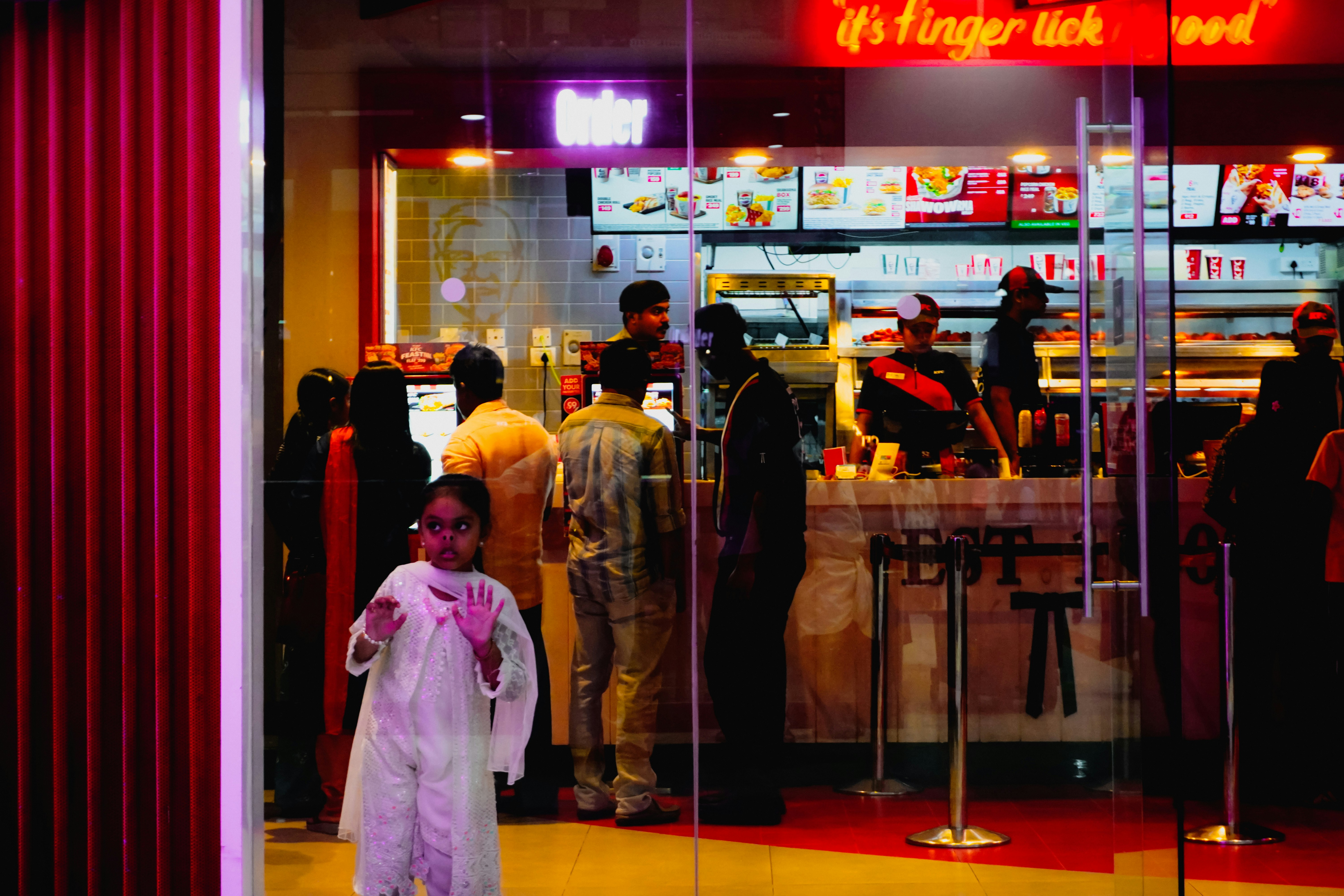
The episodes from 2024 into 2025 speak to a fundamental shift in fast‑casual economics. Chains must rethink reliance on dense urban foot traffic and steeply discounted off‑premise sales, balancing debt load and wage pressures with sustainable unit economics. Direct‑to‑consumer channels, tighter cost controls, and strategic capital decisions appear essential as the industry reframes growth in a post‑pandemic landscape. The road ahead invites gentler pacing, more patient partnerships, and a quieter confidence in the plan.
As sector participants recalibrate, the lessons from 2024–2025 will inform new models for expansion, partnerships, and store profitability in a world where delivery and labor costs remain central to the bottom line. The café’s simple act of serving a moment of ease becomes a quiet compass for a turbulent time.