
FT Undercover: Hotworx, YogaSix, Barre3 in Twin Cities
FT Undercover tests Hotworx, YogaSix and Barre3 in the Twin Cities, highlighting heat, coaching, pricing, and the FTC action involving Xponential Fitness.
franchising
Jun 4, 2026
FT Undercover tests Hotworx, YogaSix and Barre3 in the Twin Cities, highlighting heat, coaching, pricing, and the FTC action involving Xponential Fitness.
Jun 4, 2026
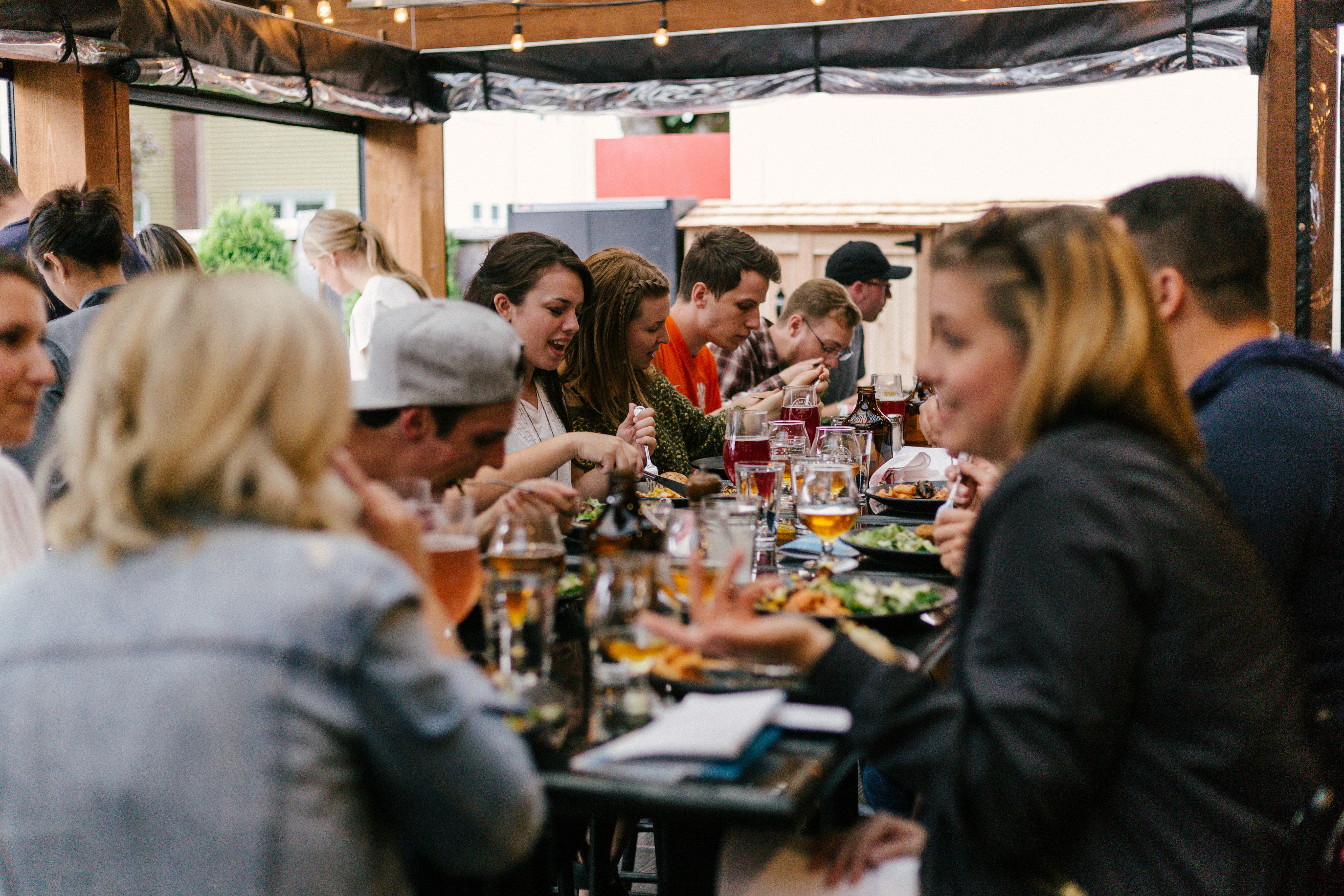
Qdoba secures $435M via whole business securitization to refinance debt, fund remodels and digital makelines, and fuel its push to ~2,000 units.
Jun 4, 2026
To file a clean, on-deadline restaurant trade piece, I need structured facts: names, dates, quotes, numbers, locations, timing, metrics, constraints, and verification.
Jun 4, 2026

Arts-first preschool chain Building Kidz continues U.S. expansion while facing a wrongful death suit and appealing a California penalty.
Jun 4, 2026

How to choose and configure equipment for consistent, scalable restaurant operations, with market data, AI trends, and energy-efficiency considerations.
Jun 4, 2026

Ice cream brand Salt & Straw explores a sale valuing it at $200M, tapping Piper Sandler as advisor while emphasizing culture, growth, and majority ownership.
Jun 4, 2026

Five Iron Golf launches cash simulator tournaments with a live app leaderboard, varied formats, and a $20,000 prize pool, backed by a Series E as national rollout accelerates.
Jun 4, 2026
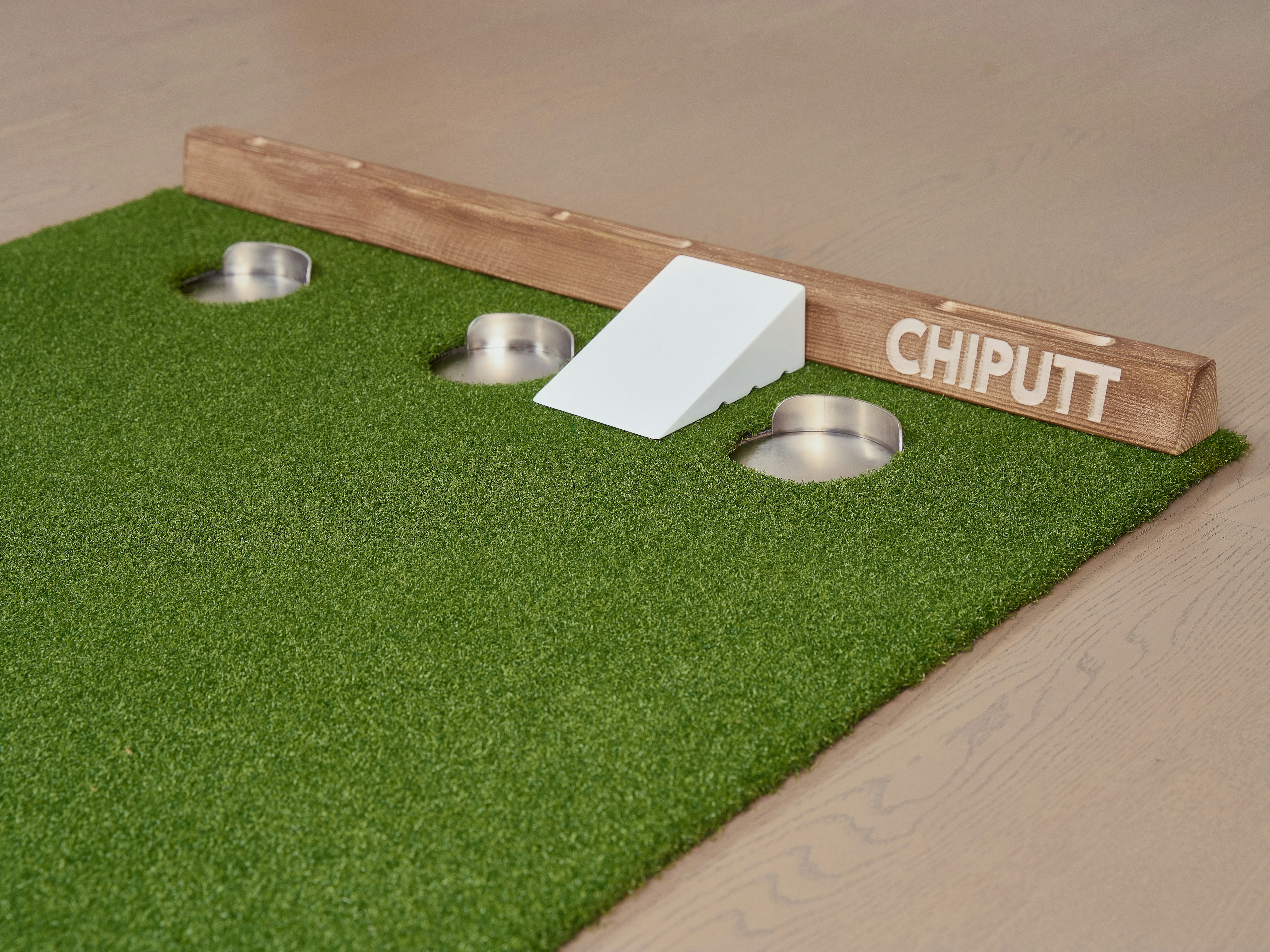
Indoor golf franchises scale as Callaway trims Topgolf, automation boosts margins, and demand accelerates across U.S. simulator chains.
Jun 4, 2026
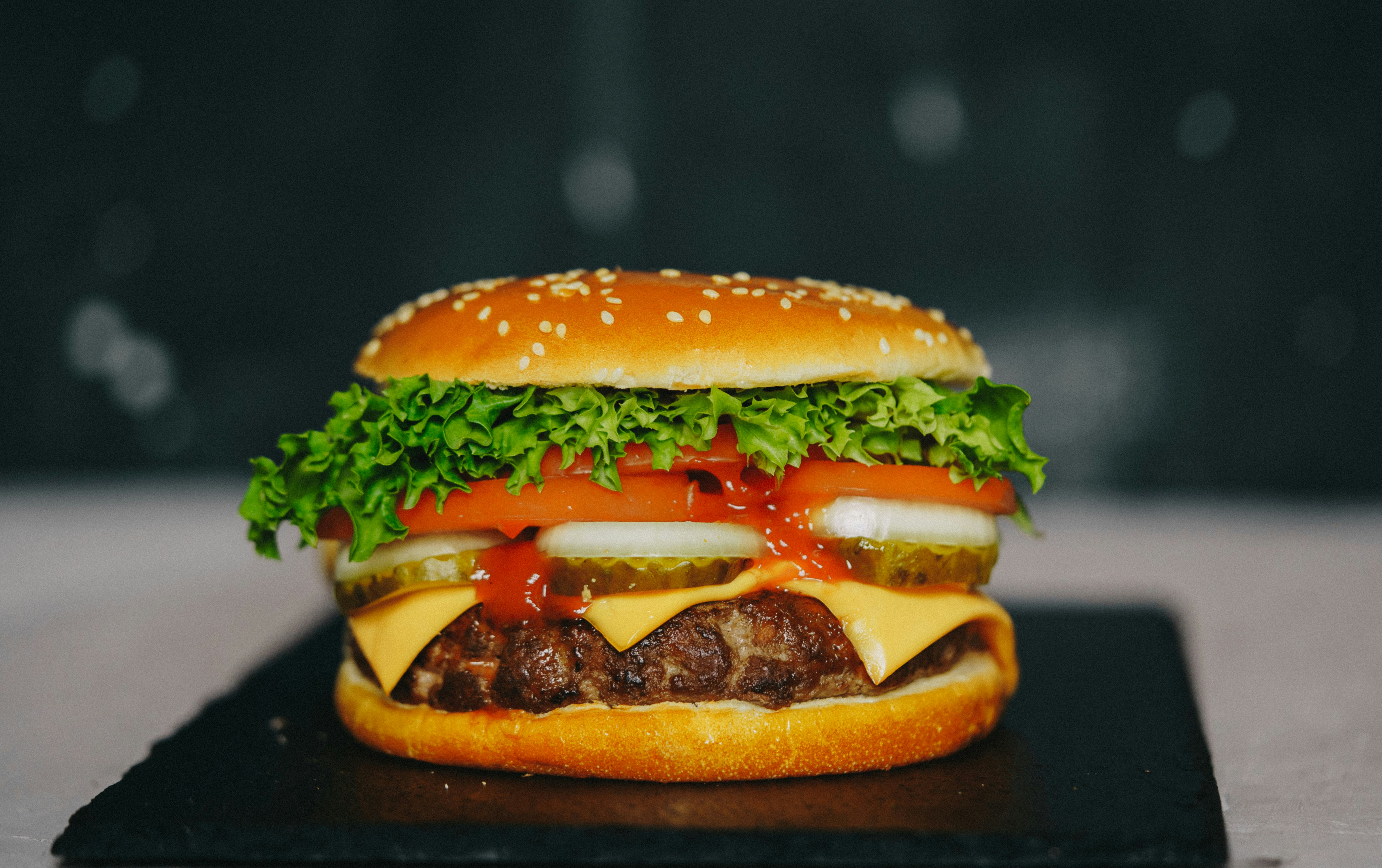
Big chains blend global flavors with familiar formats to drive traffic. Case studies from Shake Shack, Bobby’s, and Rōti, plus trend and performance data.
Jun 4, 2026
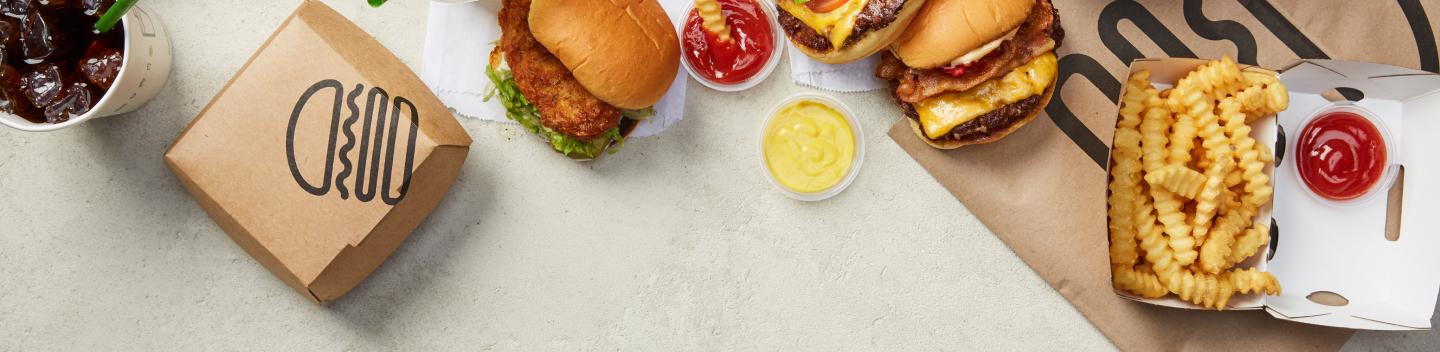
Shake Shack lowered Q2 and full-year guidance amid a value war and macro headwinds; shares fell 9% as analysts cut targets and the company tightened openings.
Jun 4, 2026

Unlock Exclusive Access To Webinars, Events, And The Latest News For Free!
When we think about food and safety, we probably imagine a world that's a little bit scary. If you want to learn more about this, keep reading to learn more about this topic.
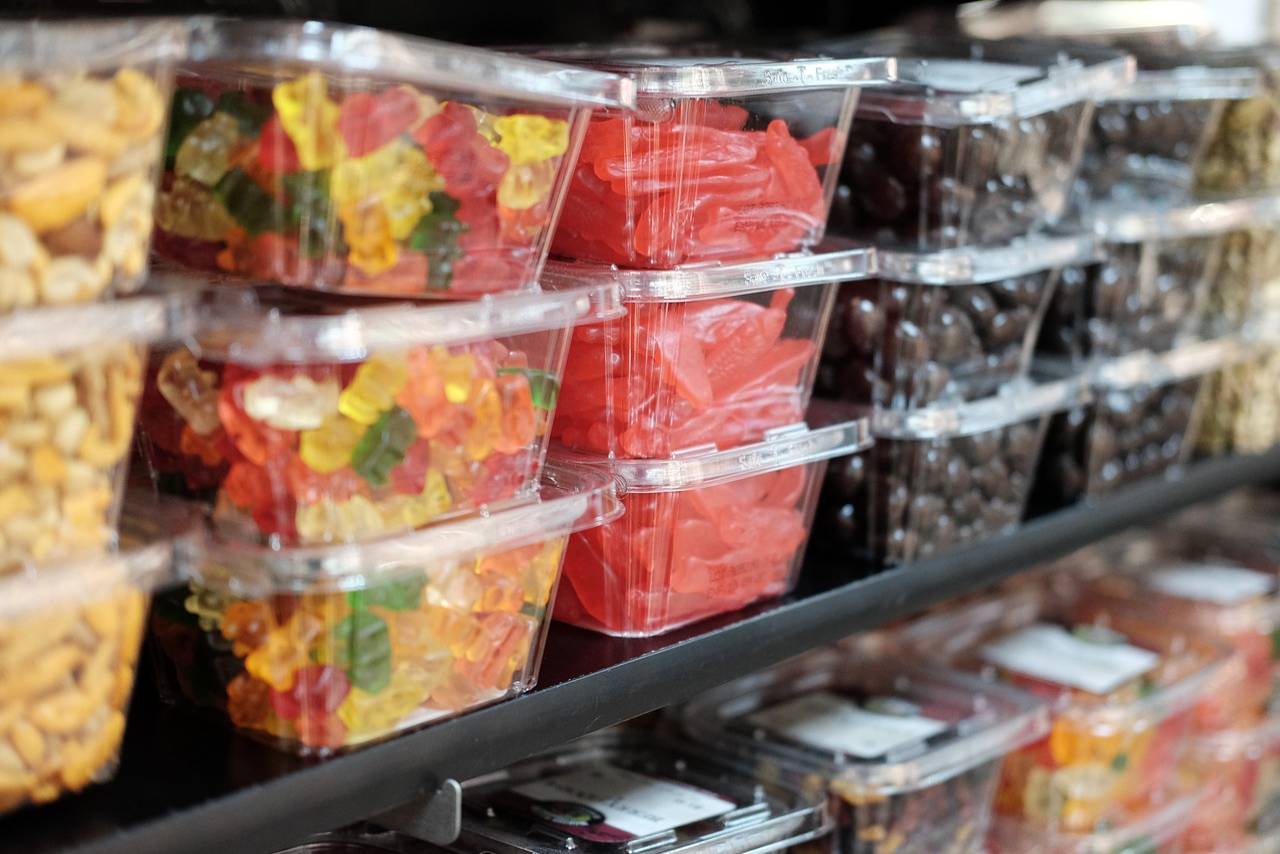
The process of handling, preparing and storing food which makes it safe from contamination is called food safety. Safe food reduces the probability of people falling sick from foodborne illness and food poisoning after consuming it. Be it in a restaurant or at home, food safety is of utmost importance.
Food poisoning is a process where food gets contaminated by harmful bacteria and germs, which makes its consumers fall sick from foodborne illness or food poisoning.
Food safety is not only a measure for disease control and prevention but also a necessity for public health. When safety food is contaminated by harmful bacteria and other germs, there is a high probability of food poisoning to those who consume the contaminated food.
Food safety promotes healthy lifestyle and public health along with promoting food safety practices. The benefits of food safety include making food safe from contamination, reducing the risk of consumers falling sick from foodborne illness and food poisoning. There are several other benefits of food safety. The benefits of food safety tips are-
- Reduces wastage of food
Food hygiene prevents food from contamination. It reduces wastage of food and increases profitability.
- Reduces health risks
Health risks like foodborne illness and food poisoning are reduced with food safety practices and following control and prevention measures.
- Food hygiene behaviour
Hygienic practices in food industry promotes safe food and avoids risks of inappropriate food handling. Food handlers are responsible for these practices like wash hands, clean fruits vegetables, take precaution while using meat poultry and other food items.
- Keep reputation
Hygienic practices from food handlers increases reputation of your food establishment. It also wins loyal customers and gives food service credibility through word of mouth and social media.
- Working environment
Clean working environment keep morale of the workers high and motivates them at work.
Improper storage of food is one of the main cause of contamination. Food safety can be maintained by two safety tips, time and temperature. Both these factors play a crucial role in growth of harmful bacteria and formation of toxins over food.
Temperature
Danger zone represents the temperature range where growth of harmful bacteria is fastest.
- Keep hot food at 140 degrees Fahrenheit or above
- Keep cold food at 41 degrees Fahrenheit or lower
- Make sure to register the temperatures using a food thermometer
Time
The concept of danger zone explains the temperature range for food safety. However, there is time factor also involved with this danger zone.
- Usually most foods will have enough harmful bacteria to risk foodborne illnesses to consumer after 4 hours in danger zone
- So, these foods must be consumed within 4 hours or chilled/reheated
- After 4 hours the food must be discarded
A few other suggestions for proper storage of food are-
- Avoid overpacking your refrigerator
- Be strategic loading your refrigerator
- Allow leftovers to cool before storing them
- Reheat leftovers the safe way
- Know when leftovers in the fridge or freezer will expire
- Thaw frozen foods the right way
- Pay close attention to expiration dates
Food Safety
There are some recommended food safety practices for transportation of food. Here are some safety tips to keep the food safety food while transporting.
- Keep Cold Food Cold
Cold food should be stored at 40 degrees Fahrenheit or below to reduce bacterial growth over food. Meat poultry and seafood should be packed before freezing to keep it colder for long.
- Organize Food Content
Pack beverages in one cooler and PHF in another to prevent cross contamination and reduce risk of PHF to warm temperatures outside.
- Keep Coolers Closed
Always try to keep the cooler closed to keep the food cold longer.
-Prevent cross contamination
Keep meat poultry and seafood under wrap. Their juices otherwise can contaminate foods to be eaten raw such as fruits vegetables.
- Clean Fresh Produce
Rinse fresh produce like fruits vegetables under running tap water before putting them in cooler. Firm-skinned fruits vegetables should be scrubbed with a brush or sponge, dry them with cloth towel or paper towel. Packaged retail food with 'ready eat' and 'washed' labels need not be washed.
Food Safety
Good manufacturing practices are a set of laws for food safety. The main content of these laws makes sure that the goods produced by manufacturing facilities are controlled by a specified set of quality standards. These rules are defined differently for different products like cosmetics, medicines, and food. Let's discuss good manufacturing practices for food.
From cross-contamination, mislabeling and adulteration, good manufacturing practices aims to prevent any false practice in the manufacturing process to avoid potential risks that can prove detrimental to the products and also environmental health.
The United States FDA and Centers for Disease Control, CDC health services regulate the good manufacturing practices and make sure that companies follow the set of rules under the Hazard Analysis Critical Control Point, HACCP. These practices are usually made flexible allowing companies to adjust as per their requirements.
Food safety guidelines can be practiced by following some simple but valuable tips. These tips are as follows-
Clean- Wash hands, boards utensils, and surface
- Wash hands properly with soap and running water
- Rinse hands then dry with clean paper towels
- Wash cutting boards, dishes, utensils with hot soapy water especially after used for meat poultry, seafood, and eggs
- Rinse fresh produce like fruits vegetables under running water
- Don't wash meat poultry, eggs, and seafood as it can spread harmful germs around your kitchen
Separate- Use separate cutting boards and utensils for different foods
- Use separate cutting boards for produce, meat poultry, seafood, and eggs
- Use separate utensils for cooked food and raw food
- Keep raw meat poultry, and seafood in sealed containers
- Keep eggs in their original containers inside the food refrigerator
Cook- Food is safely cooked when the minimum internal temperature is high to kill the germs causing illness
- Use a food thermometer to make sure that minimum internal temperature is maintained
- Make sure the cooked food is kept out of the temperature danger zone
Chill- It is vital to refrigerate and freeze food properly
- Refrigerate perishable food within two hours
- Place leftovers in shallow containers to allow quick cooling
- Avoid marinating food on counters, use food refrigerator to marinate meat poultry, and seafood
Food Safety
Pathogenic microorganisms can easily contaminate basic and everyday foods. Perishable food and high-risk ingredients involved in these cases include raw meat poultry products, fresh fruits vegetables, undercooked seafood, raw milk products and others. These can cause food poisoning and other foodborne illnesses if adequate food safety measures are not implemented.