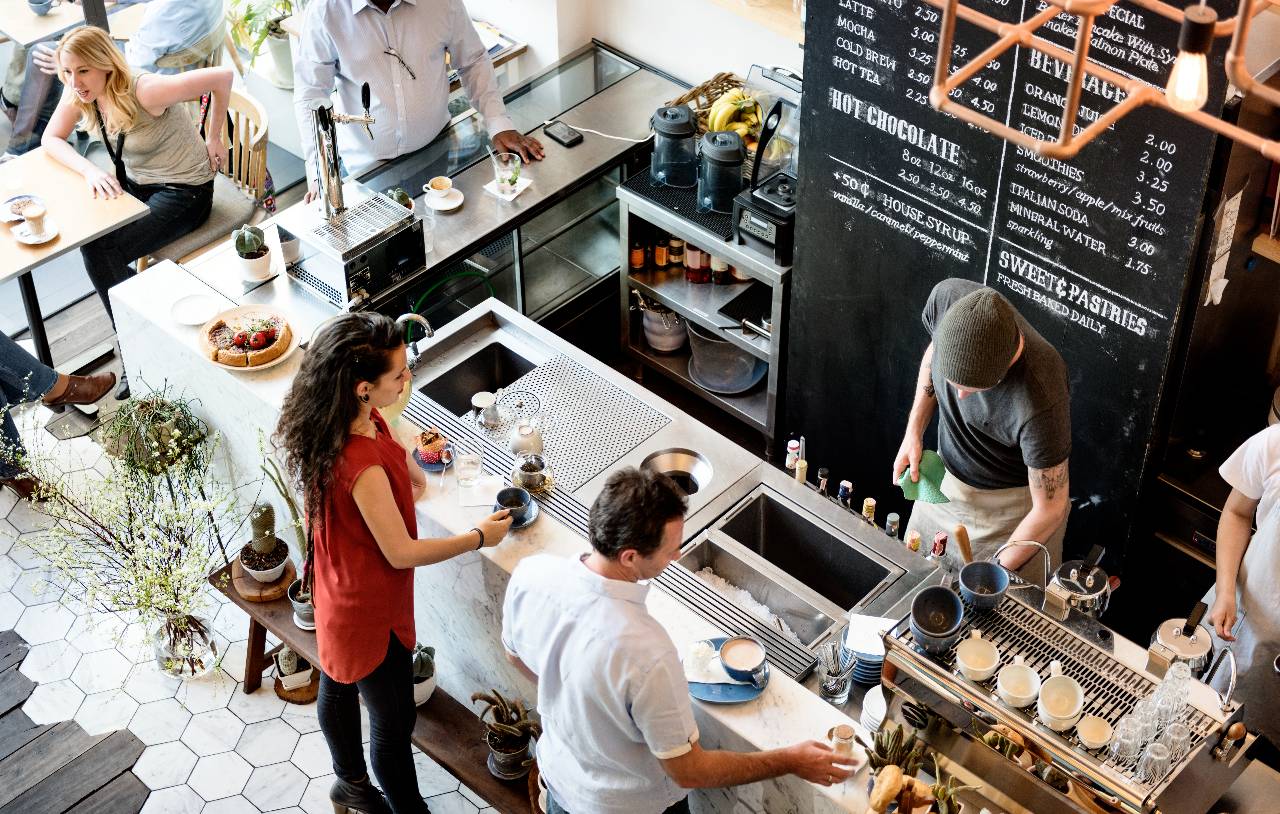
How Much Does It Cost to Open a Coffee Shop in 2026?
Opening a coffee shop in 2026 requires careful cost planning across rent, equipment, labor, technology, menu strategy, marketing, and sustainability.
operations
May 15, 2026
Opening a coffee shop in 2026 requires careful cost planning across rent, equipment, labor, technology, menu strategy, marketing, and sustainability.
May 15, 2026
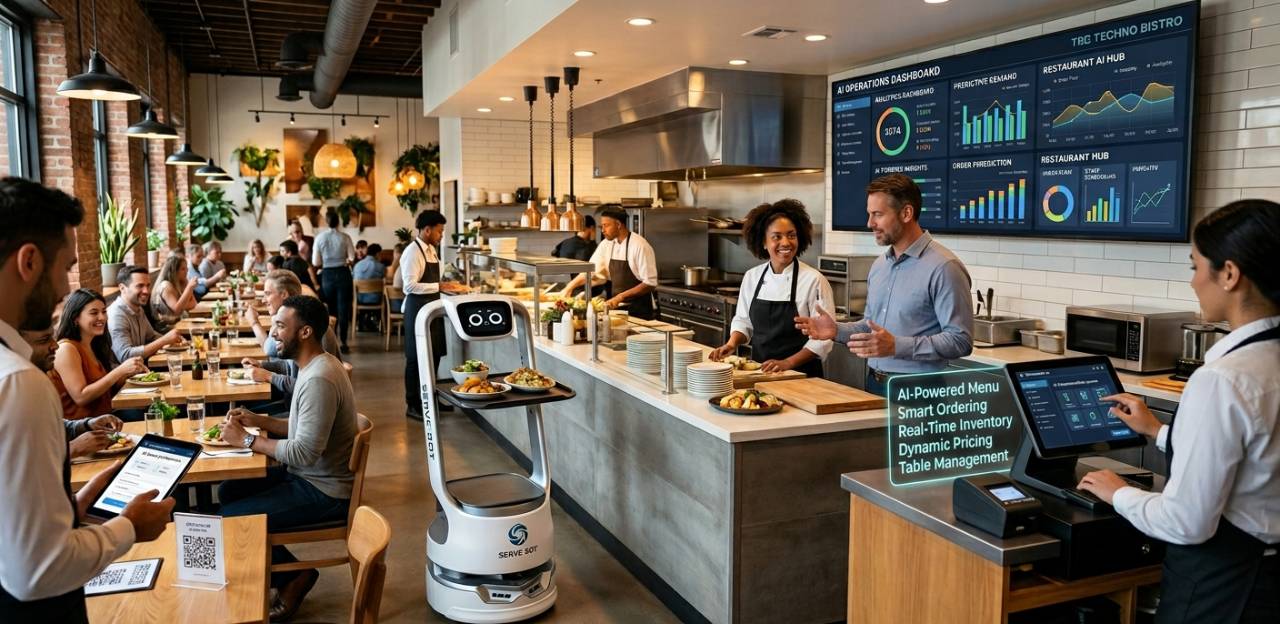
This AI playbook covers restaurant tools for voice ordering, staffing, compliance, menu pricing, inventory, marketing, ChatGPT prompts, and SEO.
May 15, 2026
Hardee’s giant Boddie-Noell inks 31-unit Scooter’s Coffee deal for NC and VA, leveraging drive-thru growth and local roots with rollout over 12–18 months.
May 15, 2026
Wingstop turns match weeks into a multi-sensory festival, aligning bold pop-ups with World Cup energy to build brand affinity and measurable momentum.
May 15, 2026
The parent company behind Dunkin', Buffalo Wild Wings, and Arby's has filed for an IPO a move that could reshape how Wall Street views the restaurant sector.
May 15, 2026

Learn how to develop a memorable restaurant brand identity that stands out in a crowded market, attracts loyal customers, and drives repeat business with actionable strategies and affordable tools.
May 15, 2026
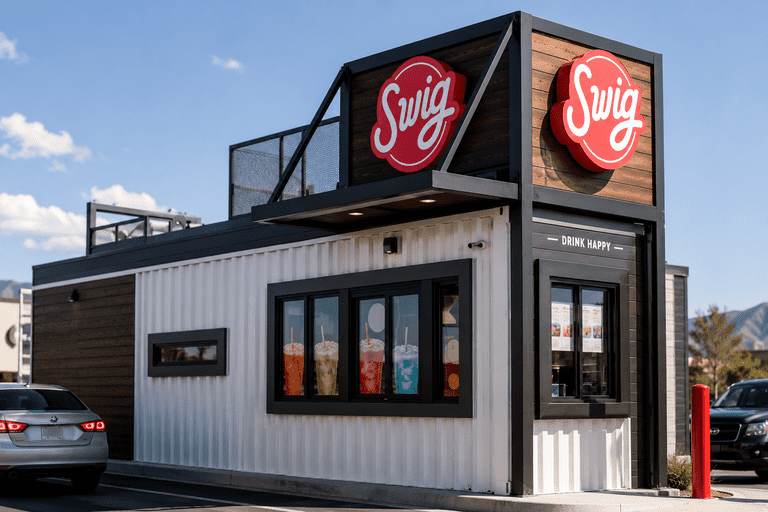
Dirty soda chain Swig is expanding into Colorado through a 10-unit franchise deal, riding a consumer beverage trend that's catching the attention of major QSR players nationwide.
May 15, 2026
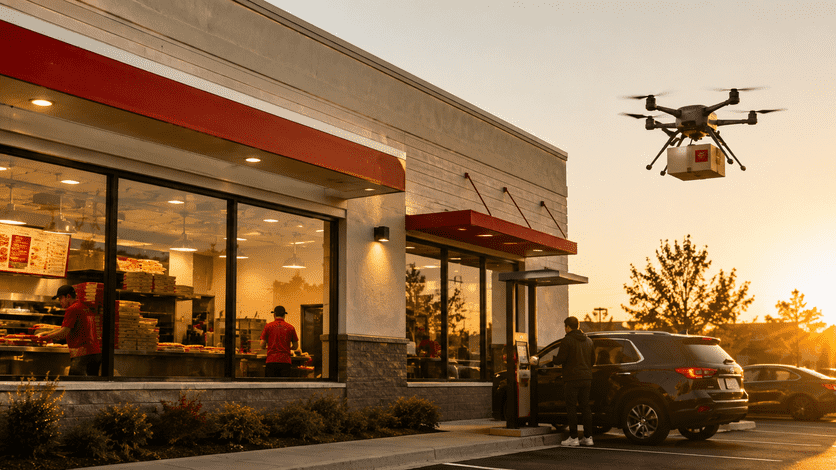
Papa Johns has teamed up with Alphabet's Wing for drone delivery of its new sandwich lineup in parts of Charlotte marking the first partnership of its kind between Wing and a national QSR brand.
May 15, 2026
A warm, expert-led look at McDonald’s Q1 results, menu makeover, and the refranchise question shaping its growth.
May 14, 2026
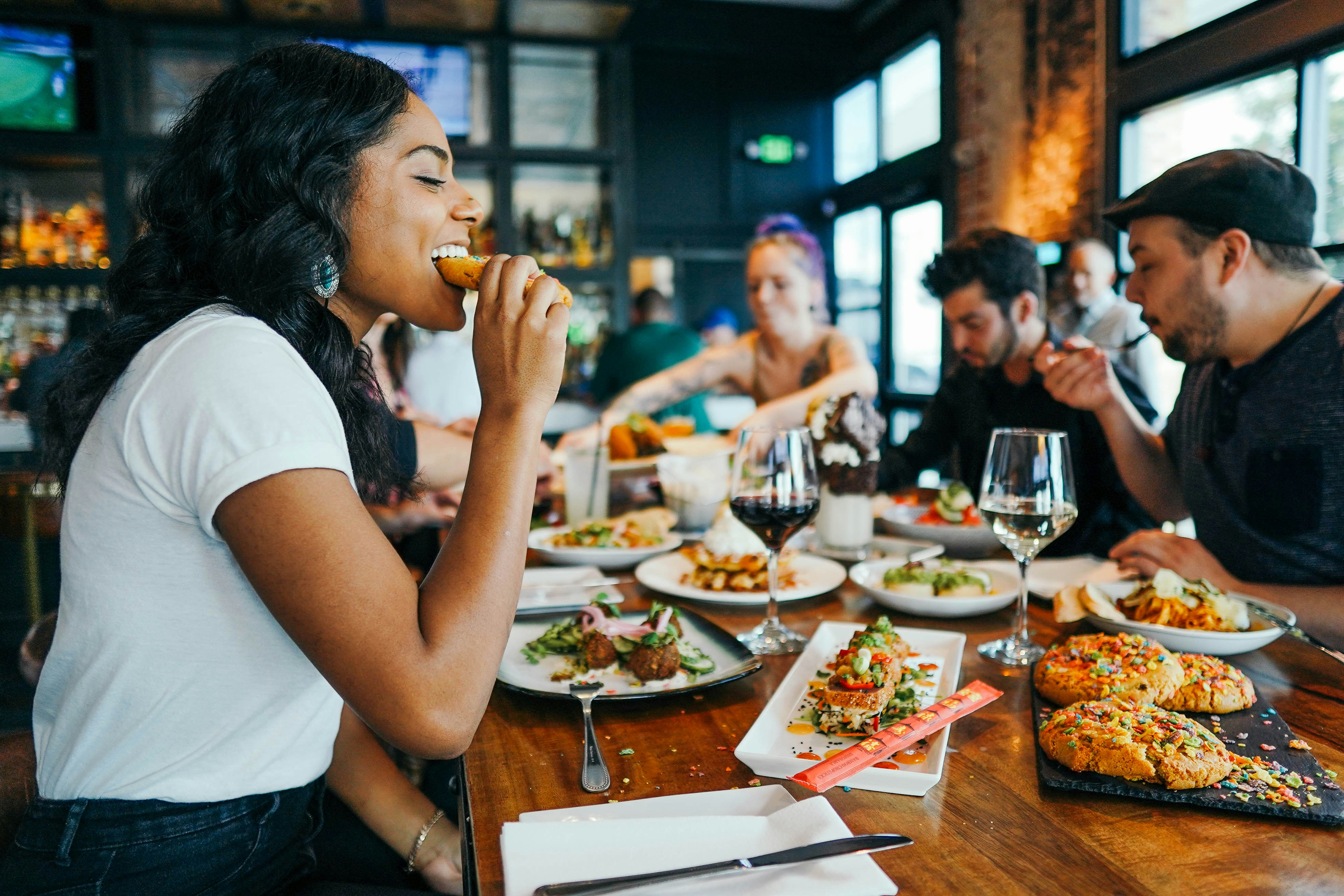
A reflective look at Habit Ranch, its immersive desert activation, and what it signals for brand loyalty and mindful, experiential dining.
May 14, 2026

Unlock Exclusive Access To Webinars, Events, And The Latest News For Free!
A warm look at how Eggs Up Grill scaled from a regional concept to a franchise, anchored in hospitality, training, and local engagement.
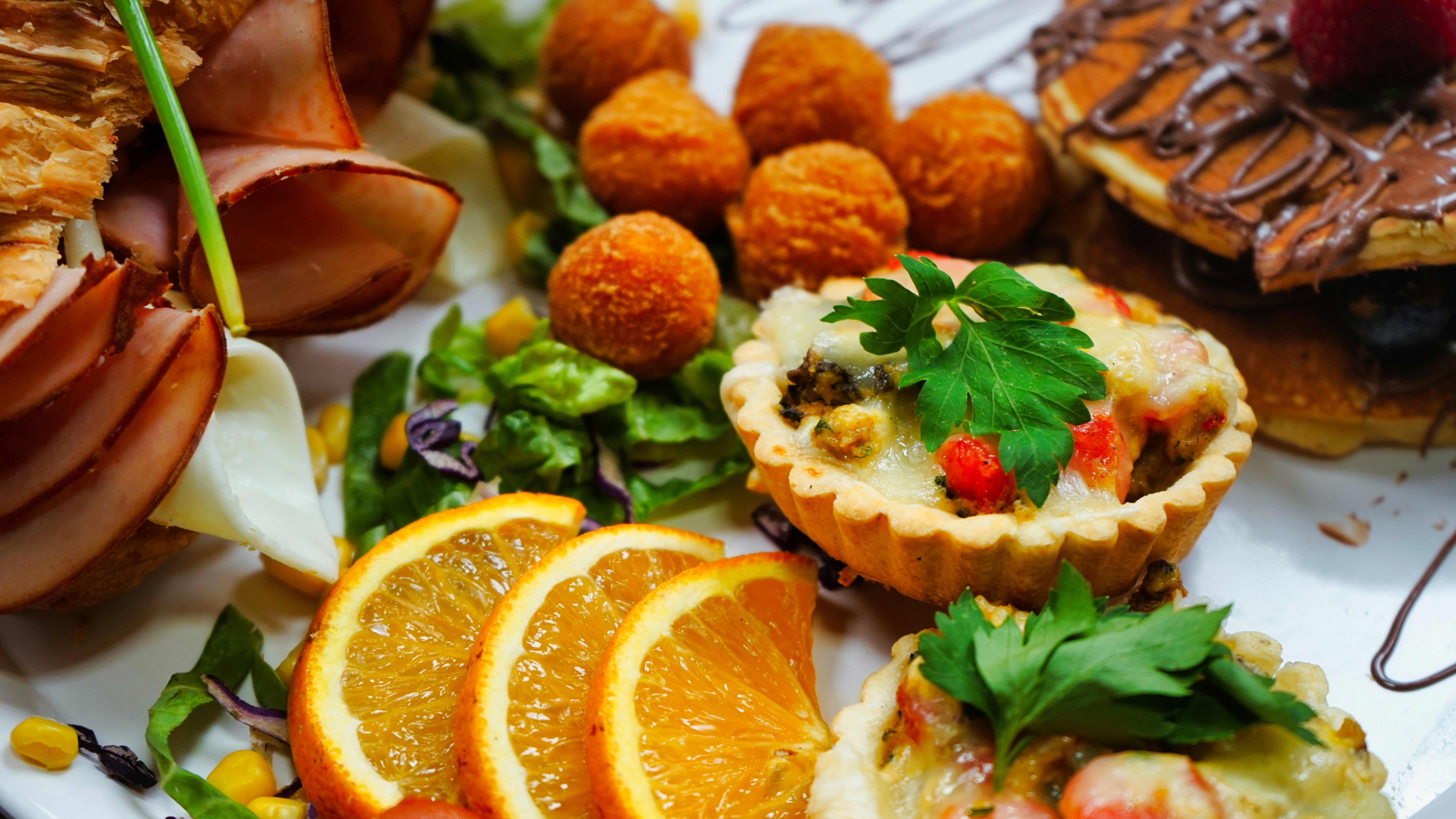
Photo by Graphe Tween
In the soft glow of morning, Eggs Up Grill feels like a cozy nook where neighbors meet over sizzling skillets and steady conversation. The Spartanburg-born concept has become a quiet beacon as breakfast and lunch menus begin to pull their weight across the country. In 2025, Eggs Up Grill opened 18 new restaurants — the most in its history — and logged its 20th consecutive quarter of positive same-store sales. The momentum isn’t just a number; it’s a mood of ease, a reminder that good mornings are built on steady hands and a welcoming smile.
These gains echo a deliberate blueprint for scale that respects the brand’s neighborly, breakfast-first identity. Beyond the headline metrics, the year’s performance signals healthier unit economics across the system: 7% same-store sales growth and more than 27% increase in average unit volume since 2021. By year’s end, the network stood at 105 operating locations and more than 190 locations open and in development, a milestone that feels like the view from a friendly window seat. The breakfast boom is real, yet it’s navigated with care and a calm rhythm.
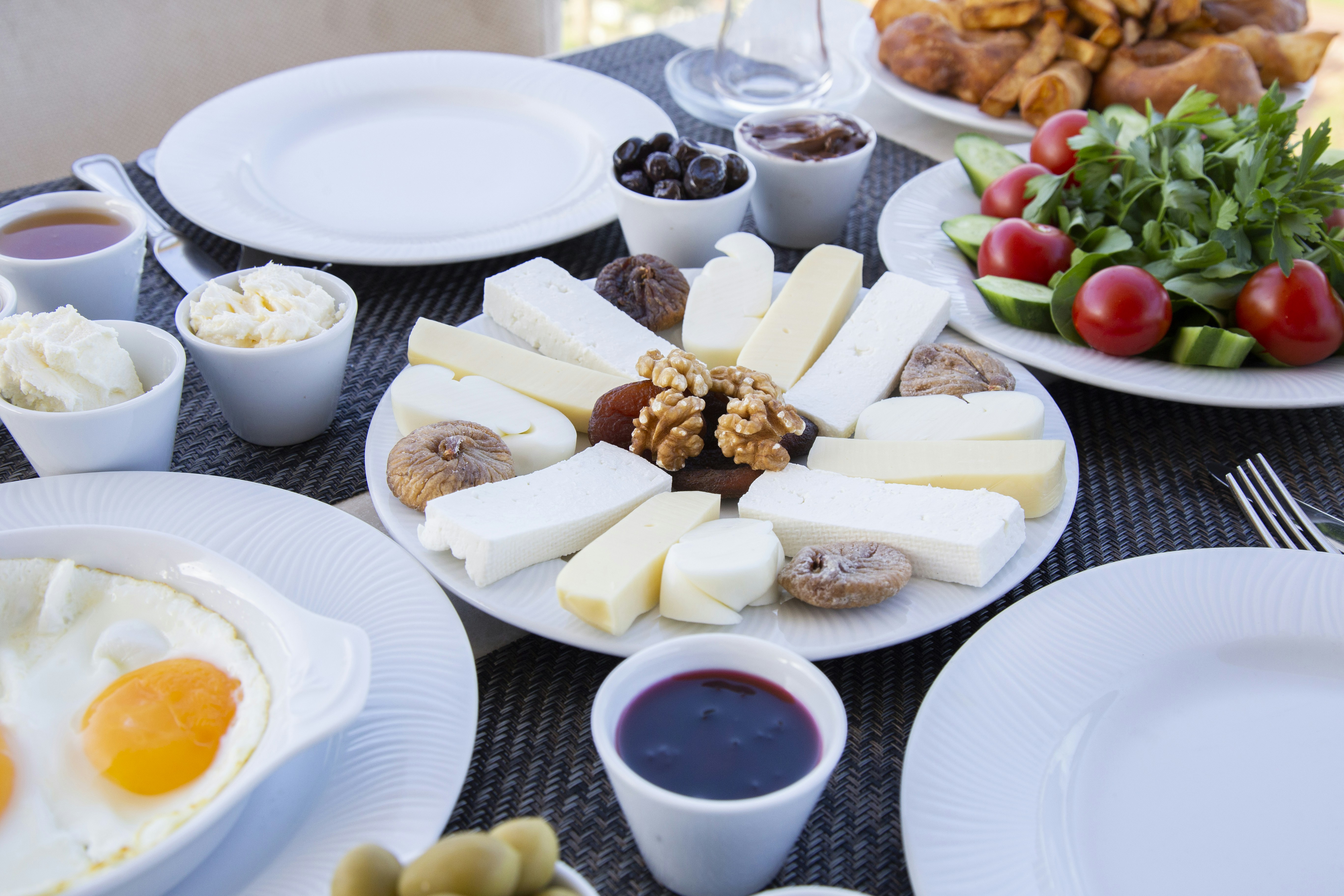
In 2018, a new chapter began when WJ Partners acquired Eggs Up Grill and installed Ricky Richardson as CEO. The shift favored a more structured, scalable operating model and a defined brand DNA—“We want to make you smile”—paired with robust systems across marketing, operations, and field support. The change also reframed franchisees as core growth drivers, with roughly 70% of franchisees then new to the restaurant industry, making comprehensive onboarding essential. It was a turning point where guests became owners who cared deeply about their communities.
Rather than chasing quick expansion, the plan centered on a formal training and development approach that would empower owners who started as guests. The shift set the stage for measured growth: a larger, more capable corporate team and a deliberate pace that balanced speed with support as franchisees joined from various backgrounds. This groundwork hinted at a future where strong operations met genuine hospitality in every neighborhood.
Codifying the brand’s operating playbook became the engine of growth. The emphasis on local engagement allowed franchisees to serve as the chain’s primary ambassadors in their own towns. This approach—tied to a clearly defined brand DNA—helped Eggs Up Grill move from a regional footprint into a multi-state network. Ricky Richardson underscored that a unique network—largely composed of single- or two-unit operators who began as guests—fosters deep loyalty and long-term commitment. The company doubled its corporate team within a year and widened openings from 12 to 24, signaling a careful push to grow while staying close to operators. A major pillar was the rollout of Egg Yolk University, a proprietary training platform that would sharpen throughput and cost control.
Parallel to training, the company introduced a new platform to help operators manage food costs, with completion targeted for the fourth quarter and an announcement planned for the following year’s conference. This combination—strong onboarding, a scalable learning engine, and targeted tools for cost discipline—was designed to keep a community-first concept moving forward without sacrificing margins or the warmth of everyday hospitality.
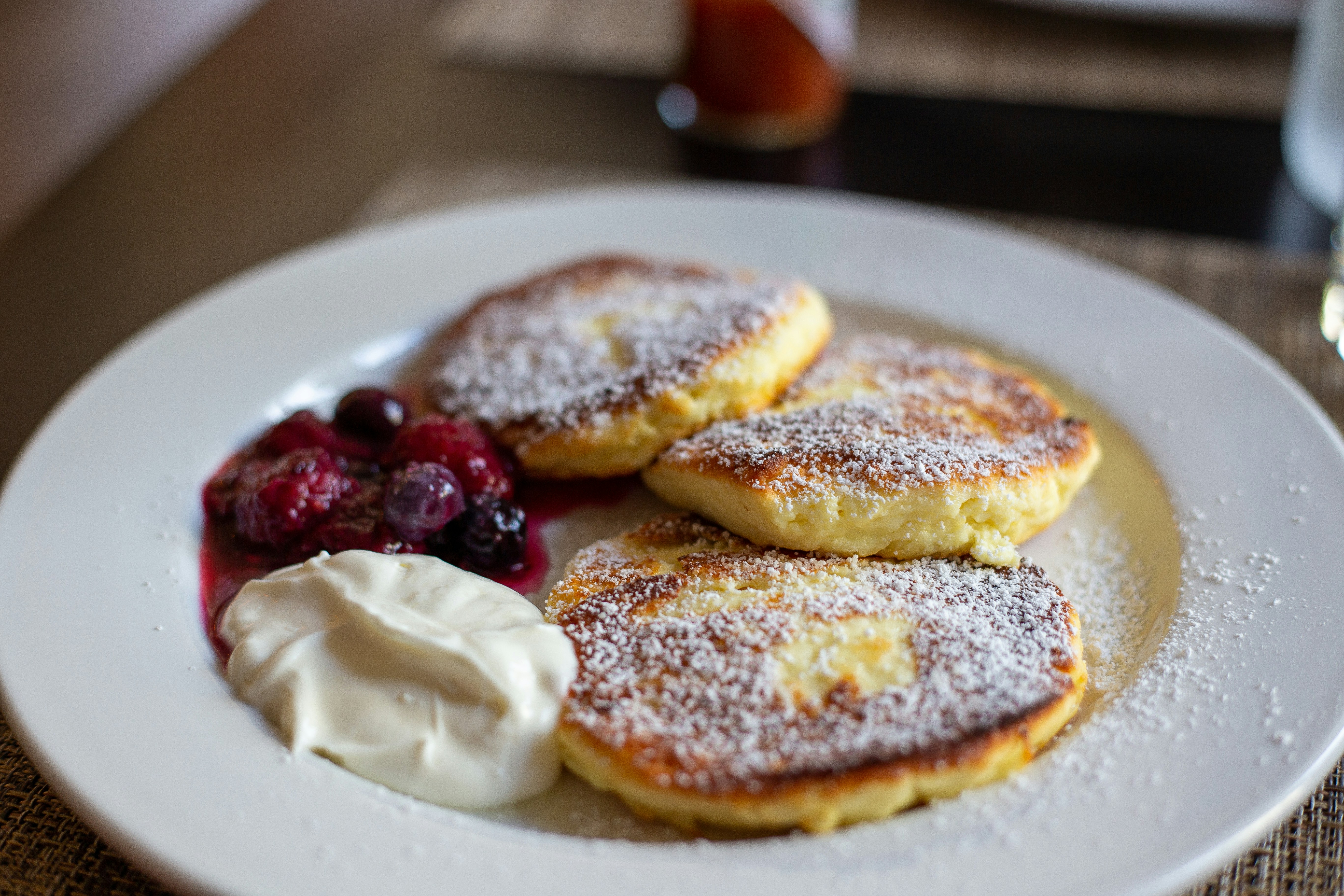
Richardson has framed the path forward in practical, people-centered terms. He has described Eggs Up Grill’s brand promise as a driver of daily performance and guest loyalty, emphasizing that profitability is a prerequisite for sustainable growth: “The goal of the company has and will always be to make our restaurants more profitable because the more profitable your restaurants are, the more successful your company is.” He also stressed the role of franchise partners as the brand’s ambassadors, noting that their direct personal and financial connections to the business contribute to a durable growth engine that’s hard to replicate at scale. The DNA — “We want to make you smile” — remains a touchstone across leadership and franchise materials.
Industry observers have highlighted Eggs Up Grill’s emphasis on accessible, everyday breakfast that prioritizes people and hospitality over sweeping national campaigns. The balance between a strong operating system and a people-driven franchise network remains central as the brand eyes expansion beyond its core markets. The playbook—built on local energy and steady training—appears well suited to the realities of regional growth and the responsibilities of owner-operators who care deeply about community connections.
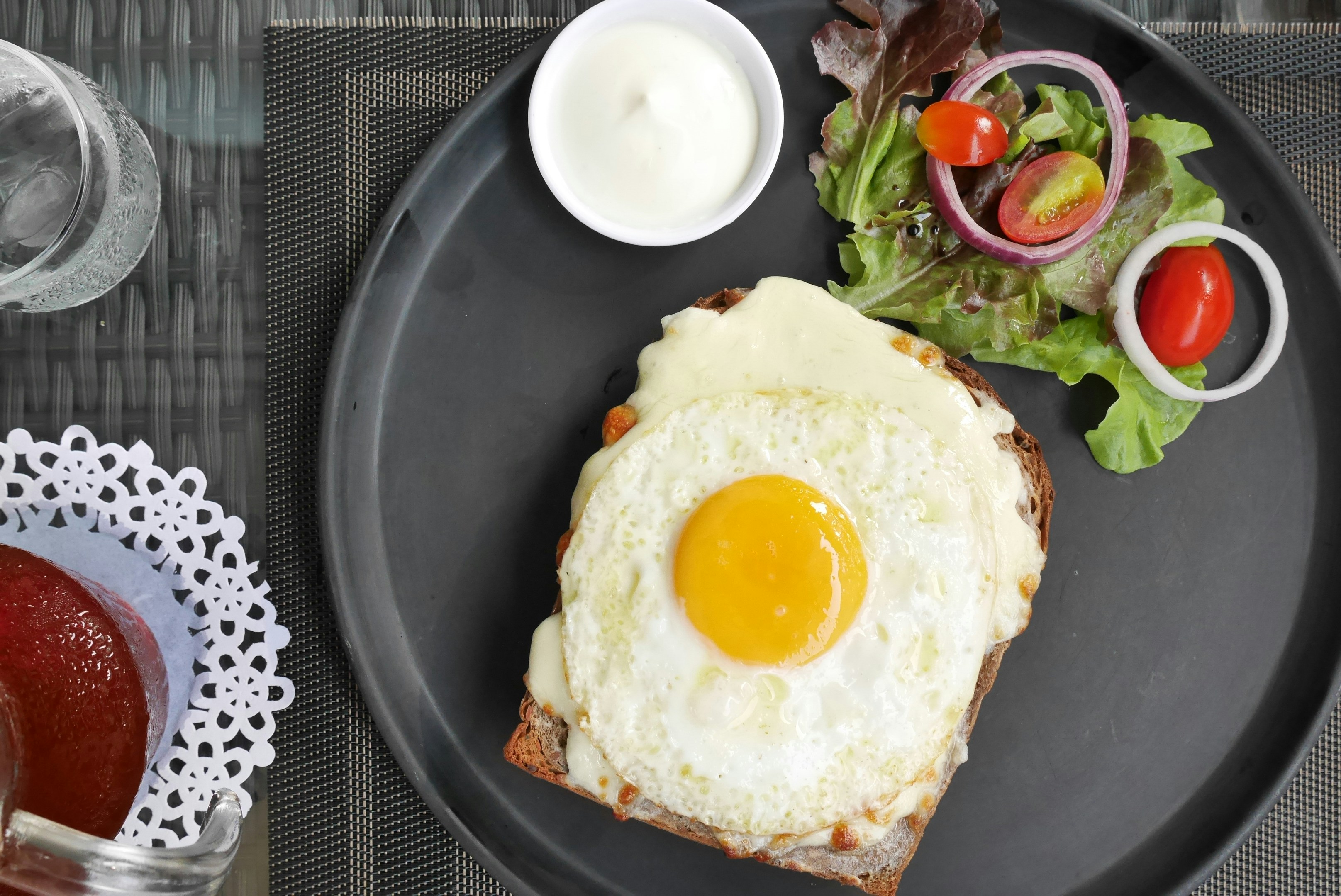
Eggs Up Grill’s ascent sits within a broader trend of breakfast-focused concepts gaining momentum as post-pandemic routines normalize. The data points to breakfast and brunch concepts drawing daytime traffic, with mornings becoming a meaningful portion of visits. The better breakfast movement aligns with a hospitality-first approach that favors local marketing and sustainable growth over broad national pushes. Operators also face macro volatility—egg prices and supply chain dynamics—prompting tighter cost controls and more efficient operations. The strategy here—a single-shift model, community-centered marketing, and a scalable training engine—speaks to productivity and guest experience in local markets.
As Eggs Up Grill grows, observers will watch how the brand navigates industry headwinds and opportunities—from the pace of unit openings to the durability of unit economics. The balance of a people-first ethos with disciplined expansion will determine how smoothly the playbook travels into new markets and how long the brand can keep its unique, welcoming heartbeat intact.