How Much Does It Cost to Open a Coffee Shop in 2026?
Opening a coffee shop in 2026 requires careful cost planning across rent, equipment, labor, technology, menu strategy, marketing, and sustainability.
operations
May 15, 2026
Opening a coffee shop in 2026 requires careful cost planning across rent, equipment, labor, technology, menu strategy, marketing, and sustainability.
May 15, 2026

This AI playbook covers restaurant tools for voice ordering, staffing, compliance, menu pricing, inventory, marketing, ChatGPT prompts, and SEO.
May 15, 2026

Hardee’s giant Boddie-Noell inks 31-unit Scooter’s Coffee deal for NC and VA, leveraging drive-thru growth and local roots with rollout over 12–18 months.
May 15, 2026

Wingstop turns match weeks into a multi-sensory festival, aligning bold pop-ups with World Cup energy to build brand affinity and measurable momentum.
May 15, 2026

The parent company behind Dunkin', Buffalo Wild Wings, and Arby's has filed for an IPO a move that could reshape how Wall Street views the restaurant sector.
May 15, 2026

Learn how to develop a memorable restaurant brand identity that stands out in a crowded market, attracts loyal customers, and drives repeat business with actionable strategies and affordable tools.
May 15, 2026

Dirty soda chain Swig is expanding into Colorado through a 10-unit franchise deal, riding a consumer beverage trend that's catching the attention of major QSR players nationwide.
May 15, 2026

Papa Johns has teamed up with Alphabet's Wing for drone delivery of its new sandwich lineup in parts of Charlotte marking the first partnership of its kind between Wing and a national QSR brand.
May 15, 2026

A warm, expert-led look at McDonald’s Q1 results, menu makeover, and the refranchise question shaping its growth.
May 14, 2026

A reflective look at Habit Ranch, its immersive desert activation, and what it signals for brand loyalty and mindful, experiential dining.
May 14, 2026

Unlock Exclusive Access To Webinars, Events, And The Latest News For Free!
A warm, journalistic portrait of Shelly Rupel and Devour, merging tech, gaming, and dining to captivate Gen Z.
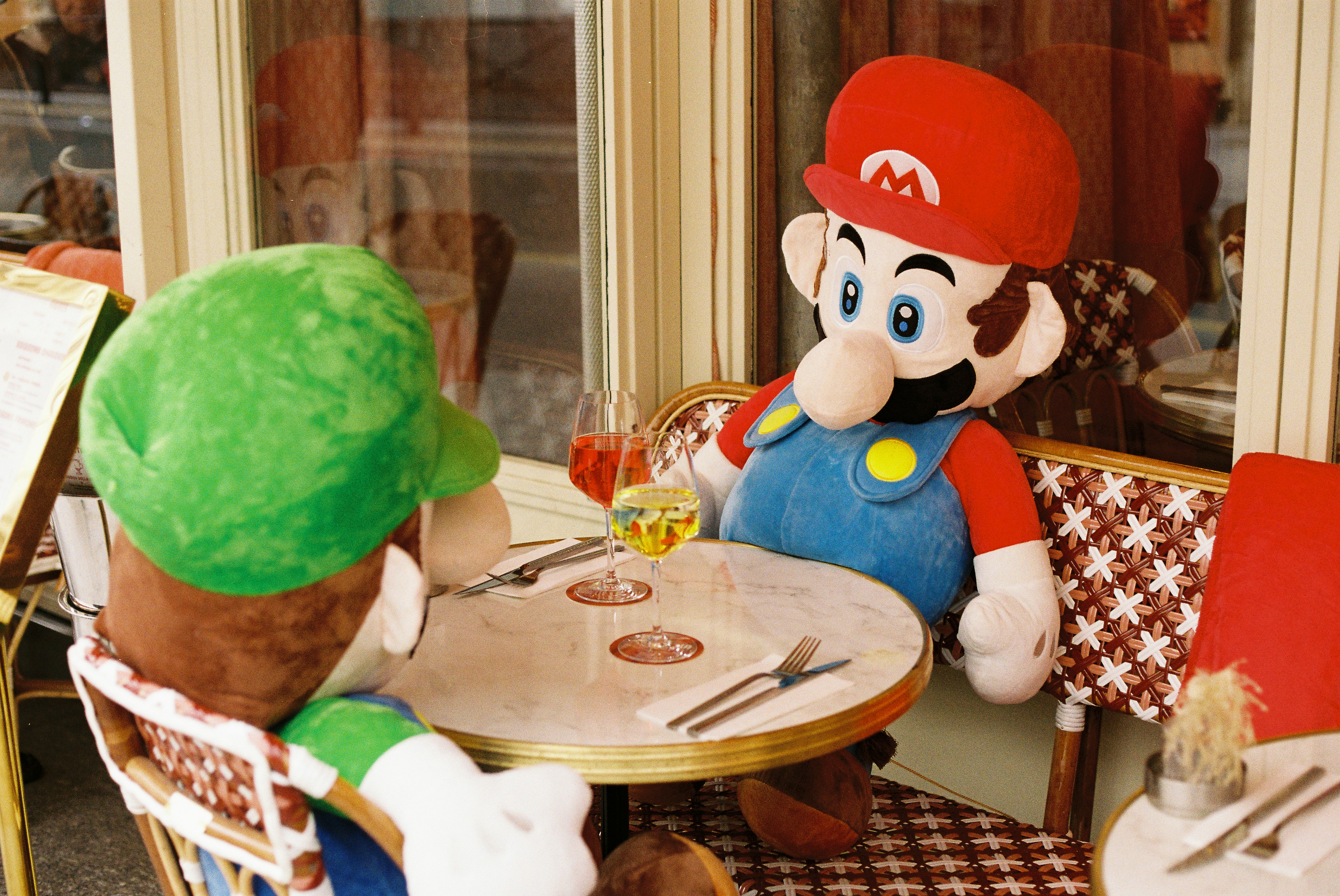
Photo by Tanya Barrow
Devour began its quiet, hopeful life in a city café, the air scented with espresso and the soft glow of screens at play. The idea was a gentle storm: to braid gaming, entertainment, and dining into a single, welcoming thread that invites lingering conversations and shared meals. When Shelly Rupel founded Devour in 2021, she carried a lifelong belief that technology and hospitality could grow closer in the hands of a generation that treats screens as social spaces. The aim was not merely to add features but to nurture moments—to turn a meal into a memory that sticks around after the last bite. This is how a bold experiment began, asking a roomful of guests to imagine what dining could become when it meets play.
From there, Devour positioned itself at the hospitality–tech crossroads with a clear invitation: create value that transcends simple discounts and shuffles. The three-pronged idea that would anchor the early work began to take shape in earnest—a pattern designed to meet merchants where they live: across channels, in communities, and inside games. The result was not a single feature but a way of thinking about how a table can be a doorway to a broader digital life. The road ahead promised conversations that would extend beyond the restaurant doors.
Hospitality and software rarely kiss this warmly on first contact, yet the early chapters suggest a steady, patient arc. The impulse was to honor the table while embracing the screens that shape so much of the contemporary dining moment. It is a story of a simple wish—good food, good company, and a little magic from the shared spaces of game, menu, and chat—made tangible through design that invites people to stay a little longer.
Devour's three-pronged value proposition for merchants aims to unlock opportunities beyond simply redistributing market share. Rupel describes the strategy as a deliberate, value-driven approach to omnichannel ordering that isn’t about discount wars. The core pushes are visible in tokenized promotions, player and community food perks, and in-game ordering that syncs with gaming ecosystems. Observers have noted the GoDevourGO platform and token-based economics, with efforts to embed GoGo branded experiences within gaming environments. In practice, the company seeks to make dining feel native to digital life, while keeping restaurants at the center of the experience. As the narrative unfolds, the question becomes how this blend will reframe the dining table for a new generation.
Beyond discounts, this approach grows value in multiple directions: enhance online ordering across platforms, deepen collaborations with game studios, and craft tokenized experiences that reward loyalty without eroding margins. It is the heart of Rupel's plan to give merchants more than a new ad buy—an invitation to meet customers where they already live, both on screen and at the table.
This future whispers of a dining room where a dish pairs with a game, and a check becomes a conversation about a shared moment of joy. The design question remains: can this blend stay warm and generous as it grows more complex, more digital, and more social? The answer will emerge as developers, restaurateurs, and guests test what it means to dine in a living, learning ecosystem.
Rupel's candor about funding reflects a broader industry dynamic. She has noted that securing venture backing for women-led ventures remains challenging; less than three percent of female founders receive VC backing. Yet her leadership record—the presence of five women out of six leaders on the executive team—creates a sense of balance and perspective that is rarer in this sector. The narrative around Devour reads as a quiet testament to resilience, collaboration, and the steady work of building a platform that speaks to both operators and players.
That balance is echoed in the accolades that have begun to accumulate: Rupel has earned recognition such as the MURTEC 2024 award, underscoring both the platform's ingenuity and her personal journey. Coverage in hospitality tech circles highlights a leadership style that values collaboration across departments and disciplines, a rarity that signals to partners and financiers that a different kind of governance is possible in this space.
In a field that often clusters around technical prowess, Rupel's openness about the hurdles—especially for women-led teams—creates space for a broader dialogue about funding, mentorship, and accountability. The story so far is one of candor, curiosity, and a willingness to chart a path that respects both front-of-house craft and back-of-house code.
Rupel's leadership story is visible in the team page where she is listed as CEO/Co-Founder, alongside a growing roster that includes Cori Williams (COO) and other leaders. The structure feels unusually female-rich for a field that often skews male, and it mirrors a philosophy that leadership can be collaborative, cross-functional, and deeply rooted in hospitality values. The publicly acknowledged milestones reflect a company that has found its footing at the edge where workmanship meets vision.
Public recognition has followed: Rupel's MURTEC 2024 accolade sits alongside a narrative that Devour is expanding into web3-enabled promotions and gaming-enabled ordering. The team pages point to a growing leadership that includes Cori Williams and others who help blend frontline experience with software strategy. The result is a picture of a company that does not merely imagine the future but builds it with a community of practitioners and partners.
Together these steps sketch a map of a leadership that trusts hospitality and software to live in harmony, inviting merchants, developers, and guests to co-create a shared experience at the table and in the game. It is a portrait of a company that believes in the power of collaboration to sustain growth and trust.
Industry context frames Devour as part of a broader movement: gaming, entertainment, and dining increasingly blend to deepen consumer engagement. The field explores tokenized promotions, NFT-inspired rewards, and in-game ordering as burgeoning strands of a Web3-enabled restaurant marketing concept. The aim is to reach younger demographics where they already spend time, in spaces that feel social and familiar.
Yet the path forward is not guaranteed. The company has published technical white papers outlining ambitions for NFT-based loyalty, tokenized campaigns, and GoVIP rewards, while cautioning about regulatory, privacy, and consumer adoption questions as these models scale. References to Solana-based tokens and compressed NFTs appear as potential future campaigns, balanced against the need to safeguard brand trust and consumer safeguards.
Industry observers imagine a future where participation, community, and merchant value align so closely that these new engagement layers reframe routine dining into a shared, enduring ritual. The warmth of hospitality and the logic of software may finally weave a narrative that feels both comforting and modern, a story that many in the field are eager to watch unfold.