How Much Does It Cost to Open a Coffee Shop in 2026?
Opening a coffee shop in 2026 requires careful cost planning across rent, equipment, labor, technology, menu strategy, marketing, and sustainability.
operations
May 15, 2026
Opening a coffee shop in 2026 requires careful cost planning across rent, equipment, labor, technology, menu strategy, marketing, and sustainability.
May 15, 2026

This AI playbook covers restaurant tools for voice ordering, staffing, compliance, menu pricing, inventory, marketing, ChatGPT prompts, and SEO.
May 15, 2026

Hardee’s giant Boddie-Noell inks 31-unit Scooter’s Coffee deal for NC and VA, leveraging drive-thru growth and local roots with rollout over 12–18 months.
May 15, 2026

Wingstop turns match weeks into a multi-sensory festival, aligning bold pop-ups with World Cup energy to build brand affinity and measurable momentum.
May 15, 2026

The parent company behind Dunkin', Buffalo Wild Wings, and Arby's has filed for an IPO a move that could reshape how Wall Street views the restaurant sector.
May 15, 2026

Learn how to develop a memorable restaurant brand identity that stands out in a crowded market, attracts loyal customers, and drives repeat business with actionable strategies and affordable tools.
May 15, 2026

Dirty soda chain Swig is expanding into Colorado through a 10-unit franchise deal, riding a consumer beverage trend that's catching the attention of major QSR players nationwide.
May 15, 2026

Papa Johns has teamed up with Alphabet's Wing for drone delivery of its new sandwich lineup in parts of Charlotte marking the first partnership of its kind between Wing and a national QSR brand.
May 15, 2026

A warm, expert-led look at McDonald’s Q1 results, menu makeover, and the refranchise question shaping its growth.
May 14, 2026

A reflective look at Habit Ranch, its immersive desert activation, and what it signals for brand loyalty and mindful, experiential dining.
May 14, 2026

Unlock Exclusive Access To Webinars, Events, And The Latest News For Free!
Denny's shifts to private ownership and unveils Project Grand Slam, a six-pillar transformation aimed at faster execution, remodels, and new revenue channels.
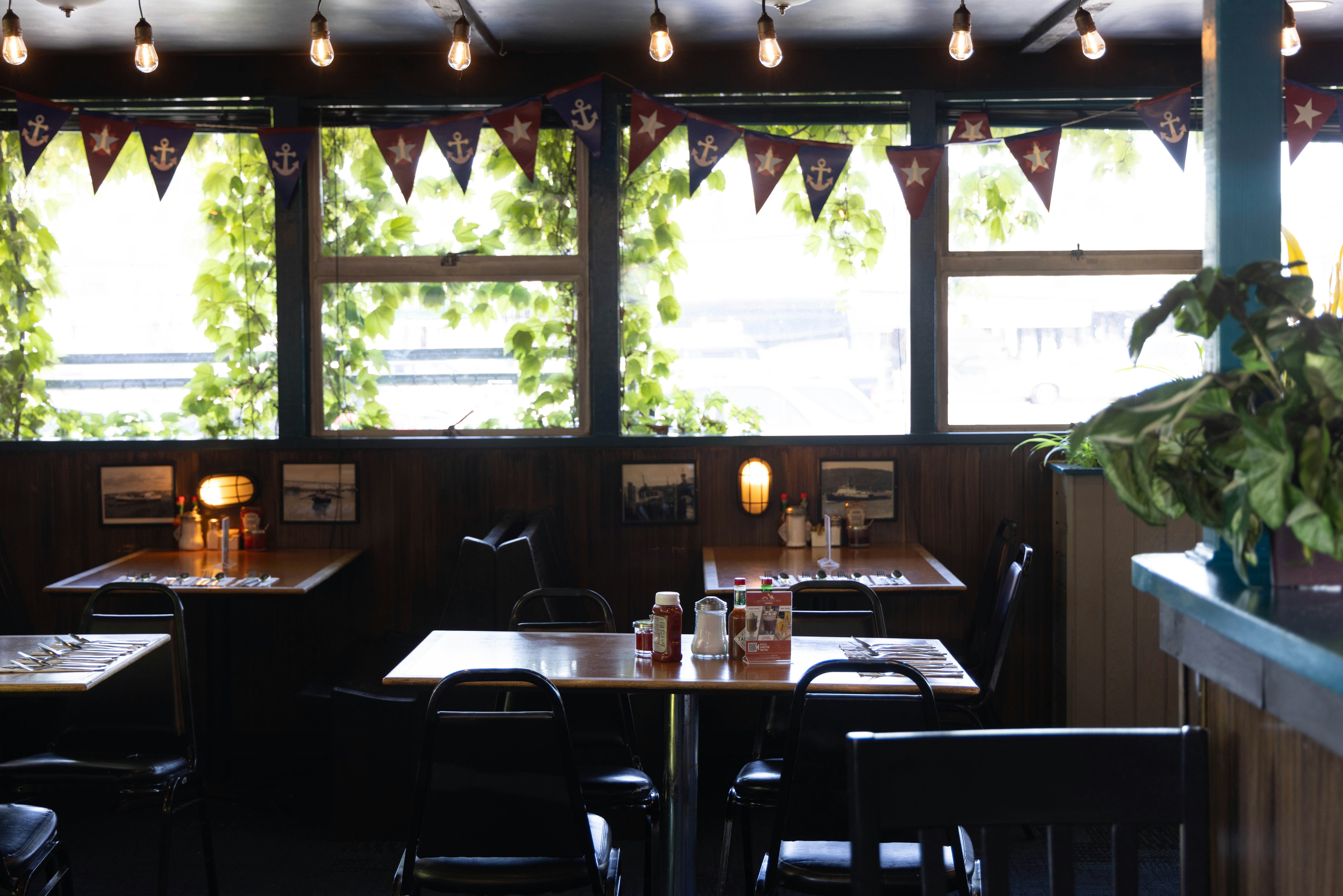
Photo by Hyeonyoung Yang
Denny's is undergoing a comprehensive reinvention, moving from public markets to private ownership with a mandate for speed, tighter execution, and a stricter link to performance. The deal values the company at about $620 million and is being closed by TriArtisan Capital Advisors, Treville Capital Group, and Yadav Enterprises. This marks the first time the iconic brand has operated outside the public markets in nearly three decades, a milestone that promises aggressive changes at the center of the business. The shift arrives as the restaurant sector wrestles with inflation, labor pressures, and shifting guest behavior, making a clear call for decisive leadership and disciplined capital allocation. The stage is set for a practical turnaround rather than a cosmetic makeover.
Concurrently, the action centers on leadership and a six-part blueprint. Christopher Bode is positioned to guide execution after the private deal closes, signaling a push toward faster decision-making and tighter performance management. The plan, branded as Project Grand Slam, is built around six pillars designed to modernize the brand without abandoning its core appeal. The pillars are Culinary & Flavor Innovation, Enhanced Daypart Beverage Program, Catering & Bulk Solutions, America’s Diner 2.0 Remodels, Retail Brand Expansion, and Digital Transformation. Leadership has framed the six-pillar approach as a practical bridge between what guests expect today and what the chain can deliver tomorrow. The company argues the future must live across dining rooms, apps, and store shelves.
Bottom line is simple: Grand Slam is the move, but execution is the proof. The six pillars are the chassis; the real speed comes from how quickly leadership moves from plan to plate. If the rollout matches the ambition, the remodels, the catering expansion, and the digital spine can begin to shift guest behavior and lift performance in the coming quarters.
Reactions to the private transition center on leadership clarity and the practical link between strategy and store floors. Anil Yadav, Denny’s Chief Transformation Officer, notes that “Bode’s operations experience bridges the gap between high-level corporate strategy and boots-on-ground execution.” He adds that the ownership and leadership are aligned in a shared mission: to make Denny's the undisputed leader in the family-dining space once again. The tone is pragmatic—private ownership is framed as a tool for faster pivots, tighter capital discipline, and a consistent brand experience across franchises.
Timeline and leadership transition map a clear cadence. The private acquisition carried an enterprise value of roughly $620 million and was announced in late 2025, with closing expected in the first quarter of 2026. Christopher Bode’s appointment as CEO was confirmed in a public release on April 13, 2026, signaling a formal leadership transition. Former CEO Kelli Valade is stepping away to lead the Women’s Foodservice Forum, with her move formally reported in January 2026 and the official appointment set for February 2026. Taken together, these shifts place Denny’s at a critical inflection point, balancing remodel investments, digital growth, and franchise performance amid ongoing market volatility.
What this means now is a turning point rather than a pause. The leadership team argues the private structure enables faster pivots in response to guest needs, a critical factor given macro headwinds across the sector. The real test will be how quickly the leadership translates plans into measurable gains in same-store sales, traffic, and franchise performance as the company navigates remodels, digital investments, and new revenue streams.
Industry context frames Denny’s moves against a slowing pace of growth across the sector. Technomic data highlights a slowdown in Top 500 chain sales growth, with 2024 gains modest and 2025 projected to stay in the same lane. Inflation, guest price sensitivity, and supply-and-labor headwinds persist, driving store closures and portfolio optimization across concepts. For Denny's, the remodels, broadened revenue channels through catering and retail, and stronger digital capabilities fit a larger industry trend toward experience modernization and off-premise channels. Analysts note that a private model can unlock speed but concentrates risk in execution, capital allocation, and governance across a broad franchise network.
Gaps, uncertainties, and what to watch are the practical questions that come with any big transformation. How quickly will Project Grand Slam translate into same-store sales and guest traffic across diverse markets? Which remodels come first, and how will capital be allocated between core renovations and expanded revenue streams like retail and digital platforms? What cadence will franchisee engagement take, and how will support scale as new programs roll out? Leadership acknowledges these uncertainties and reiterates that private ownership provides the flexibility to adjust timing and scope as data dictates.
Implications for Denny's tomorrow blend the private edge with disciplined execution. If Project Grand Slam delivers culinary innovation, elevated dayparts, robust catering, refreshed remodels, retail expansion, and a stronger digital platform, the chain could lift guest appeal, check opportunities, and franchise resilience. Early industry chatter suggests the shift may cushion near-term headwinds, while the private framework should enable more rapid pricing, promotions, and operational shifts across markets. The coming year will reveal whether the combination of a private owner, a focused six-pillar plan, and a performance-first mindset translates into sustained net unit growth.