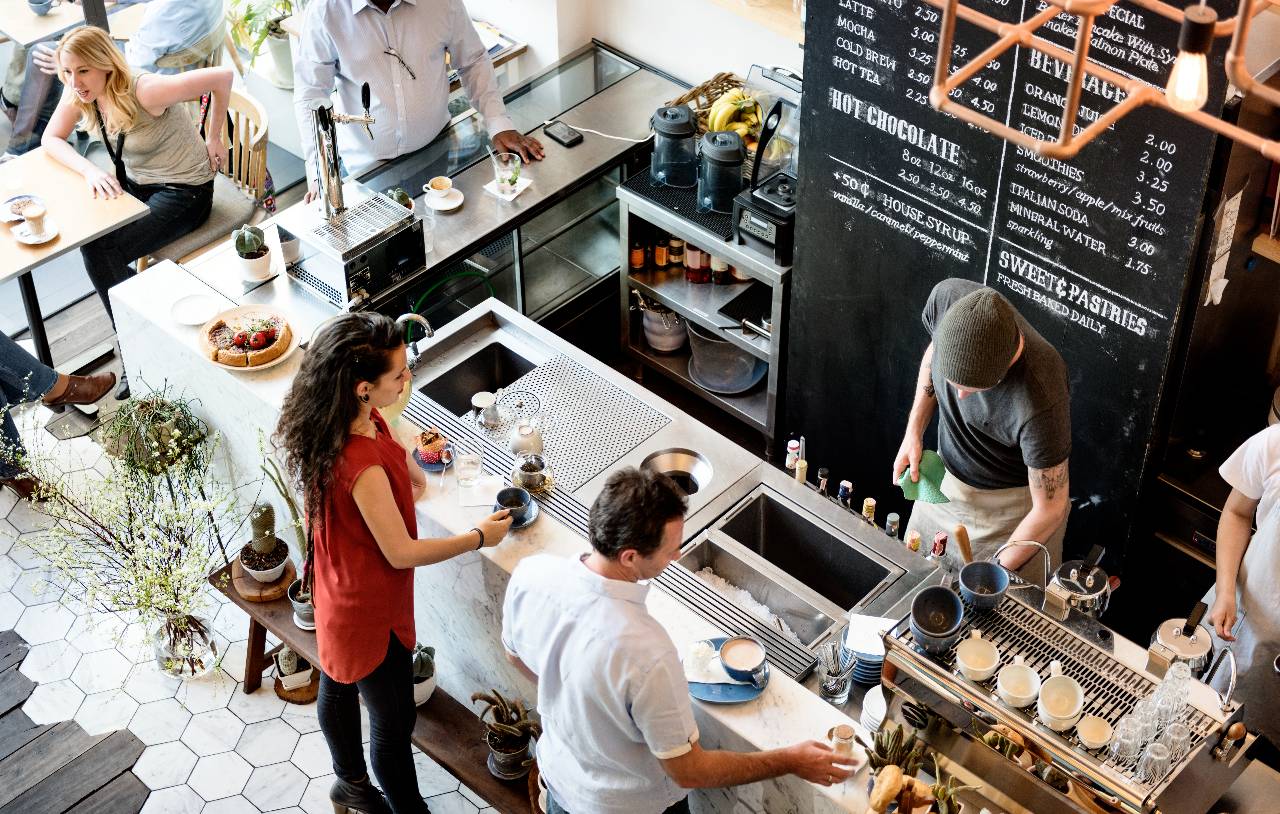
How Much Does It Cost to Open a Coffee Shop in 2026?
Opening a coffee shop in 2026 requires careful cost planning across rent, equipment, labor, technology, menu strategy, marketing, and sustainability.
operations
May 15, 2026
Opening a coffee shop in 2026 requires careful cost planning across rent, equipment, labor, technology, menu strategy, marketing, and sustainability.
May 15, 2026
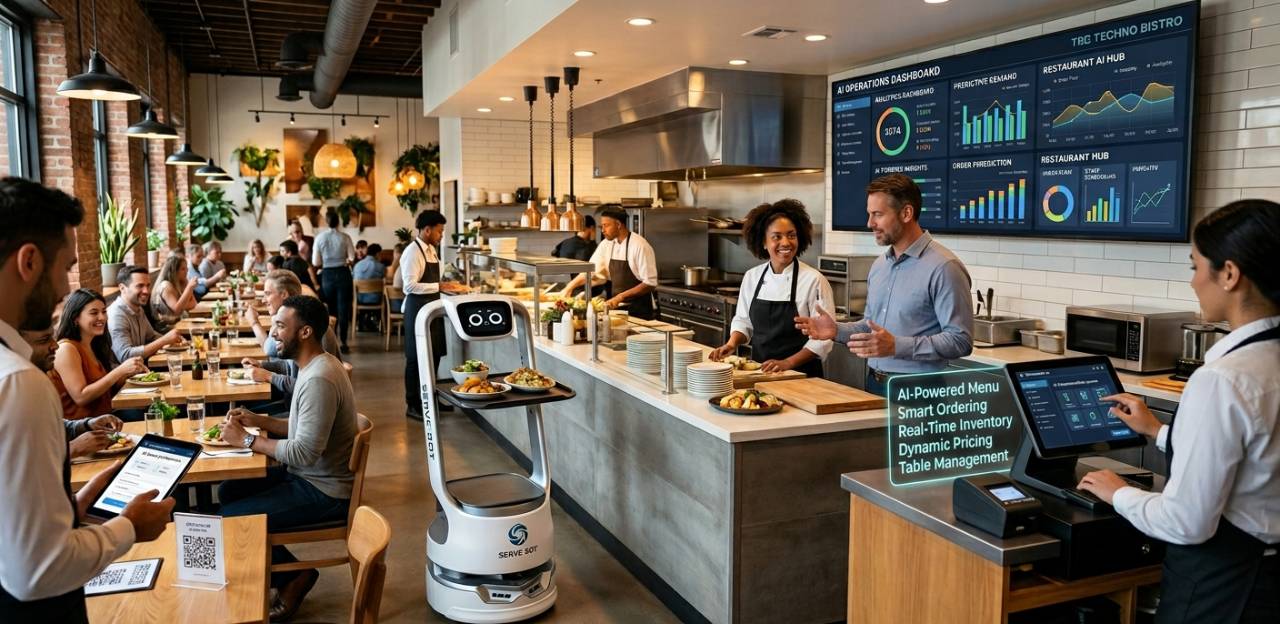
This AI playbook covers restaurant tools for voice ordering, staffing, compliance, menu pricing, inventory, marketing, ChatGPT prompts, and SEO.
May 15, 2026
Hardee’s giant Boddie-Noell inks 31-unit Scooter’s Coffee deal for NC and VA, leveraging drive-thru growth and local roots with rollout over 12–18 months.
May 15, 2026
Wingstop turns match weeks into a multi-sensory festival, aligning bold pop-ups with World Cup energy to build brand affinity and measurable momentum.
May 15, 2026
The parent company behind Dunkin', Buffalo Wild Wings, and Arby's has filed for an IPO a move that could reshape how Wall Street views the restaurant sector.
May 15, 2026
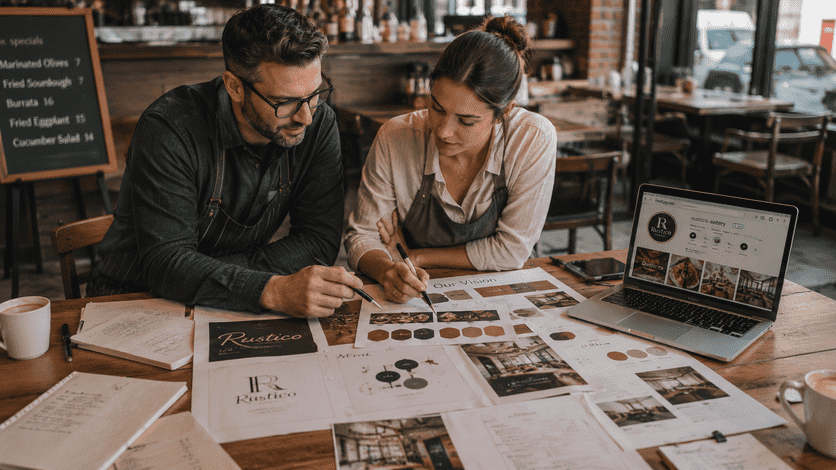
Learn how to develop a memorable restaurant brand identity that stands out in a crowded market, attracts loyal customers, and drives repeat business with actionable strategies and affordable tools.
May 15, 2026
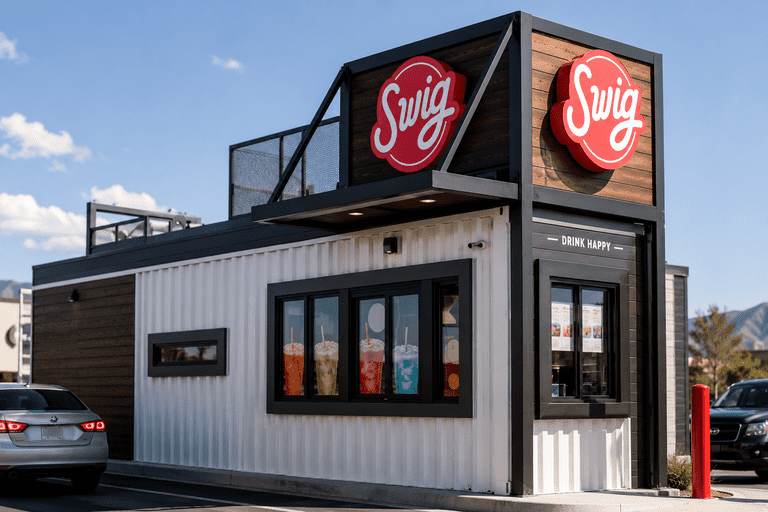
Dirty soda chain Swig is expanding into Colorado through a 10-unit franchise deal, riding a consumer beverage trend that's catching the attention of major QSR players nationwide.
May 15, 2026
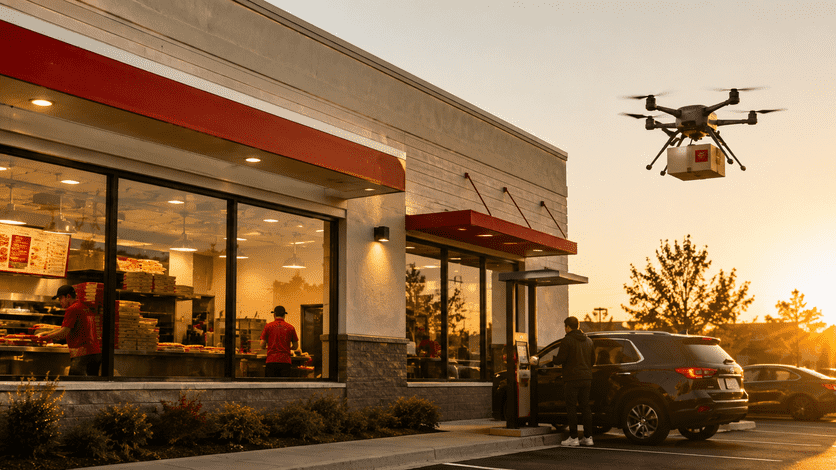
Papa Johns has teamed up with Alphabet's Wing for drone delivery of its new sandwich lineup in parts of Charlotte marking the first partnership of its kind between Wing and a national QSR brand.
May 15, 2026
A warm, expert-led look at McDonald’s Q1 results, menu makeover, and the refranchise question shaping its growth.
May 14, 2026
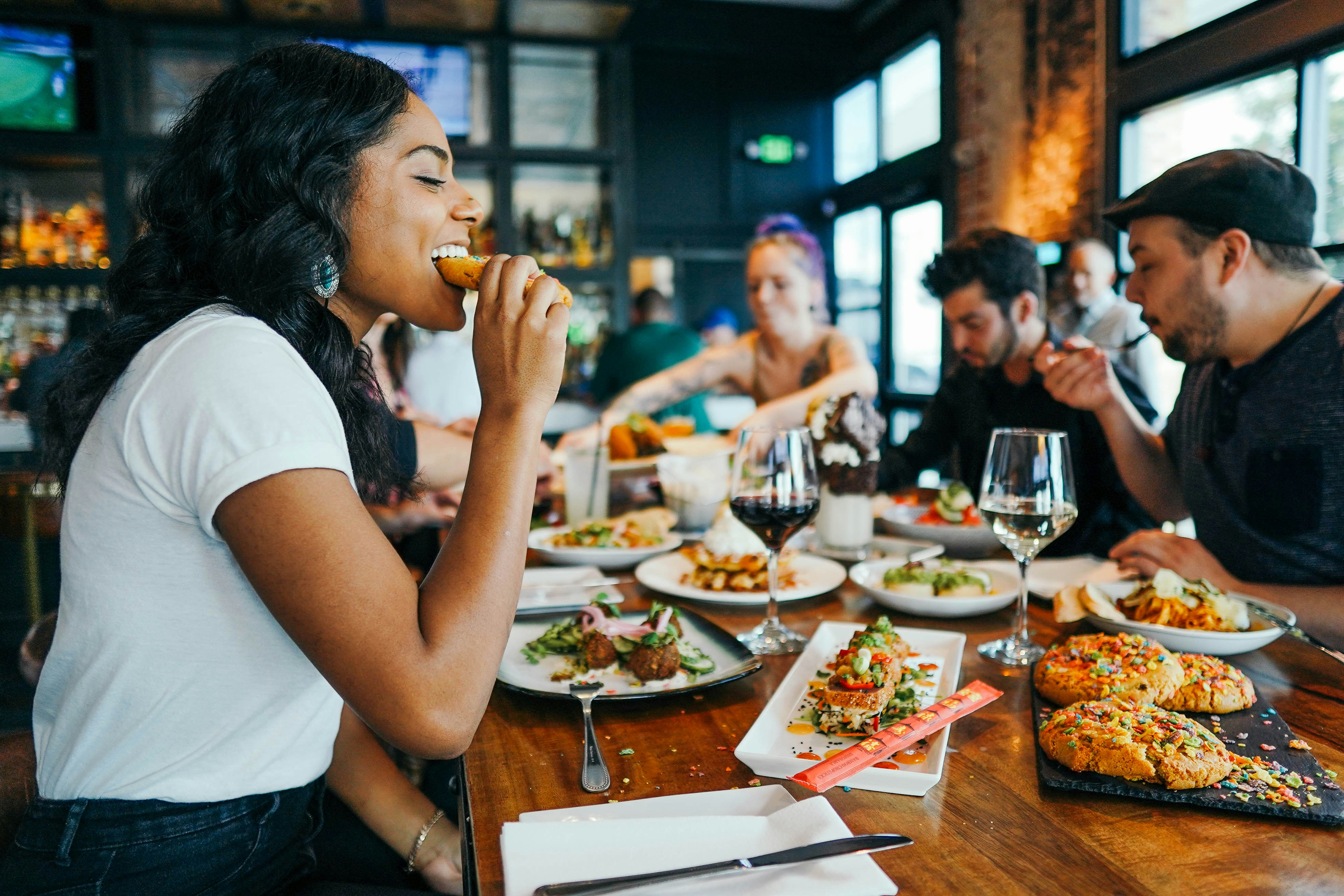
A reflective look at Habit Ranch, its immersive desert activation, and what it signals for brand loyalty and mindful, experiential dining.
May 14, 2026

Unlock Exclusive Access To Webinars, Events, And The Latest News For Free!
A narrative of the off-premises shift as Zach Noren joins Papa John’s, signaling a platform-driven future across seven brands.
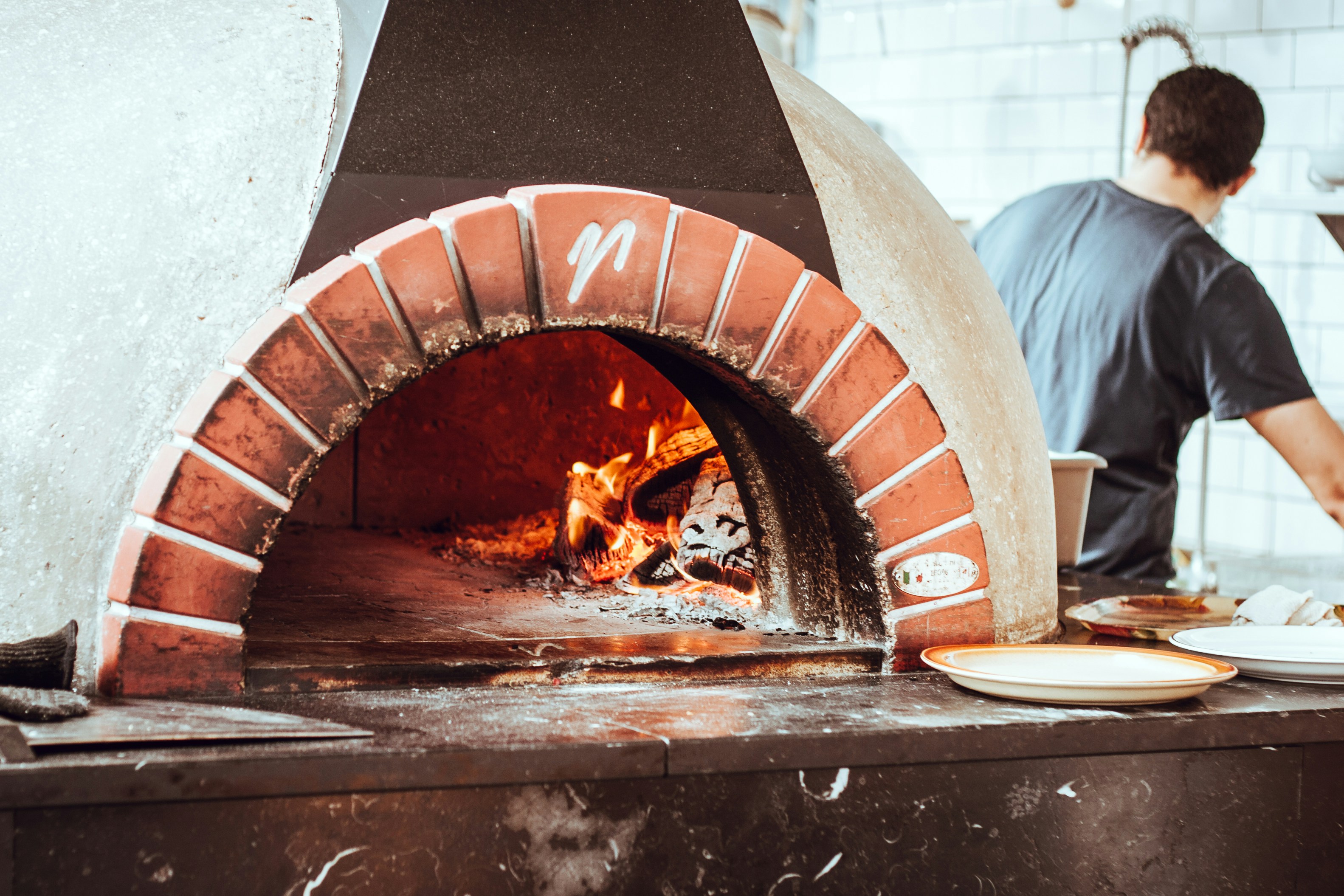
Photo by Cathal Mac an Bheatha
Delivery leadership is undergoing a quiet transformation as brands seek to weave guest experiences across first- and third-party channels. In August 2025, Papa John’s welcomed Zach Noren as Director, Delivery Strategy, a move that places him at the center of a shifting landscape where technology-enabled partnerships and platform thinking promise scale across a multi-brand world. From his early days with Uber Eats to the current platform mindset at GoTo Foods, Noren's arc reads like a roadmap for integrated delivery ecosystems. This isn't merely a job change; it's a signal about how operators are balancing speed, data, and margins in a connected ecosystem.
Viewed through a sourcing-minded, sustainable-dining lens, the move signals a thoughtful recalibration of delivery’s role in a balanced menu experience. Operators are weaving guest experience with data transparency and operational efficiency into a single, nourishing pathway that respects margins while mindful of broader impact.
Uber Eats launched Noren’s trajectory into the restaurant space, where he first aligned with Boston-area restaurants and refined the courier network just before the pandemic reshaped the industry. Promoted to Uber Direct, he built high-impact partnerships with leaders such as McDonald’s, Five Guys, Shake Shack, Yum! Brands, Inspire Brands, White Castle, and sweetgreen, gaining experience scaling collaborations across domestic and international markets. Beyond delivery, he supported launches with digital ordering tech providers—Lunchbox, Olo, Checkmate, and Toast—where online ordering and delivery surged in popularity. In 2023, he moved to GoTo Foods to direct first- and third-party off-premises strategies for a seven-brand portfolio. This path, industry profiles suggest, laid the groundwork for a platform-focused leadership style that many brands now seek.
"always be curious and never stop learning." said Zach Noren, a refrain that has echoed through his interviews as he has mapped partnerships, data use, and scalable growth across channels. This mindset is reflected in the way leaders frame off-premises not as a silo but as a connected engine that can ride technology, enable guest experiences, and sustain margins.
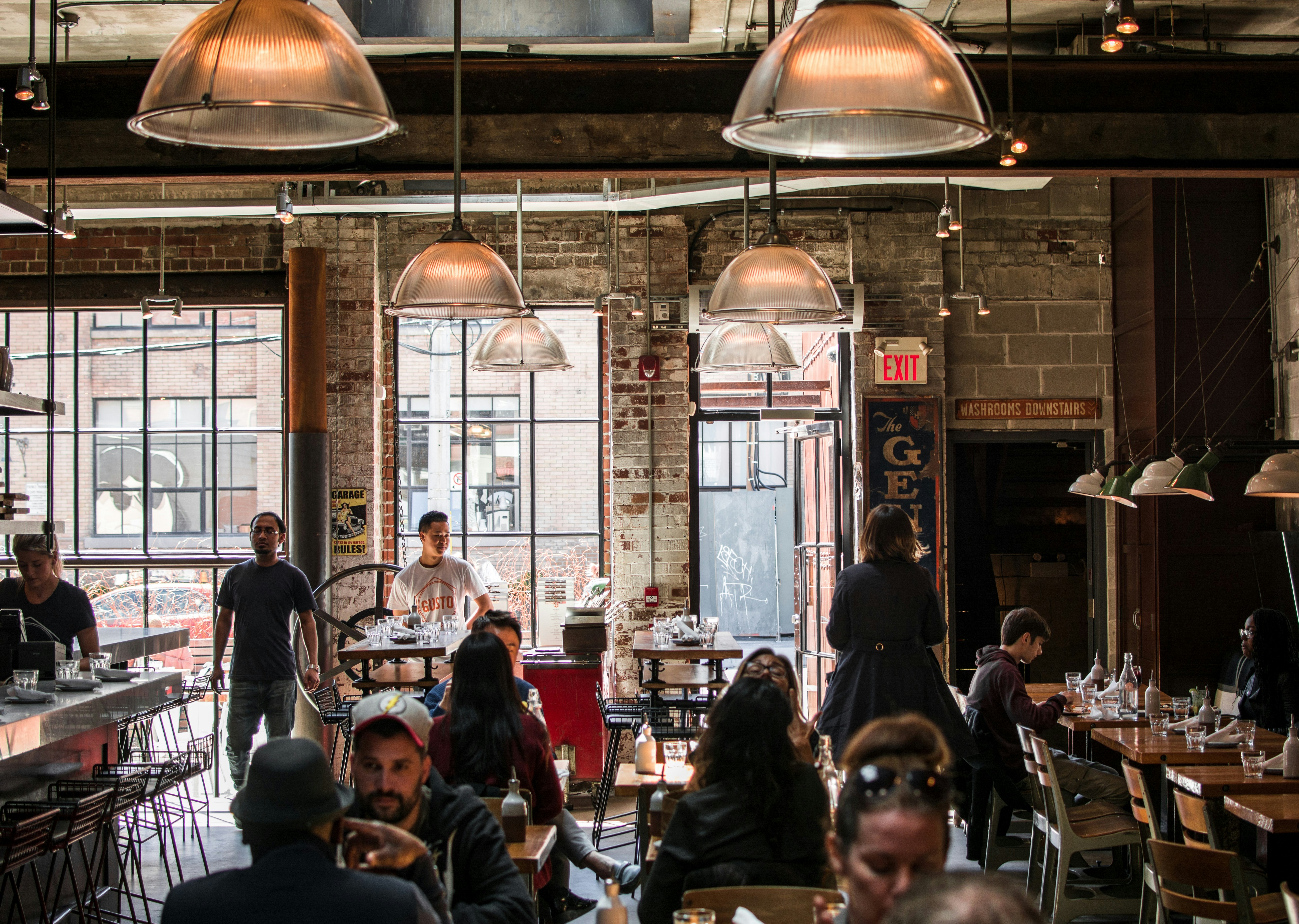
GoTo Foods—formerly Focus Brands—transformed in 2023 toward a platform-driven model that unifies Auntie Anne’s, Carvel, Cinnabon, Jamba, Moe’s Southwest Grill, Schlotzsky’s, and McAlister’s Deli under a single strategy. In this configuration, Noren was responsible for off-premises strategy across the portfolio, including marketing, operations, and managing relationships with third-party delivery vendors. The role encompassed both first- and third-party channels as consumer behavior leaned into digital ordering and delivery. The company highlights the breadth of the portfolio—seven brands with a footprint of more than 6,600 locations across 60+ countries—underpinning a scalable, tech-enabled approach to multi-brand growth.
That framework—where a single platform coordinates diverse brand experiences—signals how the industry is testing scale without diluting identity. It also foregrounds how first- and third-party channels can be harmonized to keep delivery fast, reliable, and nourishing for guests wherever they order.
Off-premises has matured into a viable growth channel post-pandemic, yet it now rests within a framework of evolving regulations, data-privacy concerns, and calls for accountability in delivery ecosystems. Noren has noted that data transparency and accountability with delivery service providers remain central friction points, even as progress has been made since the early years of the pandemic. Industry reporting shows brands navigating regulatory shifts while continuing to lean on technology and partnerships to smooth execution across a multi-brand portfolio. The landscape also features a maturing first-party delivery trend as operators seek to regain guest-control and optimize margins, even as third-party channels persist.
In this era, the sector’s growth hinges on balancing guest convenience with responsible data practices and transparent vendor relationships—an equilibrium that supports sustainable margins across seven brands and beyond.
Looking forward, Noren identifies whitespace areas where technology can move the economics of off-premises: robotics and drone delivery, AI-enabled routing and forecasting, and the revival of catering as a growth engine. He has described off-premises as still offering substantial opportunities for investment in capabilities that improve efficiency and guest experience, even as the sector has matured. The GoTo Foods platform signals a sustained emphasis on tech investments to support scale across seven brands, including integrated digital experiences and streamlined operations. Broader industry coverage notes Papa John’s ongoing digital transformation—emphasizing technology-enabled delivery ecosystems and AI-driven tools—to sustain growth in a competitive QSR landscape.
For operators, that signals a thoughtful, nourishing future where platform-driven models aren’t just about speed, but about consistency, data-informed decisions, and a more balanced guest journey—an approach that sits well with sustainable dining and thoughtful sourcing.
Noren champions technology-driven entrepreneurship as a means to solve operators’ core challenges and encourages broad engagement through conferences and cross-brand collaboration. He has positioned events such as the QSR Evolution Conference as fertile ground for fresh perspectives, with GoTo Foods’ leadership often featured in industry coverage and thought leadership discussions. The era of off-premises is being tracked not only in trade press but also in investor and conference circuits, where his insights on partnerships, platform strategies, and scalable growth are repeatedly highlighted. In interviews and profiles, he emphasizes building wide-ranging relationships, proactive experimentation, and a mindset of curiosity—captured in his refrain: “always be curious and never stop learning.”
The implications are clear: off-premises is moving toward a controlled growth engine where brands pursue automation, data-driven decisions, and AI-enabled optimization while maintaining guest trust across multiple channels.
Taken together, Noren’s shift to Papa John’s underscores a broader industry trajectory: off-premises is becoming a controlled growth engine where brands seek seamless guest experiences across first- and third-party channels while pursuing automation, data-driven decision making, and AI-enabled optimization. For GoTo Foods, the seven-brand platform continues to push a coordinated strategy that emphasizes technology, partnerships, and scale across a global footprint of thousands of restaurants and cafes. The latest market data and corporate statements illustrate ongoing expansion and a continued push to modernize delivery operations, signaling that operators should expect more platform-driven models to proliferate as the sector evolves.
What began as a pandemic pivot is becoming a lasting architecture for growth—one that honors guest needs, respects margins, and leans into technology to keep the dining experience nourishing across brands and borders.