How Much Does It Cost to Open a Coffee Shop in 2026?
Opening a coffee shop in 2026 requires careful cost planning across rent, equipment, labor, technology, menu strategy, marketing, and sustainability.
operations
May 15, 2026
Opening a coffee shop in 2026 requires careful cost planning across rent, equipment, labor, technology, menu strategy, marketing, and sustainability.
May 15, 2026

This AI playbook covers restaurant tools for voice ordering, staffing, compliance, menu pricing, inventory, marketing, ChatGPT prompts, and SEO.
May 15, 2026

Hardee’s giant Boddie-Noell inks 31-unit Scooter’s Coffee deal for NC and VA, leveraging drive-thru growth and local roots with rollout over 12–18 months.
May 15, 2026

Wingstop turns match weeks into a multi-sensory festival, aligning bold pop-ups with World Cup energy to build brand affinity and measurable momentum.
May 15, 2026

The parent company behind Dunkin', Buffalo Wild Wings, and Arby's has filed for an IPO a move that could reshape how Wall Street views the restaurant sector.
May 15, 2026

Learn how to develop a memorable restaurant brand identity that stands out in a crowded market, attracts loyal customers, and drives repeat business with actionable strategies and affordable tools.
May 15, 2026

Dirty soda chain Swig is expanding into Colorado through a 10-unit franchise deal, riding a consumer beverage trend that's catching the attention of major QSR players nationwide.
May 15, 2026

Papa Johns has teamed up with Alphabet's Wing for drone delivery of its new sandwich lineup in parts of Charlotte marking the first partnership of its kind between Wing and a national QSR brand.
May 15, 2026

A warm, expert-led look at McDonald’s Q1 results, menu makeover, and the refranchise question shaping its growth.
May 14, 2026

A reflective look at Habit Ranch, its immersive desert activation, and what it signals for brand loyalty and mindful, experiential dining.
May 14, 2026

Unlock Exclusive Access To Webinars, Events, And The Latest News For Free!
Darden completes all-cash $605M acquisition of Chuy's, adding 101 Tex-Mex restaurants to its expanding multi-brand portfolio.
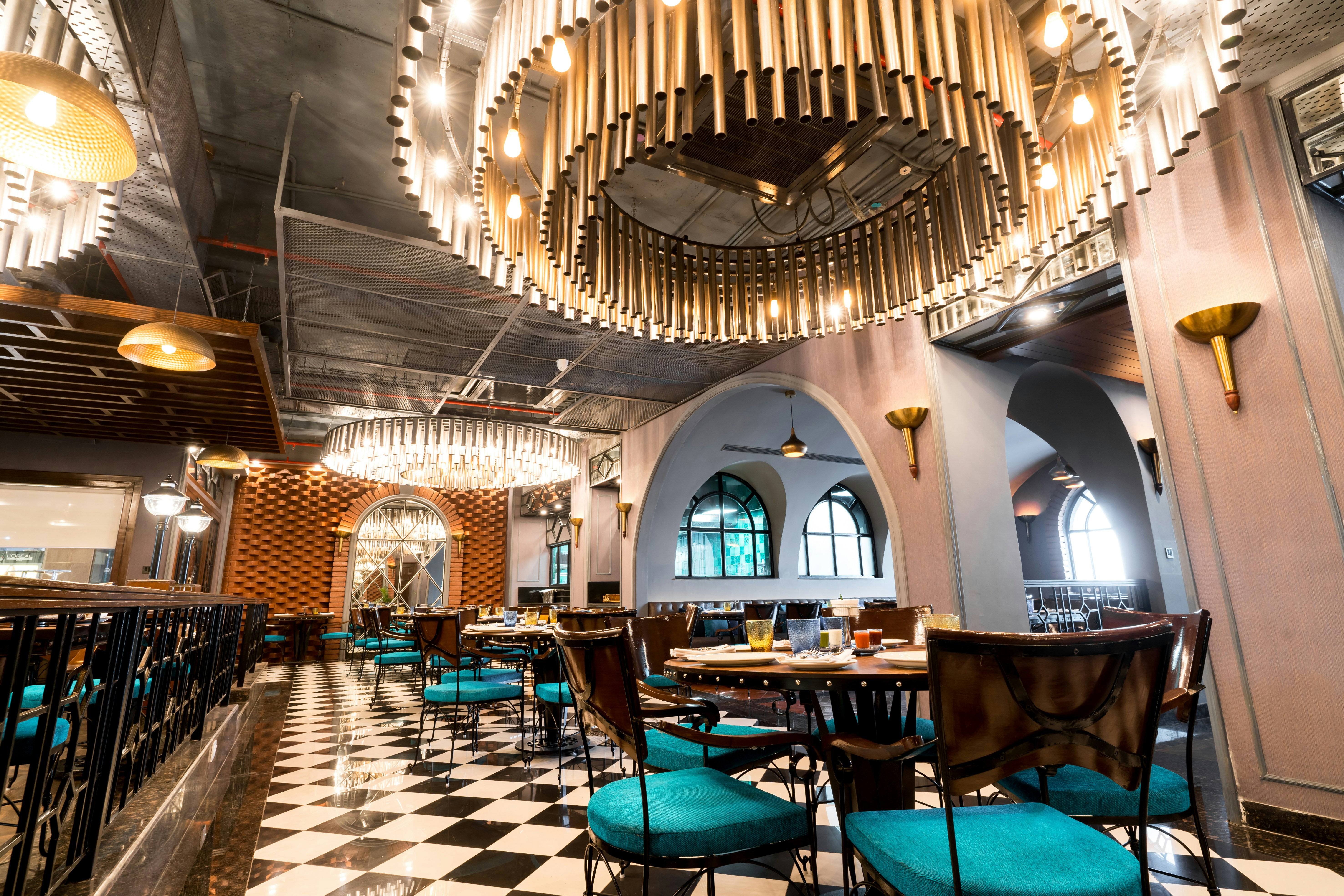
Photo by PRATEEK JAISWAL
From the sunlit corridors of Orlando to the measured cadence of a corporate stage, a new chapter unfolds. Darden Restaurants, Inc., the steward of Olive Garden and LongHorn Steakhouse, extends its reach with an all-cash pursuit of Chuy's Holdings, Inc. for approximately $605 million. The announcement, dated July 17, 2024, signals more than a purchase; it signals a philosophy of diversified appetite and disciplined growth. Chuy’s, born in Austin in 1982, will join a portfolio that already includes Yard House, Ruth’s Chris Steak House, The Capital Grille, Seasons 52, Eddie V’s, , and Cheddar’s Scratch Kitchen. Yet the soul of Chuy’s — its Tex-Mex heritage and a made-from-scratch menu — remains a touchstone as it steps onto a larger stage. The brand’s motto, "If you've seen one Chuy's, you've seen one Chuy's!", anchors the moment as much as the deal itself.
What follows is the archaeology of the deal: a disciplined structure that seeks scale without sacrificing identity. The transaction is an all-cash purchase with an enterprise value of about $605 million and a purchase price of $37.50 per share. Financing arrives via two senior notes issued in October 2024 — $400 million of 4.350% notes due 2027 and $350 million of 4.550% notes due 2029 — preserving Darden’s equity base while arming the closed transaction with liquidity. A customary 30-day go-shop aimed to uncover alternatives, underscoring a measured approach to pricing and diligence. The materials note a 40% premium to the 60-day VWAP and a roughly 10.3x multiple of Chuy’s trailing twelve months through March 31, 2024. The closing is anticipated in Darden’s fiscal second quarter, and the union will add about 7,400 team members to the company, expanding the footprint to 15 states and 101 restaurants.
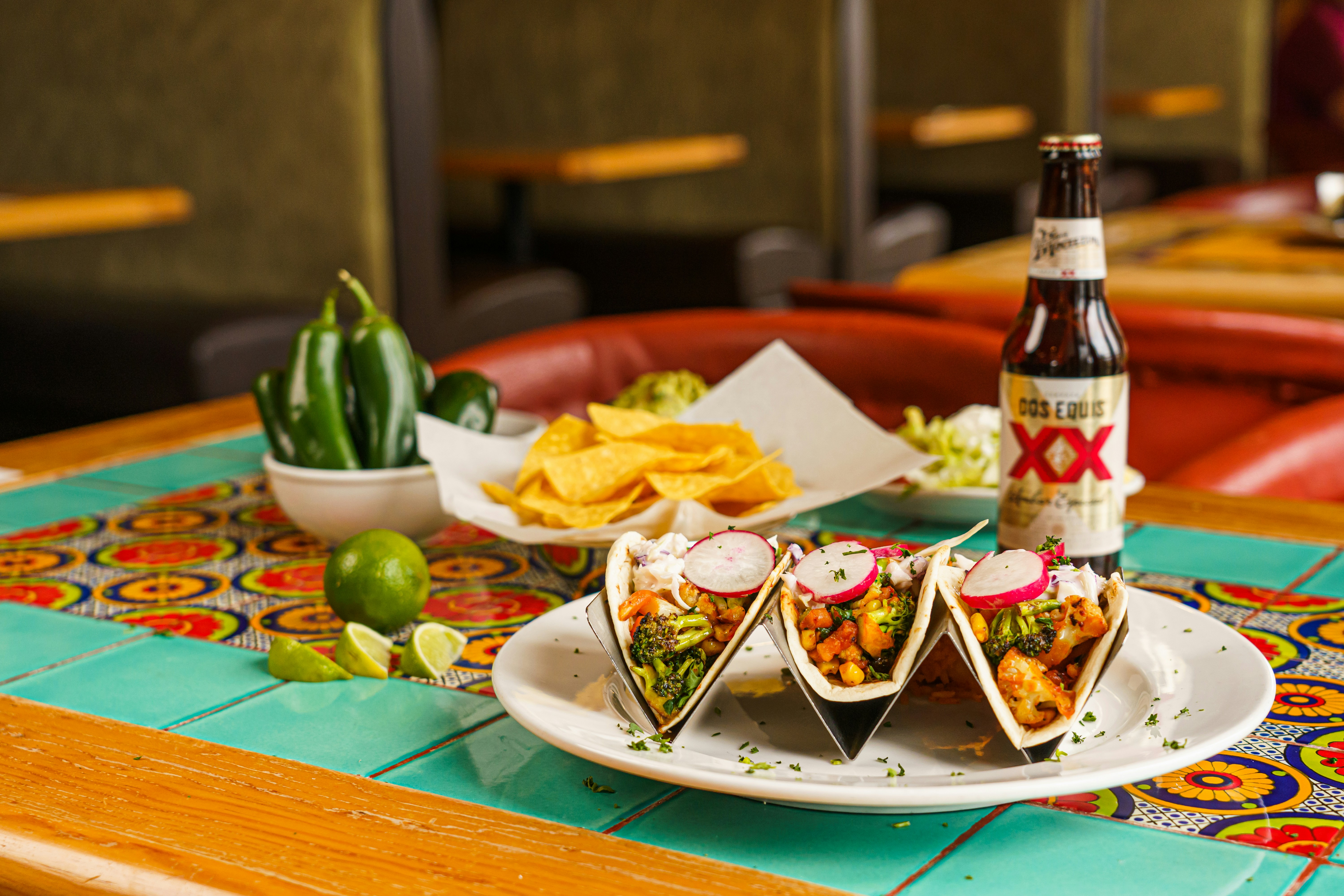
To understand the cadence of this move, one must hear Darden's recent blueprint: growth through strategic acquisitions that diversify the palate of its brands. In 2023 the company announced and later completed its acquisition of Ruth’s Hospitality Group for $715 million, ushering Ruth’s Chris Steak House into the fold and signaling a readiness to cross from casual-dining into more differentiated concepts. As of July 16, 2024, Chuy's operated 101 restaurants across 15 states and, in the twelve months ending March 31, 2024, delivered meaningful revenue and a regional appeal that complements Darden’s existing offerings. The July 17 merger materials framed Chuy’s as a differentiated brand within the full-service dining landscape, a strategic fit to diversify the portfolio and extend reach into new dining categories. The brand’s motto, "If you've seen one Chuy's, you've seen one Chuy's!", anchors its identity even as it scales; about 7,400 Chuy’s team members would join the company.
Chuy's arrival is framed as a differentiated brand within the full-service dining landscape, its 101 restaurants across 15 states offering a regional appeal that complements Darden's portfolio: Olive Garden, LongHorn Steakhouse, Yard House, Ruth’s Chris Steak House, The Capital Grille, Seasons 52, Eddie V’s, Bahama Breeze, and Cheddar’s Scratch Kitchen. The integration is presented as a cross-brand opportunity with a people-centric culture, premised on a shared operating philosophy that could accelerate growth across markets.
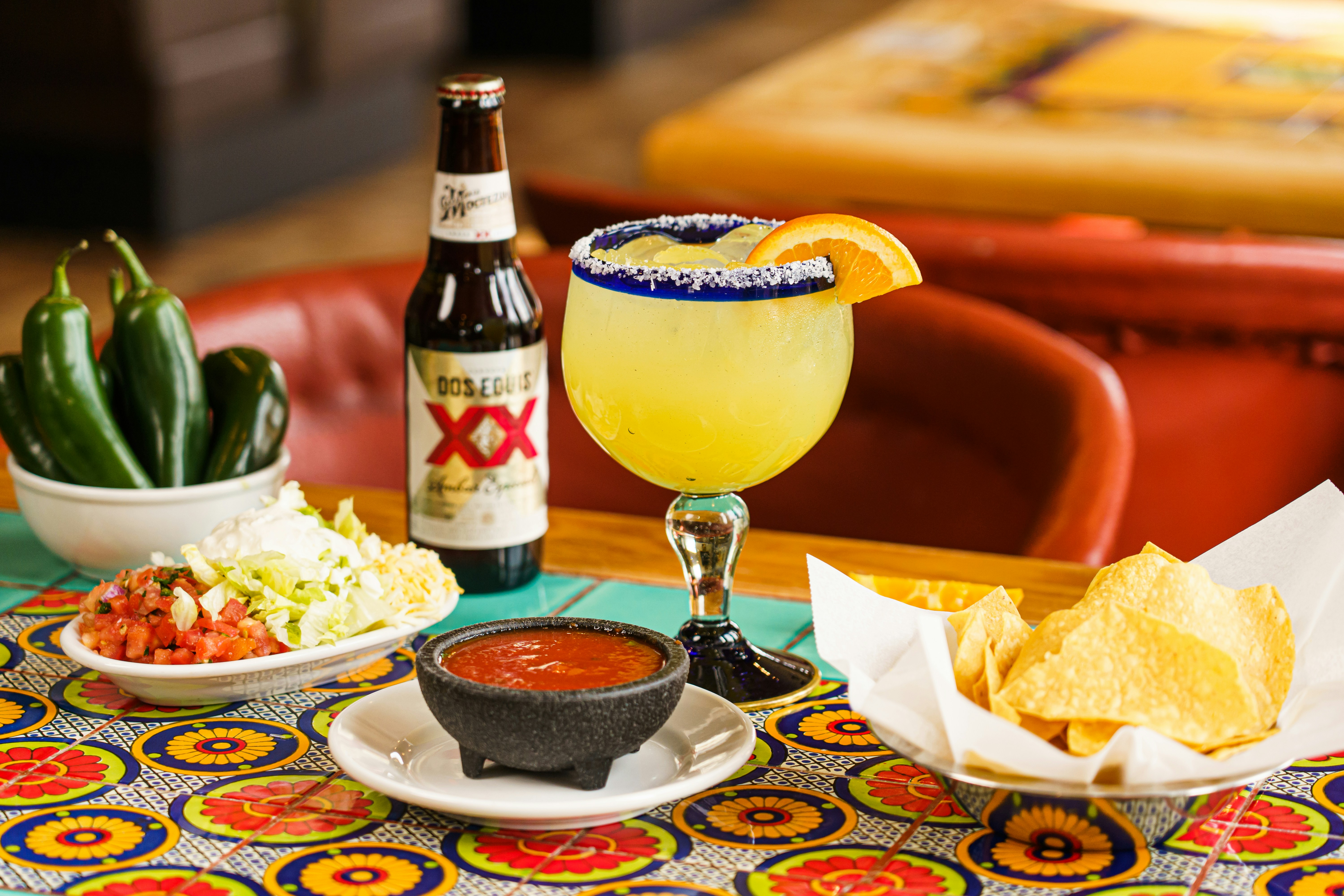
From the ledger to the kitchen, this deal is anchored in clarity. The transaction is an all-cash purchase with an enterprise value of approximately $605 million and a purchase price of $37.50 per share. Financing arrives through two senior notes issued in October 2024: $400 million of 4.350% notes due 2027 and $350 million of 4.550% notes due 2029, providing liquidity to close while preserving Darden’s equity base. The structure also features a customary 30-day go-shop period to probe alternatives, a hallmark of disciplined pricing and diligence. The materials describe the deal as a 40% premium to the 60-day VWAP and a ~10.3x multiple of Chuy’s latest twelve months.
The combination is expected to close in Darden’s fiscal second quarter and will bring 7,400 new team members into the company, reinforcing the breadth of its operating platform. This financing strategy preserves equity while arming the deal with the liquidity necessary to integrate a brand spanning 101 restaurants across 15 states.
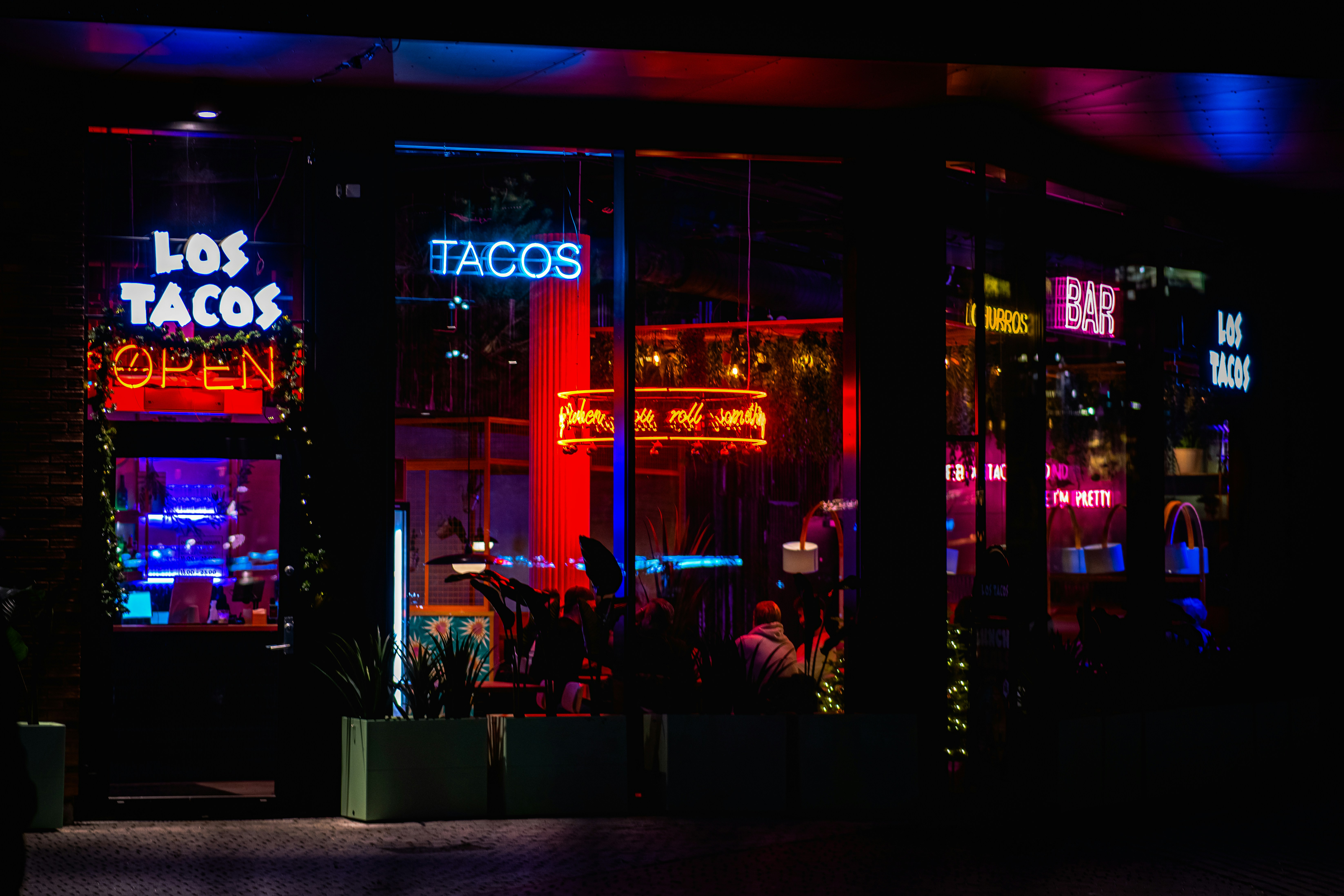
Rick Cardenas, President and CEO of Darden, described Chuy's as a differentiated brand with strong performance and growth potential, noting that the acquisition would diversify Darden’s portfolio and bring 7,400 new team members into the fold. The leadership at Chuy’s, led by Steven Hislop, welcomed the union, emphasizing a shared operating philosophy and people-centric culture that could accelerate growth across its Tex-Mex menu and concept. The familiar refrain, "If you've seen one Chuy's, you've seen one Chuy's!", stands as a reminder of the brand’s individuality—an individuality Darden intends to preserve even as it scales.
Both executives signal confidence in cross-brand collaboration and the ability to leverage Darden’s infrastructure to support Chuy’s expansion. The closing lines of the press materials emphasize that the merger is more than arithmetic: it is a union of cultures, a shared belief in people, and a strategic path toward broader reach without surrendering a single corner of Chuy’s character.
This move sits within a broader industry current: a quiet consolidation within casual dining as operators seek to diversify menus, extend geographic reach, and realize operating synergies across a larger brand network. The addition of Chuy's marks Darden’s first Tex-Mex-focused concept within its diversified stable, a strategic shift aligned with evolving consumer interest in regional and experiential dining. Analysts and industry observers noted that the deal could extend cross-promotional opportunities and shared supply chains, potentially yielding accretive results over time as the platform grows.
The narrative suggests a broader appetite within Darden for complementary regional brands that can ride the advantages of shared services and scale. In market commentary, the addition of a market-recognized Tex-Mex concept could broaden menus and invite cross-pollination among guests who already trust Darden’s multi-brand platform.
Yet, the path forward is never without friction. Darden estimates pre-tax net synergies of approximately $15 million by the end of its fiscal 2026, while planning for integration-related expenses totaling roughly $50 million to $55 million pre-tax. Aligning Chuy’s operations, procurement, and store-level cultures with Darden’s disciplined operating playbooks across 101 restaurants in 15 states presents a demanding workout for the organization. The go-shop window, though concluded without unforeseen competitive bids, served as a valuable safeguard to confirm strategic fit and pricing discipline. Near-term earnings will hinge on execution, supply-chain integration, and preserving Chuy’s guest experience as the brand scales within the Darden platform.
The narrative thus far acknowledges the upside while remaining mindful of the economics and cultural integration required. It is a test of whether scale can honor craft, and whether a Tex-Mex heritage can find a stable home within a broader, benchmarking framework.
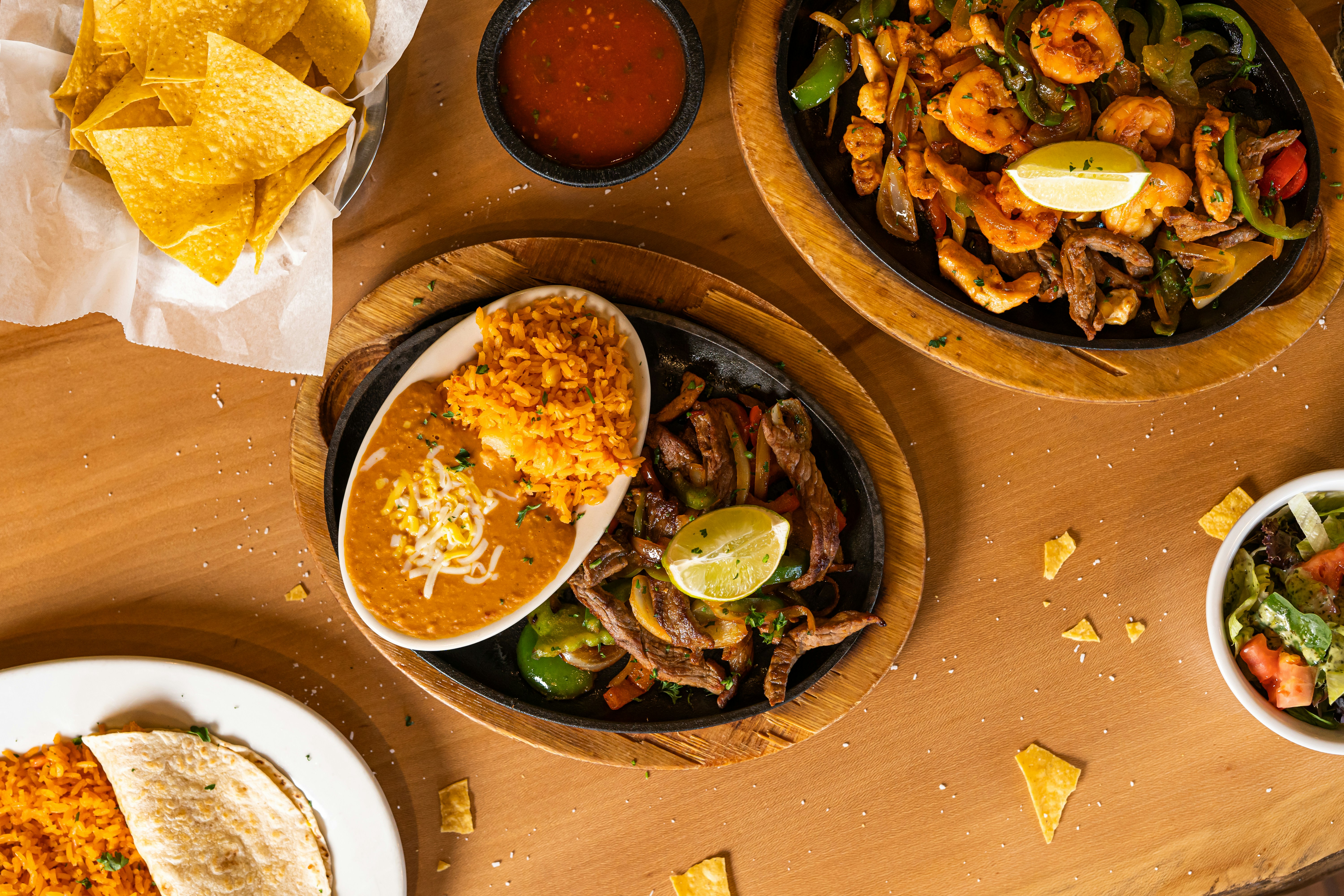
Looking ahead, the Chuy’s acquisition places Darden in a position to gain incremental market share within the crowded casual-dining arena and to offer new menu experiences to its existing customer base. By weaving a regional Tex-Mex concept into a diversified portfolio, the group signals a broader appetite for differentiated brands that can leverage shared services, supplier relationships, and scalability to reach more diners without diluting character. Stakeholders—employees, franchise partners, and guests—can anticipate a blend of operational finesse with brand evolution that preserves Chuy’s distinctive character while enabling broader reach and sustained growth within a larger restaurant-capital framework.
In its wake, the deal may frame future acquisitions aimed at differentiated concepts with strong regional footprints, guiding Darden’s growth path in the years ahead. If the orchestra can harmonize—heritage with scale, craft with discipline—the result could be a more varied and resilient dining landscape under one umbrella.