Fortress-Led Turnaround Sparks Red Lobster Comeback
Fortress-led plan preserves hundreds of restaurants, trims the footprint, and bets on IT upgrades to guide Red Lobster back to profitability after Chapter 11.
Franchising
Apr 23, 2026
Fortress-led plan preserves hundreds of restaurants, trims the footprint, and bets on IT upgrades to guide Red Lobster back to profitability after Chapter 11.
Apr 23, 2026
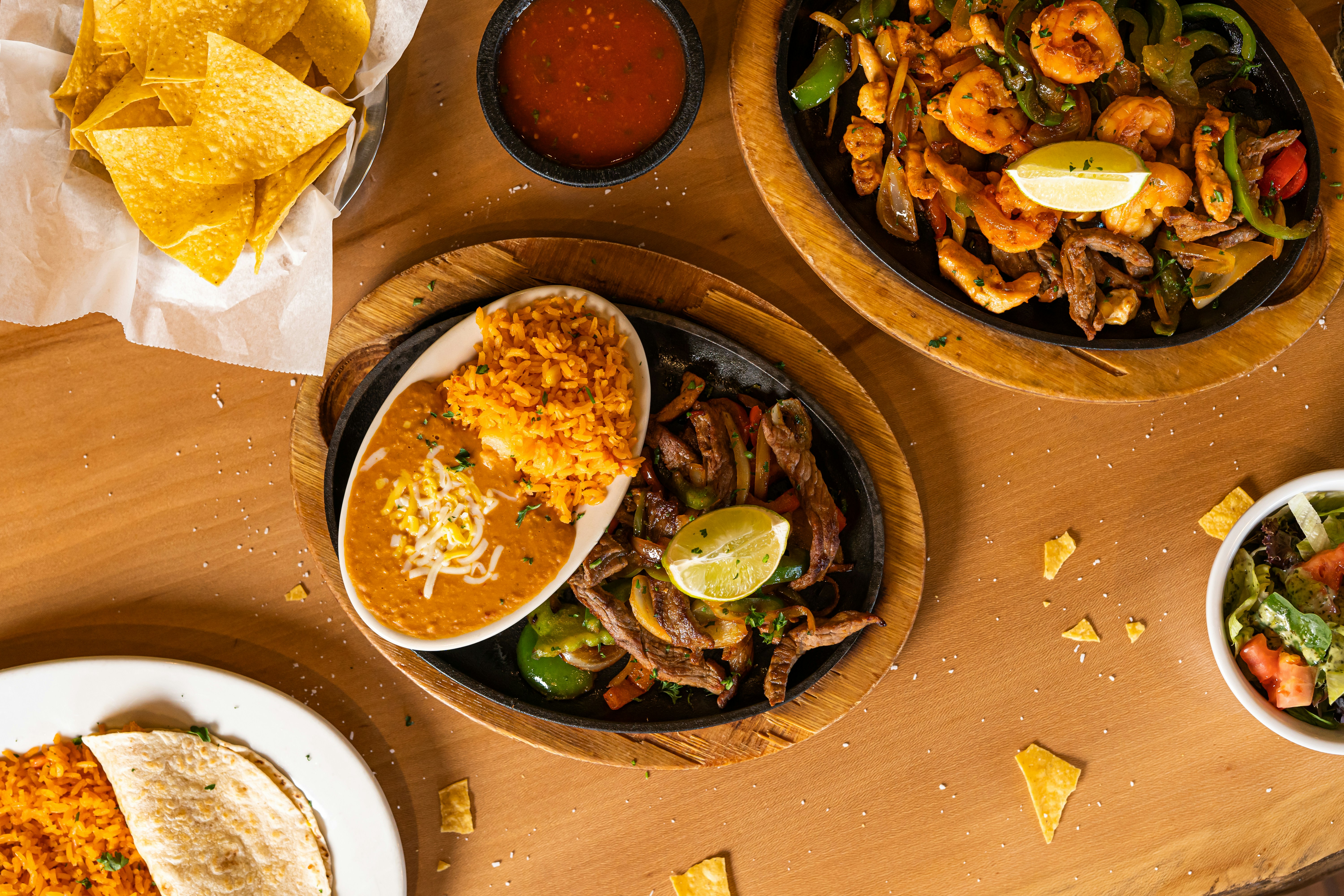
Photo by Hybrid Storytellers on Unsplash
Darden completes a $605 million all-cash acquisition of Chuy’s, amid shareholder questions on valuation and process; deal closes with governance considerations in play.
Apr 23, 2026
Private-equity backing accelerates Great Harvest's bakery-café expansion, sharpening supply chains, marketing, and franchise development.
Apr 23, 2026
WhataGames blends training, performance, and rewards to elevate hospitality as Whataburger expands. A narrative of culture shaping daily service.
Apr 23, 2026
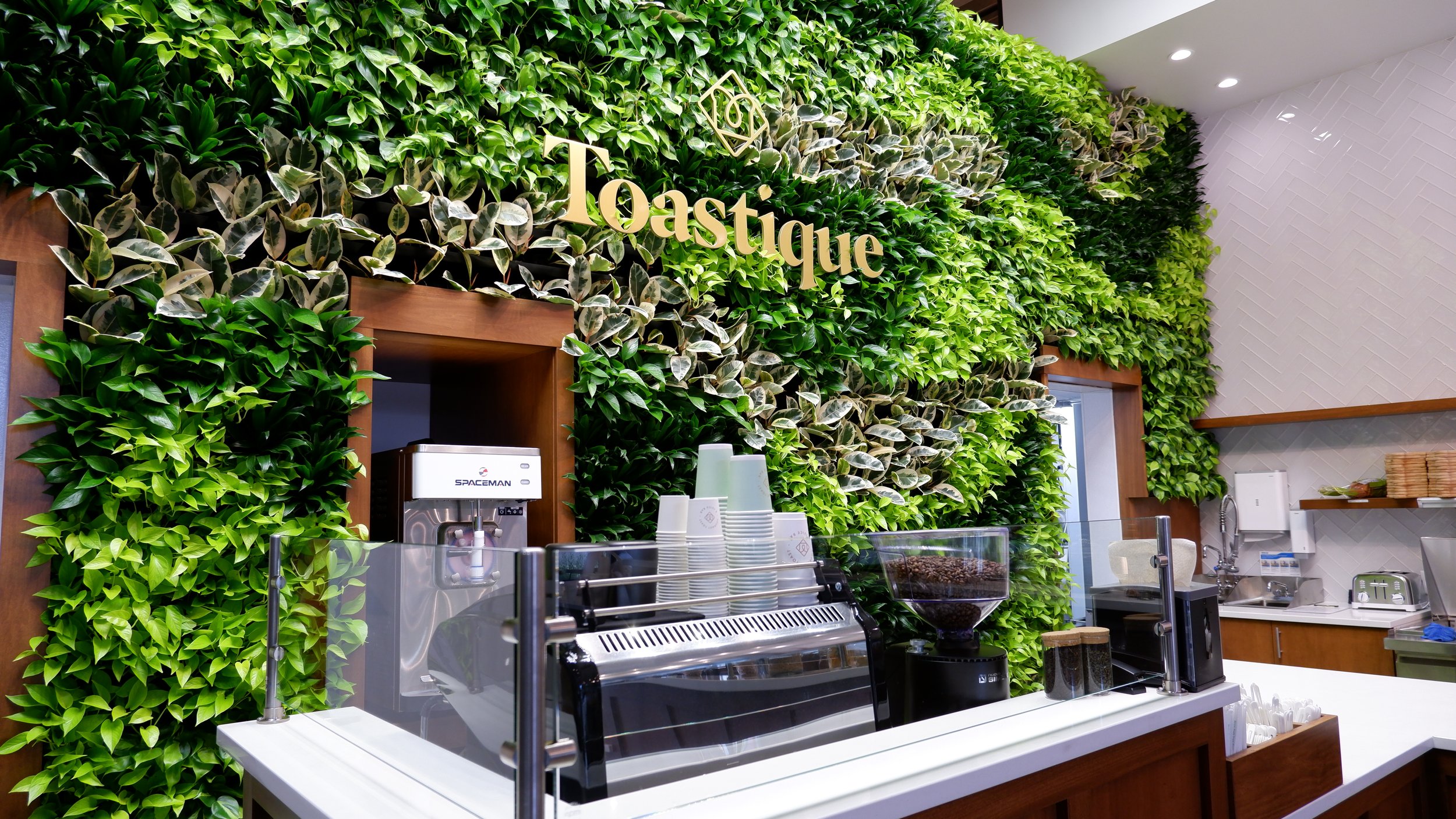
A clear-eyed look at vodka, rum, tequila, gin, whiskey, and brandy and how their production, aging, and regulation drive menu design and guest experience.
Apr 23, 2026

Photo by Priscilla Du Preez 🇨🇦 on Unsplash
El Pollo Loco uses value, speed, and a redesigned prototype to lift margins and accelerate growth amid headwinds.
Apr 23, 2026

Photo by Sergey Kotenev on Unsplash
A warm, expert look at how tech upgrades and value-focused moves are steering Outback and peers toward a rebound in a softer dining landscape.
Apr 23, 2026

Photo by ASIA CULTURECENTER on Unsplash
CFA appoints Dave Glodowski to drive advocacy, education, and member engagement as it broadens its policy footprint for franchisees.
Apr 23, 2026
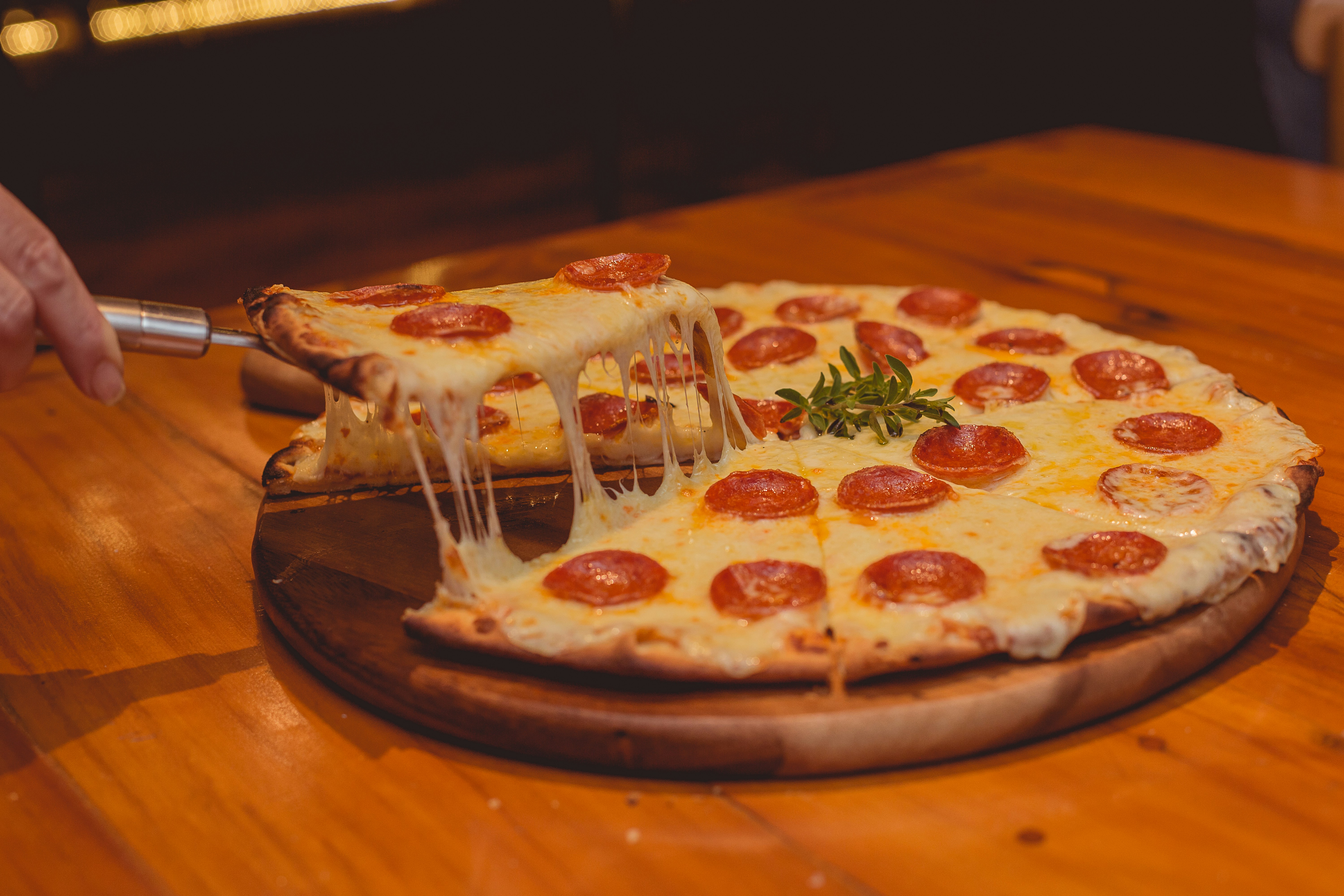
Photo by Getúlio Moraes on Unsplash
Papa John’s unveils Back to Better 2.0, a brand and marketing overhaul pairing a refreshed platform with data-driven tactics to lift awareness, loyalty, and profitability.
Apr 22, 2026
The 2026 action reinstates the 2020 joint-employer standard, tightening direct-control tests for franchisors and multi-unit brands in restaurants.
Apr 22, 2026
Darden completes a $605 million all-cash acquisition of Chuy’s, amid shareholder questions on valuation and process; deal closes with governance considerations in play.
Photo by Hybrid Storytellers on Unsplash
Darden and Chuy’s stood in the ring and shook hands on an all-cash consolidation. The deal, valued at about $605 million, landed at $37.50 a share and closed on October 10, 2024. It folds Chuy’s into a portfolio that already includes Olive Garden and LongHorn Steakhouse, a clear bet on scale as the engine of growth. The closing marks the end of a high-profile process that drew investor questions about valuation and process, but the ultimate move is simple: bigger scale, clearer leverage, clearer path to execution.
What to know at a glance — 101 restaurants across 15 states anchor the deal’s strategic rationale. The all-cash structure, backed by new debt, accelerates integration into Darden’s platform. The stockholders’ vote culminated in October 2024, clearing the way for a wider portfolio strategy and the synergies investors expect from a larger, diversified footprint. The closing didn’t erase questions about price or process, but it did deliver a concrete, post-close pathway for Chuy’s within Darden’s scale-driven model.
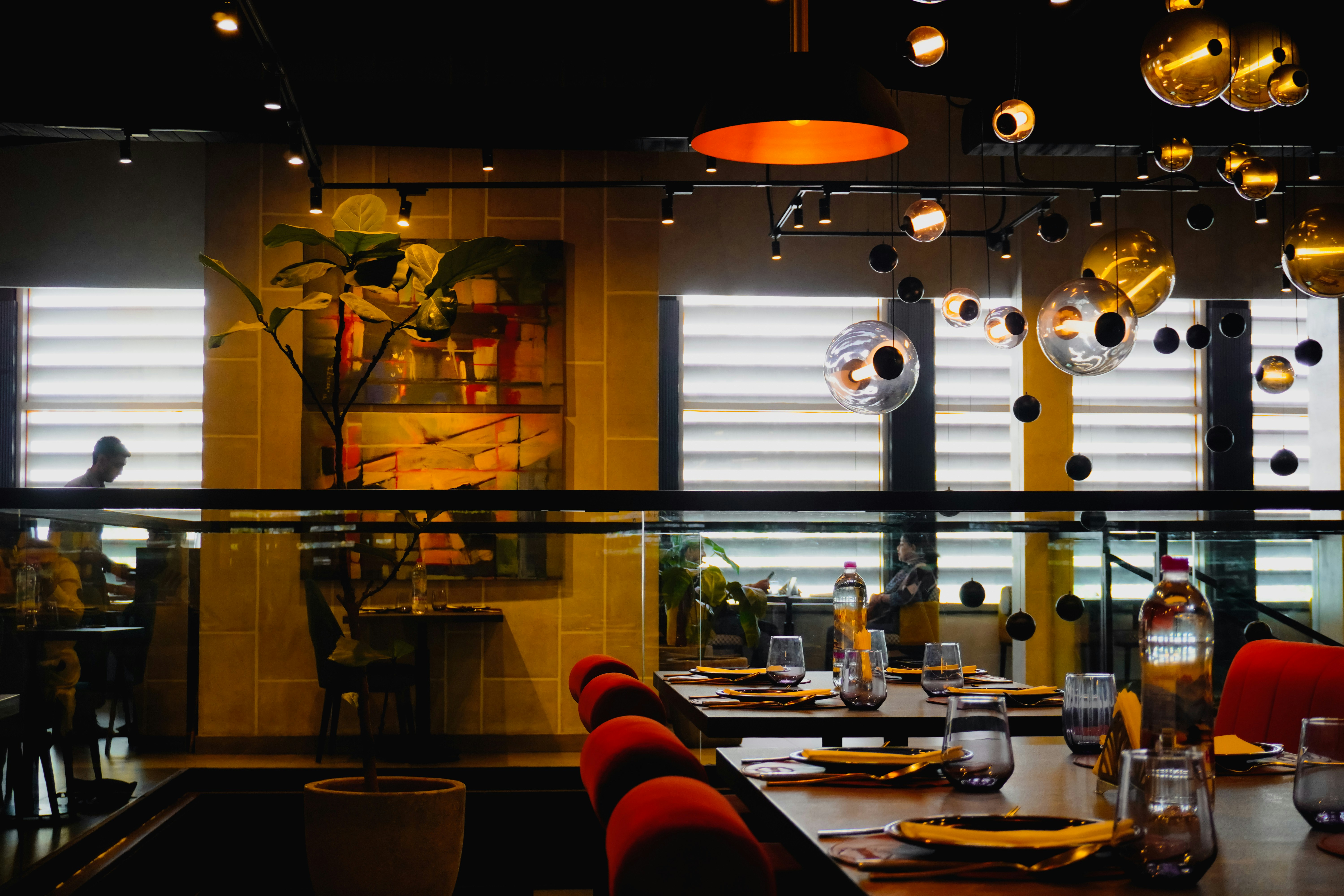
Valuation context framed the governance discussion. The offer valued Chuy’s at roughly $605 million, with stockholders receiving $37.50 per share. The deal was disclosed as all-cash, financed through new debt issued in October 2024. Chuy’s reported a footprint of 101 restaurants in 15 states as of July 2024, a growth profile Darden believed would translate into stronger operating leverage within a larger platform. The implied multiple on trailing EBITDA ran around 10.3x through March 31, 2024, a figure presented in the filings and echoed in coverage as a premium tied to growth and cross-brand potential.
Market context showed a premium versus some comparable deals. Public analyses highlighted that a 10.3x implied multiple sits above later-stage transactions and aligns with Darden’s track record of pricing bolt-ons that carry growth potential. In benchmarks cited by observers, Ruth’s Chris—acquired by Darden in 2023 for about $715 million at a 9.4x trailing EBITDA multiple—illustrates how Darden has historically priced strategic adjacencies. The Chuy’s deal hinges on Tex-Mex expansion and the ability to plumb cross-brand synergies across a larger ecosystem.
Shareholder pushback preceded the October vote. Chuy’s faced 13 demand letters and two complaints alleging undervaluation and concerns about the process. The company responded with a revised proxy that detailed how the $37.50 per-share price was derived and how it compared with peers. The supplemental disclosures clarified the methods behind Piper Sandler’s valuation but did not alter the merger consideration or the timing of the special meeting. The board continued to recommend voting in favor, signaling confidence in governance and the underlying strategic fit.
What changed, what didn’t — the disclosures aimed to reassure skeptical investors and clarify assumptions behind the valuation, but they did not reset the deal’s economics or the scheduled vote. The October 10 special meeting proceeded under the previously disclosed timetable, with the board’s recommendation remaining intact. In this sense, governance transparency became the bridge between a premium price and investor confidence, rather than a renegotiation of the price.
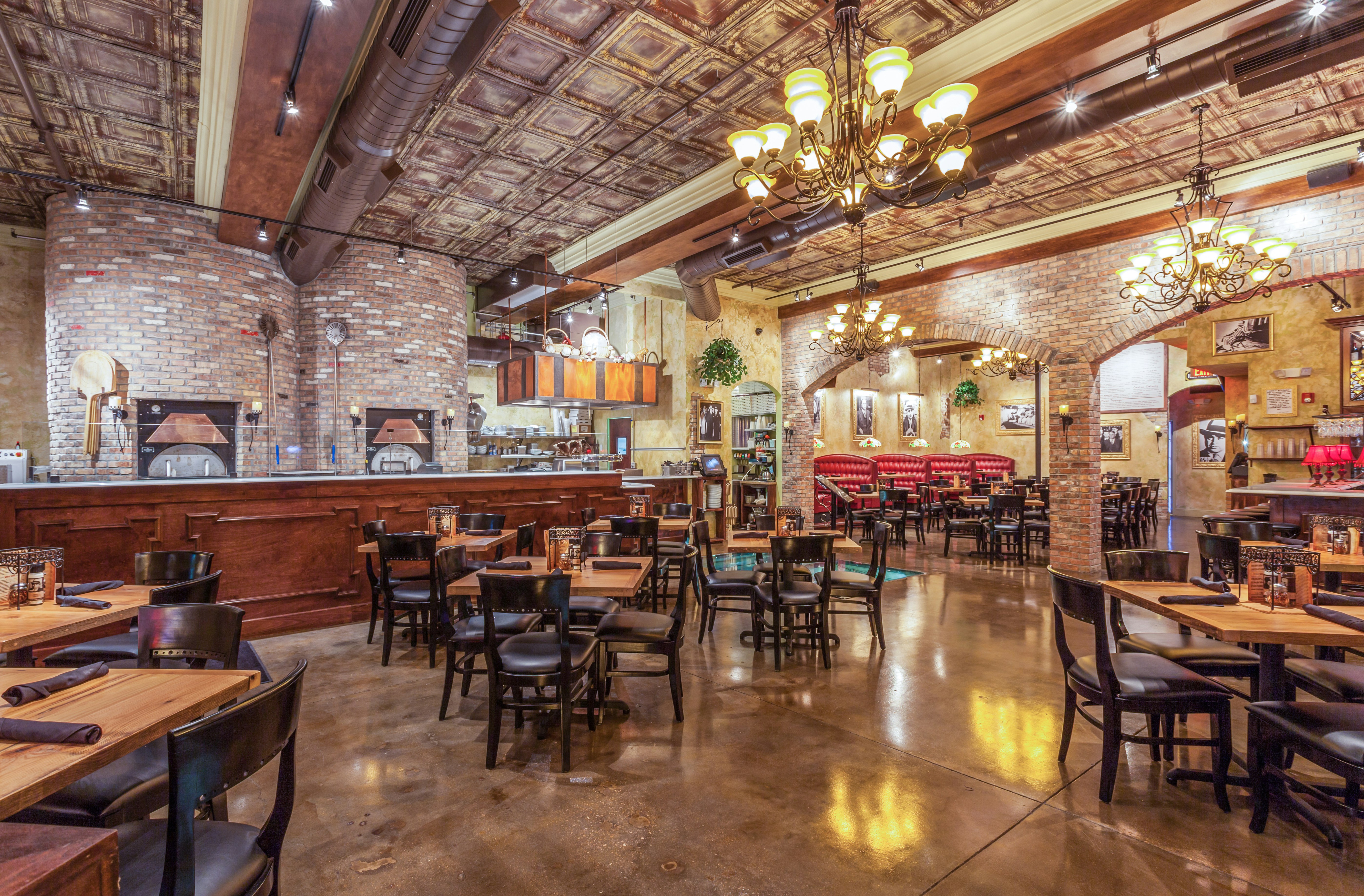
Financing was the practical backbone of the deal. Darden funded the all-cash closing through a combination of new debt instruments issued in October 2024, including a $400 million note offering at 4.350% due 2027 and a $350 million note offering at 4.550% due 2029. The October 10, 2024 closing moved Chuy’s into a broader corporate structure designed to optimize scale, brand diversification, and operating leverage across a larger footprint. Market reaction centered on expected synergies and long-term value creation as the platform grew more coherent.
Post-close focus shifts to integration milestones and how Chuy’s brand economics blend with Darden’s operating playbook. Investors watched for procurement gains, marketing synergies, and the potential to improve unit economics at scale. The tone in the market was cautious but constructive, with the understanding that the real test lies in execution—how quickly the Tex-Mex footprint is woven into a diversified, leverage-enabled platform.
Industry context places the Chuy’s deal in a broader M&A pattern: scale, diversification, and brand equity can justify premium valuations when paired with credible growth forecasts. The footprint expansion into Tex-Mex and cross-brand synergies are often cited as drivers of the premium. Benchmarking against Ruth’s Chris—acquired by Darden in 2023 for roughly $715 million at a 9.4x trailing EBITDA multiple—offers a reference point for the premium embedded in Chuy’s growth story. Comparables like RA Sushi and Benihana via One Hospitality Group tend to show lower multiples, reinforcing the rationale for Darden’s willingness to pay.
Governance implications linger after the closing. Gaps, uncertainties, and questions about valuation methods, process fairness, and fiduciary duties persist in high-profile restaurant deals. The shareholder challenges and the risk of litigation underscore the need for robust, transparent disclosures and independent review in large transactions. The Chuy’s case could shape how future transactions are structured and communicated, particularly in fast-growing casual-dining segments. The takeaway is blunt: governance matters as much as growth, and investors will demand clarity without stalling momentum.
Conclusion: industry and governance The Darden–Chuy’s move signals a broader trend of strategic consolidation. For Chuy’s, the closure marks a transition into a larger platform with governance and disclosure practices under the microscope. For Darden, it signals ongoing appetite for selective expansion and portfolio optimization, using scale to unlock synergies across a diversified lineup. As the market absorbs the implications, post-close performance and integration milestones will reveal how credible the governance framework is in sustaining growth without stalling momentum.