How Much Does It Cost to Open a Coffee Shop in 2026?
Opening a coffee shop in 2026 requires careful cost planning across rent, equipment, labor, technology, menu strategy, marketing, and sustainability.
operations
May 15, 2026
Opening a coffee shop in 2026 requires careful cost planning across rent, equipment, labor, technology, menu strategy, marketing, and sustainability.
May 15, 2026
This AI playbook covers restaurant tools for voice ordering, staffing, compliance, menu pricing, inventory, marketing, ChatGPT prompts, and SEO.
May 15, 2026
Hardee’s giant Boddie-Noell inks 31-unit Scooter’s Coffee deal for NC and VA, leveraging drive-thru growth and local roots with rollout over 12–18 months.
May 15, 2026
Wingstop turns match weeks into a multi-sensory festival, aligning bold pop-ups with World Cup energy to build brand affinity and measurable momentum.
May 15, 2026
The parent company behind Dunkin', Buffalo Wild Wings, and Arby's has filed for an IPO a move that could reshape how Wall Street views the restaurant sector.
May 15, 2026

Learn how to develop a memorable restaurant brand identity that stands out in a crowded market, attracts loyal customers, and drives repeat business with actionable strategies and affordable tools.
May 15, 2026
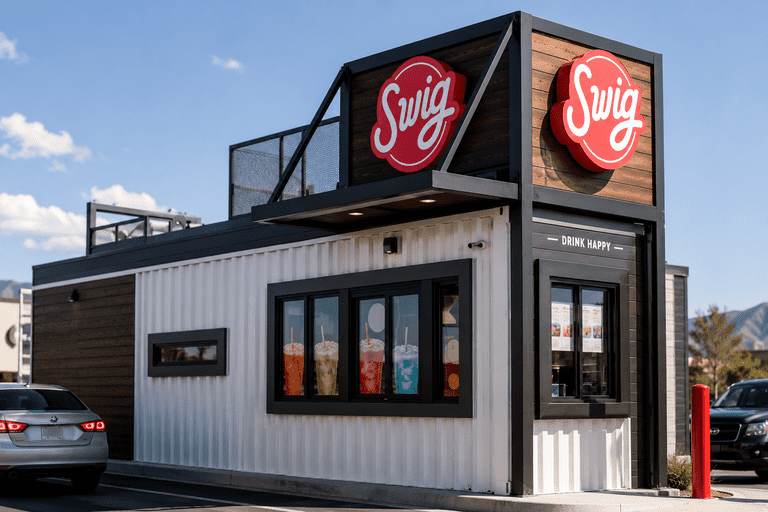
Dirty soda chain Swig is expanding into Colorado through a 10-unit franchise deal, riding a consumer beverage trend that's catching the attention of major QSR players nationwide.
May 15, 2026
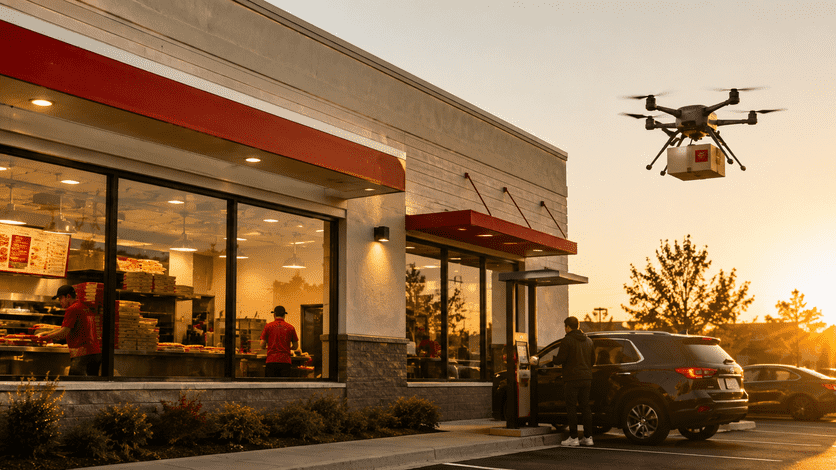
Papa Johns has teamed up with Alphabet's Wing for drone delivery of its new sandwich lineup in parts of Charlotte marking the first partnership of its kind between Wing and a national QSR brand.
May 15, 2026
A warm, expert-led look at McDonald’s Q1 results, menu makeover, and the refranchise question shaping its growth.
May 14, 2026
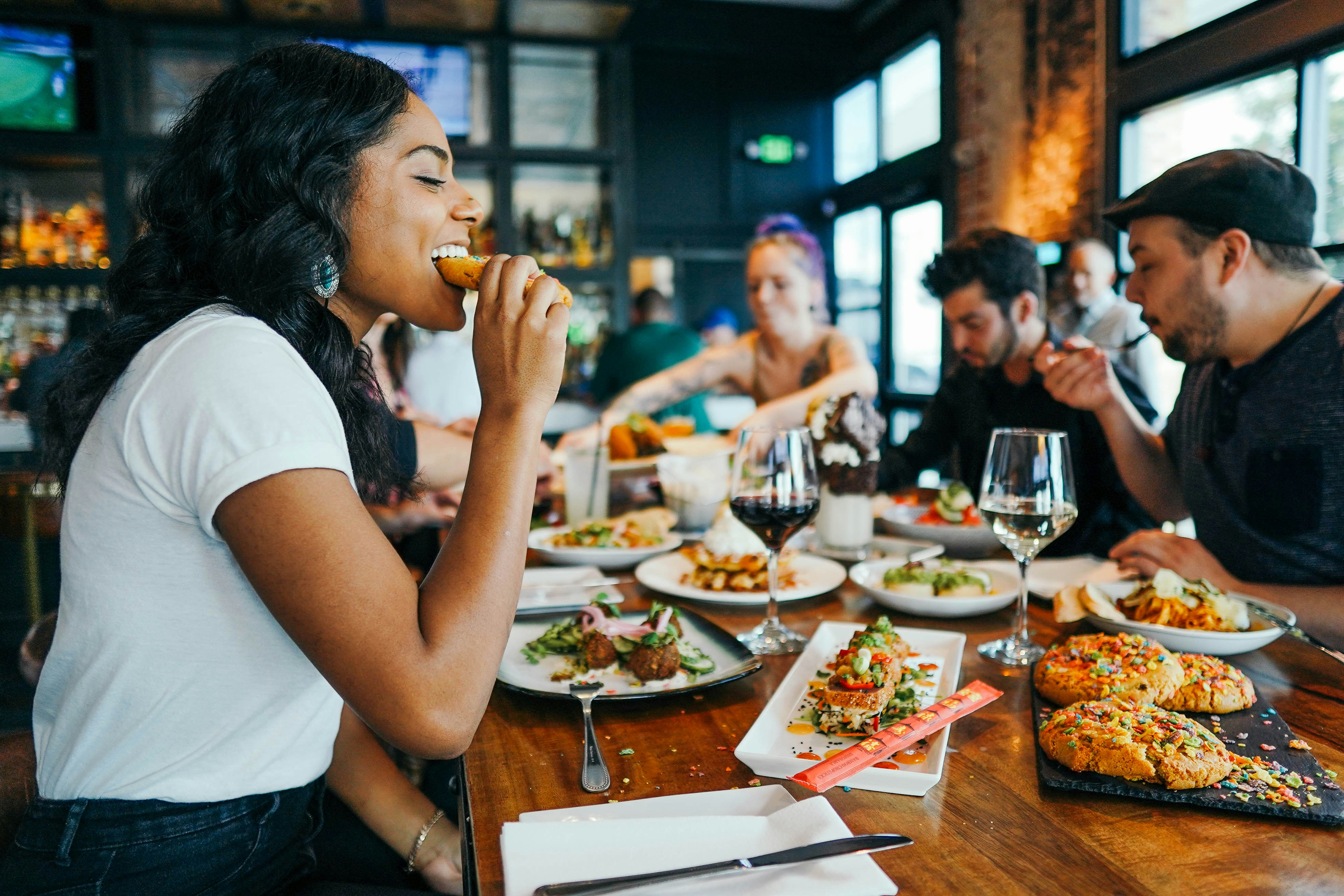
A reflective look at Habit Ranch, its immersive desert activation, and what it signals for brand loyalty and mindful, experiential dining.
May 14, 2026

Unlock Exclusive Access To Webinars, Events, And The Latest News For Free!
Smalls Sliders scales through culture-driven, modular Cans, a centralized training ecosystem, and a franchise council to harmonize growth across markets.
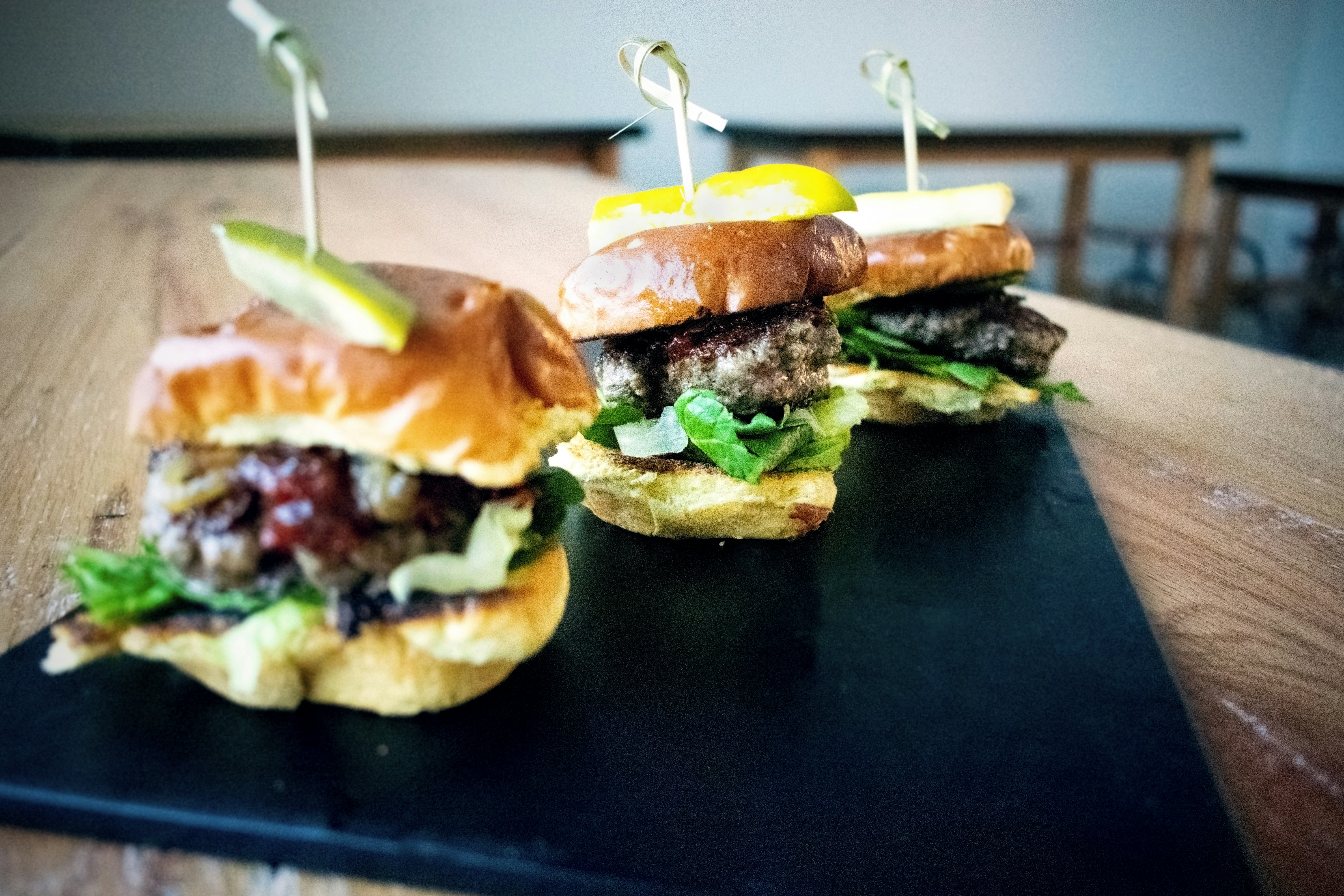
Photo by Lindsey Elsey
Smalls Sliders approaches expansion as a culinary choreography rather than a simple rollout. The stage is set in miniature: 800-square-foot Cans that travel across landscapes with a disciplined elegance, a modular design promising uniform guest delight no matter the market. By 2025, observers note more than 375 Cans open or in development across 30 states, a horizon that could reach even farther with the right tempo. The brand frames speed and quality as two sides of the same coin, anchored in a culture-first operating model that translates as readily in bustling cities as in quieter precincts. A new training center near Atlanta and an upgraded learning-management system secure the continuity of craft as the footprint grows. Julie Hauser-Blanner, five months into the role of chief operations officer, projects a moment when tradition and velocity align: The simplicity of the brand – it’s so exciting, it’s so disruptive, and it’s exactly what the consumer is looking for. The underlying claim is clear: culture, not product alone, is the lever that multiplies reach.
Behind the horizon lie the operational bones of scale: a tightly curated menu centered on cheeseburger sliders, fries, grilled cheese, shakes, and drinks, designed for speed and consistency. The Can’s roughly 800-square-foot footprint supports rapid openings and a uniform guest flow through standardized equipment and procedures. Smalls couples its culinary focus with a centralized training ecosystem to keep staff aligned across geographies, from onboarding to opening day. The company has upgraded its learning management system and crafted standard operating procedures to accelerate launch readiness. Quarterly reviews form a formal cadence, a rhythm that keeps pace with ambition while preserving the brand’s distinctive voice. In this choreography, culture is not an abstract mood board but a daily discipline that travels with the cans.
Mechanics of scale are the artful constraint that makes culture tangible. The 800-square-foot Can is engineered for speed, with a tightly focused menu that reduces decisions at the pass and accelerates service. The design relies on replicable equipment layouts and standardized procedures, while a disciplined learning loop travels ahead of openings. A training center near Atlanta anchors this effort, and the company has upgraded its learning-management system to deliver consistent education for crew and franchisees before each unit goes live. Quarterly reviews become ritual, and the leadership’s refrain—we have to be nimble and fail fast because we are going so fast—keeps the pace honest against the clock.
Toward a tangible horizon, Hauser-Blanner aims to have training processes buttoned up by Q1 2025, enabling quick, efficient, scalable openings. The organization speaks in rhythms of nimbleness and rapid feedback as growth accelerates, preserving quality as the network expands.

Leaders thread a governance corridor through a forthcoming Franchise Advisory Council. Hauser-Blanner describes it as a milestone that will help scale the brand while inviting operators into the growth calculus: The council will inform us, and we’re going to grow because we’re going to do it together with our franchisees. The energy around Smalls is palpable, a force driving brisk can purchases and rapid development. The council sits at the nexus of operations and field insight, a conduit for channeling candid feedback into workflow refinements and strategic decisions. In franchising, such councils are valued for structured feedback loops, and Smalls aims to keep governance distinct from day-to-day authority.
Industry observers note that councils vary in formal authority and effectiveness; the true test lies in clear scopes, measurable goals, and transparent feedback loops. Smalls’ council is designed to channel franchisee input into operational enhancements and systemic growth—without surrendering the corporate compass that steers a multi-market brand.

Smalls Sliders has sprinted along a national footprint, leaning on multi-unit deals and fresh market entries. In 2023 and 2024 the pace intensified in Texas and beyond, with early deals signaling a calculated push into high-potential markets. By 2025, Tennessee joined the map with four Cans announced for the Knoxville metro area under local operator Blake McDavid, a multifaceted entrepreneur with experience across restaurant concepts. Leadership has discussed partnerships with distinguished investors and a broad growth mandate, while the brand’s overall footprint now tops 375 Cans open or under development across 30 states. Florida expansions and campus drops in mid-May punctuate a calendar that favors speed, scale, and partnership.
Industry coverage emphasizes the modular real-estate logic as a driver of speed to market and cost containment, paired with a partner-centric expansion approach. Smalls articulates a growth narrative that fuses culture, operations, and franchising into a repeatable model that travels well across geographies. The investor ecosystem, described as distinguished, anchors the pace while governance structures grow in lockstep with unit count.
Even as the culture-first blueprint offers crisp signals, questions linger about the long-term governance impact of such rapid scale, the true operational limits of a uniform training program, and the financial performance of ultra-compact Units at scale. Franchise advisory councils are praised for bridging operators and management, yet research notes they vary in formal authority and effectiveness; success rests on clear scopes, measurable goals, and transparent feedback loops. Permitting, site selection, and the integration of modular units into existing infrastructure can inject variability across markets, potentially altering timelines and budgets. Acknowledging these frictions is essential to preserve the cultural and experiential assurances that have energized early enthusiasm.
The closing arc imagines Smalls as a culture-centered blueprint for scale: discipline, training rigor, and franchise collaboration as propulsion. If the brand can synchronize people, processes, and facilities with tempo, it could redefine what it means to scale culture in quick-service dining. The industry will watch not only for quarterly figures but for the moment when culture proves as replicable as a celebrated recipe.