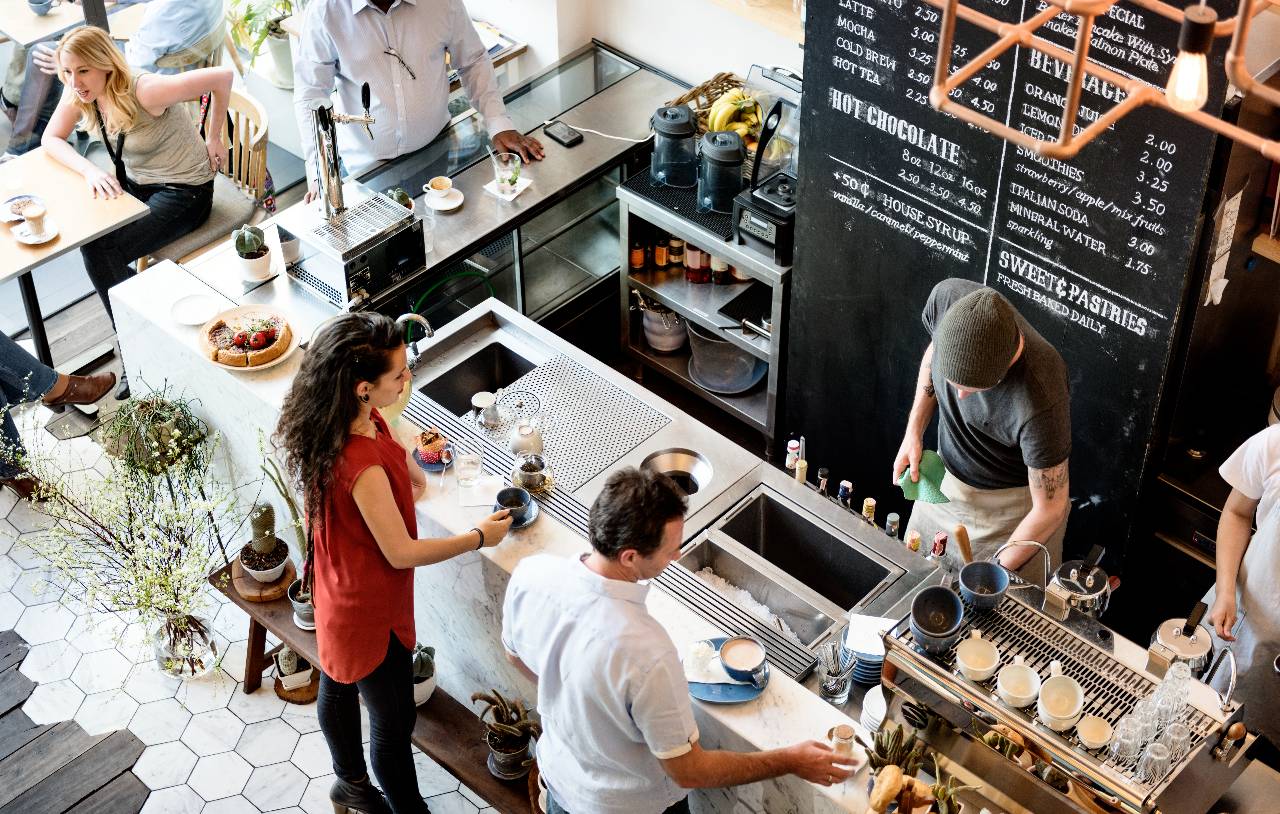
How Much Does It Cost to Open a Coffee Shop in 2026?
Opening a coffee shop in 2026 requires careful cost planning across rent, equipment, labor, technology, menu strategy, marketing, and sustainability.
operations
May 15, 2026
Opening a coffee shop in 2026 requires careful cost planning across rent, equipment, labor, technology, menu strategy, marketing, and sustainability.
May 15, 2026
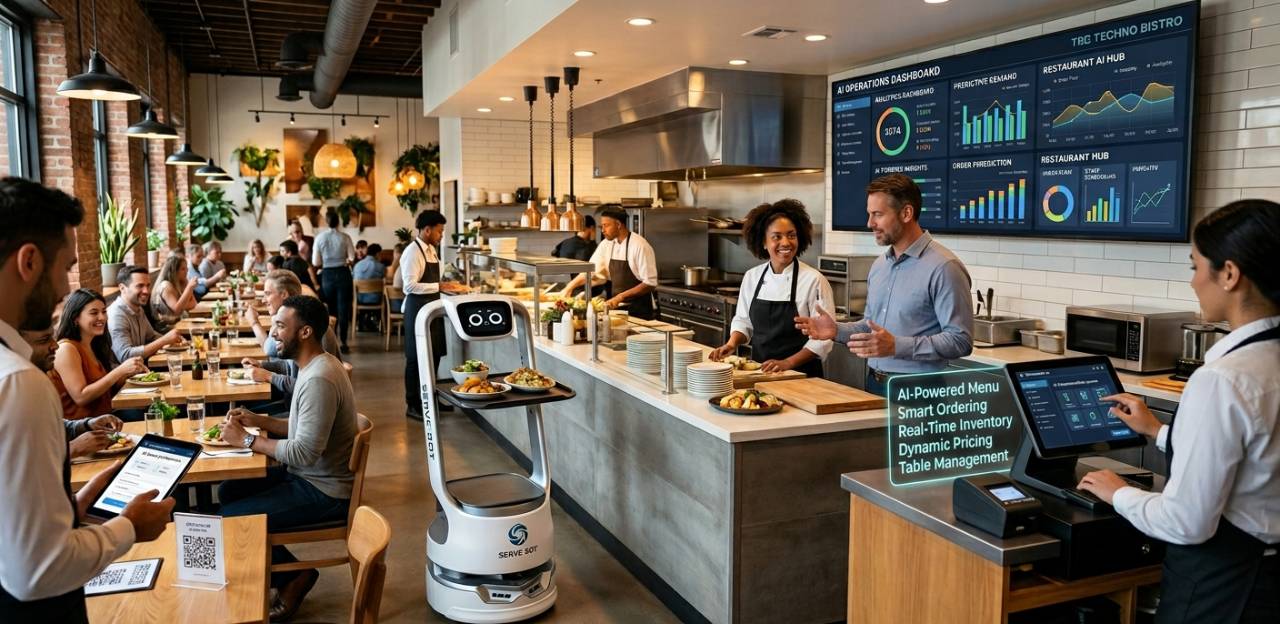
This AI playbook covers restaurant tools for voice ordering, staffing, compliance, menu pricing, inventory, marketing, ChatGPT prompts, and SEO.
May 15, 2026
Hardee’s giant Boddie-Noell inks 31-unit Scooter’s Coffee deal for NC and VA, leveraging drive-thru growth and local roots with rollout over 12–18 months.
May 15, 2026
Wingstop turns match weeks into a multi-sensory festival, aligning bold pop-ups with World Cup energy to build brand affinity and measurable momentum.
May 15, 2026
The parent company behind Dunkin', Buffalo Wild Wings, and Arby's has filed for an IPO a move that could reshape how Wall Street views the restaurant sector.
May 15, 2026
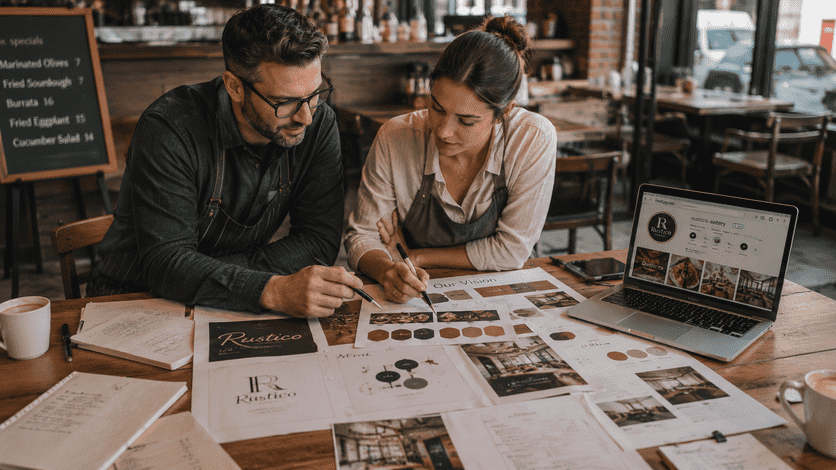
Learn how to develop a memorable restaurant brand identity that stands out in a crowded market, attracts loyal customers, and drives repeat business with actionable strategies and affordable tools.
May 15, 2026
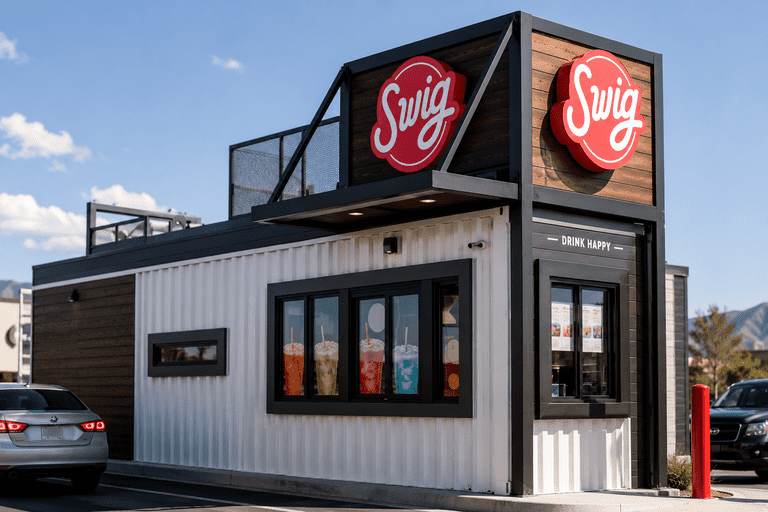
Dirty soda chain Swig is expanding into Colorado through a 10-unit franchise deal, riding a consumer beverage trend that's catching the attention of major QSR players nationwide.
May 15, 2026
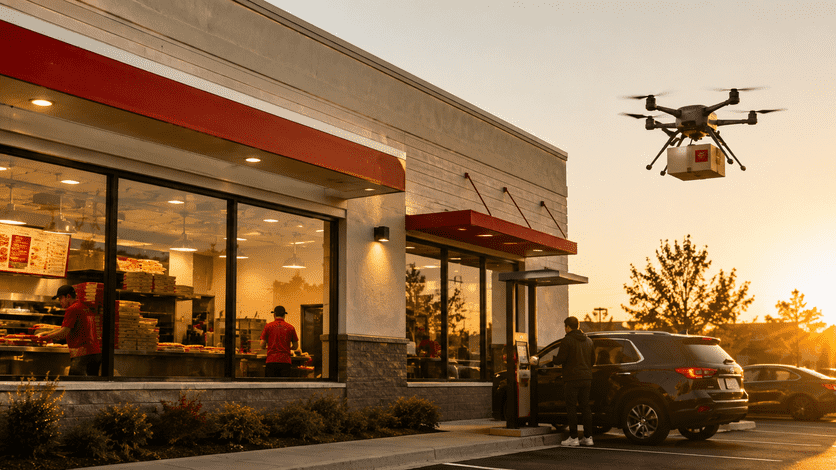
Papa Johns has teamed up with Alphabet's Wing for drone delivery of its new sandwich lineup in parts of Charlotte marking the first partnership of its kind between Wing and a national QSR brand.
May 15, 2026
A warm, expert-led look at McDonald’s Q1 results, menu makeover, and the refranchise question shaping its growth.
May 14, 2026
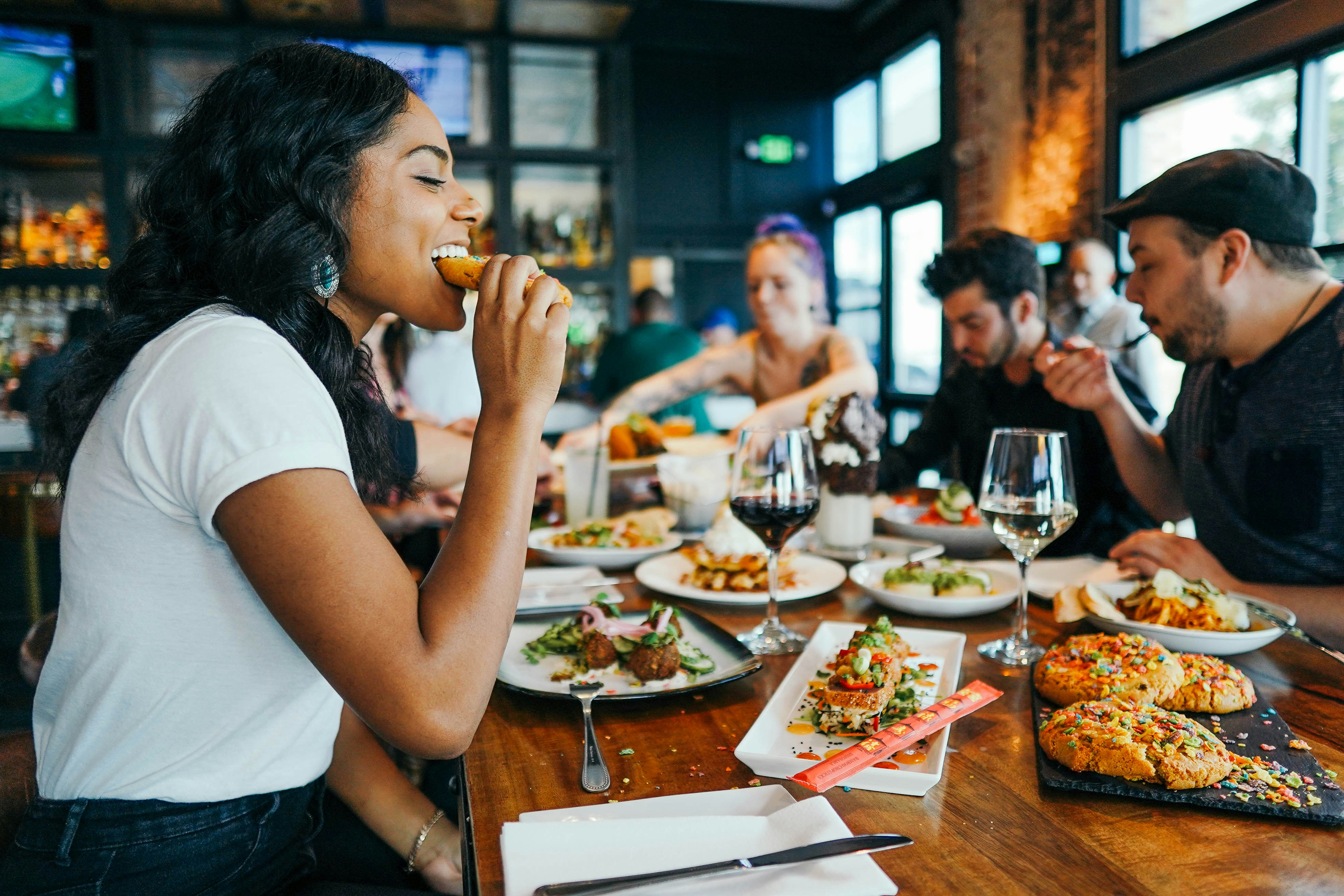
A reflective look at Habit Ranch, its immersive desert activation, and what it signals for brand loyalty and mindful, experiential dining.
May 14, 2026

Unlock Exclusive Access To Webinars, Events, And The Latest News For Free!
Coscarelli returns to Greenwich Village with CHLOE, reviving a storied vegan corner as the plant-based scene evolves through branding and ownership shifts.
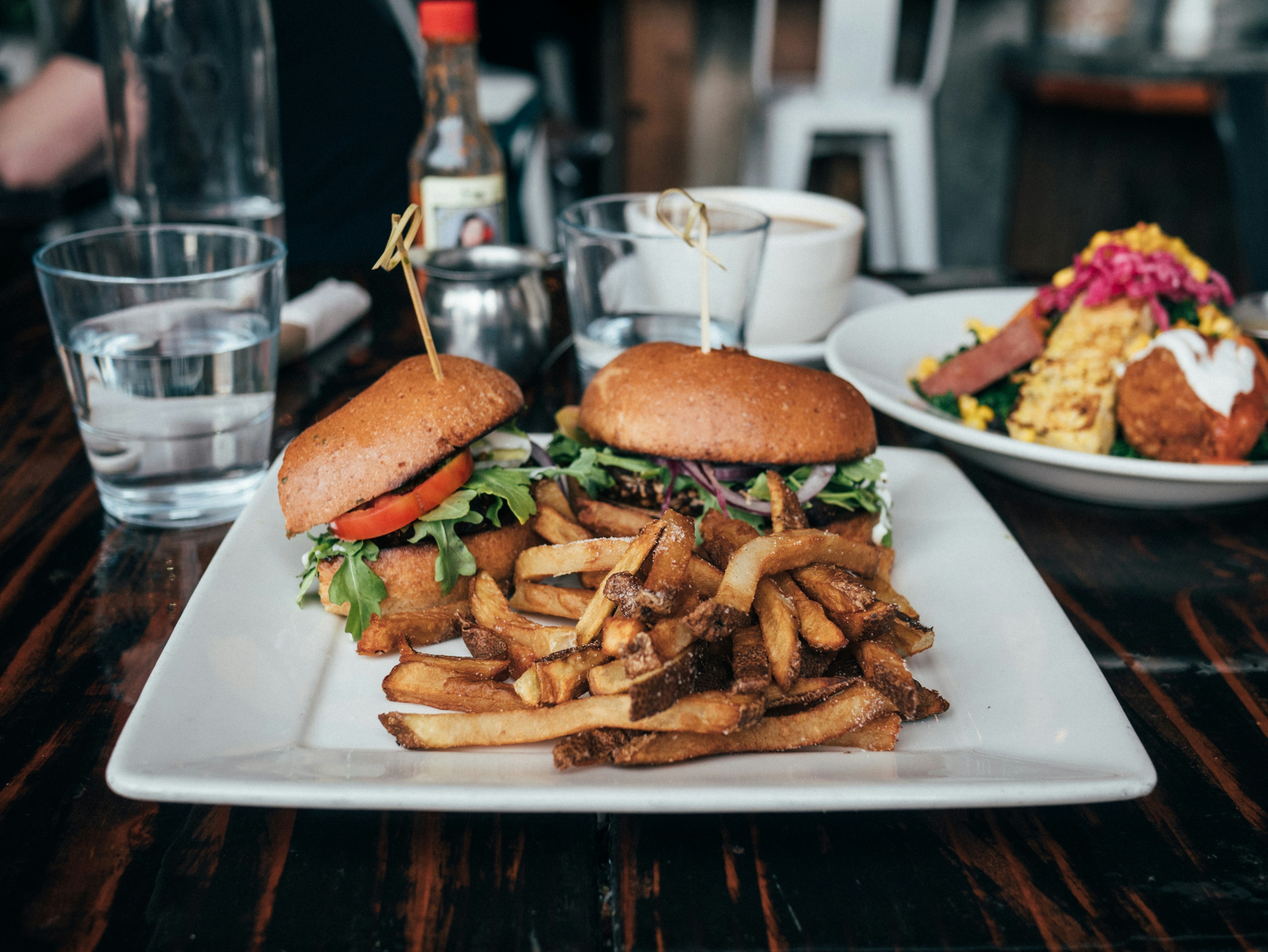
Photo by Jiroe (Matia Rengel)
On the corner where New York learned to cultivate plant-based curiosity, CHLOE returns not as a flash of trend but as a studied, intimate invitation. Greenwich Village welcomes an all-day vegan café at 185 Bleecker Street—the very site where By Chloe first lit the flame in 2014. The space is deliberately casual, deeply local, and conceived for lingering rather than alchemy of hype. It opens at noon and unfolds on a neighborhood cadence that favors conversation over spectacle. In this moment of quiet renewal, Coscarelli speaks less of spectacle and more of belonging, asking the city to imagine anew: what will this corner become:
CHLOE presents “classic eats with thoughtfully sourced ingredients”, a menu designed to feel familiar yet newly tuned to plant-forward craft. The storefront showcases imagery of vegan cakes, cookies, and cupcakes alongside savory offerings ranging from burgers and nachos to salads, mac and cheese, and a cinnamon‑roll pep rally of sweetness. This is not a revival in revival mode but a bridge: nostalgia meeting modern technique. The café’s all-day hours and accessible vibe position it as a neighborhood anchor rather than a destination, a deliberate choice that Coscarelli described in personal terms: “It was an abrupt halt to what had otherwise been a magical experience,” she explained, referencing the abrupt exit in 2017. “We’ve been working around the clock to create a truly special place that I hope will become one of your favorite neighborhood spots.”
The CHLOE story grows from the 2014 launch of By Chloe, a vegan fast‑casual concept born of collaboration with ESquared Hospitality. Friction over expansion in 2016 led to arbitration, and the 2017 ruling pulled Coscarelli from the operating engine as ESquared tightened its grip, rebranding the corporate umbrella as BC Hospitality Group LLC. A trademark dispute followed, and December 2020 brought Chapter 11 bankruptcy with leadership changes and asset sales in 2021. The lineage diverged into Beatnic, then a path toward Inday’s acquisition strategy—an arc that reveals how founder influence, branding, and capital can diverge in fast growth.
Following bankruptcy and restructuring, the legacy By Chloe was recast as Beatnic, a bid to preserve vegan ethos while embracing a broader investor base and a revamped operations model. Beatnic sustained a vegan focus under new leadership, with the slogan ”100% vegan, 100% delicious” as a rallying cry. The climate around the brand shifted again in December 2023 when Beatnic was acquired by Inday, a fast‑casual Indian concept aiming to expand beyond New York. The consolidation set in motion a plan to convert Beatnic units into Inday locations, a microcosm of consolidation sweeping plant‑based concepts toward scale and cross‑brand synergies.
Coscarelli frames CHLOE as a personal triumph forged through resilience and community, repeatedly crediting the team that helped bring the concept to life. On social channels and in interviews, she spoke of gratitude and a return‑to‑form energy: “We’ve been working around the clock to create a truly special place that I hope will become one of your favorite neighborhood spots.” The opening has been read by observers as a signal that founder‑led, purpose‑driven concepts can navigate branding shifts, bankruptcies, and rebirths to find a foothold in a crowded market. Coverage from Gothamist, Eater NY, and other outlets frames CHLOE as a lighthouse for brand reclamation in plant‑based dining.
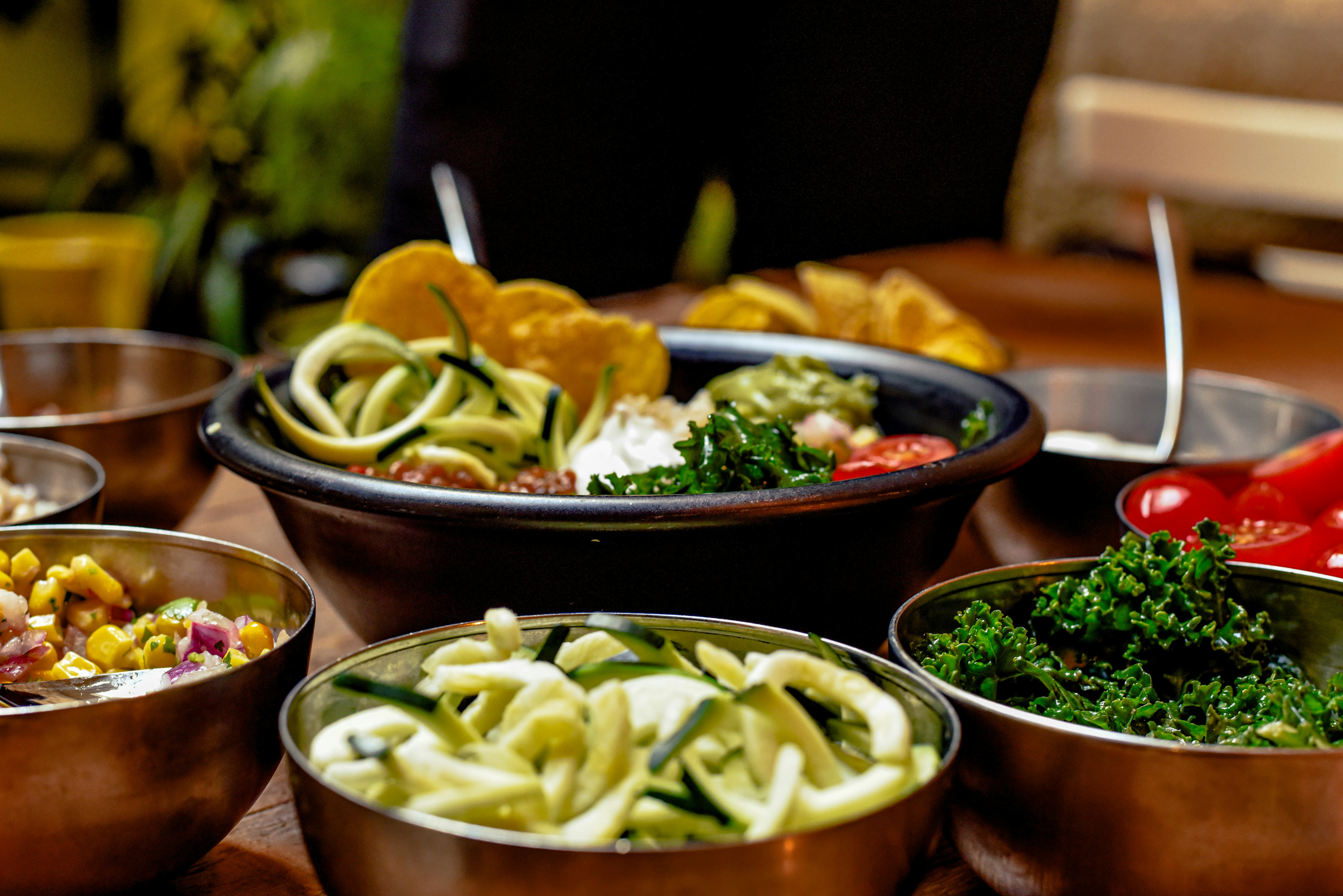
From a broader vantage, CHLOE’s return sits within a shifting ecosystem of plant‑forward dining in major cities, where founders balance heritage with scale. The Inday Beatnic transition across New York and Boston illustrates how capital, branding, and menu strategy converge in a crowded market that nonetheless sustains demand for vegan and vegan‑adjacent options. Industry chatter suggests consolidation as a route to real estate, supply chains, and talent pools, even as menus drift toward hybrids that incorporate non‑plant proteins or regionally inspired touches. The Rockefeller Center Beatnic page later noted Beatnic was no longer open at that location, underscoring the pace of brand reshaping and the stakes for a founder’s narrative.
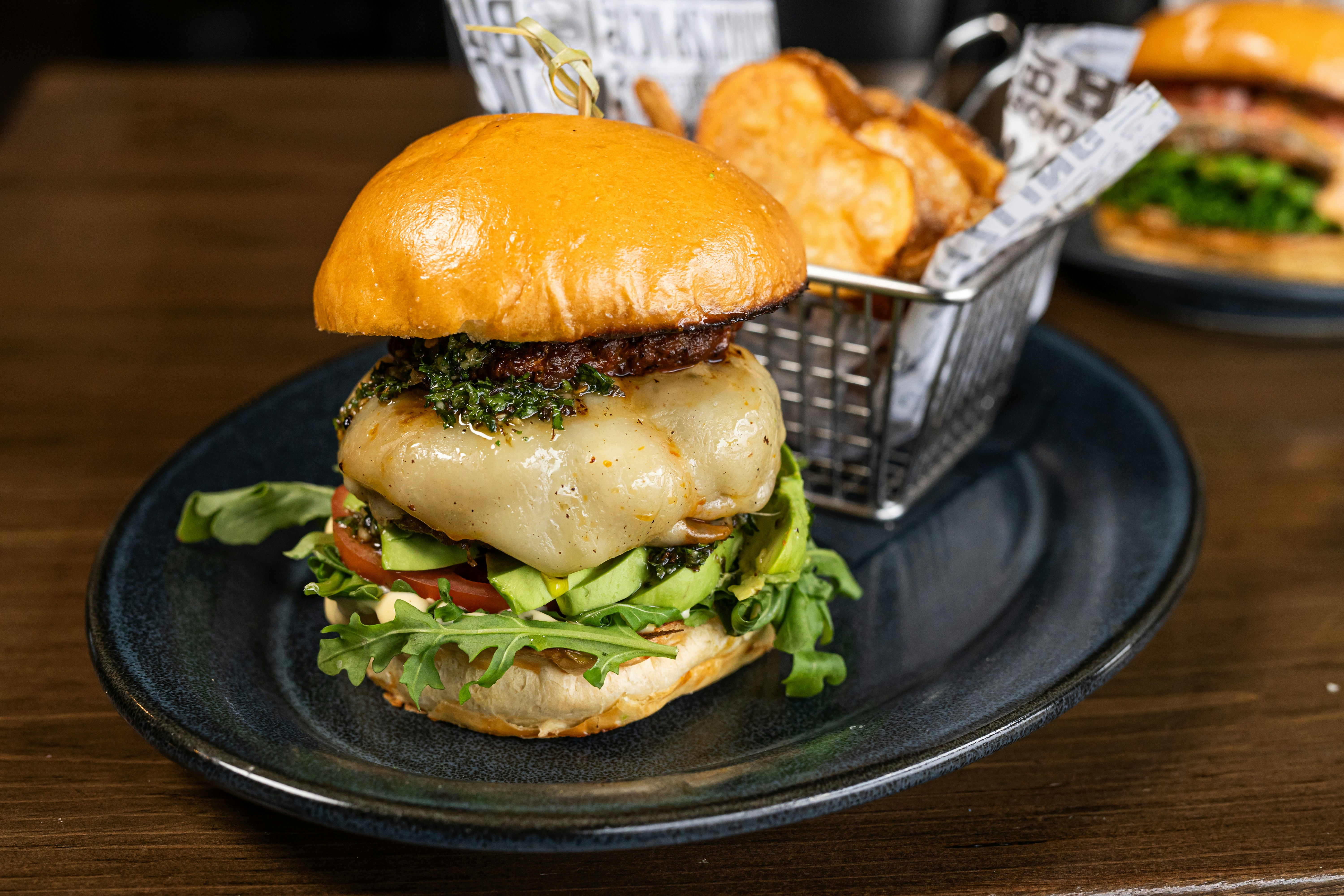
Ultimately, CHLOE’s Greenwich Village reopening reads as both a personal milestone and a case study in how founder identity can anchor a neighborhood concept even as the corporate vehicle behind the original brand morphs. If the sourcing remains faithful to its values and the city’s appetite for communal, everyday dining endures, this chapter may offer a template for founder‑led comebacks that honor the past while embracing measured, community‑driven growth. The coming years will reveal how these moves translate into lasting relevance for a city long at the nexus of culinary reinvention and social storytelling.