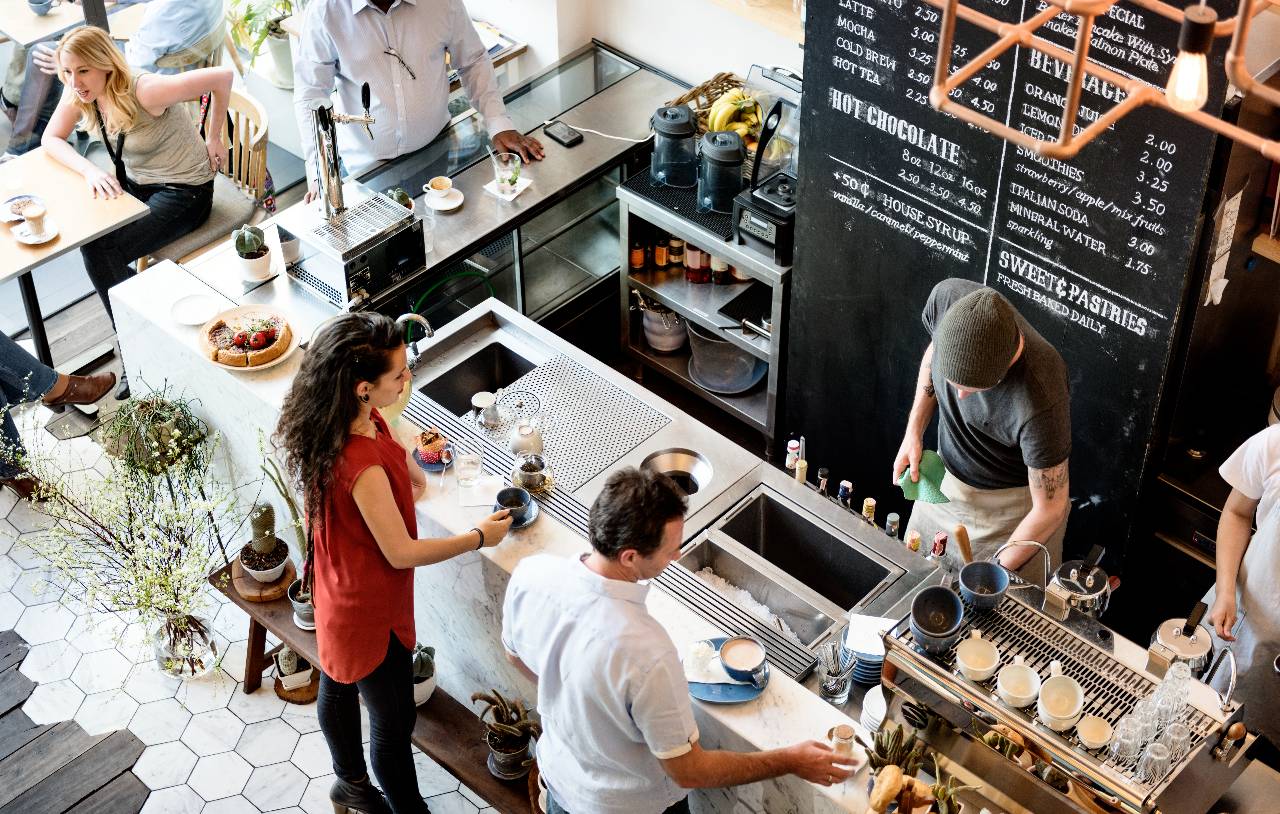
How Much Does It Cost to Open a Coffee Shop in 2026?
Opening a coffee shop in 2026 requires careful cost planning across rent, equipment, labor, technology, menu strategy, marketing, and sustainability.
operations
May 15, 2026
Opening a coffee shop in 2026 requires careful cost planning across rent, equipment, labor, technology, menu strategy, marketing, and sustainability.
May 15, 2026
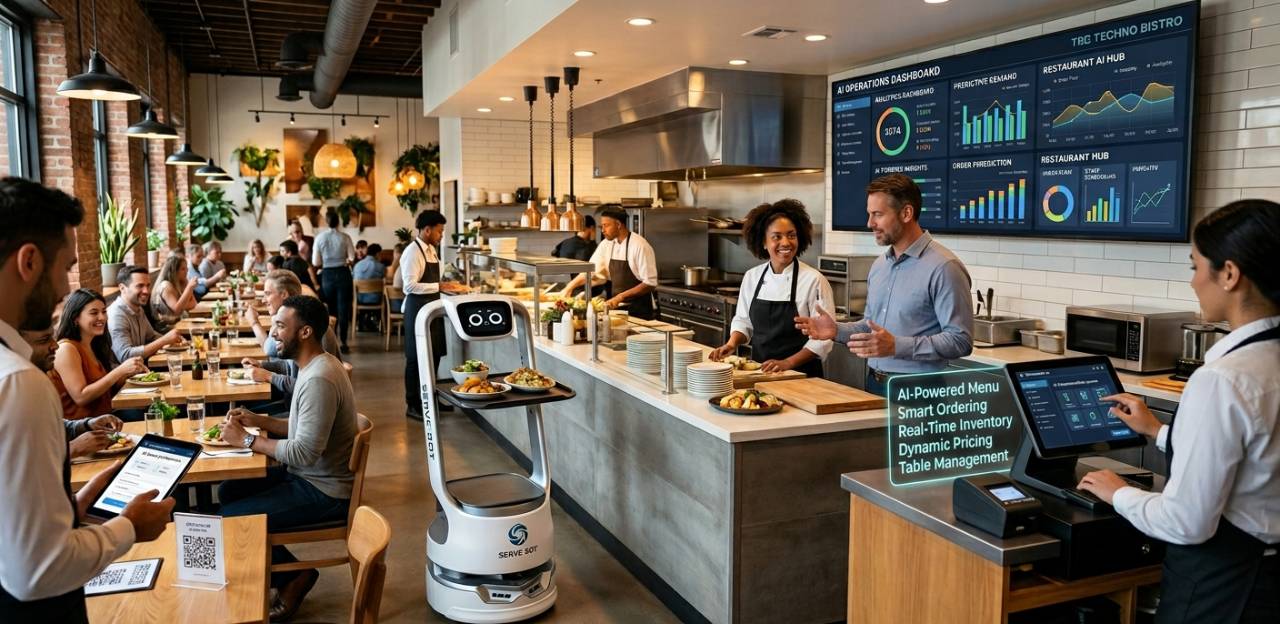
This AI playbook covers restaurant tools for voice ordering, staffing, compliance, menu pricing, inventory, marketing, ChatGPT prompts, and SEO.
May 15, 2026
Hardee’s giant Boddie-Noell inks 31-unit Scooter’s Coffee deal for NC and VA, leveraging drive-thru growth and local roots with rollout over 12–18 months.
May 15, 2026
Wingstop turns match weeks into a multi-sensory festival, aligning bold pop-ups with World Cup energy to build brand affinity and measurable momentum.
May 15, 2026
The parent company behind Dunkin', Buffalo Wild Wings, and Arby's has filed for an IPO a move that could reshape how Wall Street views the restaurant sector.
May 15, 2026

Learn how to develop a memorable restaurant brand identity that stands out in a crowded market, attracts loyal customers, and drives repeat business with actionable strategies and affordable tools.
May 15, 2026
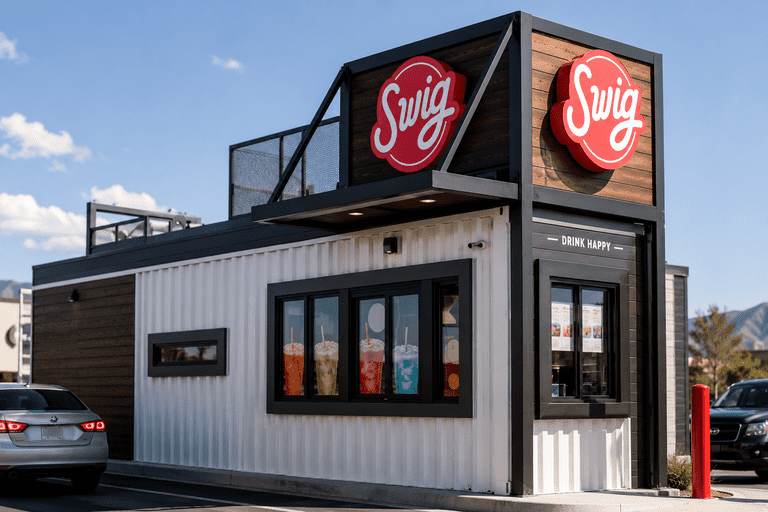
Dirty soda chain Swig is expanding into Colorado through a 10-unit franchise deal, riding a consumer beverage trend that's catching the attention of major QSR players nationwide.
May 15, 2026
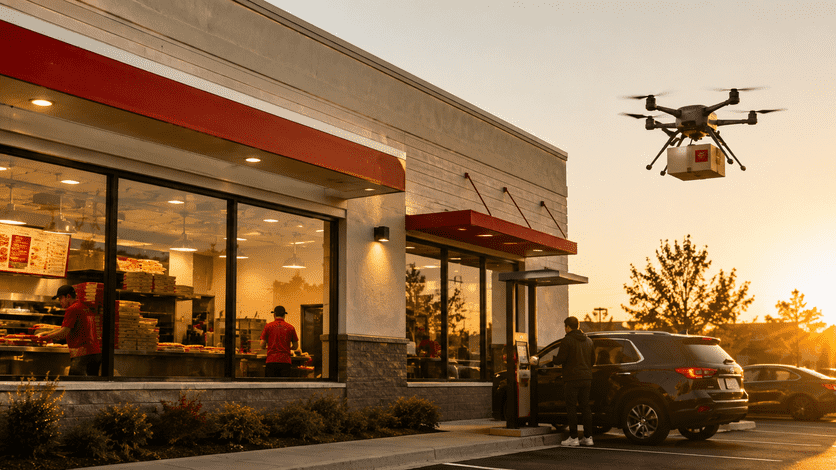
Papa Johns has teamed up with Alphabet's Wing for drone delivery of its new sandwich lineup in parts of Charlotte marking the first partnership of its kind between Wing and a national QSR brand.
May 15, 2026
A warm, expert-led look at McDonald’s Q1 results, menu makeover, and the refranchise question shaping its growth.
May 14, 2026
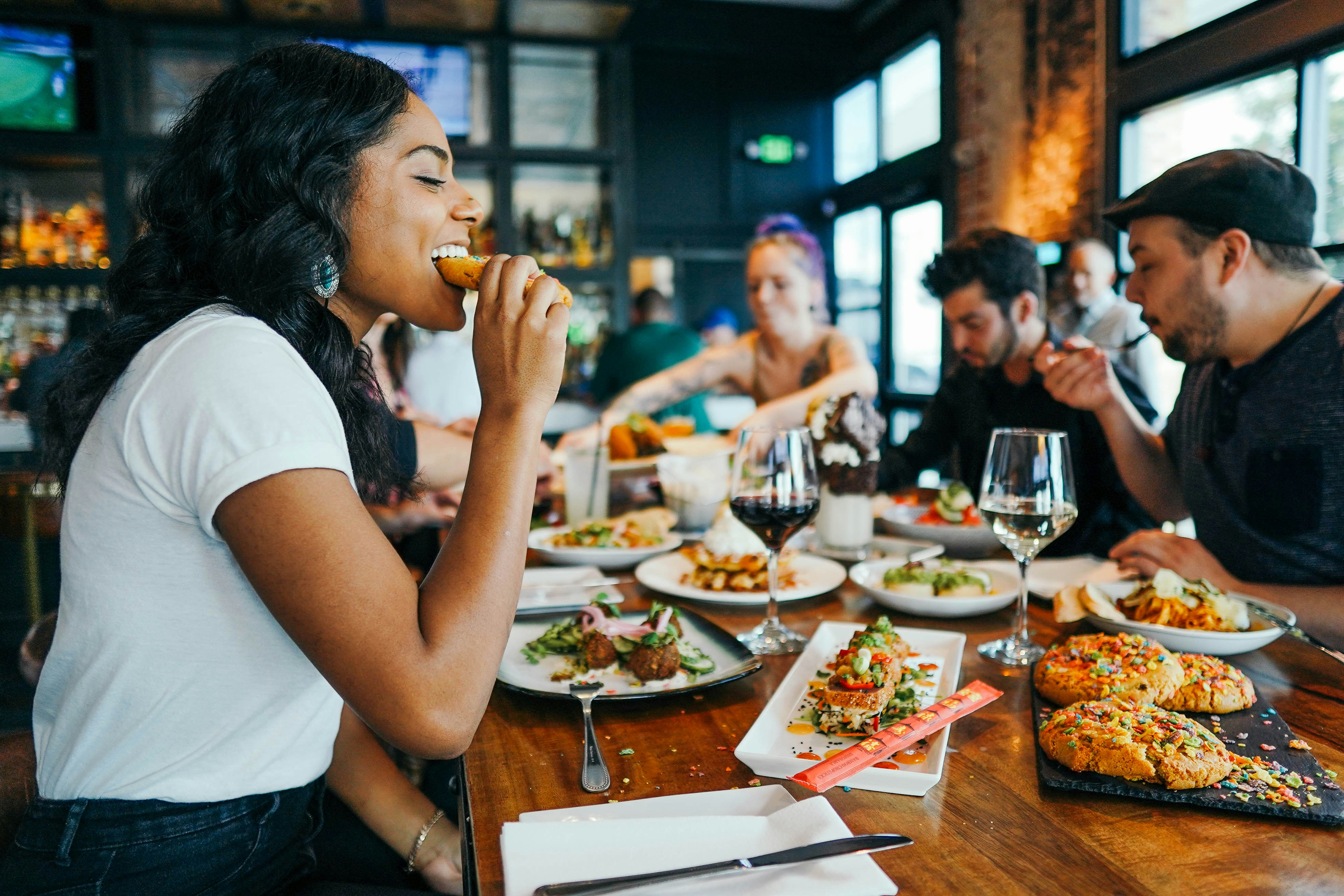
A reflective look at Habit Ranch, its immersive desert activation, and what it signals for brand loyalty and mindful, experiential dining.
May 14, 2026

Unlock Exclusive Access To Webinars, Events, And The Latest News For Free!
Chipotle powers Q2 growth through throughput and menu momentum, adding Chipotlanes and the Chicken Al Pastor comeback.
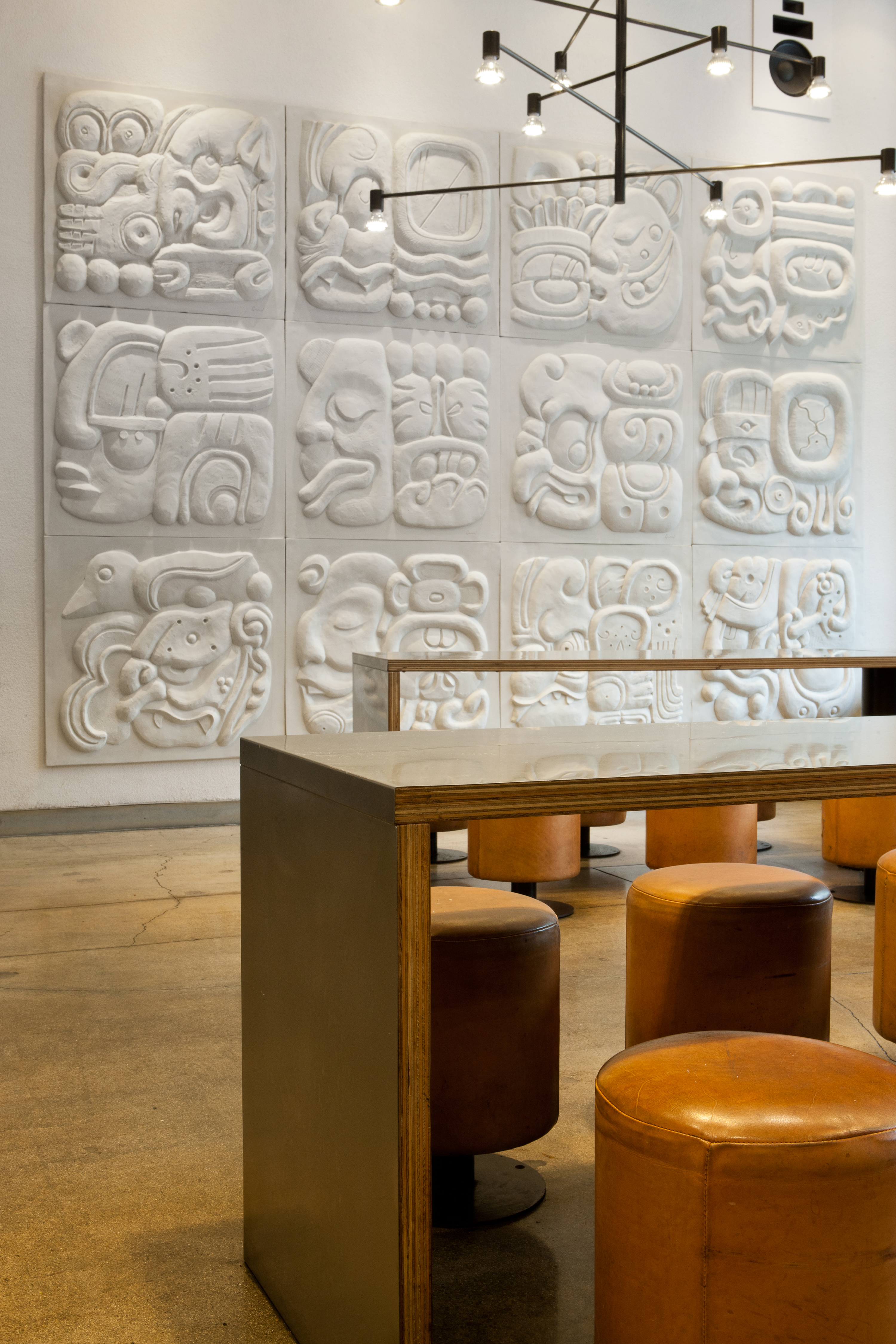
Inflation weighed on dining rooms, but Chipotle rode a wave of momentum that proves big wins come from speed, focus, and quality—not price cuts. For the quarter ended June 30, 2024, the company posted total revenue of $3.0 billion, up 18.2% year over year. Comparable restaurant sales climbed 11.1%, and transactions rose 8.7%. The growth is underscored by a robust footprint: 52 new company-operated restaurants, including 46 with Chipotlanes. Leadership framed the results as outstanding, driven by throughput and the core business. The message is clear: the playbook stays disciplined, the focus stays sharp, and the crowd keeps returning. So how did they pull this off:
Behind the surface numbers lies a simple engine: throughput, speed, and a well-trained crew. Chipotle’s Q2 narrative links faster service to stronger guest experiences and higher satisfaction. A steady cadence of training and operational discipline turn higher demand into tangible transactions. The return of a high-profile protein—Chicken Al Pastor—increased traffic and boosted average guest spend, showing how menu dynamics and careful wait-time management reinforce the brand’s core value proposition. The combination of scale, execution, and a well-timed menu move creates the momentum that reporters and investors notice.
Across an inflation-tight environment, Chipotle hasn’t leaned into value pricing. Instead, it doubles down on its culinary heritage and operational speed. The strategy has shown up in traffic signals and market-share chatter, with observers noting that Chipotle is gaining market share month after month. The quarter’s expansion plan moved ahead with 52 new restaurant openings, half of them outfitted with Chipotlanes, a clear sign of throughput ambition. It’s a big win for a brand stubbornly focused on quality and guest experience rather than price wars. That momentum sets the stage for what comes next:
Ultimately, the force behind this momentum is throughput scaled across growth. 52 openings drive a broader trajectory, while the Chipotlanes expansion supports faster ordering and pickup. The company also executed a 50-for-1 stock split on June 26, 2024, signaling capital-market confidence alongside ongoing expansion. Net income for the quarter was about $455.7 million, with GAAP earnings per share of $0.33 and adjusted diluted earnings per share of $0.34 after adjustments. The mid-year outlook calls for continued restaurant openings and margin expansion, reinforcing the disciplined growth narrative.
On investor calls and industry chatter, the tone was upbeat. Brian Niccol described the quarter as outstanding, and noted Chipotle is gaining market share every month as it stays focused on core execution. The takeaway is simple: growth isn’t built on discounts but on culinary excellence and throughput. In trade coverage, critics and fans alike emphasized a stable traffic picture and rising guest engagement, a signal that the approach is resonating more widely.
Market coverage highlighted the tie between throughput and volume: as speed improves, guests stay longer and orders grow. The return of Chicken Al Pastor early in 2024 spurred traffic and bigger baskets, and subsequent limited-time rotations—like later in the year with Smoked Brisket—kept trips lively. The broader point: a menu-led, speed-enhanced model is clicking, and investors are taking notice. Chipotle’s discipline around execution and value creation over discounting sits at the center.
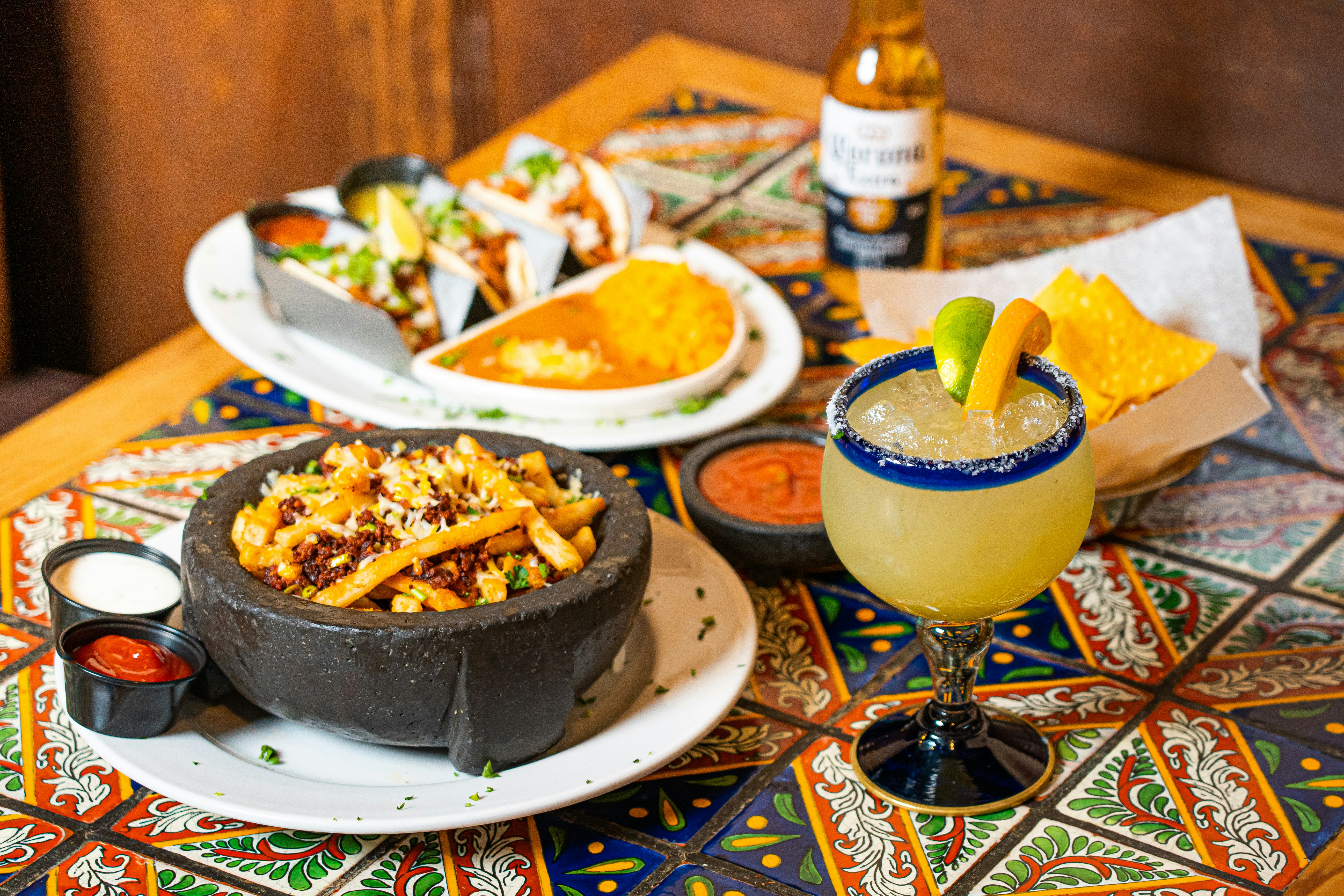
Beyond growth, the quarter delivered tangible milestones: 52 new company-operated restaurants, with 46 featuring a Chipotlane. A parallel capital move—a 50-for-1 stock split on June 26, 2024—signal a confident expansion stance. Net income reached $455.7 million, with GAAP EPS of $0.33 and adjusted EPS of $0.34. The mid-year outlook points to continued openings and margin expansion, anchoring the growth narrative in a disciplined plan.
This clarity comes with caveats. The Q2 materials include forward-looking statements and risk disclosures typical for a rapid-growth consumer company. Unusual items—such as unrealized losses on long-term investments and increases in legal reserves—mold one-time earnings, reminding stakeholders to separate GAAP results from ongoing, cash-driven performance. The takeaway: monitor how throughput gains translate into sustained guest traffic and how supply- and cost-related dynamics may affect future menu pricing and profitability.
Looking ahead, Chipotle’s strategy leans into menu-driven trials and throughput-driven execution. The 2026 menu-innovation push centers on the return of Chicken Al Pastor as a springboard for broader protein offerings, paired with a High Protein Cup featuring al pastor and three to four additional protein options alongside new sides. The February 2026 return of al pastor for a limited time anchors this rollout, signaling a cadence of limited-time proteins and new sides to sustain traffic. This trajectory aligns with Chipotle’s emphasis on execution and guest value over discounting.
As Chipotle expands its footprint and tests formats and protein rotations, the lesson is clear: growth in quick-service hinges on menu evolution and service efficiency as much as on price. The result is a brand that can translate market-share gains into sustained top-line momentum while keeping guests at the center.