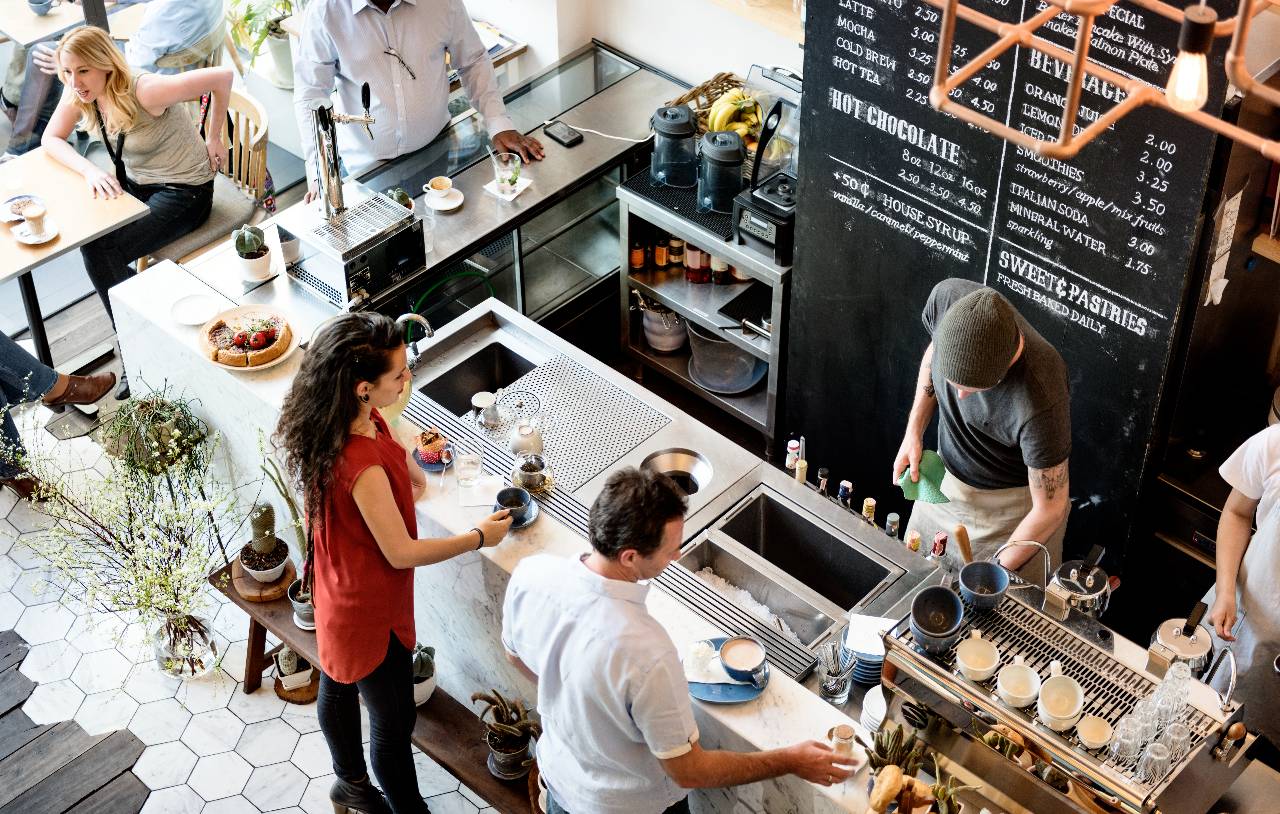
How Much Does It Cost to Open a Coffee Shop in 2026?
Opening a coffee shop in 2026 requires careful cost planning across rent, equipment, labor, technology, menu strategy, marketing, and sustainability.
operations
May 15, 2026
Opening a coffee shop in 2026 requires careful cost planning across rent, equipment, labor, technology, menu strategy, marketing, and sustainability.
May 15, 2026
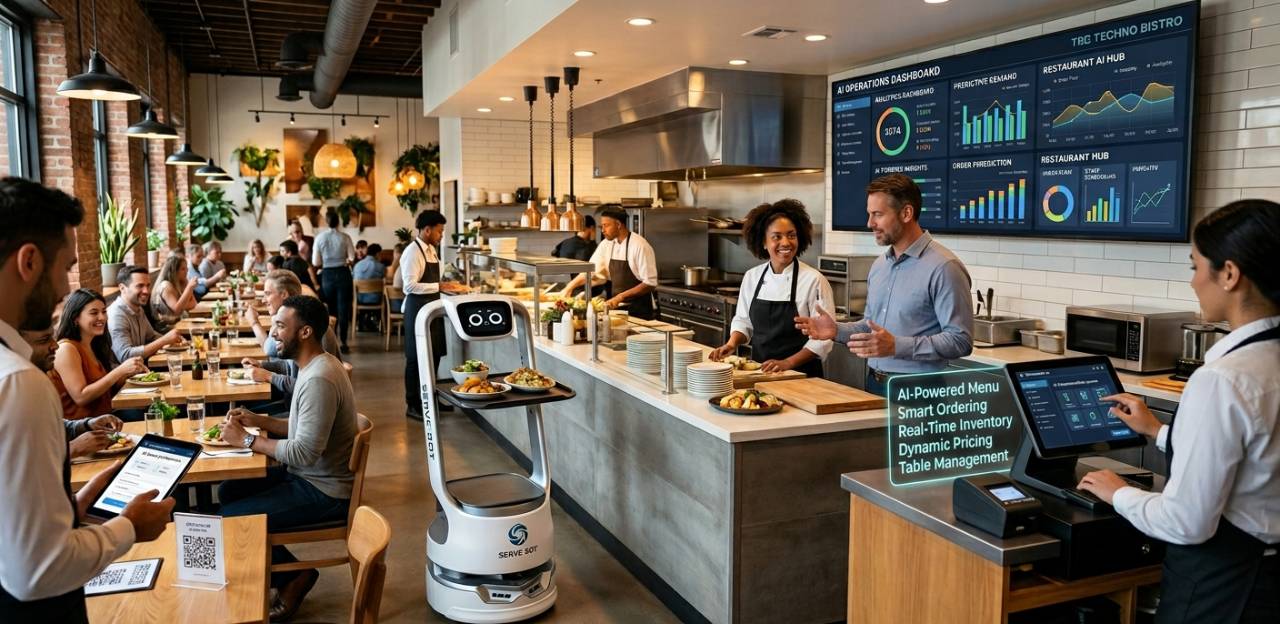
This AI playbook covers restaurant tools for voice ordering, staffing, compliance, menu pricing, inventory, marketing, ChatGPT prompts, and SEO.
May 15, 2026
Hardee’s giant Boddie-Noell inks 31-unit Scooter’s Coffee deal for NC and VA, leveraging drive-thru growth and local roots with rollout over 12–18 months.
May 15, 2026
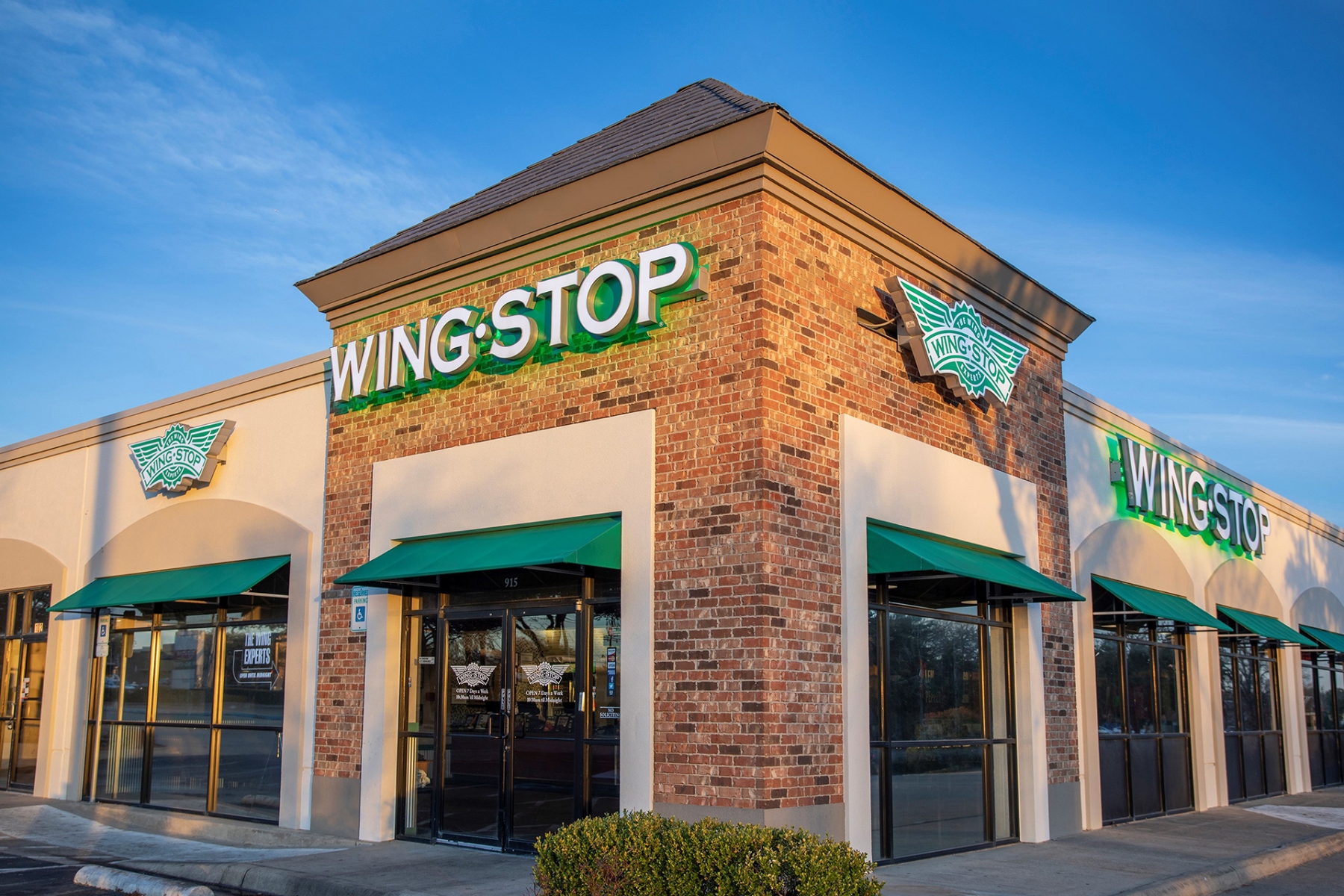
Wingstop turns match weeks into a multi-sensory festival, aligning bold pop-ups with World Cup energy to build brand affinity and measurable momentum.
May 15, 2026
The parent company behind Dunkin', Buffalo Wild Wings, and Arby's has filed for an IPO a move that could reshape how Wall Street views the restaurant sector.
May 15, 2026
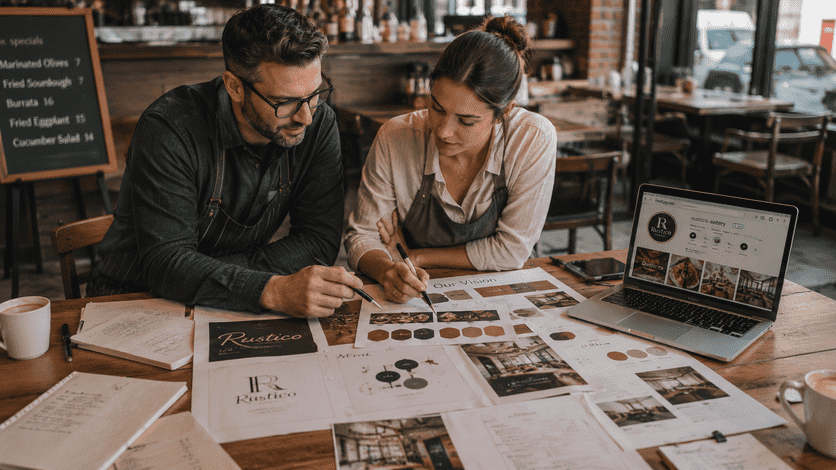
Learn how to develop a memorable restaurant brand identity that stands out in a crowded market, attracts loyal customers, and drives repeat business with actionable strategies and affordable tools.
May 15, 2026
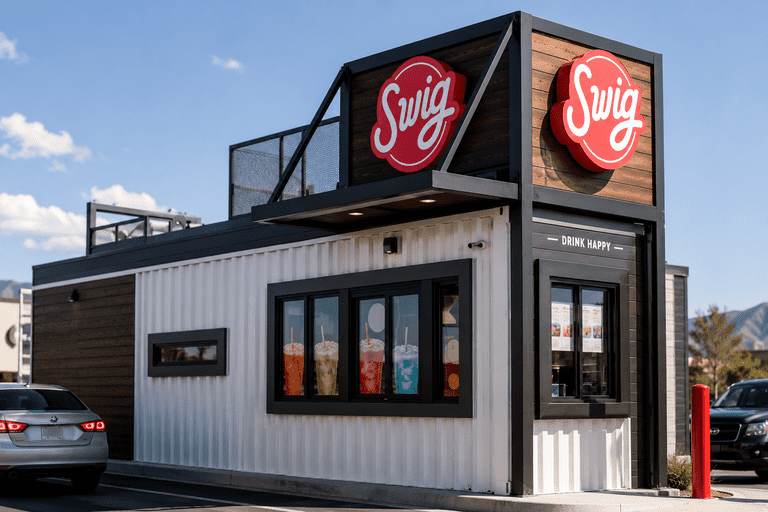
Dirty soda chain Swig is expanding into Colorado through a 10-unit franchise deal, riding a consumer beverage trend that's catching the attention of major QSR players nationwide.
May 15, 2026
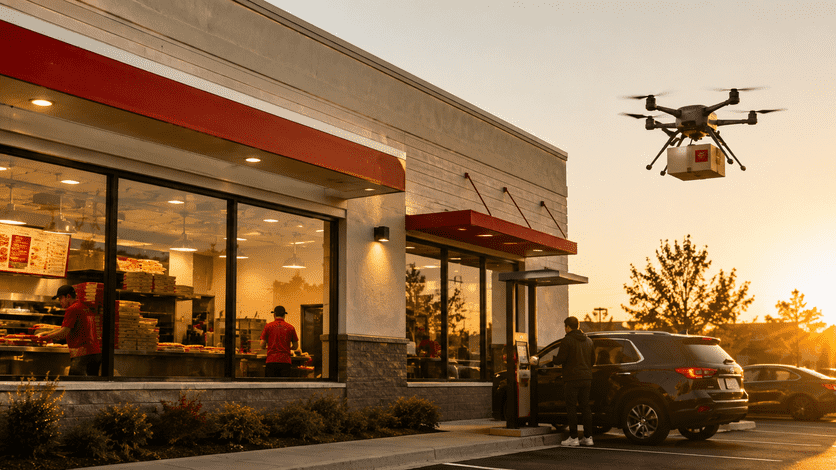
Papa Johns has teamed up with Alphabet's Wing for drone delivery of its new sandwich lineup in parts of Charlotte marking the first partnership of its kind between Wing and a national QSR brand.
May 15, 2026
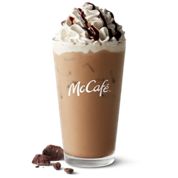
A warm, expert-led look at McDonald’s Q1 results, menu makeover, and the refranchise question shaping its growth.
May 14, 2026
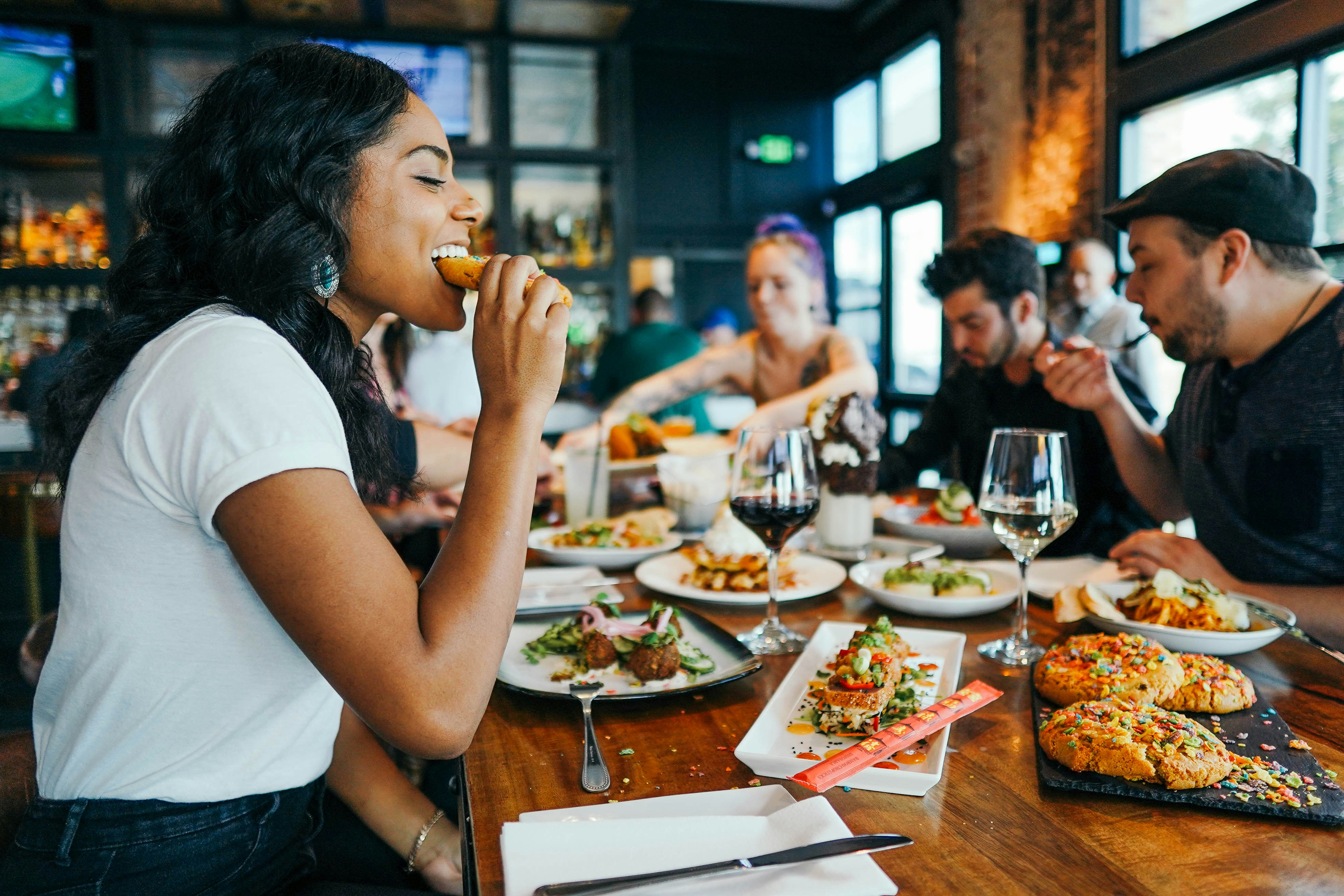
A reflective look at Habit Ranch, its immersive desert activation, and what it signals for brand loyalty and mindful, experiential dining.
May 14, 2026

Unlock Exclusive Access To Webinars, Events, And The Latest News For Free!
Chipotle launches a permanent High Protein Menu across the U.S. and Canada, anchored by a four-ounce snack cup and curated bowls designed for GLP-1 users and macro-minded guests.
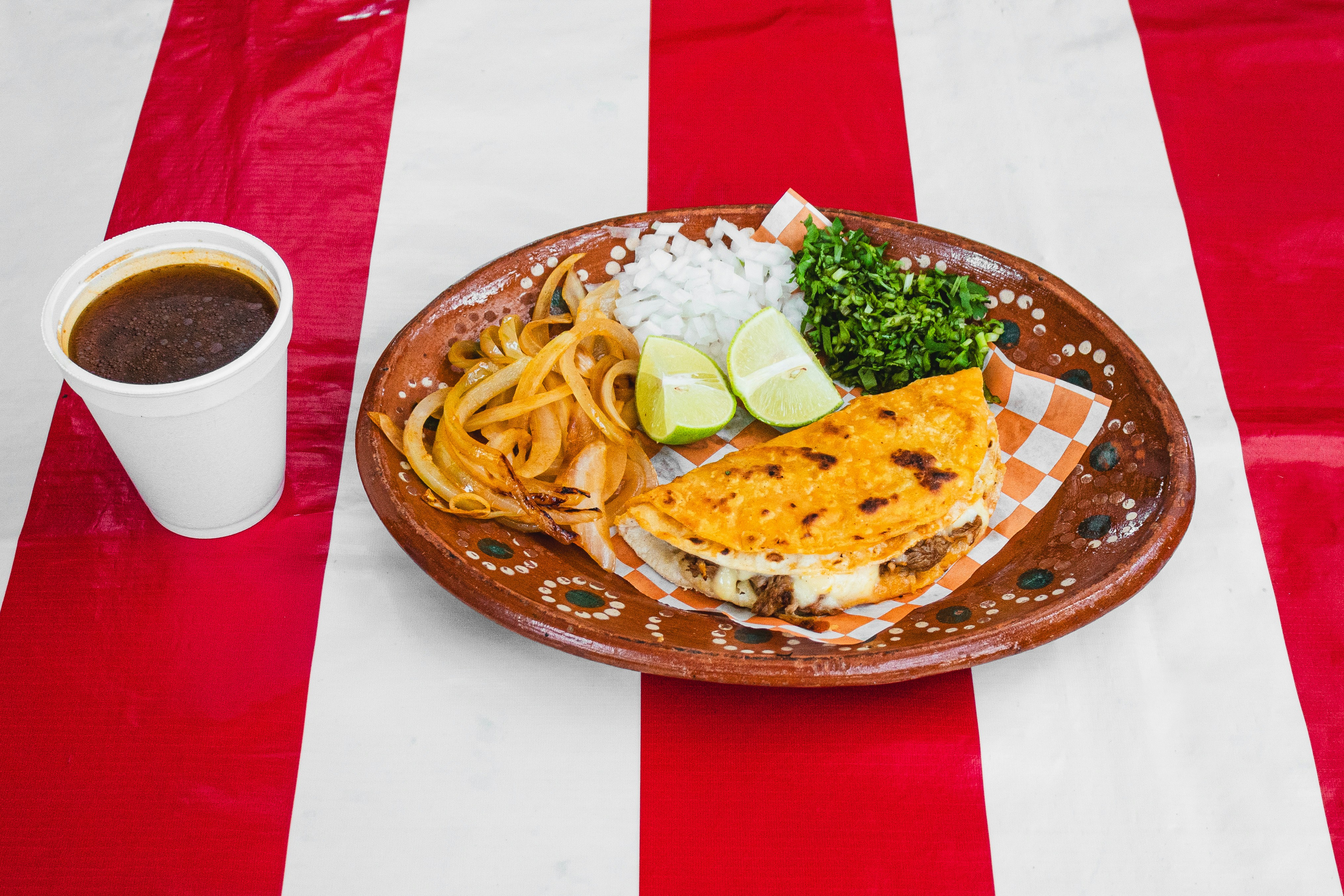
Photo by Alimentos Fotogénicos
Chipotle Mexican Grill has turned a long-running guest habit into a permanent feature, unveiling its first-ever High Protein Menu across the U.S. and Canada on "December 23, 2025." The headliner is a snack-size High Protein Cup, a tidy portion that formalizes what had lived as an off-menu workaround: a small side of protein, clean and uncomplicated, ready when a full entrée feels like too much. This debut is designed to feel seamless. The menu sits both in restaurants and within the app and website, so the same comforting choice appears whether you’re scanning a board or tapping a screen. It’s a gentle nod to how people actually eat now—sometimes a hearty bowl, sometimes just a reassuring bite-sized boost—stitched into the brand’s existing digital and in-store flow. Analysis: The launch elevates an informal practice into a standardized SKU, aligning in-restaurant signage and digital pathways so a snackable protein choice is as easy to order as a bowl or burrito.
The move is tuned to a broader rhythm in American eating. High-protein patterns have been the country’s top dietary approach for "three consecutive years," and "70 percent" of U.S. consumers say they prioritize protein. "Over one‑third" have even increased their intake in the past year, signaling an appetite for meals and snacks that wear their macros proudly and deliver a sense of steady energy. Chipotle threads its builds to the practical needs of guests including those on GLP‑1 medications like Ozempic and Wegovy, citing general guidance of "roughly 300–550 calories, 20–40 g of protein, and 6–12 g of fiber." It’s a quiet promise of predictability: numbers that fit routines, formats that fit moods. By reframing a fan practice as a formal menu, the brand aims to make macro tracking feel less like homework and more like a welcoming shortcut. Analysis: Quantified targets and GLP‑1‑aligned builds position the menu as a tool for structured routines, translating wellness trends into straightforward choices.
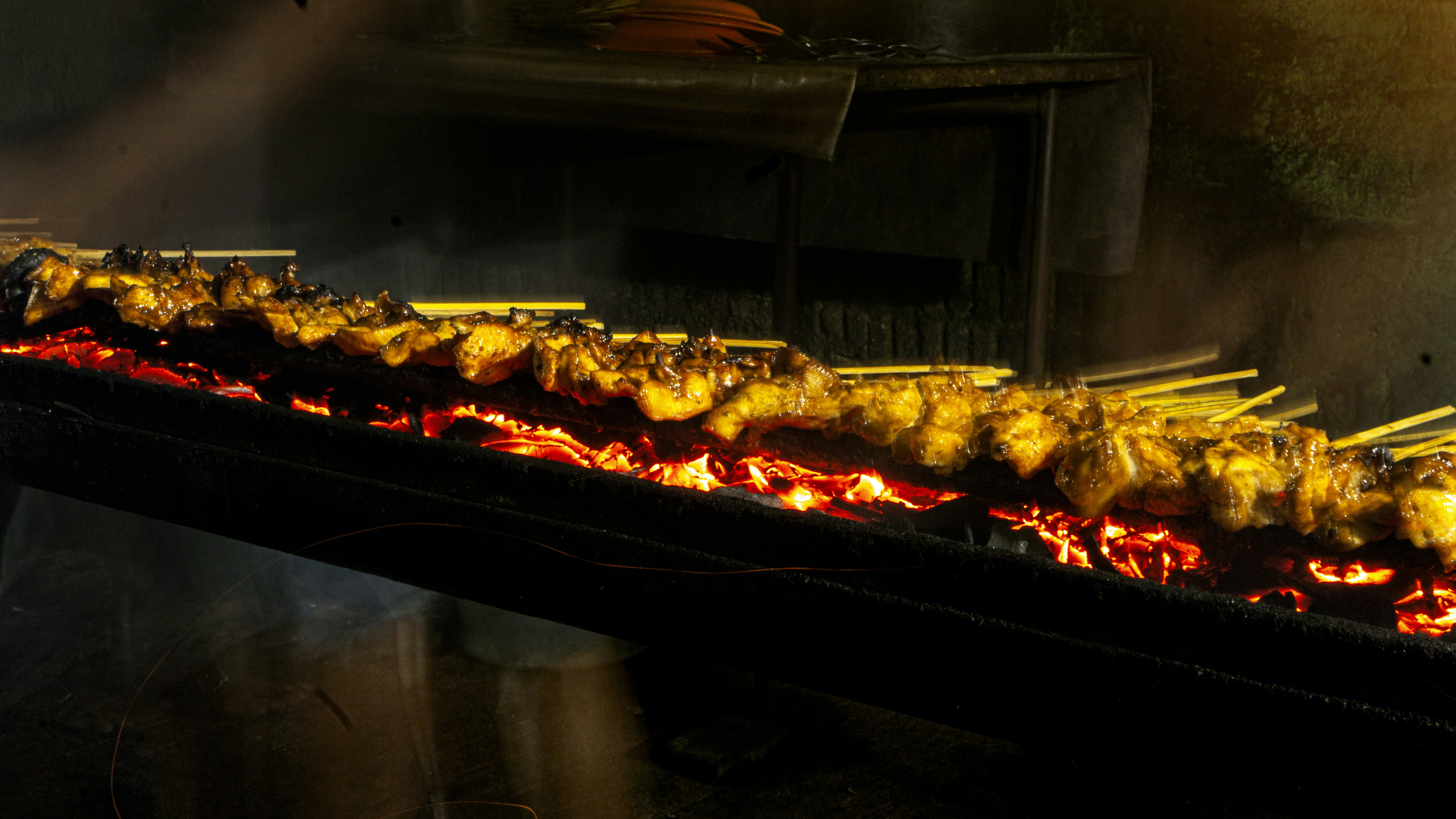
At the center sits the High Protein Cup: a "four‑ounce" serving of adobo chicken or steak that delivers "32 grams" of protein and "approximately 180 calories." It’s intentionally simple—just the protein, no clutter—designed to satisfy the in-between moment when you want something grounding but light. In a landscape crowded with snack bars and blends, this is a savory, straightforward answer built from an everyday favorite. The cup doubles as a value play. With a national weighted average price of "$3.82," it offers a modest entry point into the menu without nudging guests into a full meal if they’re not in that headspace. It’s a tidy bridge between cravings and commitments, offering a soothing pause during mid‑morning or late‑afternoon dips. Analysis: The cup transforms a sides hack into a clear, low-friction offering, priced to encourage snacking occasions that can expand daypart relevance.
The High Protein Menu stretches from snacks to heartier builds, reflecting how appetites ebb and flow. Across the lineup, items deliver "between 15 g and 81 g" of protein, a span that invites guests to choose their own pace. The Double High Protein Bowl clocks in at "81 g" of protein with "11 g" of fiber and "760 calories," while the High Protein‑High Fiber Bowl brings "46 g" of protein, "14 g" of fiber, and "540 calories." For those seeking a lighter lift, the High Protein‑Low Calorie Salad offers "36 g" of protein, "10 g" of fiber, and "470 calories." Classic forms aren’t left out. The Double High Protein Burrito carries "79 g" of protein with "6 g" of fiber at "840 calories," and the Adobo Chicken Taco lands at "15 g" of protein and "190 calories." Every item is accessible in restaurants and through the app and website, underscoring a single, dependable system. Importantly, the company notes that the High Protein Menu doesn’t alter pricing structures for double‑protein bowls, burritos, or salads—clarity for those who already know their go‑to order. Analysis: A curated range clarifies macro outcomes across meal sizes, while unchanged double-protein pricing keeps loyal ordering habits intact.
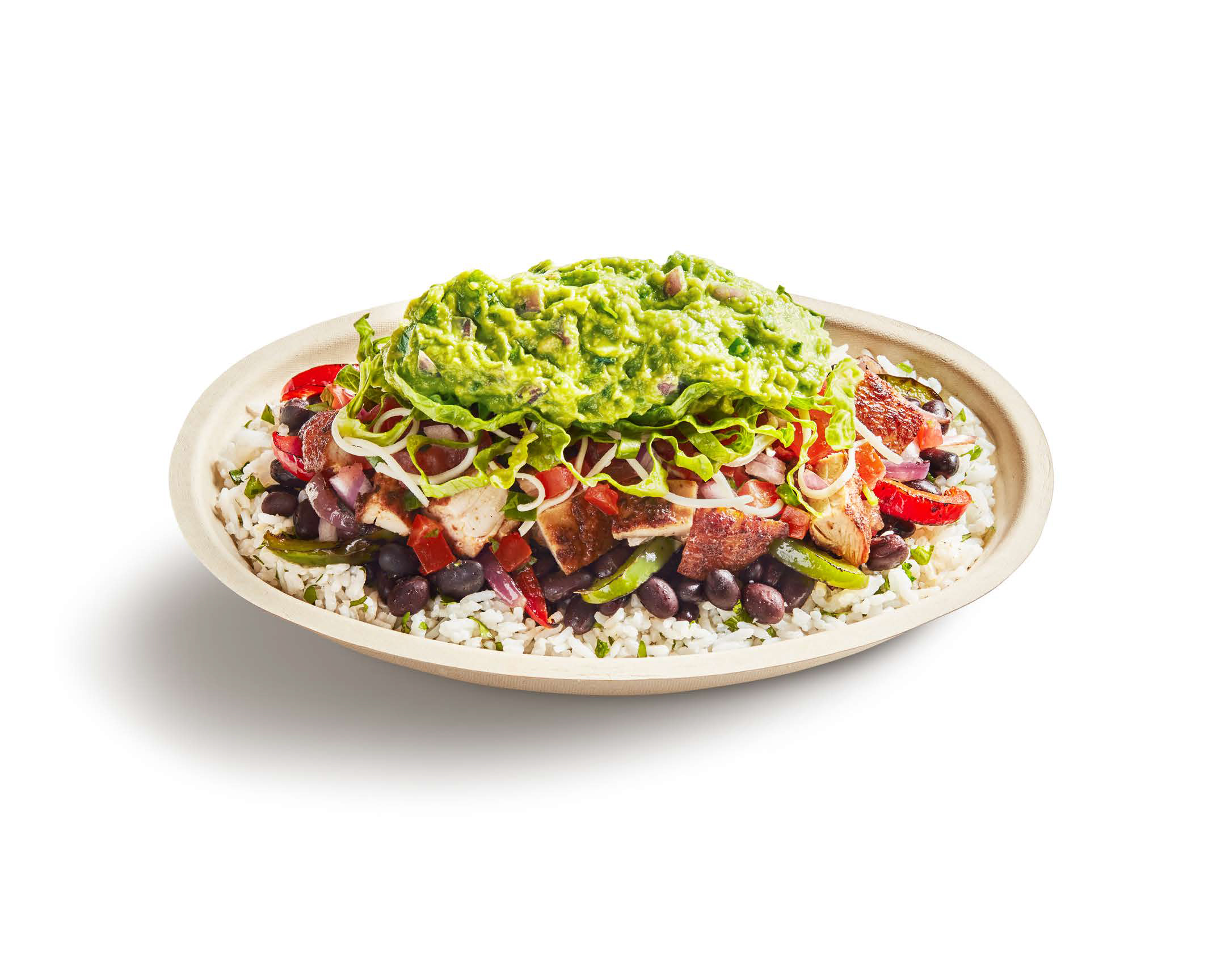
Chipotle has emphasized that the snack cups are "permanent additions, not limited‑time tests." That single line signals a structural choice, not a seasonal flirtation. By committing to permanence, the brand gives guests confidence that a small, protein‑forward option will be there whenever the moment calls—no guessing, no rushing to try it before it disappears. Operationally, the company is smoothing selection through in‑restaurant signage and digital workflows that guide guests gently toward their preferred builds. The promise is comforting: less friction at the counter, fewer second guesses in the app, and a design that turns social media hacks into orderly, ready‑to‑order options. Analysis: Permanence and guided ordering set a stable foundation, easing decisions and integrating a new small-format category into everyday operations.
Value sits on a gentle sliding scale. The High Protein Cup’s national weighted average price of "$3.82" creates an inviting on‑ramp, while full entrées average "between $10.31 and $13.12" depending on guacamole, based on a "September" BTIG analysis. The company clarifies that the High Protein Menu simplifies ordering and portion guidance but "does not" change pricing for double‑protein bowls, burritos, and salads. A further nudge arrives "January 5, 2026" with three High Protein Built with Superfans items in digital channels: Josh Hart’s High Protein Burrito at "95 g" of protein, Smaller Sam’s High Protein Tacos at "40 g," and Kylie’s High Protein Chicken Bowl at "52 g." These additions signal a slow, steady build of momentum into the new year—familiar formats, just tuned to protein‑forward expectations. Analysis: Tiered price points protect entrée margins while inviting smaller, incremental visits; dated digital offerings sustain attention as the new category settles in.
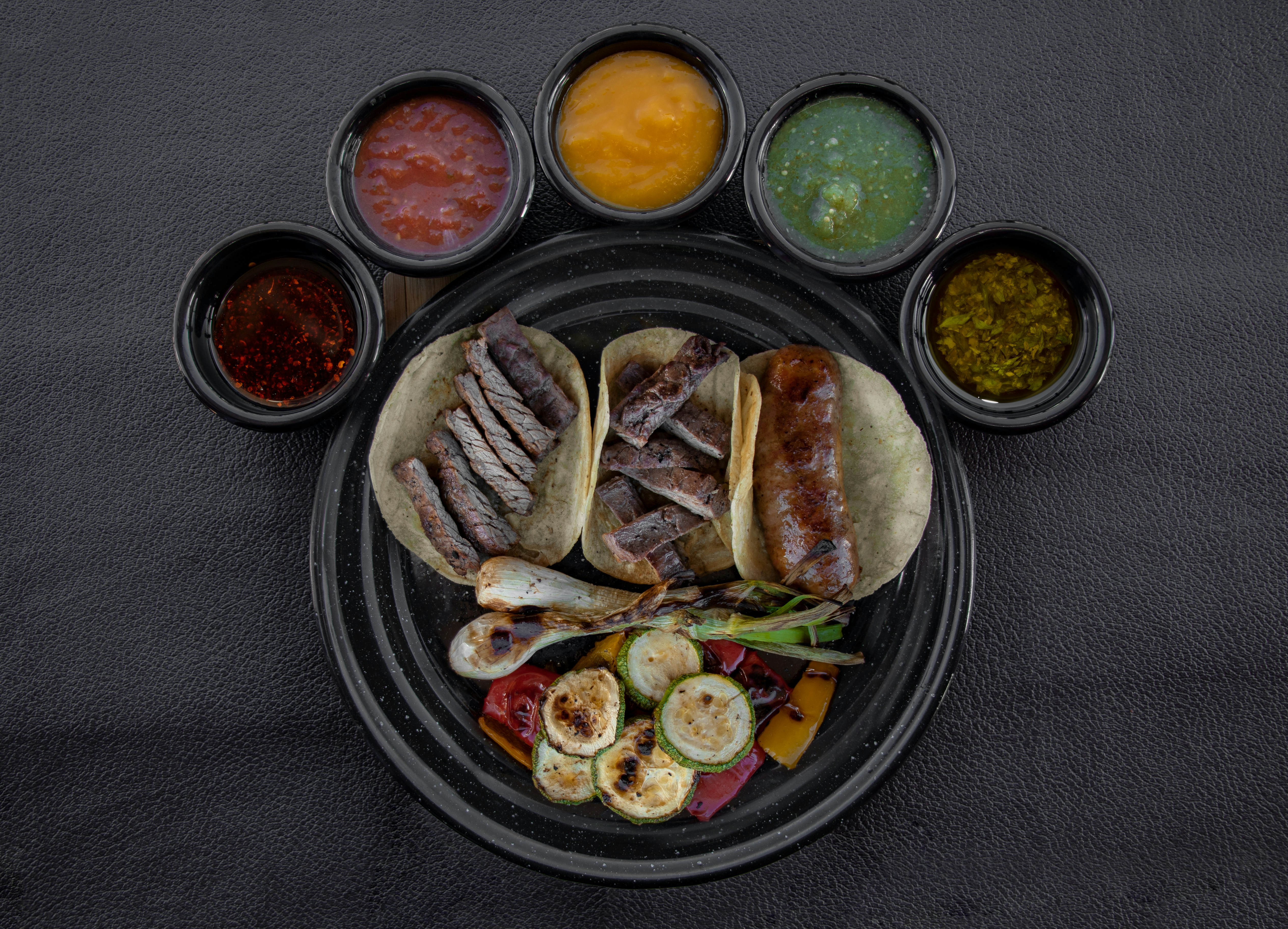
By explicitly aligning to GLP‑1 guidance, Chipotle positions itself among the first major fast‑casual players tailoring options for this cohort. The wider category is already inching in the same direction: brands like Starbucks and Smoothie King have introduced high‑protein, GLP‑1‑aligned choices—think protein lattes or zero‑added‑sugar smoothies—signaling that protein density and macro clarity are becoming shared language across formats. This is a conversation as much as a menu. With macro tracking now a quiet habit for many, the High Protein Menu connects Chipotle to wellness narratives that favor transparency and control. It’s a soft-spoken alignment, the kind that lets guests glide toward what they need without fanfare. Analysis: Competitive validation suggests the move is part of a broad shift, and Chipotle’s explicit GLP‑1 orientation offers an early-mover edge within fast casual.
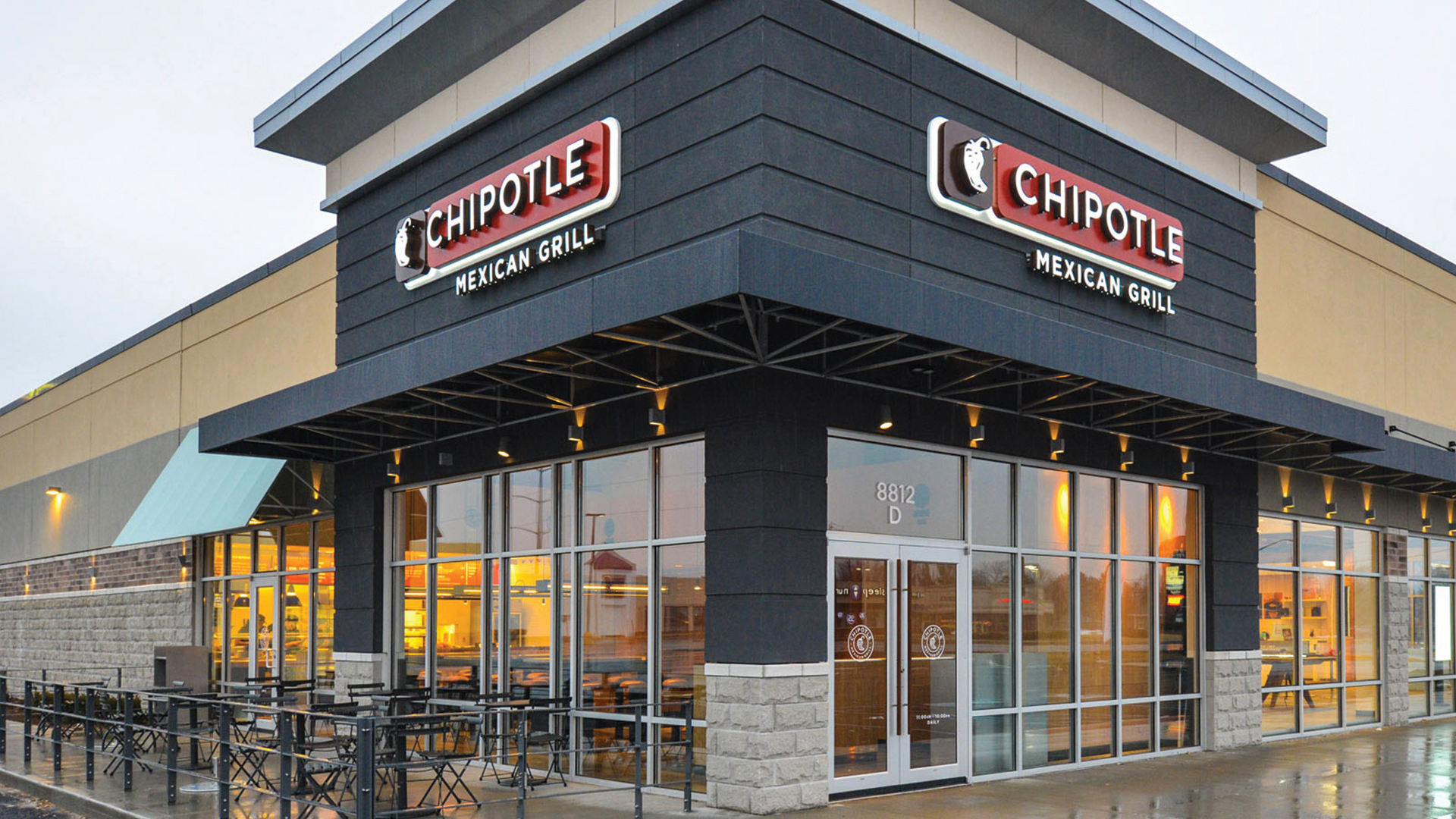
There are still soft edges. The materials do not cite sales, traffic, or guest‑satisfaction outcomes tied to the High Protein Menu. They also leave operational impacts largely unquantified beyond signage and interface streamlining, with no detail on location‑level variability or measured effects on throughput and dayparts. These gaps don’t diminish the clarity of the design; they simply mark the next chapter to watch. The conditions are in place—permanence, omnichannel access, clear value tiers—but verification will rest on how guests translate interest into visits, especially in those mid‑morning and afternoon windows. Analysis: Absent performance metrics, success will hinge on execution and uptake; the framework is sturdy, but proof will come with time and behavior.
Chipotle’s formalization of a snackable protein format reads like a quiet reassurance to guests: your routines are seen. From "four‑ounce" cups to high‑protein bowls and burritos marked as "permanent additions," the menu offers both small comforts and hearty fixes without adding pricing confusion to double‑protein meals. It’s a system built to widen appeal across moments—those quick pauses and those sit‑down dinners—while keeping macro math legible. There’s a broader lesson here for menu makers. When a fan habit persists, giving it a name and a place can turn improvisation into hospitality. The High Protein Menu translates observed behavior into a stable, branded pathway; if it coaxes incremental visits in underpenetrated dayparts, it could settle in as a durable pillar of the brand’s architecture. The mood is soothing, the logic practical: make the good choice the easy one, and let guests find their pace. Analysis: By codifying a behavior into a permanent, omnichannel structure, the brand blends comfort with clarity—an approach that can compound over time if it earns new visits across more dayparts.