How Much Does It Cost to Open a Coffee Shop in 2026?
Opening a coffee shop in 2026 requires careful cost planning across rent, equipment, labor, technology, menu strategy, marketing, and sustainability.
operations
May 15, 2026
Opening a coffee shop in 2026 requires careful cost planning across rent, equipment, labor, technology, menu strategy, marketing, and sustainability.
May 15, 2026

This AI playbook covers restaurant tools for voice ordering, staffing, compliance, menu pricing, inventory, marketing, ChatGPT prompts, and SEO.
May 15, 2026

Hardee’s giant Boddie-Noell inks 31-unit Scooter’s Coffee deal for NC and VA, leveraging drive-thru growth and local roots with rollout over 12–18 months.
May 15, 2026

Wingstop turns match weeks into a multi-sensory festival, aligning bold pop-ups with World Cup energy to build brand affinity and measurable momentum.
May 15, 2026

The parent company behind Dunkin', Buffalo Wild Wings, and Arby's has filed for an IPO a move that could reshape how Wall Street views the restaurant sector.
May 15, 2026

Learn how to develop a memorable restaurant brand identity that stands out in a crowded market, attracts loyal customers, and drives repeat business with actionable strategies and affordable tools.
May 15, 2026

Dirty soda chain Swig is expanding into Colorado through a 10-unit franchise deal, riding a consumer beverage trend that's catching the attention of major QSR players nationwide.
May 15, 2026

Papa Johns has teamed up with Alphabet's Wing for drone delivery of its new sandwich lineup in parts of Charlotte marking the first partnership of its kind between Wing and a national QSR brand.
May 15, 2026

A warm, expert-led look at McDonald’s Q1 results, menu makeover, and the refranchise question shaping its growth.
May 14, 2026

A reflective look at Habit Ranch, its immersive desert activation, and what it signals for brand loyalty and mindful, experiential dining.
May 14, 2026

Unlock Exclusive Access To Webinars, Events, And The Latest News For Free!
Chamoy brings salty, sweet, sour with chili heat to mainstream menus, fueling bold fruit, dessert, and beverage applications.
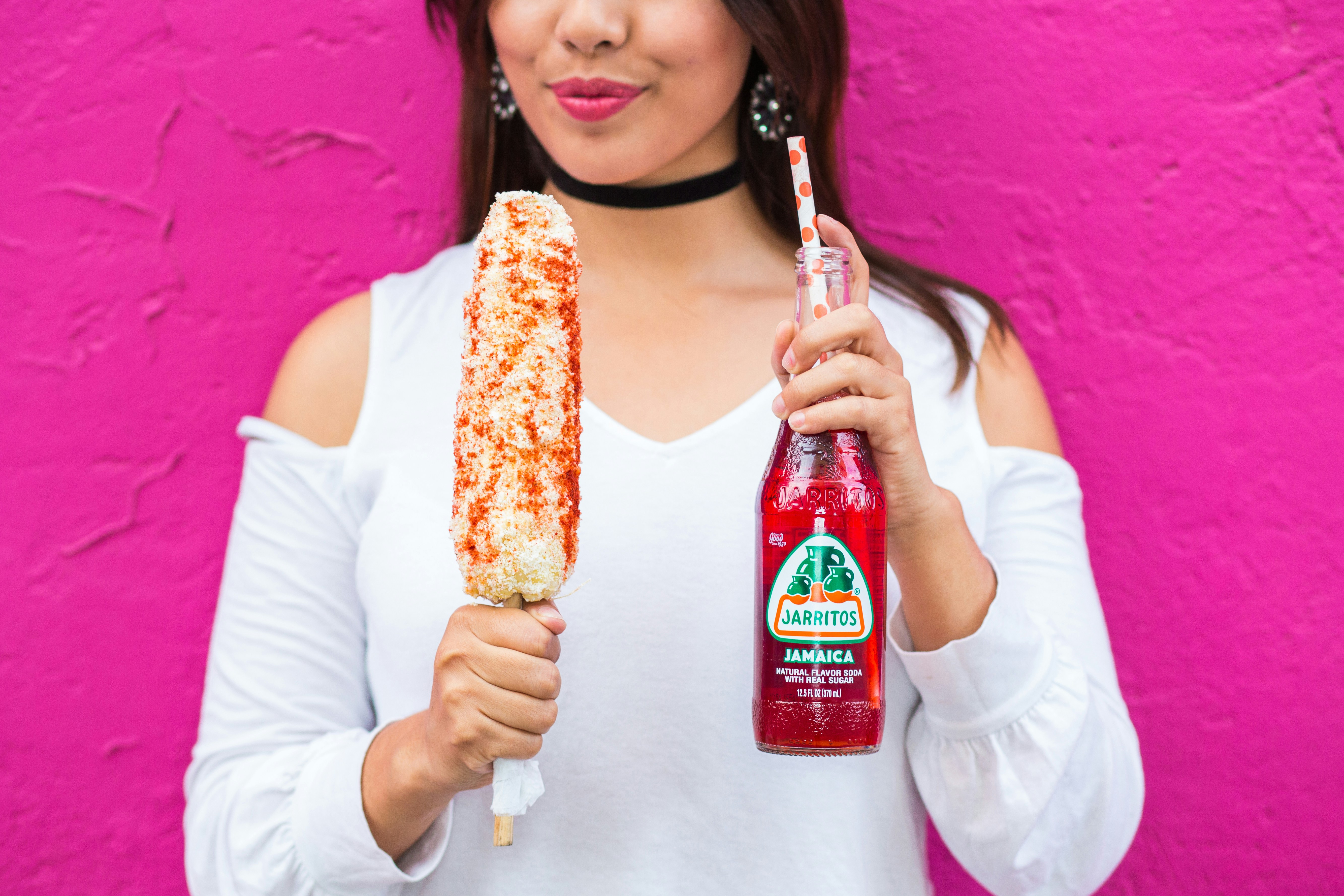
Photo by Jarritos Mexican Soda
Chamoy is entering U.S. dining rooms with a steady confidence. It isn’t a gimmick; it’s a citrus-kissed glaze built from pickled fruit, chiles, and lime juice, a landscape that runs from salty to sweet to sour with a measured glow of heat. In kitchens across the country, operators are treating this condiment as a flexible backbone, not a garnish. It coats fruit bowls, drapes vegetables, enlivens drinks, and even elevates desserts. The texture spectrum ranges from bright liquid sauces to thick pastes, and every state in between is fair game for a drizzle, a dip, or a glaze. This isn’t hype. It’s a deliberate invitation to pair familiar textures with bold flavors, and it primes the scene for what comes next.
In practice, Chamoy has found its most visible champion in the mangonada, a non-alcoholic frozen mango-based treat, where the contrast of heat and brightness shines. The condiment’s reach isn’t limited to a single format; it invites a chef to ornament, marinate, or emulsify, depending on the dish and the intensity required. The appeal isn’t domestic alone: the flavor profile echoes Southeast Asian and other global sweet-sour-spicy dynamics, proving that a single condiment can anchor both authentic and fusion ideas. As NRN notes, the rise is real: chamoy is becoming a mainstream condimant with broad menu applications.
“The versatile sauce has been used to punch up the flavors of fresh fruit for decades. Now it’s starting to do a lot more.” That line, echoed in coverage of TasteCooking’s 2019 look at chamoy, signals a tasting-room shift: a condiment once confined to snack-level applications is playing in wings, cookies, cocktails, and even craft beer. Pioneers like Ana Fernandez of Chamoy City Limits are named for pushing chamoy toward a multidimensional flavor profile that operators now call a practical, cross-category driver. It’s a nostalgia-forward move with contemporary teeth.
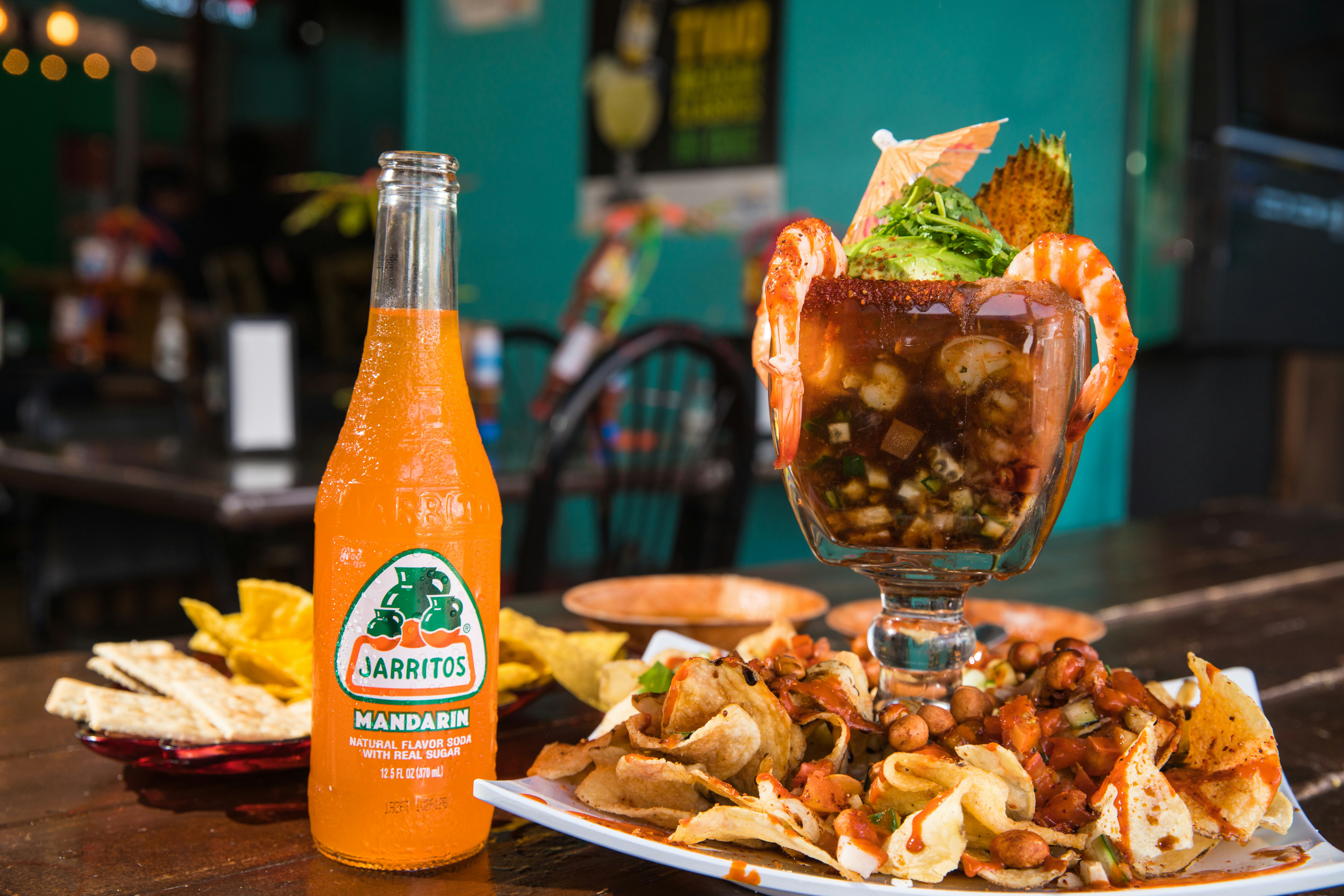
Datassential data underpin the current momentum: 38% of consumers say they’re familiar with chamoy, and 17% have actually tried it. That’s more than a niche, and it’s enough to push operators to experiment with classic fruit snacks, trend-forward beverages, and bold desserts. The picture is reinforced by industry chatter about chamoy’s visual appeal and its ability to diversify a crowded menu. In short, restaurant groups—from quick service to independents—see chamoy as a way to differentiate without losing the comfort of familiar flavors. These numbers come up repeatedly in NRN coverage as a barometer for appetite.
The trend is not just about novelty; it’s about building expectation. Consumers want bold experiences that feel authentic, yet approachable. Chamoy provides that bridge, turning a pantry staple into a menu anchor that can dress fresh fruit, glisten desserts, and elevate drinks—the mangonada becoming a high-visibility example of cross-category potential. The market signals aren’t a flash in the pan; they’re a framework for ongoing menu development, culinary storytelling, and credible sourcing that guests trust.
“A bridge to deeper Mexican culinary culture,” in the words of coverage tied to chamoy’s growth, plus citations of Datassential data and NRN reporting, point to a durable expansion rather than a temporary craze. The operator takeaway is straightforward: treat chamoy as a flavor system with multiple entry points—fruit, dessert, beverage—and tell a story that helps guests understand its roots and possibilities.
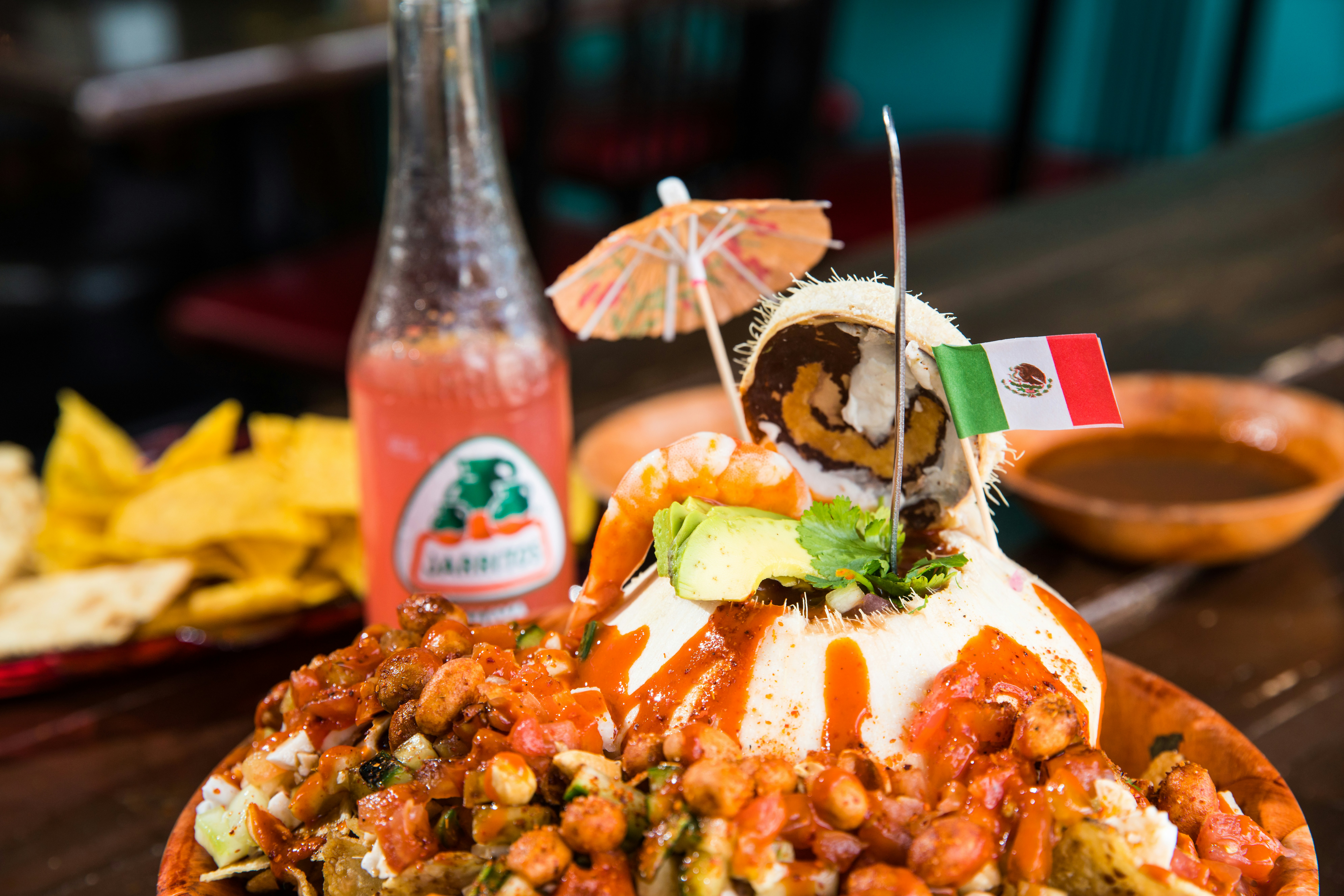
Chamoy rests on a simple scaffold: a balance of salty, sweet, and sour, tempered by chile heat. It can be bright and pourable or dense and paste-like, making it adaptable as a finishing drizzle for fruit or vegetables and as a core component in drinks and desserts. That flexibility is the core draw for operators who want to pair familiar textures with unfamiliar tastes. It can coat a mango-basil dessert to brighten it, or lend a smoky-sour kick to a fruit-forward snack. The value is clear: a versatile anchor that invites experimentation.
As NRN frames it, chamoy can drench fruit and vegetables just as readily as it can deepen a sweet drink or dessert. It becomes a centerpiece for mangonadas and a catalyst for broader menu ideas. Chefs use it to ornament, marinate, or emulsify, choosing intensity by dish. The upshot is predictably practical: you get a flavor system that travels across formats without losing its core identity, giving you both fidelity to tradition and room for invention.
“The versatile sauce has been used to punch up the flavors of fresh fruit for decades. Now it’s starting to do a lot more.” The line underscores a shift: chamoy is no longer a fruit-dip only. It’s a cross-category driver that can meet guests where they are—hungry for nostalgia, open to novelty, and drawn to bold, shareable experiences.
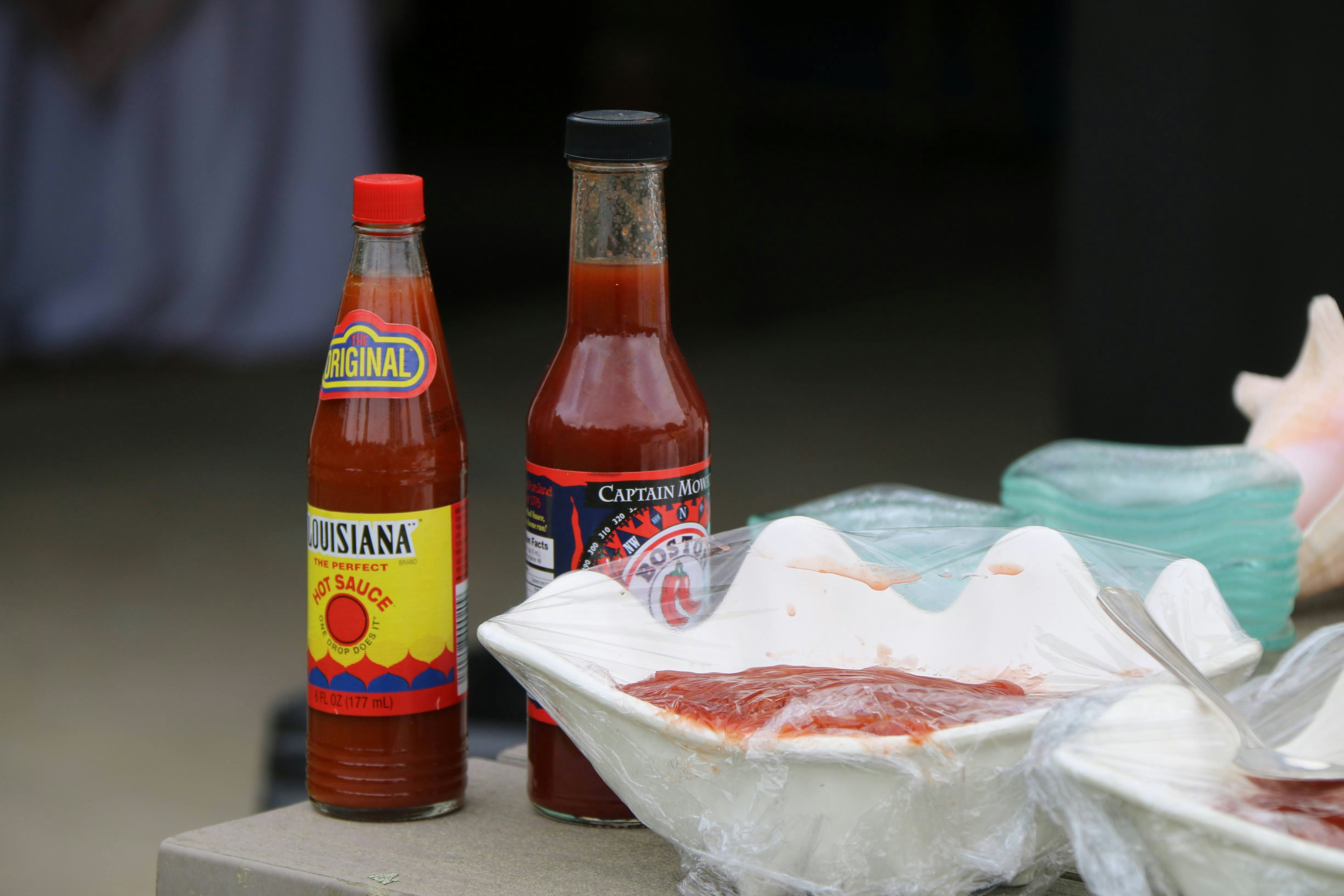
Mangonada stands at the core of chamoy’s mainstream push. It is the beacon that signals cross-category potential—the point where fruit-forward snacks, frozen beverages, and desserts converge around a shared heat-sour-sweet narrative. Coverage of mangonadas has grown across quick-service and specialty dessert channels, reinforcing chamoy’s visual appeal and its capacity to pair sweetness with heat. The narrative isn’t merely about a single item; it’s about an evolving format that invites education and storytelling in equal measure.
In addition to fruit-forward treats, the chamoy channel has touched wings, cookies, cocktails, and even craft beer, per the TasteCooking feature from 2019. Pioneers like Ana Fernandez are cited as shaping a “multidimensional” flavor profile that resonates with operators seeking surprise and delight. The social dimension—nostalgia within Mexican-American communities—adds another layer to engagement when education and storytelling accompany the launch of new formats.
Chamoy continues to be a color and a conversation on menus, a visual cue that invites guests to lean into a familiar taste with a bold twist. The reach from fruit cups to beverages, from nostalgia to novelty, mirrors a larger trend toward global flavor storytelling in mainstream dining.
Datassential numbers are a snapshot, not a guarantee. The 38% familiarity and 17% trial describe a moment in time and a particular audience, with regional and venue variations likely. Price, supply consistency, and messaging about chamoy’s cultural roots will influence uptake. Operators should educate guests with tasting notes and context to avoid misinterpretation and flavor fatigue as new formats roll out. The challenge is turning curiosity into repeat visits while honoring tradition.
Looking ahead, sustained menu innovation, targeted consumer education, and strategic promotion will determine chamoy’s depth on menus. The condiment’s journey from regional favorite to mainstream flavor demonstrates how authentic traditions can inform contemporary dining when paired with credible sourcing and clear storytelling. As operators experiment with fruit-forward snacks, desserts, and frozen beverages, the potential for incremental sales grows alongside opportunities to educate guests about a culturally rooted, multi-dimensional profile.
Conclusion: Chamoy isn’t a fad. It’s a durable conduit for cross-cultural culinary exploration that can adapt to evolving palates while honoring its origins. The path forward hinges on menu experimentation, guest education, and responsible partnerships that keep chamoy’s appeal steady for years to come.