How Much Does It Cost to Open a Coffee Shop in 2026?
Opening a coffee shop in 2026 requires careful cost planning across rent, equipment, labor, technology, menu strategy, marketing, and sustainability.
operations
May 15, 2026
Opening a coffee shop in 2026 requires careful cost planning across rent, equipment, labor, technology, menu strategy, marketing, and sustainability.
May 15, 2026

This AI playbook covers restaurant tools for voice ordering, staffing, compliance, menu pricing, inventory, marketing, ChatGPT prompts, and SEO.
May 15, 2026

Hardee’s giant Boddie-Noell inks 31-unit Scooter’s Coffee deal for NC and VA, leveraging drive-thru growth and local roots with rollout over 12–18 months.
May 15, 2026

Wingstop turns match weeks into a multi-sensory festival, aligning bold pop-ups with World Cup energy to build brand affinity and measurable momentum.
May 15, 2026

The parent company behind Dunkin', Buffalo Wild Wings, and Arby's has filed for an IPO a move that could reshape how Wall Street views the restaurant sector.
May 15, 2026

Learn how to develop a memorable restaurant brand identity that stands out in a crowded market, attracts loyal customers, and drives repeat business with actionable strategies and affordable tools.
May 15, 2026

Dirty soda chain Swig is expanding into Colorado through a 10-unit franchise deal, riding a consumer beverage trend that's catching the attention of major QSR players nationwide.
May 15, 2026

Papa Johns has teamed up with Alphabet's Wing for drone delivery of its new sandwich lineup in parts of Charlotte marking the first partnership of its kind between Wing and a national QSR brand.
May 15, 2026

A warm, expert-led look at McDonald’s Q1 results, menu makeover, and the refranchise question shaping its growth.
May 14, 2026

A reflective look at Habit Ranch, its immersive desert activation, and what it signals for brand loyalty and mindful, experiential dining.
May 14, 2026

Unlock Exclusive Access To Webinars, Events, And The Latest News For Free!
With same-restaurant sales up just 2.1% and revenue slightly below expectations, Cava accelerates openings, strengthens unit economics, and leans on loyalty and tech to reach 1,000 locations by 2032.
Cava has chosen a path of elegant restraint: advance the expansion even as the near-term tempo of same-restaurant gains subsides. In Q2 fiscal 2025, the company posted "2.1%" same-restaurant sales growth, a cooling from the "14.4%" surge a year earlier—a deceleration that reframes expectations without dimming the longer beam of strategy. Revenue reached "$278.2 million", up "20.3%" year over year, while falling just shy of roughly "$285 million" anticipated by analysts. That miss reads more as a glancing blow than an injury, given the sturdiness of unit performance underneath. The development engine remained energetic: "16" net new restaurants in the quarter lifted the footprint to "398", a "16.7%" year-over-year increase, and the brand crossed its "400th" restaurant during the period—a small rite of passage that signals scale of consequence. Restaurant-level profit margin held at "26.3%" with AUV around "$2.9 million", figures that function like a well-calibrated acidity: bracing enough to carry growth, disciplined enough to avoid excess. Cava’s narrative, then, is not about surrendering momentum but exchanging one tempo for another—trading the adrenaline of outsized comps for the architecture of footprint. Analysis: The data shows a shift from comp intensity to development-led growth; sturdy margins and AUVs supply the structure for expansion even as sales per store moderate.
Across fast casual, the breeze has turned cool. Sweetgreen reported same‑store declines of "7.2% to 7.6%", Chipotle slid by "around 4%", and Wingstop dipped as well—signals of soft traffic that echo investor wariness about consumer confidence. In such conditions, one might expect a defensive crouch. Cava has not obliged. The company modestly raised full‑year openings guidance to "68–70" units and held EBITDA and margin forecasts steady, a gesture of poise that underlines confidence in what it can control. At the same time, it lowered same‑store sales guidance to "4%–6%"—an acknowledgment that comps have cooled. The combination feels akin to revising a tasting menu while keeping the chef’s philosophy intact: pace the courses differently, protect the balance, and deliver satisfaction by other means. The strategic reading is clear. With demand softer across the category, new doors, not accelerating comps, are expected to carry growth. Analysis: By lifting openings while tempering comp expectations, the company positions development as the reliable lever in a cautious consumer climate, signaling conviction in execution over macro revival.
Cava’s expansion has a portable grammar. New geographies include Pittsburgh and Fishers, Indiana—part of the Indianapolis metro—where a "3,000 square feet" restaurant with a "40-seat" dining area and a "digital order pickup zone" harmonizes hospitality with off‑premise convenience. It is a layout designed for speed without abandoning grace, the culinary equivalent of a well-structured broth that can be enjoyed in a bustling trattoria or at home. The economics behind the blueprint appear persuasive. "2025’s" new‑restaurant class is on track to deliver AUVs above "$3 million", and cash‑on‑cash returns from the "2024" cohort already surpass "40%" while the "2023" class trends above "50%". Liquidity of "$385.8 million" and "no debt" provide ample oxygen for continued development, reducing the need to compromise tempo for financing. These elements—format portability, strong early volumes, and a balance sheet with room to breathe—compose a score that can be played in more markets without losing rhythm. Analysis: The store design and multiyear return data indicate that new units are scaling with attractive economics, while liquidity and zero leverage fortify execution capacity.
To coax frequency and sustain throughput, Cava is layering consumer engagement with operational finesse. In "October 2025", the loyalty program was reimagined with "three tiers—Sea, Sand, and Sun", offering points, birthday surprises, promotional multipliers, and a "status match" mechanism borrowed from other categories. The aim is segmentation with charm: reward behaviors without flattening the guest into averages. The brand also launched a gamified collaboration with Cody “Clix,” spotlighting the "Clix Chicken Shawarma Bowl" and mobile-driven participation "from October to December"; proceeds support "Dana-Farber Cancer Institute"—a blend of menu novelty, digital theater, and cause marketing. Behind the line, Cava committed "up to $10 million" to Hyphen, a foodservice technology platform positioned to enhance kitchen efficiency without replacing human roles. CFO Tricia Tolivar has emphasized that technology should elevate, not substitute, the human touch. She also noted AUV increases that are broad-based—from major cities to smaller markets like Lafayette, Louisiana, and Burlington, North Carolina—suggesting the brand’s appeal travels well. These initiatives address demand and capacity in tandem: encourage visits, then move the line without losing hospitality. Analysis: Loyalty tiers, limited-time collaboration, and targeted automation form complementary levers—stimulating traffic while protecting execution as the footprint grows.
The Q2 fiscal 2025 report captures both pressure and poise. Same‑restaurant sales rose "2.1%" against the prior year’s "14.4%" sprint, while revenue of "$278.2 million"—up "20.3%" year over year—trailed the roughly "$285 million" whisper. Yet the development drumbeat remained steady: "16" net new units brought the total to "398", a "16.7%" year‑over‑year footprint increase, and the company passed its "400th" restaurant during the quarter. At the store level, a "26.3%" restaurant‑level profit margin and AUV around "$2.9 million" signpost resilient economics. Notably, the latest new‑store class is tracking above "$3 million" AUVs, a hint that younger restaurants may carry outsized volume as they comprise a larger portion of the mix. On guidance, Cava held EBITDA and margin outlooks steady, raised full‑year openings to "68–70", and slimmed same‑store expectations to "4%–6%"—the corporate equivalent of tightening seasoning while allowing the main ingredients to speak. It is a message of controlled ambition: expand with discipline, keep profitability intact, and let comp stabilization follow the work. Analysis: The print illustrates that openings and unit profitability are offsetting comp softness; guidance alignment signals management’s focus on controllable levers.
Category markers point to a slowdown: Sweetgreen’s same‑store sales declined by "7.2% to 7.6%", Chipotle’s by "around 4%", and Wingstop registered a dip, all under a canopy of soft traffic and muted confidence. Within that context, Cava’s stance is contrarian in a calculated way—lift the opening target to "68–70", preserve EBITDA and margin guidance, and lower comp expectations to "4%–6%". The divergence is strategic. When rivals ease their pace, available real estate, talent, and mindshare can be had on more favorable terms. Scale accrues advantages—supply chain, brand presence, and digital reach—and a synchronized push on loyalty and kitchen modernization positions the company to convert that scale into steady throughput. It is not bravado; it is a cool reading of the board, moving pieces where resistance is lightest. In restrained culinary terms, the brand is choosing to deepen the stock rather than chase fleeting garnish. Analysis: With peers retrenching, continuing expansion while guarding profitability creates an opening for share capture through scale and engagement.
Several ingredients remain offstage. The company has not disclosed the detailed mix behind the comp slowdown—how much is traffic versus check—leaving the anatomy of the deceleration unspecified. For Hyphen’s automation platform, the rollout timing and scope are not described, so the cadence of efficiency gains remains an open matter. The loyalty relaunch in "October 2025" and the Cody “Clix” collaboration running "from October to December" come with clear timelines, yet their measured impact on traffic or ticket has not been quantified in the available materials. While liquidity sits at "$385.8 million" with "no debt", the capital per new unit and any shifts in build costs are not covered. Investors and operators alike will be watching these metrics with the same attentiveness a chef gives to simmering stock—patient, but alert to subtle changes. Clarity here would refine forecasts for both sales cadence and margin trajectory. Analysis: Key unknowns include comp drivers, tech implementation pace, and quantifiable lifts from loyalty and collaborations; visibility would sharpen expectations for throughput and profitability.
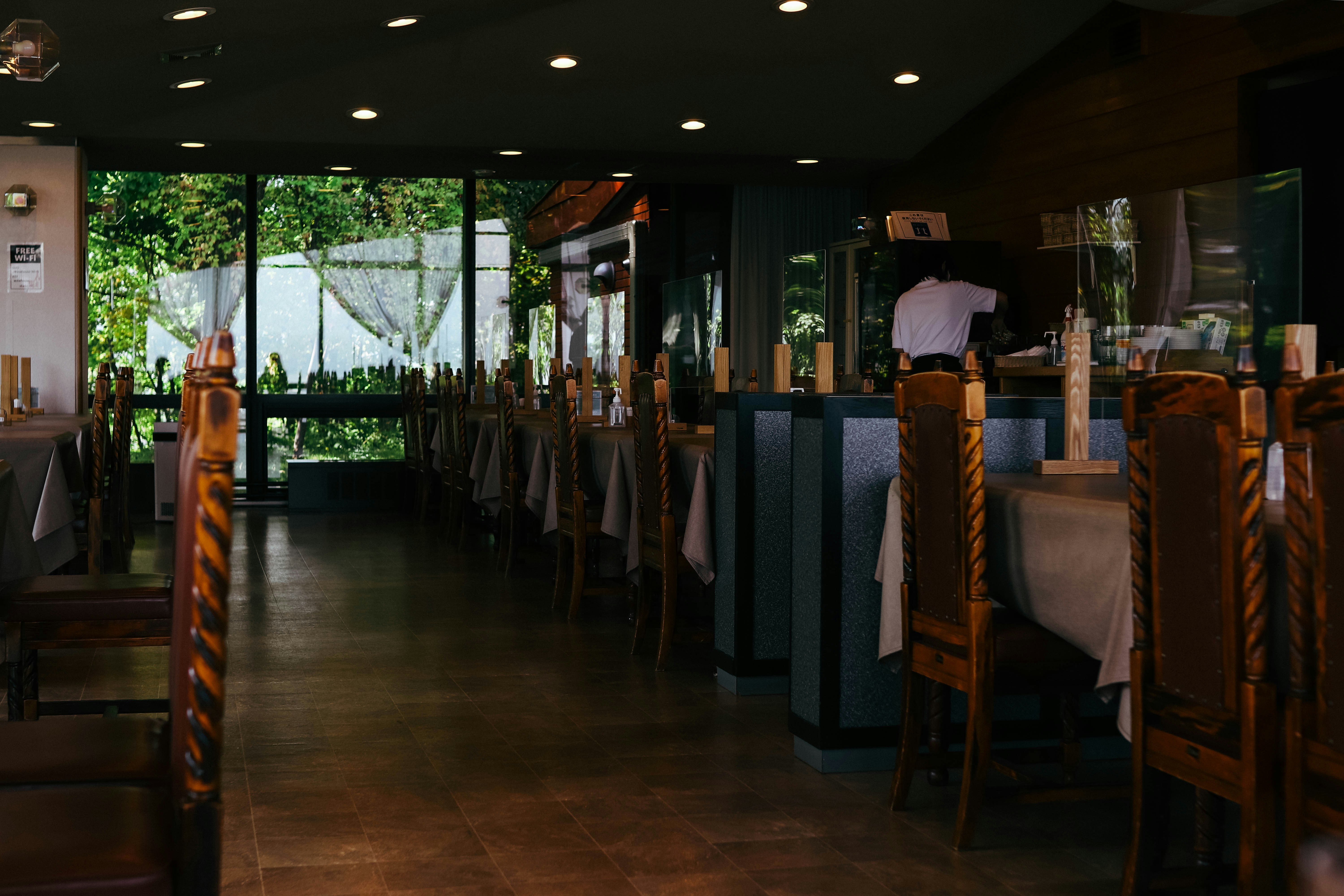
The destination has been set with an unambiguous numeral: "1,000" locations by "2032". The route is multi‑pronged—accelerate development, preserve strong restaurant‑level margins, invest in loyalty and digital engagement, and modernize kitchens without dulling the human touch. Recent execution supports the thesis: opening "16" net new restaurants in a single quarter, expanding the footprint by "16.7%" year over year to "398" and crossing the "400th" milestone; sustaining a "26.3%" restaurant‑level margin with AUVs around "$2.9 million"; and seeing new‑store AUVs track above "$3 million" with cohort returns exceeding "40%" in "2024" and trending above "50%" in "2023". Against an industry backdrop where peers logged declines of "7.2% to 7.6%" and "around 4%", the company’s updated plan—raise openings to "68–70" while guiding comps to "4%–6%"—reads as pragmatic. Win with new units and engagement now; let product, loyalty, and throughput stabilize comps over time. The lesson is almost European in its sensibility: to build enduring flavor, rely on fundamentals and patience, not flash. If execution continues to pair disciplined expansion with targeted demand and efficiency levers, the 2032 target feels anchored in today’s fundamentals rather than wishful thinking. Analysis: Sustained new‑unit performance alongside comp stabilization efforts positions the brand to reach its long‑term goal through scale, margin discipline, and measured innovation.