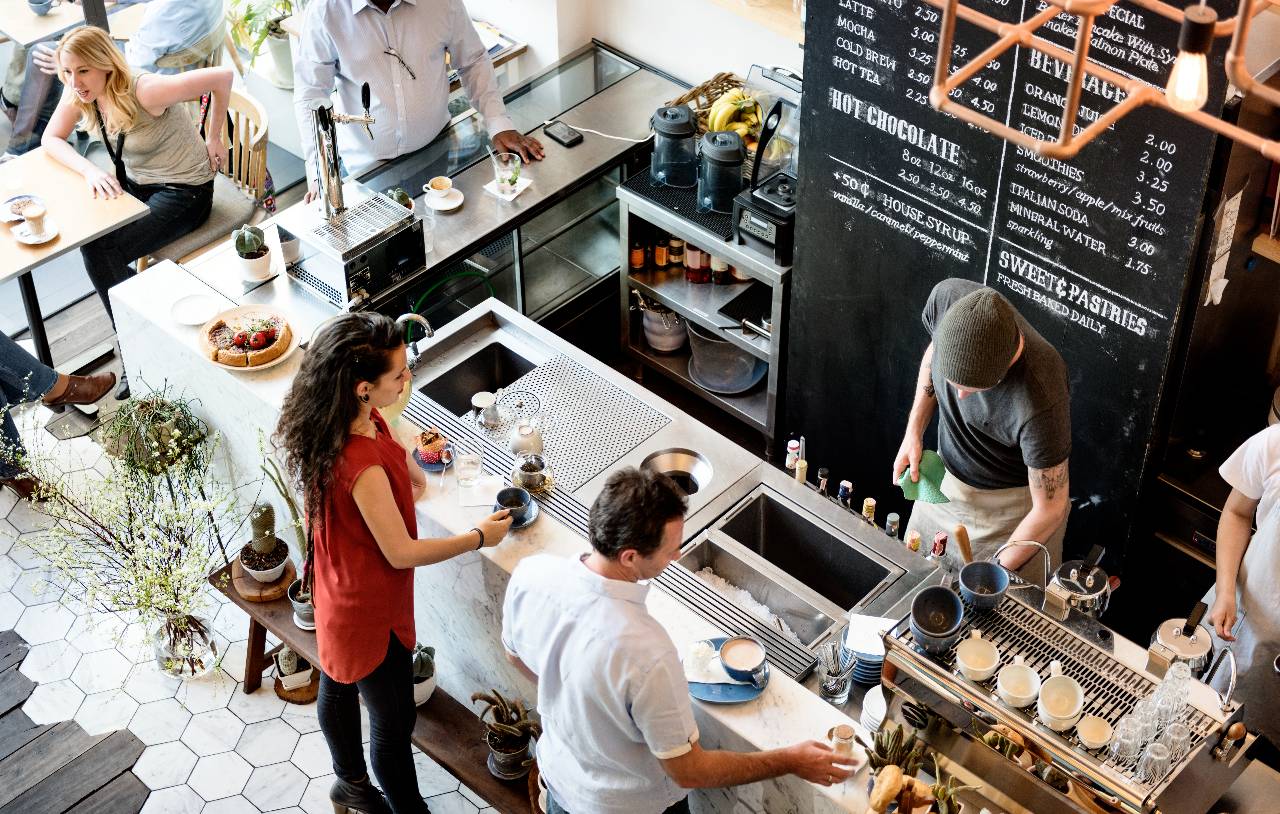
How Much Does It Cost to Open a Coffee Shop in 2026?
Opening a coffee shop in 2026 requires careful cost planning across rent, equipment, labor, technology, menu strategy, marketing, and sustainability.
operations
May 15, 2026
Opening a coffee shop in 2026 requires careful cost planning across rent, equipment, labor, technology, menu strategy, marketing, and sustainability.
May 15, 2026
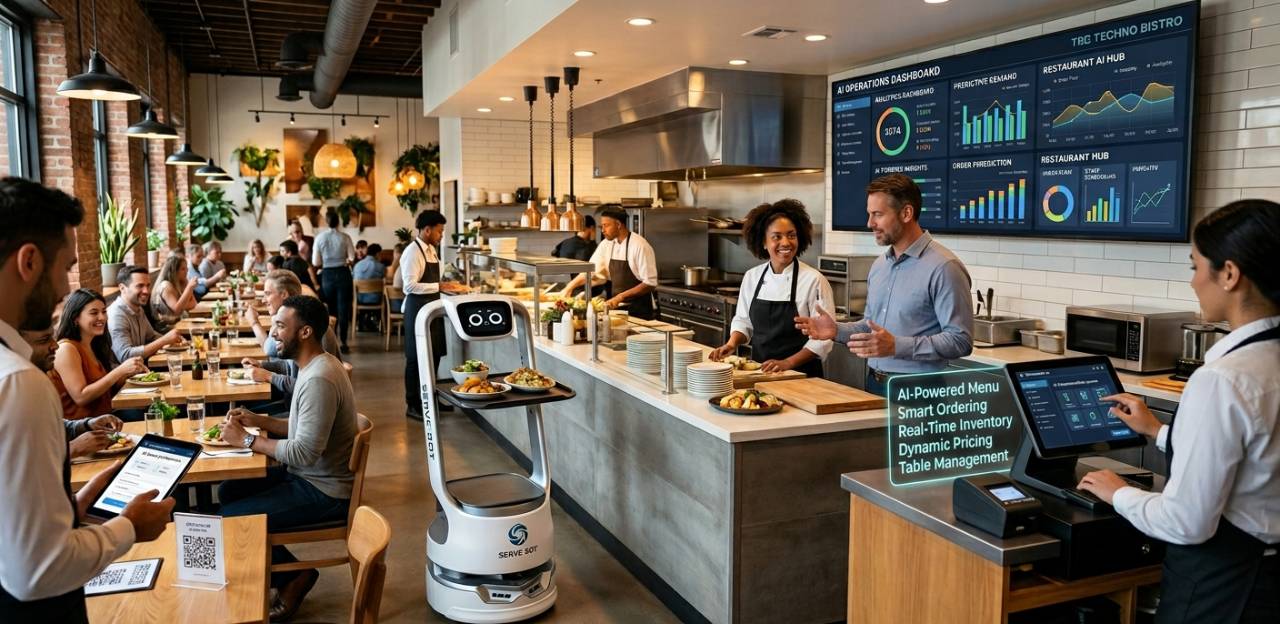
This AI playbook covers restaurant tools for voice ordering, staffing, compliance, menu pricing, inventory, marketing, ChatGPT prompts, and SEO.
May 15, 2026
Hardee’s giant Boddie-Noell inks 31-unit Scooter’s Coffee deal for NC and VA, leveraging drive-thru growth and local roots with rollout over 12–18 months.
May 15, 2026
Wingstop turns match weeks into a multi-sensory festival, aligning bold pop-ups with World Cup energy to build brand affinity and measurable momentum.
May 15, 2026
The parent company behind Dunkin', Buffalo Wild Wings, and Arby's has filed for an IPO a move that could reshape how Wall Street views the restaurant sector.
May 15, 2026

Learn how to develop a memorable restaurant brand identity that stands out in a crowded market, attracts loyal customers, and drives repeat business with actionable strategies and affordable tools.
May 15, 2026
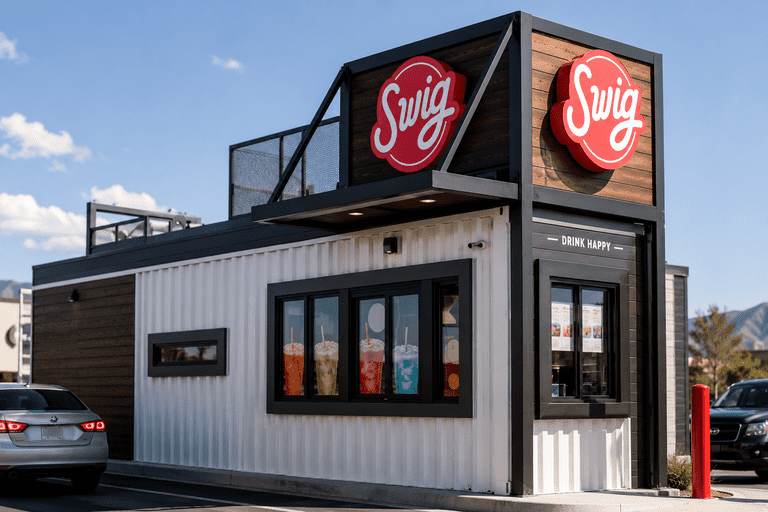
Dirty soda chain Swig is expanding into Colorado through a 10-unit franchise deal, riding a consumer beverage trend that's catching the attention of major QSR players nationwide.
May 15, 2026
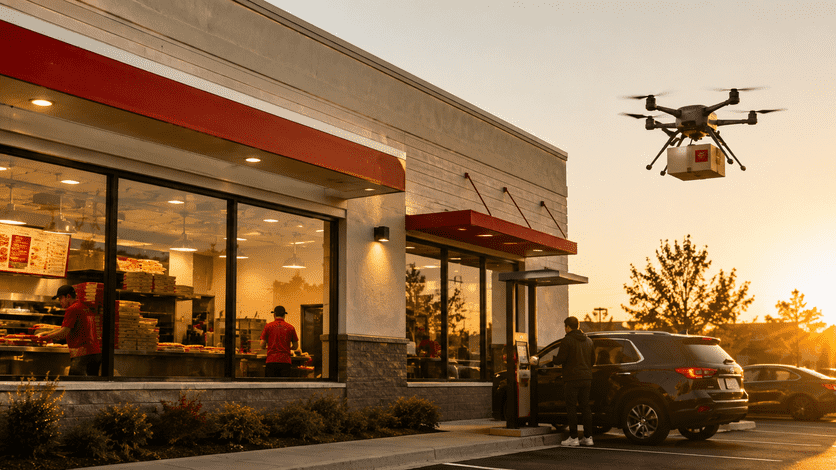
Papa Johns has teamed up with Alphabet's Wing for drone delivery of its new sandwich lineup in parts of Charlotte marking the first partnership of its kind between Wing and a national QSR brand.
May 15, 2026
A warm, expert-led look at McDonald’s Q1 results, menu makeover, and the refranchise question shaping its growth.
May 14, 2026
A reflective look at Habit Ranch, its immersive desert activation, and what it signals for brand loyalty and mindful, experiential dining.
May 14, 2026

Unlock Exclusive Access To Webinars, Events, And The Latest News For Free!
California mandates nine major allergens on all standard menu items across formats, elevating guest safety and menu transparency.

Photo by Louis Hansel
On a quiet morning, the café’s menu takes on a new, almost weather‑like importance: it promises clarity without drama, and it invites a slower, more forgiving pace to the morning ritual. In California, that mood is becoming policy. SB 68—the Allergen Disclosure for Dining Experiences Act—will require every standard menu item to carry the top nine allergens in print and across every digital surface a guest might encounter. The deadline—July 1, 2026—adds a gentle urgency to the everyday act of ordering, a reminder that hospitality thrives when information is steady as a mug of coffee. This is a shift that tastes of care as much as compliance.
Under SB 68, the nine allergens—milk, eggs, fish, shellfish, tree nuts, peanuts, wheat, sesame, and soybeans—must be disclosed for each standard item, across every format: printed menus, menu boards, drive‑thru boards, kiosks, online menus, and apps. The disclosure can be direct on the item or delivered via QR codes, with alternative written formats such as allergen charts required as well. The California Restaurant Association notes that compliance extends beyond a page—it asks for harmonized data across internal systems and third‑party platforms so that what guests see in‑store, online, or through delivery remains aligned. In practice, brands will feel this in menu design, pricing, and the governance of supplier data.
This isn’t merely a rule to tick off; it’s a quiet, generous request: show guests they are seen, and you invite them to stay. The change promises a more predictable dining experience—a gentler rhythm for both frontline teams and the guests they serve. Hospitality, after all, thrives when information flows as calmly as steam from a cup; SB 68 asks for that flow to begin with every plate, every order, every moment of choosing and tasting.

How nine allergens are disclosed is the heart of SB 68. The rule covers every standard item across all channels—print, digital surfaces, and every platform guests might use. Equality across experiences is the aim: a guest won’t find one allergen note on a board and a different one on a mobile listing. This is the quiet architecture of trust, and it will shape how menus are written, how items are priced, and how supplier data feeds through every touchpoint.
The practical horizon is clear: menu design must accommodate a more expansive data layer, pricing models may adapt to new labeling realities, and sourcing teams will contend with data governance that travels from the kitchen to the app. The rule’s reach is comprehensive, touching the way menus are conceived and refreshed, and the way guests discover and compare options in real time. In a café, a well‑placed allergen note can feel as comforting as the pastry’s first bite.
Beyond the legal text lies a soft pivot in how guests experience dining. When a menu feels transparent, conversations around ingredients loosen, and lingered moments over coffee become a space for considered choices. The industry is learning to translate policy into practice with patience—new workflows, clearer labels, and a hospitality ethos that values safety as a shared responsibility. In this evolving landscape, California’s dining rooms, and the digital corners that reach them, become laboratories for gentler, more reliable hospitality.