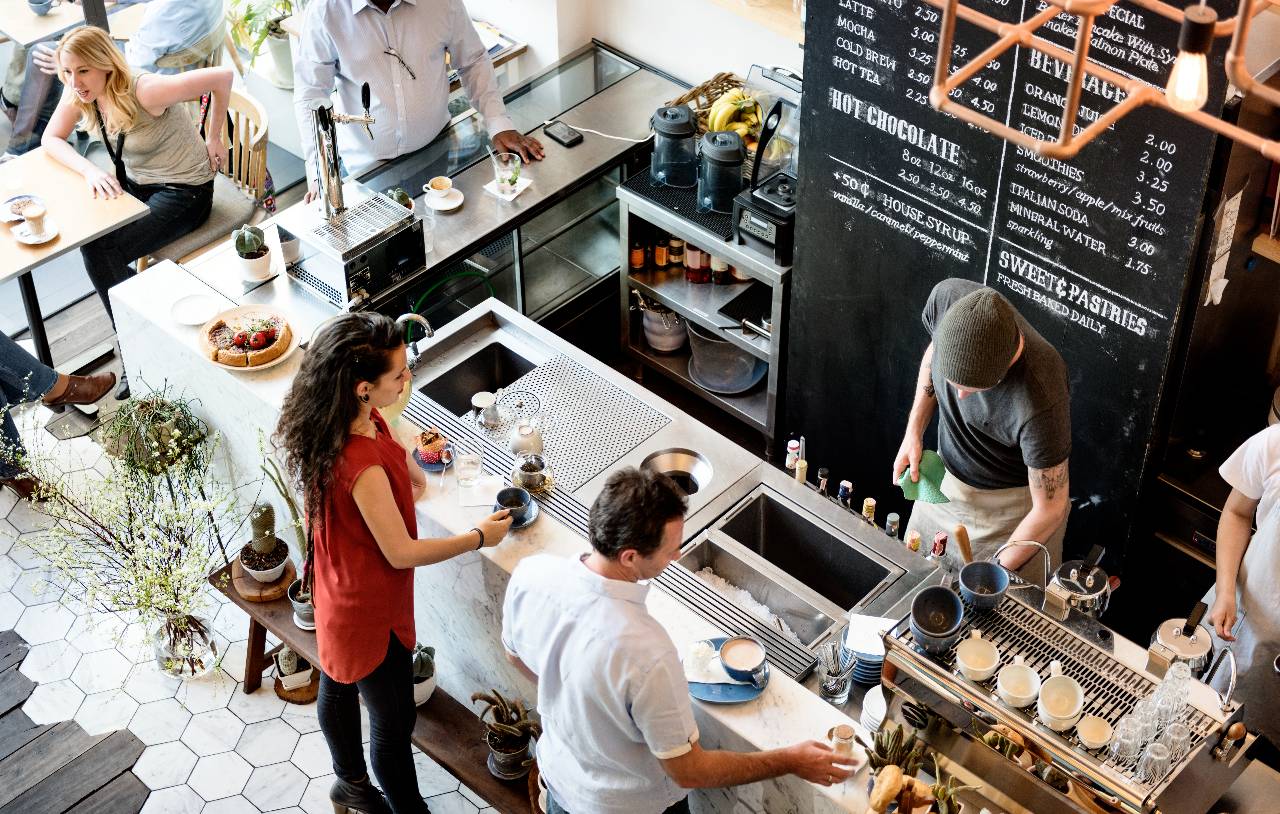
How Much Does It Cost to Open a Coffee Shop in 2026?
Opening a coffee shop in 2026 requires careful cost planning across rent, equipment, labor, technology, menu strategy, marketing, and sustainability.
operations
May 15, 2026
Opening a coffee shop in 2026 requires careful cost planning across rent, equipment, labor, technology, menu strategy, marketing, and sustainability.
May 15, 2026
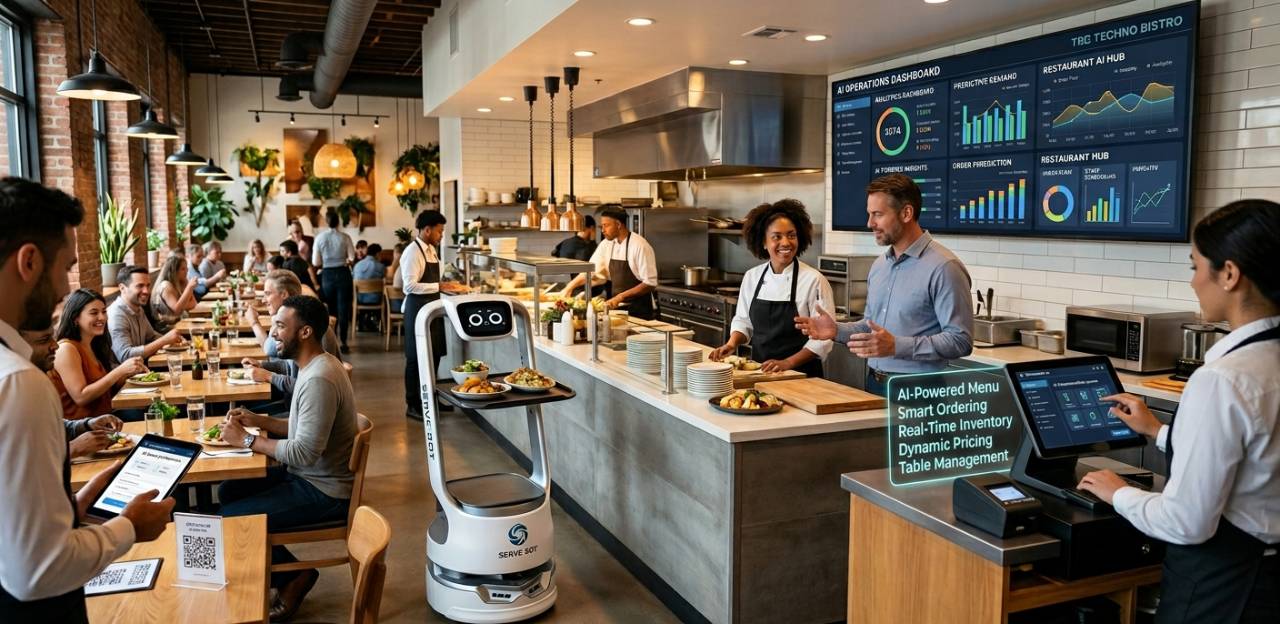
This AI playbook covers restaurant tools for voice ordering, staffing, compliance, menu pricing, inventory, marketing, ChatGPT prompts, and SEO.
May 15, 2026
Hardee’s giant Boddie-Noell inks 31-unit Scooter’s Coffee deal for NC and VA, leveraging drive-thru growth and local roots with rollout over 12–18 months.
May 15, 2026
Wingstop turns match weeks into a multi-sensory festival, aligning bold pop-ups with World Cup energy to build brand affinity and measurable momentum.
May 15, 2026
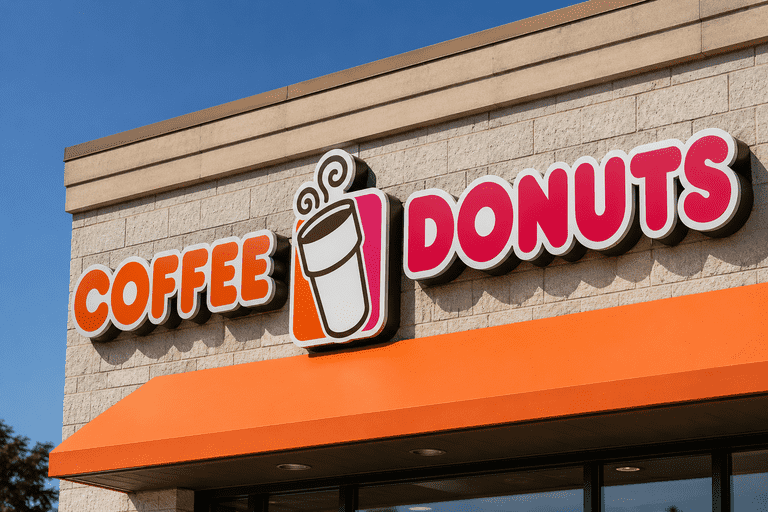
The parent company behind Dunkin', Buffalo Wild Wings, and Arby's has filed for an IPO a move that could reshape how Wall Street views the restaurant sector.
May 15, 2026
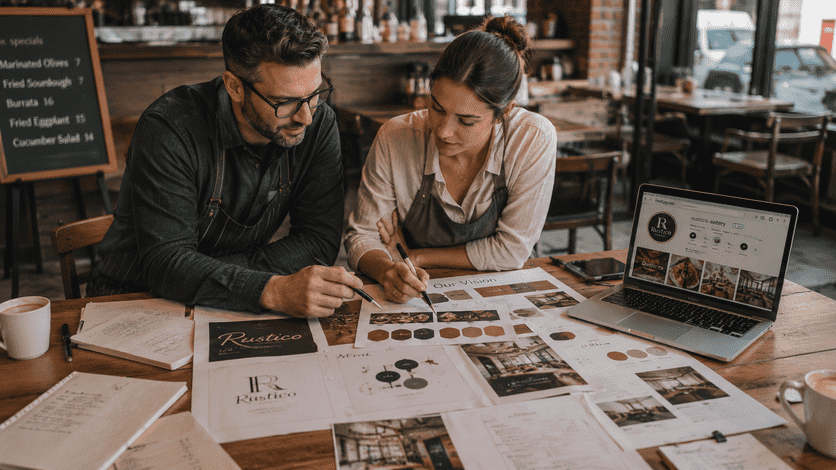
Learn how to develop a memorable restaurant brand identity that stands out in a crowded market, attracts loyal customers, and drives repeat business with actionable strategies and affordable tools.
May 15, 2026
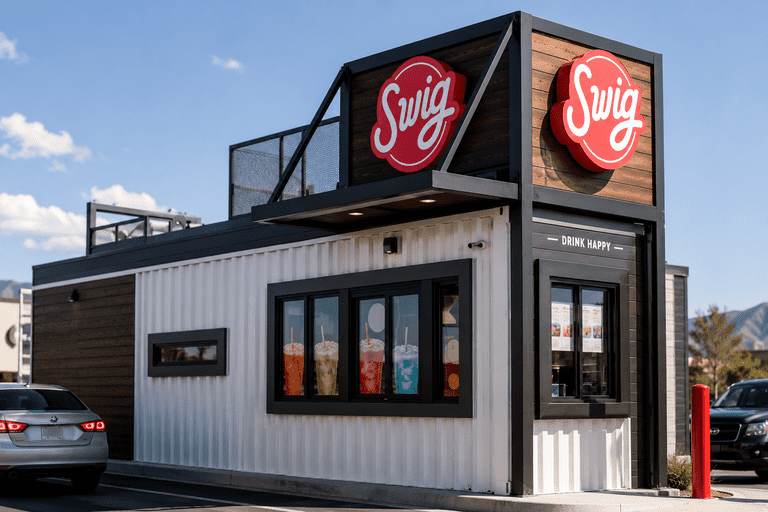
Dirty soda chain Swig is expanding into Colorado through a 10-unit franchise deal, riding a consumer beverage trend that's catching the attention of major QSR players nationwide.
May 15, 2026
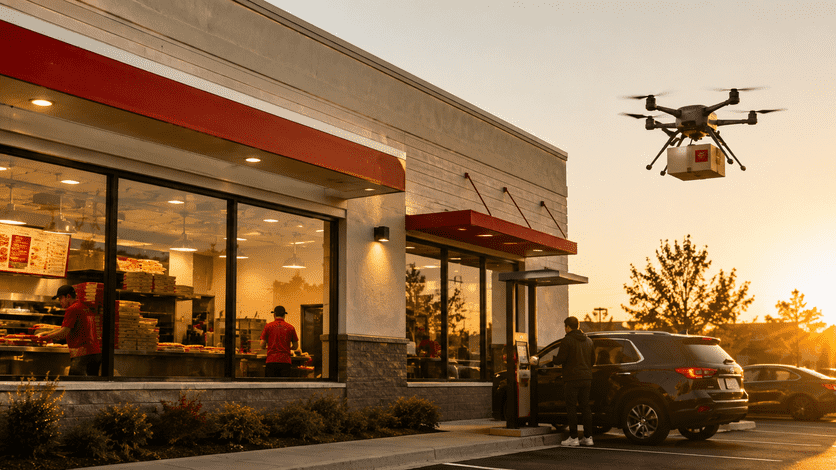
Papa Johns has teamed up with Alphabet's Wing for drone delivery of its new sandwich lineup in parts of Charlotte marking the first partnership of its kind between Wing and a national QSR brand.
May 15, 2026
A warm, expert-led look at McDonald’s Q1 results, menu makeover, and the refranchise question shaping its growth.
May 14, 2026
A reflective look at Habit Ranch, its immersive desert activation, and what it signals for brand loyalty and mindful, experiential dining.
May 14, 2026

Unlock Exclusive Access To Webinars, Events, And The Latest News For Free!
Burger King tests emotional engagement through Balloon Burst and Cloud Float, linking product moments with in-app play to foster durable loyalty.
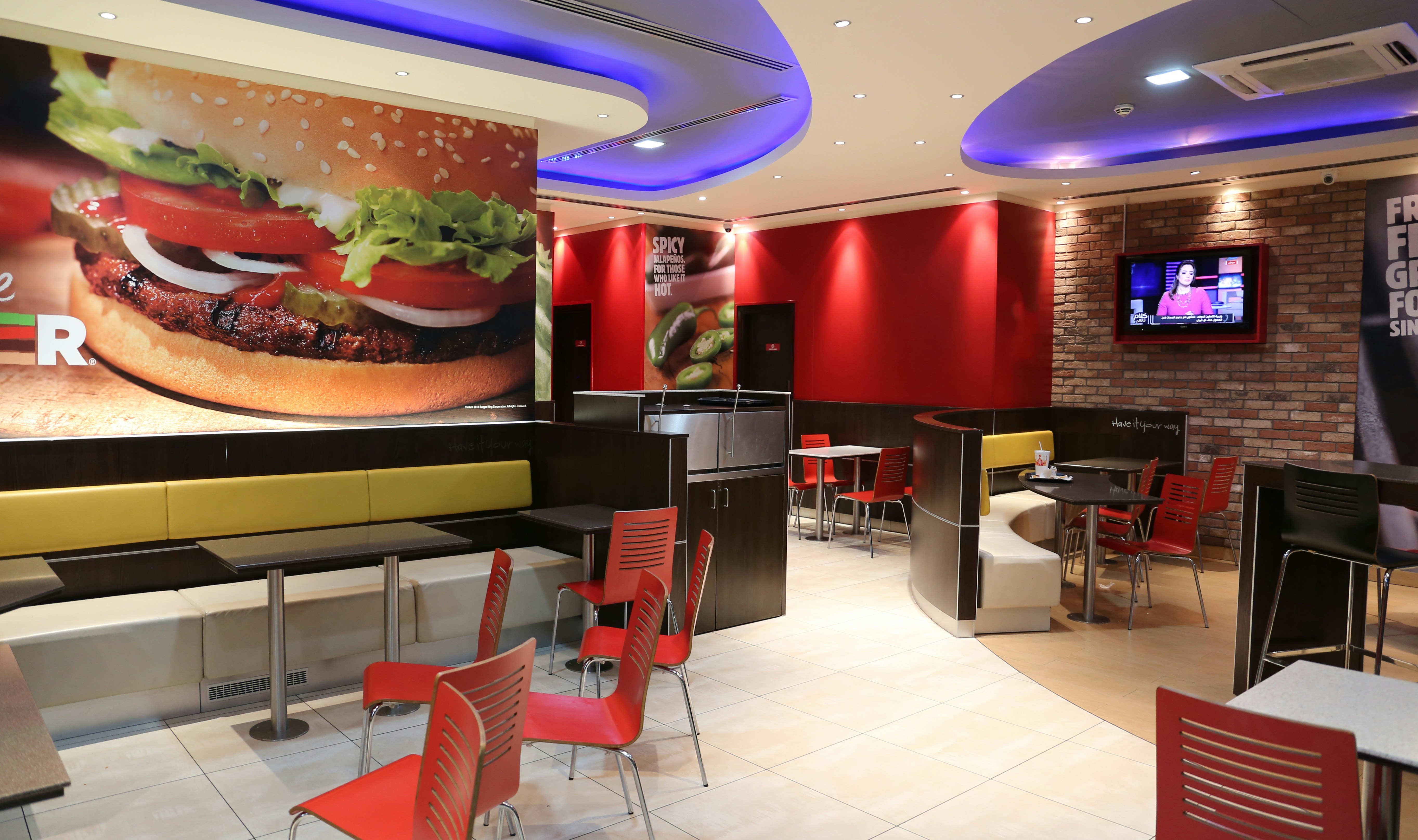
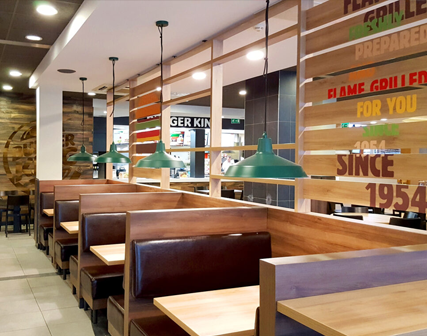
Photo by Iwona Castiello d'Antonio
From the outset, Burger King frames loyalty as an artful duet of memory and momentum. The Balloon Burst celebration, marking the chain’s 70th birthday, unfurls with a visual poetry of color and whimsy, while Cloud Float extends a more fleeting invitation: a four‑week corridor within which guests can travel through digital skies to claim rewards. The rewards themselves are not merely discounts but moments—points earned, Crown opportunities, and limited‑edition keepsakes—available through the BK app and bk.com. In a marketplace where offers crowd the shelf, BK seems to measure an emotional cadence, testing whether joy, nostalgia, and play can translate into recurring visits and elevated spend. The stage is set for a deeper question: how do these moments seed lasting engagement beyond price?
What follows is a closer look at the choreography behind the two campaigns and how they feed a broader growth rhythm.
Cloud Float arrived with a defined tempo and a clear product moment—the Frozen Cotton Candy beverage. Balloon Burst followed about a month later, reinforcing a deliberate pipeline of in‑app experiences designed to drive more frequent visits and higher spend in a hyper‑competitive market. Royal Perks members could enter sweepstakes, accumulate points, and redeem for limited‑edition rewards, a structure that binds the in‑store experience to the digital realm. The investment is perceptible not just in the games themselves, but in the philosophy behind them: no game, even the most popular, should feel repetitive, so the experience remains fresh and worth returning to. This restraint—an insistence on novelty—speaks to a larger ambition: forge emotional connections that endure as the brand evolves.
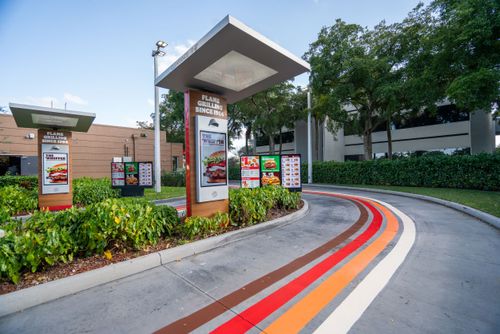
Cloud Float’s timing and design align with a product moment—the Frozen Cotton Candy beverage—demonstrating how game initiatives can be anchored to a tangible menu item. The four‑week run, carefully described in BK’s communications, showcases an exclusive digital experience in the BK app where users soar through clouds to collect points, win Crowns, and unlock food and drink perks and limited‑edition swag. A guiding principle emerges: experiences should feel intuitive, inclusive, and rewarding from the first interaction, so guests feel seen and valued. The emphasis on authentic storytelling—letting a flame‑grilled identity shine through the digital play—strengthens the perceived loyalty of the brand and its promise of consistent, meaningful interaction.
Preston Nix, the director of loyalty and CRM, underscores a crucial policy: "no game, even the most popular, ever repeats", ensuring every digital encounter feels fresh and new. That insistence on novelty is paired with a clarity of purpose—the campaigns carry BK’s core messages, like flame‑grilled cooking, to reinforce authenticity. The design intention is to tighten the link between in‑store traffic and digital engagement while keeping a careful eye on engagement curves, drop‑off, and the incentive appeal. In short, these experiences are not one‑offs; they are instruments in a longer orchestration of growth.
.png)
Early signals point to deeper engagement. BK executives have described meaningful gains from gamification: "They start to come more frequently and they start to spend more, driving that stickiness of our brand" said Preston Nix. Within a hyper‑competitive industry, the approach also yields a warmer sentiment toward the brand, turning playful touchpoints into durable relationships. Industry observers and brand strategists alike note that the nostalgia of Balloon Burst—retro cues married to modernization—complements BK’s forward‑looking storytelling, suggesting that emotional resonance and memorable moments can coexist with precision marketing.
Industry perspectives extend beyond the walls of BK. Arlene Spiegel, founder and president of Arlene Spiegel & Associates, emphasizes that in today’s economy, "We are living in an economy that is reliant on relationships — frequent and active engagement". Her view aligns with BK’s emphasis on mobile touchpoints and ongoing interaction, arguing that gamified experiences offer a route to own valuable mobile real estate and deliver lasting loyalty rather than sporadic promos. The nostalgia angle, anchored in Balloon Burst, also signals how brands blend heritage with contemporary technology to stay relevant.
Results and signals from leadership paint a picture of a long‑term orientation rather than a single promotional push. The company frames these experiences as components of a broader growth engine, with engagement deepening as campaigns evolve. Public disclosures on ROI remain limited, yet BK’s materials show a pattern: launches tied to meaningful moments—anniversaries or product introductions—followed by iterations, such as the indication of a Cloud Float 2. Taken together, the signals suggest BK intends to sustain an active, habitual relationship with guests rather than chase immediate spikes in sales.
The roadmap is not a single flourish but an ongoing practice: Cloud Float 2, Balloon Burst, and nostalgia‑tinged experiences tied to Frozen Cotton Candy hint at a methodical, iterative discipline. In the industry, these signals point to a loyalty model that earns a place in guests’ routines by weaving authentic storytelling with product moments and refreshed digital experiences. The implication is clear: a durable growth engine emerges not from isolated promotions but from a consistent cadence of meaningful interactions.
Industry context frames Burger King’s model as part of a broader shift in quick‑service loyalty: away from transient discounts toward relationships that endure through ongoing, personalized experiences. Spiegel’s observation—an economy reliant on relationships—captures how mobile greetings, streamlined ordering, rewards, and gratitude become the arena for loyalty. In this frame, gamified experiences offer a route to deepen engagement beyond discrete offers, creating a persistent presence in a guest’s smartphone and daily routine. BK’s emphasis on authentic storytelling and evolving experiences places it at the forefront of a sector striving to reinvent loyalty as a durable growth engine.
As a result, the industry is watching not for a single promotion but for a pattern: campaigns that harmonize product moments, narrative unity, and refreshing digital experiences. The enduring question is how these elements translate into repeat visits, higher spend, and a sense of loyalty that survives the next product cycle. The BK approach—iterative, product‑moment driven, and emotionally resonant—offers a compelling template for an era when customers expect brands to entertain, engage, and remember them.
Gaps, uncertainties, and implications linger as a reminder that public metrics remain opaque. Royal Perks terms spell out earning Crowns and redeeming rewards via the BK app, yet they refrain from disclosing campaign‑level ROI. The ongoing evolution—Cloud Float 2, Balloon Burst, and nostalgically tinged experiences tied to Frozen Cotton Candy—speaks to a measured, iterative practice rather than a singular formula. For the wider industry, the lesson is clear: successful loyalty programs will increasingly blend authentic brand storytelling, product moments, and refreshing digital experiences to sustain relevance in a crowded market.
The overarching takeaway is that BK’s gamified approach signals a shift toward durable engagement. By pairing meaningful moments with intuitive, rewarding digital experiences, the brand aspires to keep guests returning—not merely chasing a discount, but seeking an ongoing, emotional link to the brand. If the pattern holds, the loyalty playbook could become a steady growth engine, one that navigates the tempo of anniversaries, product moments, and evolving experiences with quiet confidence.