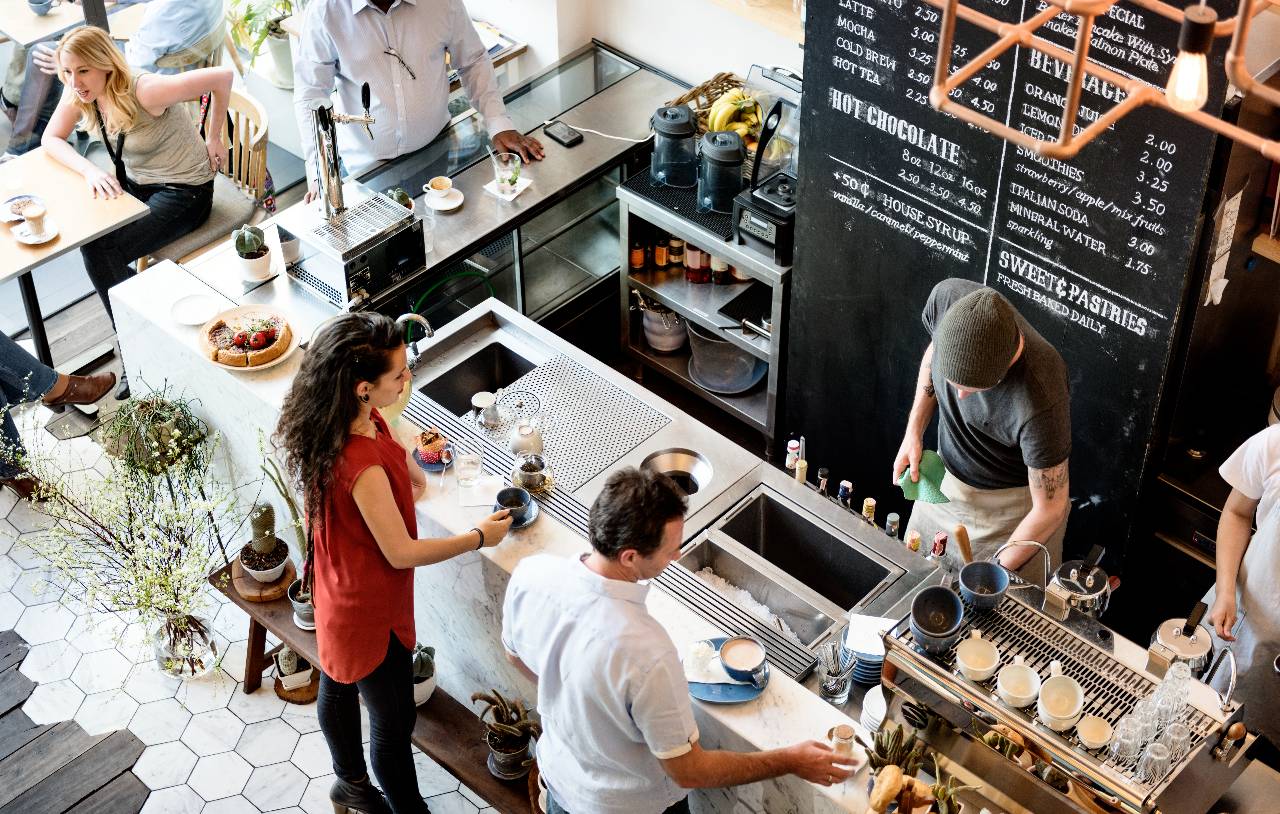
How Much Does It Cost to Open a Coffee Shop in 2026?
Opening a coffee shop in 2026 requires careful cost planning across rent, equipment, labor, technology, menu strategy, marketing, and sustainability.
operations
May 15, 2026
Opening a coffee shop in 2026 requires careful cost planning across rent, equipment, labor, technology, menu strategy, marketing, and sustainability.
May 15, 2026
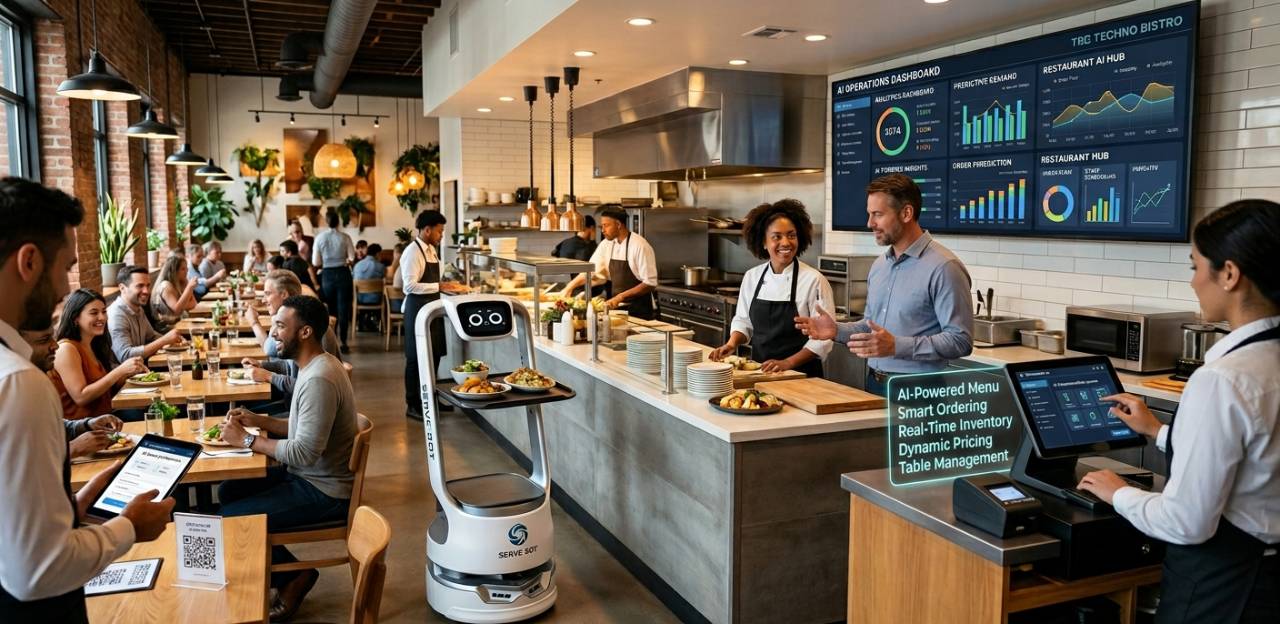
This AI playbook covers restaurant tools for voice ordering, staffing, compliance, menu pricing, inventory, marketing, ChatGPT prompts, and SEO.
May 15, 2026
Hardee’s giant Boddie-Noell inks 31-unit Scooter’s Coffee deal for NC and VA, leveraging drive-thru growth and local roots with rollout over 12–18 months.
May 15, 2026
Wingstop turns match weeks into a multi-sensory festival, aligning bold pop-ups with World Cup energy to build brand affinity and measurable momentum.
May 15, 2026
The parent company behind Dunkin', Buffalo Wild Wings, and Arby's has filed for an IPO a move that could reshape how Wall Street views the restaurant sector.
May 15, 2026
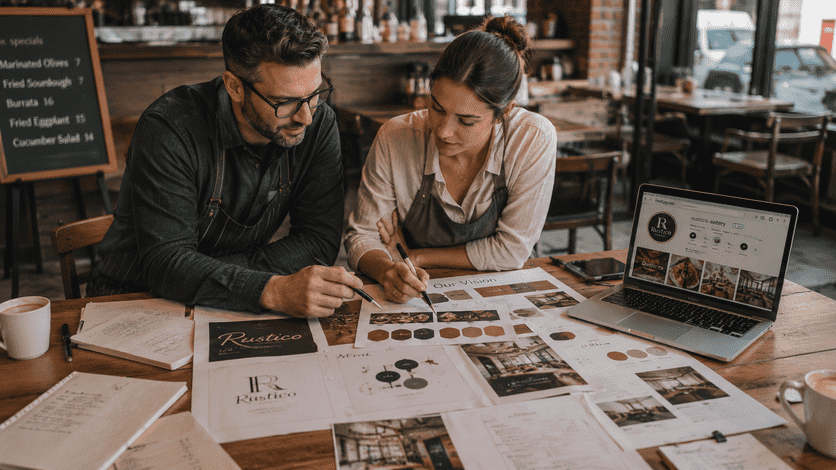
Learn how to develop a memorable restaurant brand identity that stands out in a crowded market, attracts loyal customers, and drives repeat business with actionable strategies and affordable tools.
May 15, 2026
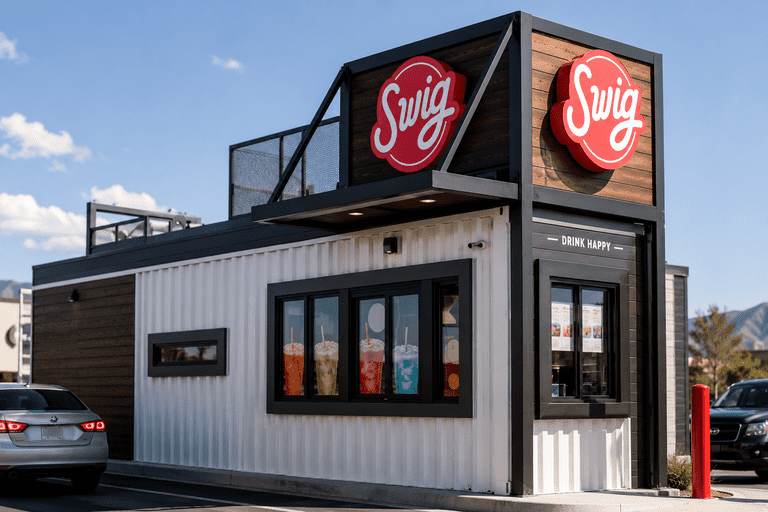
Dirty soda chain Swig is expanding into Colorado through a 10-unit franchise deal, riding a consumer beverage trend that's catching the attention of major QSR players nationwide.
May 15, 2026
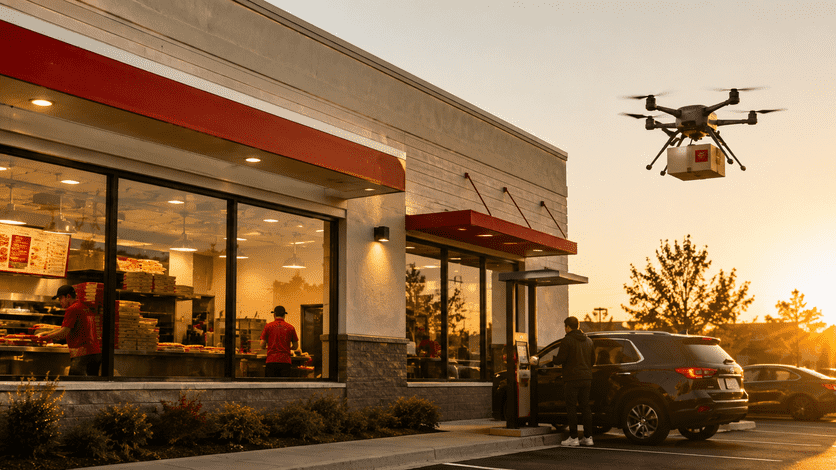
Papa Johns has teamed up with Alphabet's Wing for drone delivery of its new sandwich lineup in parts of Charlotte marking the first partnership of its kind between Wing and a national QSR brand.
May 15, 2026
A warm, expert-led look at McDonald’s Q1 results, menu makeover, and the refranchise question shaping its growth.
May 14, 2026
A reflective look at Habit Ranch, its immersive desert activation, and what it signals for brand loyalty and mindful, experiential dining.
May 14, 2026

Unlock Exclusive Access To Webinars, Events, And The Latest News For Free!
A thoughtful look at Wendy's focus on breakfast, bundled value, and digital momentum shaping its growth engine.
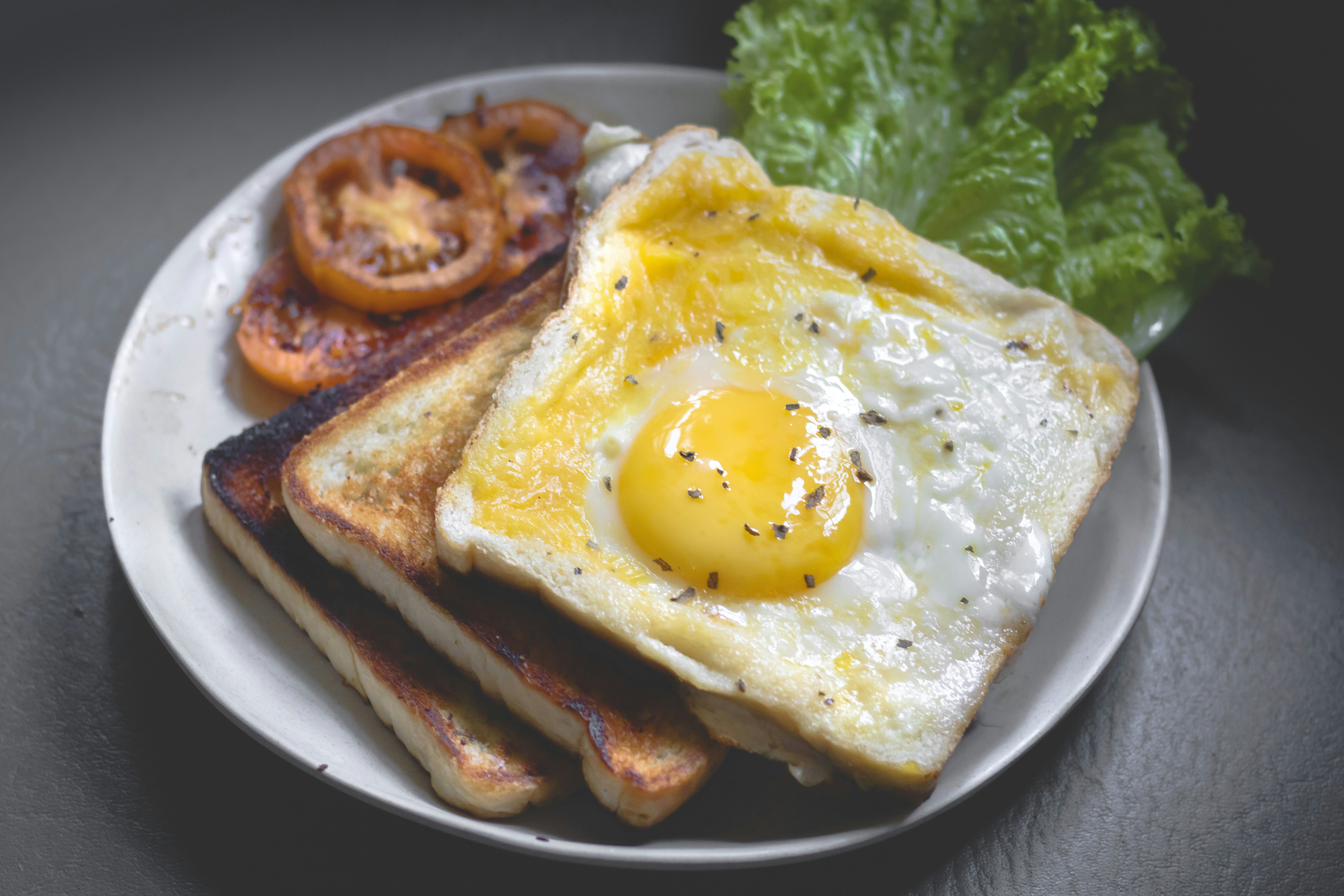
Photo by Eiliv Aceron
Across the fast‑food landscape, Wendy’s is choosing a deliberate, nourishment‑forward rhythm: two growth engines aligned to a larger purpose. The breakfast daypart, long in the re‑launch phase, is being scaled with disciplined investment, while digital channels knit the customer experience into a more predictable, data‑driven cycle. This approach feels mindful and balanced, almost like a carefully plated dish where every component supports the next. The aim is not a single wave of sales, but a sustained momentum that can weather macro shifts: breakfast as a central taste profile that sets the tone for the brand’s day.
This opening act is more than a headline; it’s a nourishing, balanced blueprint for growth. It invites the reader to see how a disciplined daypart strategy and a disciplined digital backbone work in concert to sustain momentum across markets and menus.

Looking at the latest numbers, Wendy’s shows how the breakfast momentum is translating into results. In Q2 2025, net income was $54.6 million, or 27 cents per share, down from $59.6 million, or 28 cents a year earlier, while revenue rose to $570.7 million. Global systemwide sales reached roughly $3.7 billion, with international growth accelerating to 8.7%. Some locations report breakfast in the neighborhood of $3,000 per week, underscoring the daypart’s profitability. Kirk Tanner, Wendy’s CEO and president, called breakfast an incredibly important daypart… highly profitable, and we have not yet reached our potential, and he emphasized that the company continues to outperform competitors by driving breakfast dollar growth ahead of the category. With digital momentum and bundling supporting the mix, this early signal points to a broader margin expansion story across company‑owned and franchised restaurants.
The narrative here is clear: breakfast is not a fleeting trend but a high‑margin driver that can lift the economics of the entire system when paired with a digital backbone and a disciplined investment cadence. The way these pieces come together—breakfast momentum, margin fidelity, and the leverage of digital tools—creates a foundation for sustained growth across both company‑owned and franchised locations.
Digital commerce has emerged as a core pillar in Wendy’s growth plan. Global digital sales have surged more than 40% year over year, now making up about 17% of total sales. The U.S. is leading the surge, with digital dollars up more than 40% year over year, while international markets have risen by over 30%. The loyalty platform has grown about 6% in users, deepening relationships at scale. Bundled value remains a differentiator, notably the $5 Biggie Bag. To empower these shifts, Wendy’s committed roughly $20 million to install digital menu boards at company restaurants in 2024–2025, with 30 to 35 units already in place and more slated for the second half of the year. These moves reflect a nourishing, balanced roadmap: they aim to enhance the customer experience while delivering efficiency gains for crews.
The digital and value‑bundle strategy is not an afterthought; it is a cohesive element of Wendy’s growth flywheel. Digital upgrades support pricing and menu innovation, while modernized boards reduce manual changes and free up crews to focus on service. The result is a more seamless customer journey and a more predictable shift pattern for teams on the floor, a thoughtful combination aimed at sustainable margin expansion.
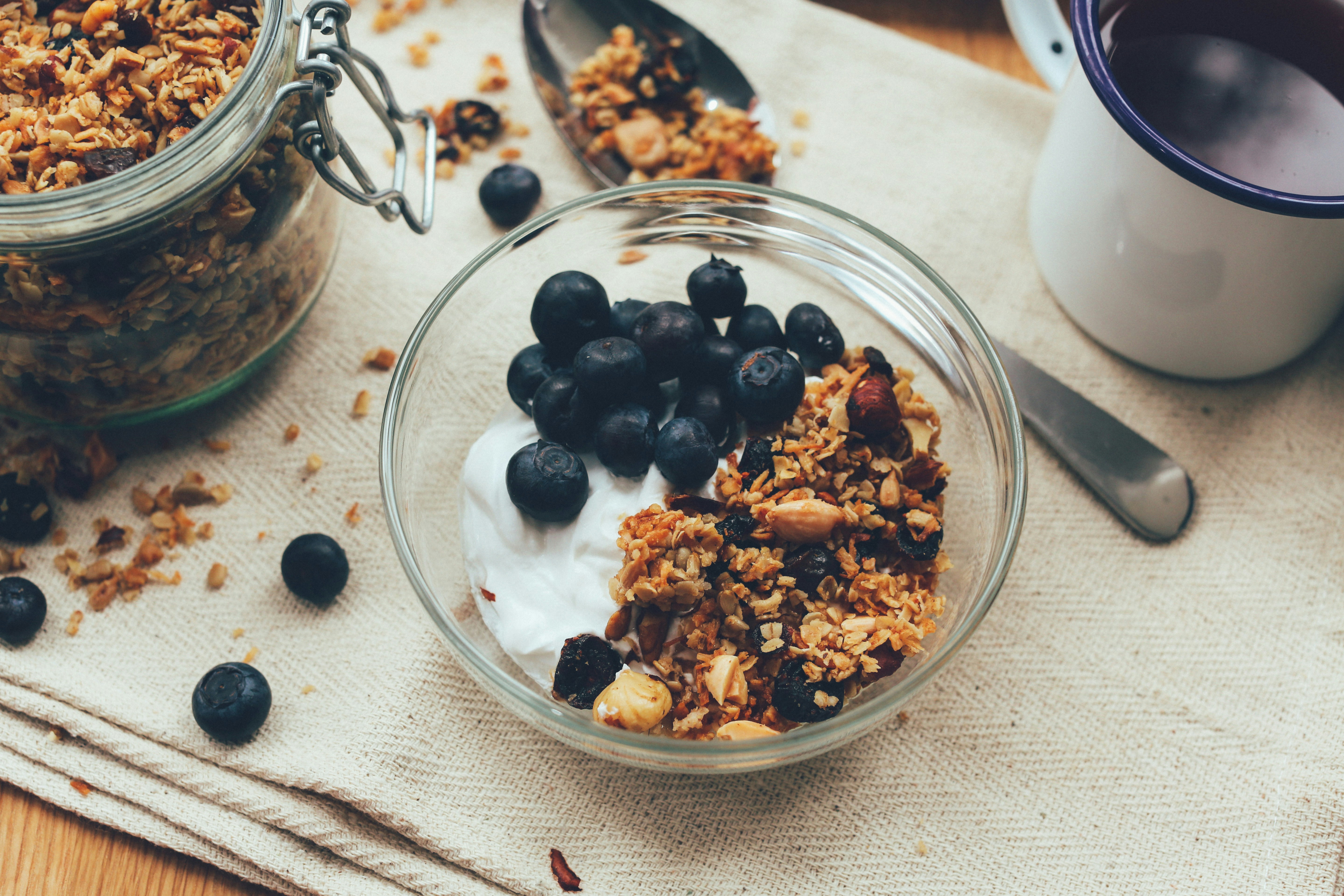
The leadership dialogue frames breakfast as a strategic driver, with bundled value and digital infrastructure described as essential pillars of a broader plan. In a telling articulation, an incredibly important daypart… highly profitable, and we have not yet reached our potential is echoed in the tone from the top, with Kirk Tanner underscoring the daypart’s momentum. The narrative is clear: breakfast helps the brand outperform competitors by driving breakfast dollar growth ahead of the category, a sentiment that pairs with the emphasis on bundling and digital upgrades as critical to restaurant economics.
The broader message from Wendy’s leadership ties capital allocation and efficiency gains to ongoing expansion. The plan foregrounds a deliberate mix of daypart leadership, digital infrastructure, and product innovation as the mechanism for strengthening margins across both company‑owned and franchised locations. Observers note near‑term upside if the morning momentum can be sustained alongside continued digital enhancements, reinforcing a cohesive view of a durable growth engine.
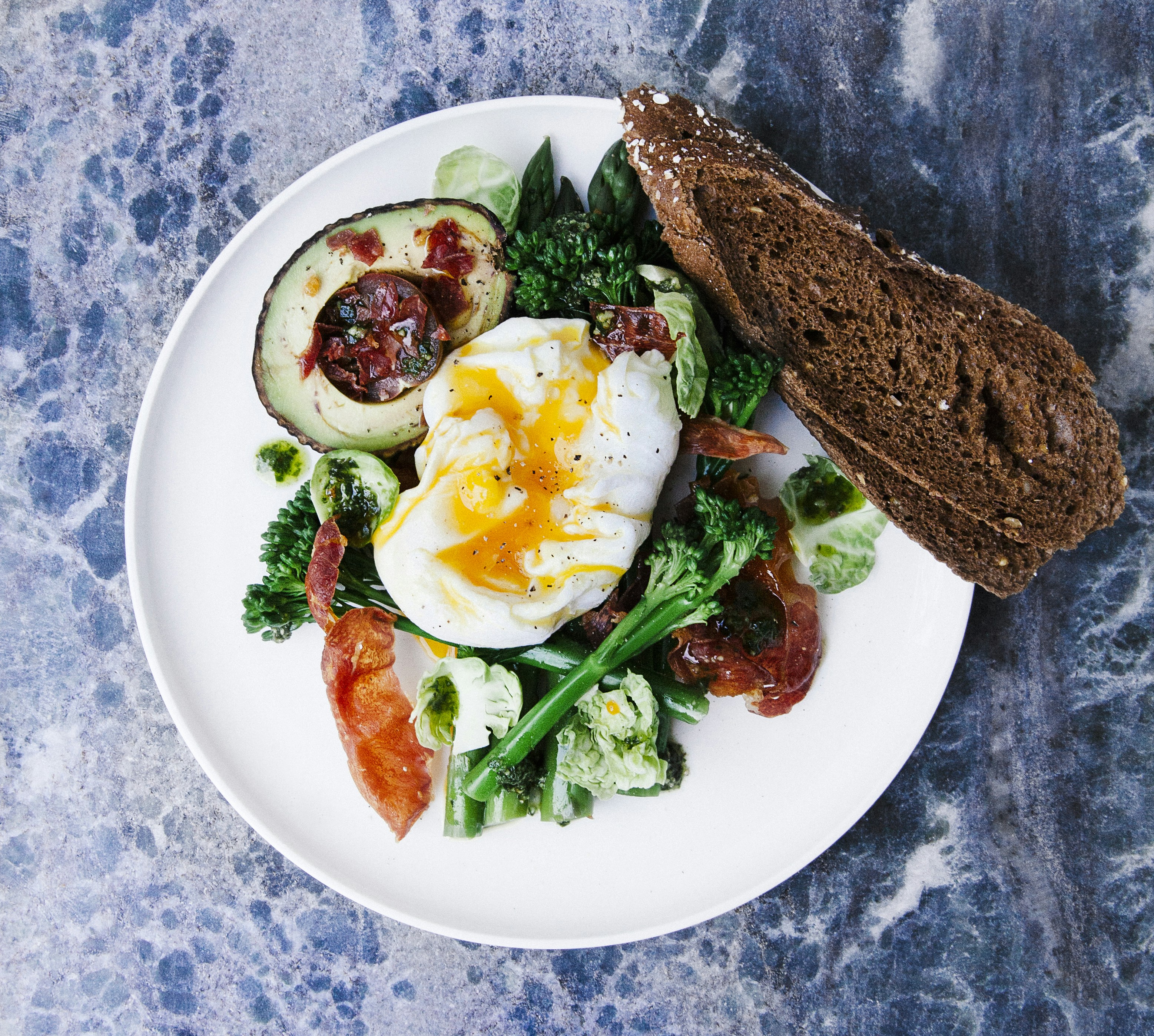
Looking ahead, Wendy’s faces a set of uncertainties that test the resilience of its growth playbook. In 2026, reports indicate aggressive store closures to recalibrate the U.S. footprint, with the aim of healthier traffic and profitability on a leaner base. Analysts will watch how these closures interact with ongoing investments in breakfast, digital platforms, and AI‑assisted operations to determine whether the revenue trajectory can be sustained through a more efficient network. The balancing act between capital allocation, menu innovation, and daypart mix will shape the profitability profile in the near to mid term, and the pace of store rationalization will be a key signal for investors and crews alike.
In a broader sense, the path forward is to translate this momentum into disciplined, thoughtful expansion. The coming quarters will reveal how the brand negotiates the tension between growing the breakfast share, deepening digital adoption (including AI‑enabled ordering), and optimizing store economics through targeted investments. The nourishment of this strategy lies in its balance—growth that sustains margins while remaining mindful of crews, customers, and communities.