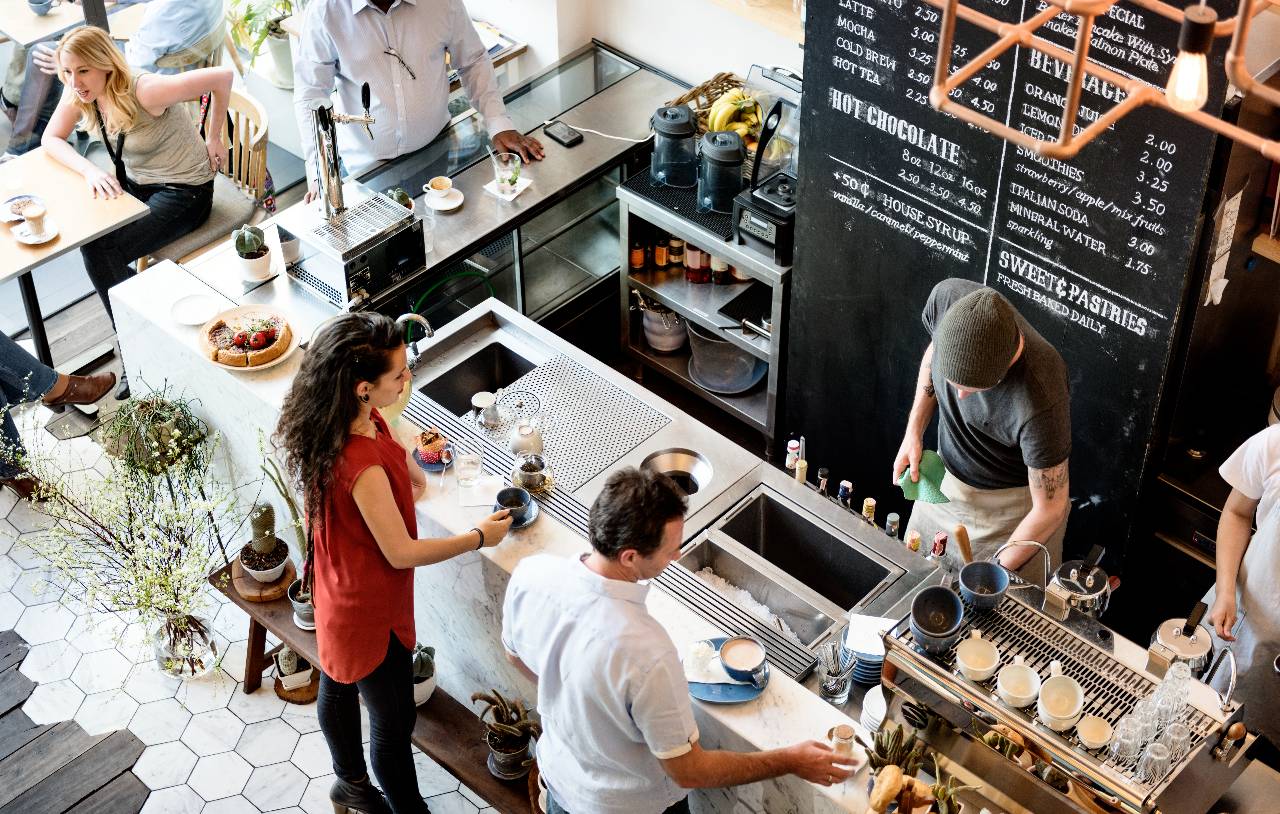
How Much Does It Cost to Open a Coffee Shop in 2026?
Opening a coffee shop in 2026 requires careful cost planning across rent, equipment, labor, technology, menu strategy, marketing, and sustainability.
operations
May 15, 2026
Opening a coffee shop in 2026 requires careful cost planning across rent, equipment, labor, technology, menu strategy, marketing, and sustainability.
May 15, 2026
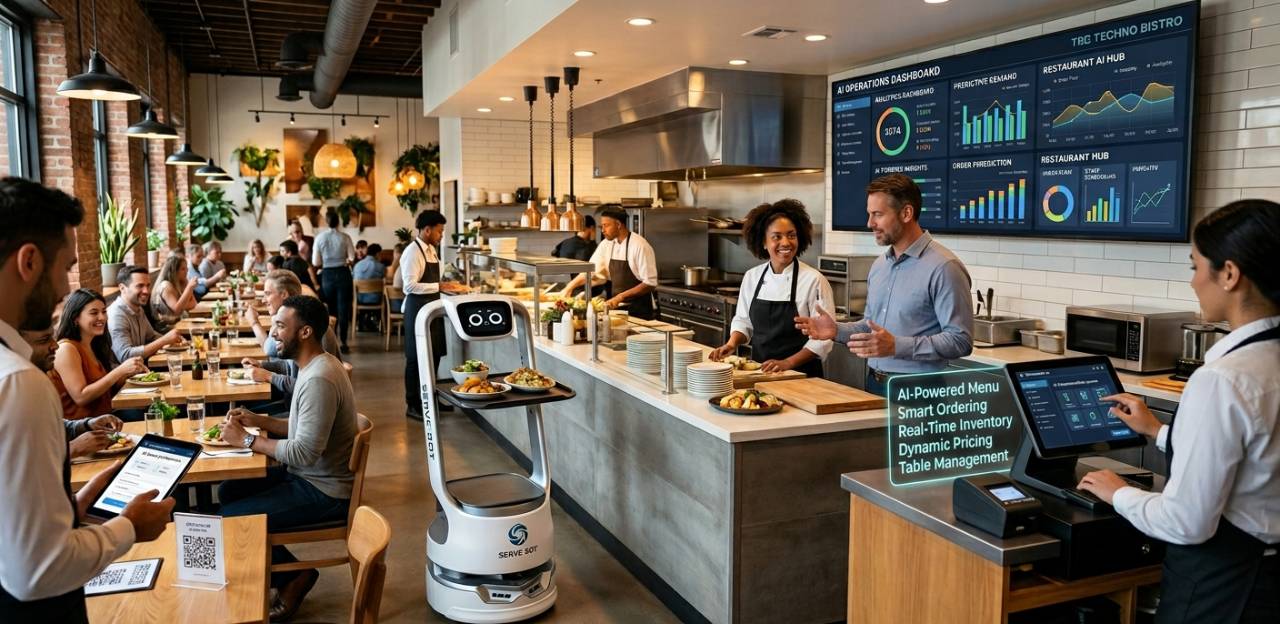
This AI playbook covers restaurant tools for voice ordering, staffing, compliance, menu pricing, inventory, marketing, ChatGPT prompts, and SEO.
May 15, 2026
Hardee’s giant Boddie-Noell inks 31-unit Scooter’s Coffee deal for NC and VA, leveraging drive-thru growth and local roots with rollout over 12–18 months.
May 15, 2026
Wingstop turns match weeks into a multi-sensory festival, aligning bold pop-ups with World Cup energy to build brand affinity and measurable momentum.
May 15, 2026
The parent company behind Dunkin', Buffalo Wild Wings, and Arby's has filed for an IPO a move that could reshape how Wall Street views the restaurant sector.
May 15, 2026
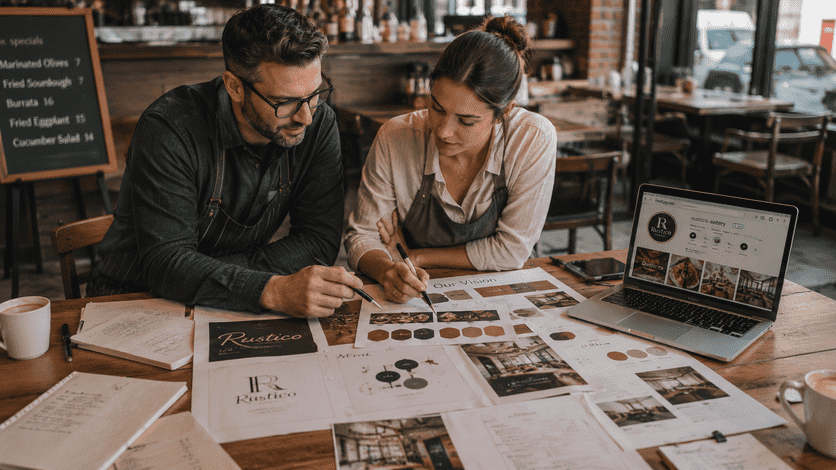
Learn how to develop a memorable restaurant brand identity that stands out in a crowded market, attracts loyal customers, and drives repeat business with actionable strategies and affordable tools.
May 15, 2026
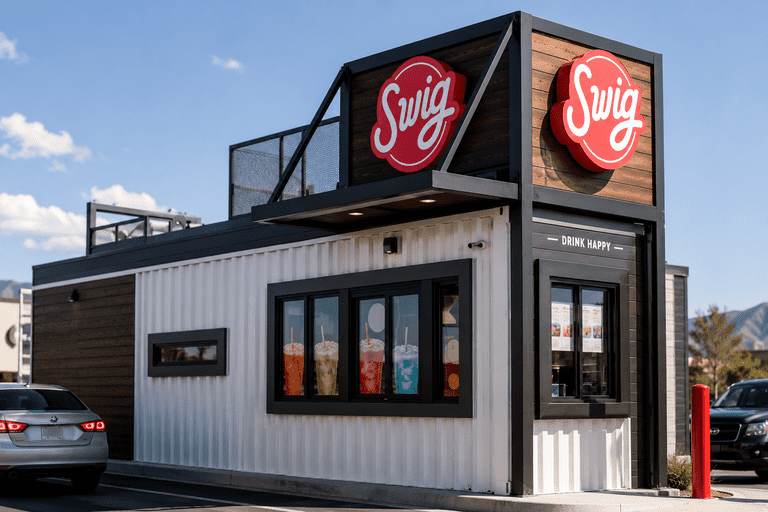
Dirty soda chain Swig is expanding into Colorado through a 10-unit franchise deal, riding a consumer beverage trend that's catching the attention of major QSR players nationwide.
May 15, 2026
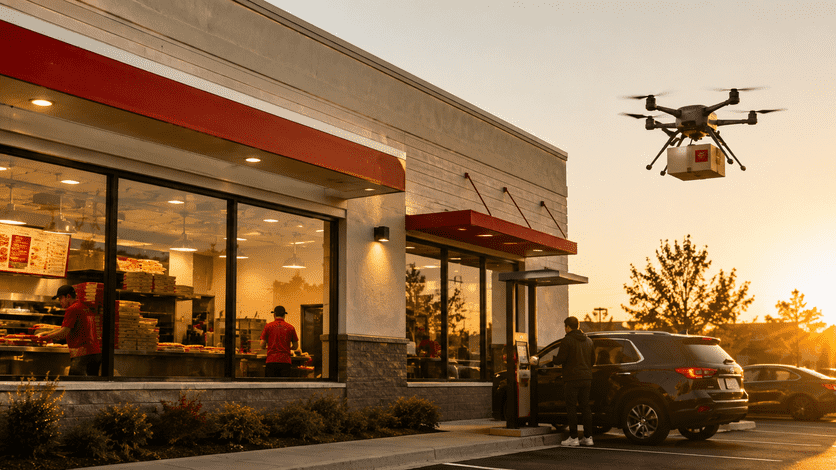
Papa Johns has teamed up with Alphabet's Wing for drone delivery of its new sandwich lineup in parts of Charlotte marking the first partnership of its kind between Wing and a national QSR brand.
May 15, 2026
A warm, expert-led look at McDonald’s Q1 results, menu makeover, and the refranchise question shaping its growth.
May 14, 2026
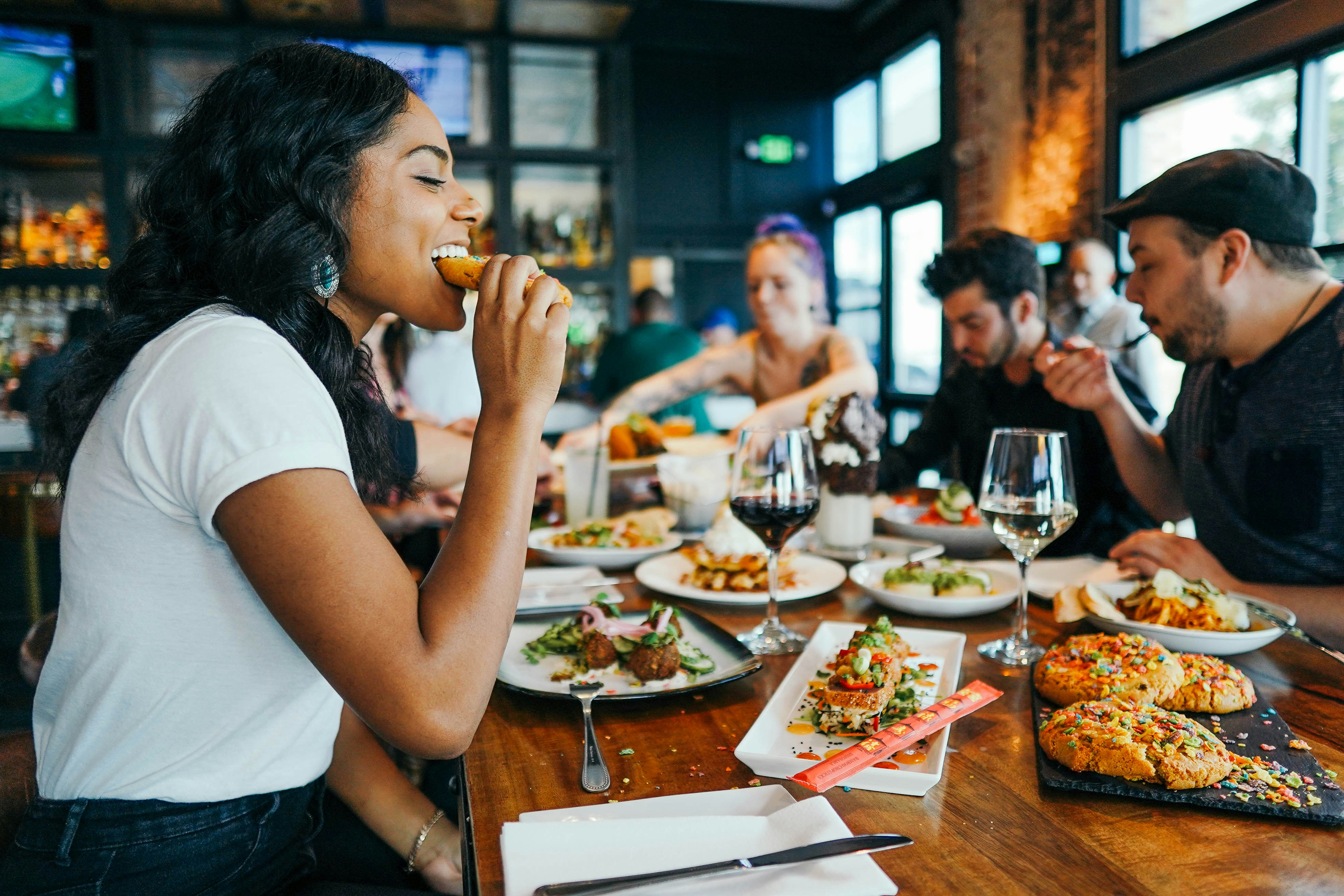
A reflective look at Habit Ranch, its immersive desert activation, and what it signals for brand loyalty and mindful, experiential dining.
May 14, 2026

Unlock Exclusive Access To Webinars, Events, And The Latest News For Free!
Jack in the Box refreshes its Board with Eduardo Luz to sharpen governance, debt reduction, and operating discipline amid sales headwinds.

In a move that reads like a careful, nourishing update to governance, Jack in the Box is reshaping its leadership at the highest level. On April 13, 2026, the company announced the appointment of Eduardo Luz to its Board of Directors as an independent director, while David Goebel and Madeleine Kleiner will retire, effective May 8, 2026. The board will shrink to nine members, a sign that leadership is being sharpened for a challenging turn in a highly competitive quick-service landscape. This is not a cosmetic reboot; it’s a deliberate step to sustain momentum on the transformation.
Eduardo Luz’s independence is designed to bolster oversight as the company undertakes a multifaceted transformation that includes debt reduction and a strategic realignment of operations. The leadership arc has also seen Mark King assume the chair position after a proxy contest, foreshadowing a broader reshaping of how the board guides the turnaround. This section follows a clear line of governance intent: sharpen the instrument that steers execution while staying faithful to the transformation’s momentum.
“I am thrilled to join the Board and advance Jack in the Box’s transformation,” Eduardo Luz said in his first public remarks after the appointment. The move comes as the company faces heightened scrutiny from activist investors and ongoing market headwinds. The board’s refresh, including the retirement of long-tenured directors, is framed as a disciplined effort to align governance with a strategy focused on revitalizing brand performance and strengthening operating discipline. The leadership posture signals a stable path through a challenging cycle.
In months prior, governance updates included investor-driven influences and the arrival of new voices on the board, reflecting market demands for sharper oversight as competition intensifies. The changes resonate with a broader strategy to revitalize growth and improve accountability, setting a tone that governance will actively steer the company through a difficult cycle.
Eduardo Luz joins as an independent director as the Board contracts to nine seats. The transformation plan centers on debt reduction and a strategic realignment of store operations, with governance reforms designed to sharpen oversight. The move follows the recent installation of Mark King as board member and chairman after the proxy contest, signaling a broader reshaping of how the company guides its turnaround.
Luz’s introduction to the board was paired with a direct stance on joining the transformation effort, aligning governance with a disciplined execution path. The leadership reshuffle is positioned as a proactive step to balance debt reduction with operational improvements, an imperative in a market where systemwide sales have faced sustained pressure.
“I am thrilled to join the Board and advance Jack in the Box’s transformation,” Eduardo Luz said after the appointment. This sentiment mirrors the board’s outward signal that the addition of Luz deepens the leadership bench as it navigates a difficult operating environment. Mark King reinforced the strategic purpose of the hire, describing Luz as “an accomplished restaurant industry executive with significant leadership and brand-building experience that will be an important asset as we continue to advance Jack in the Box’s transformation.” The quotes underscore the governance-level emphasis on brand revitalization and disciplined execution as the company pursues a broader turnaround plan.
Behind the scenes, these quotes aren’t just words. They map to a governance posture that prioritizes brand renewal, tighter oversight, and a clear path for execution through the turnover. The leadership signals are intended to reassure investors and franchise partners that the board is committed to disciplined momentum, even as the business navigates a volatile environment.
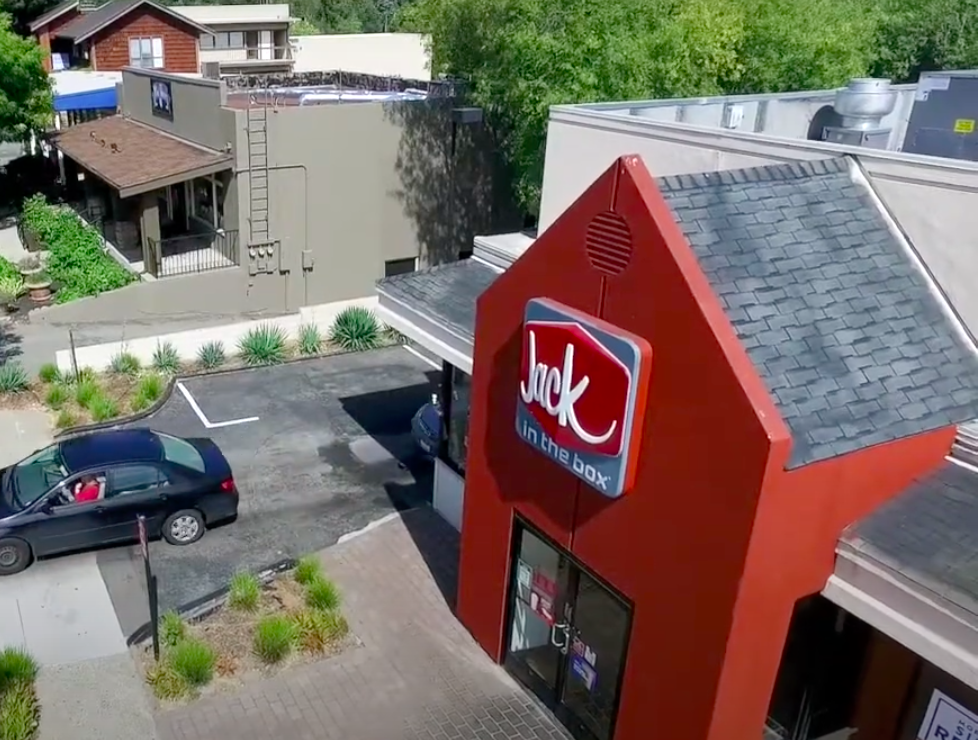
The appointment of Eduardo Luz and the retirement of long-tenured directors, together with Mark King’s continued leadership, signal a definitive aim: align governance with a more aggressive execution of Jack in the Box’s transformation. The moves reflect a disciplined approach to board refreshment designed to attract expertise in brand revitalization, operational overhaul, and debt management at a time of industry headwinds. The true impact will unfold over the coming quarters, but the sequence of moves—amid investor and proxy feedback—illustrates a deliberate strategy to stabilize the business and regain momentum in same-store sales.
What lies ahead includes questions about the pace of improvement and the long-term strategy that will define Jack in the Box’s path forward. Analysts will watch how quickly debt is reduced, how store closures and franchisee dynamics affect profitability, and how governance responds to ongoing activist pressure. The story is less about a single hire and more about a measured, nourishing commitment to a balanced, sustainable turnaround.