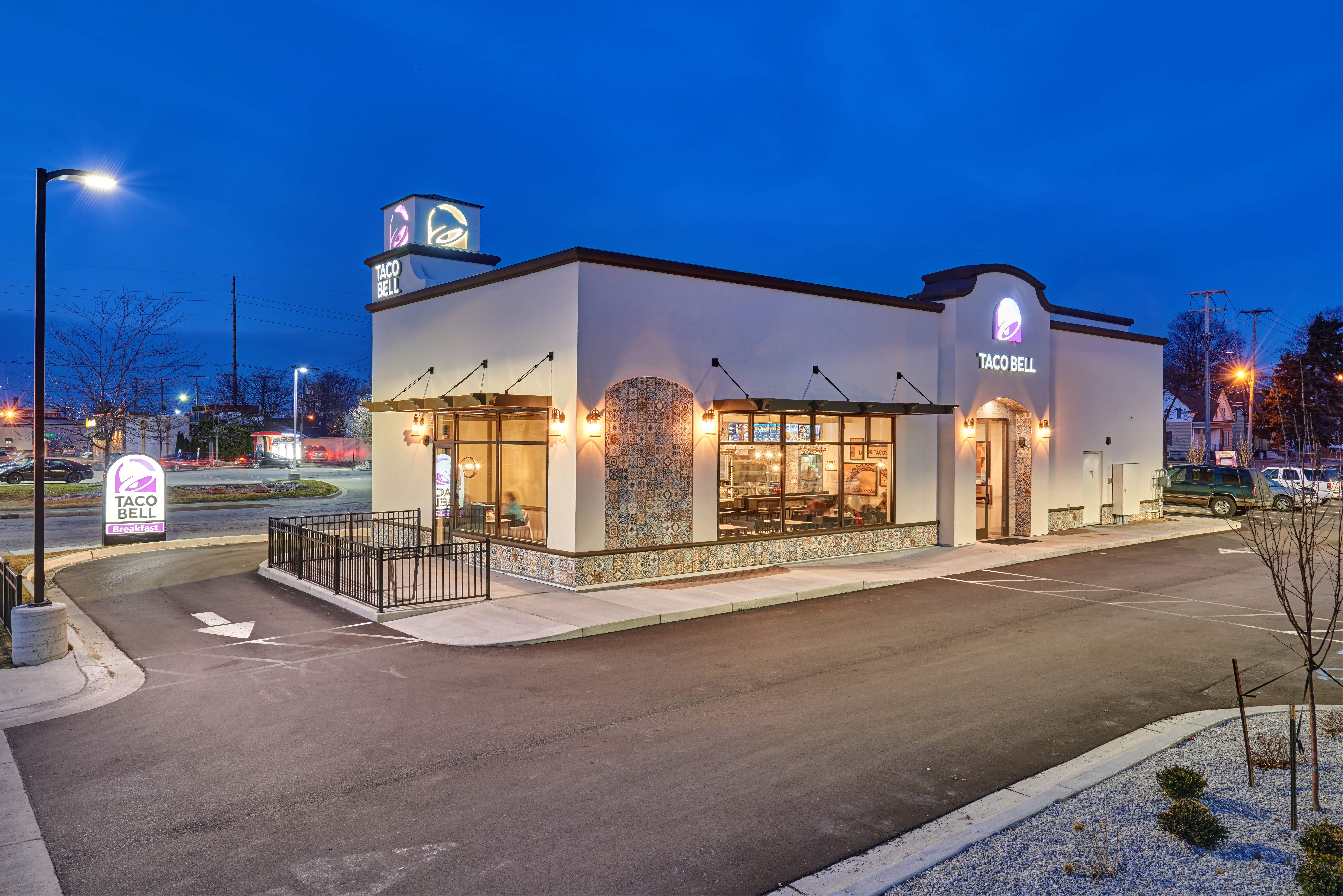
Breakfast Flex Drives Growth
Taco Bell lets franchisees opt out of breakfast, boosting Cantina Chicken and digital momentum to fuel local growth.
Franchising
Apr 26, 2026
Taco Bell lets franchisees opt out of breakfast, boosting Cantina Chicken and digital momentum to fuel local growth.
Apr 26, 2026
Chicago icon Rainbow Cone partners with Buona Beef to extend its five-flavor legacy across the U.S., blending heritage with scalable growth.
Apr 25, 2026
Photo by on Unsplash
Jessica Breslow becomes PJW Restaurant Group's CEO, signaling continuity and growth as the multi-brand operator expands under data-driven leadership.
Apr 25, 2026
McDonald's launches a limited-time Chicken Big Mac, signaling a broader pivot to chicken-forward menus amid fierce quick-service competition and a testing ground for future staples.
Apr 25, 2026
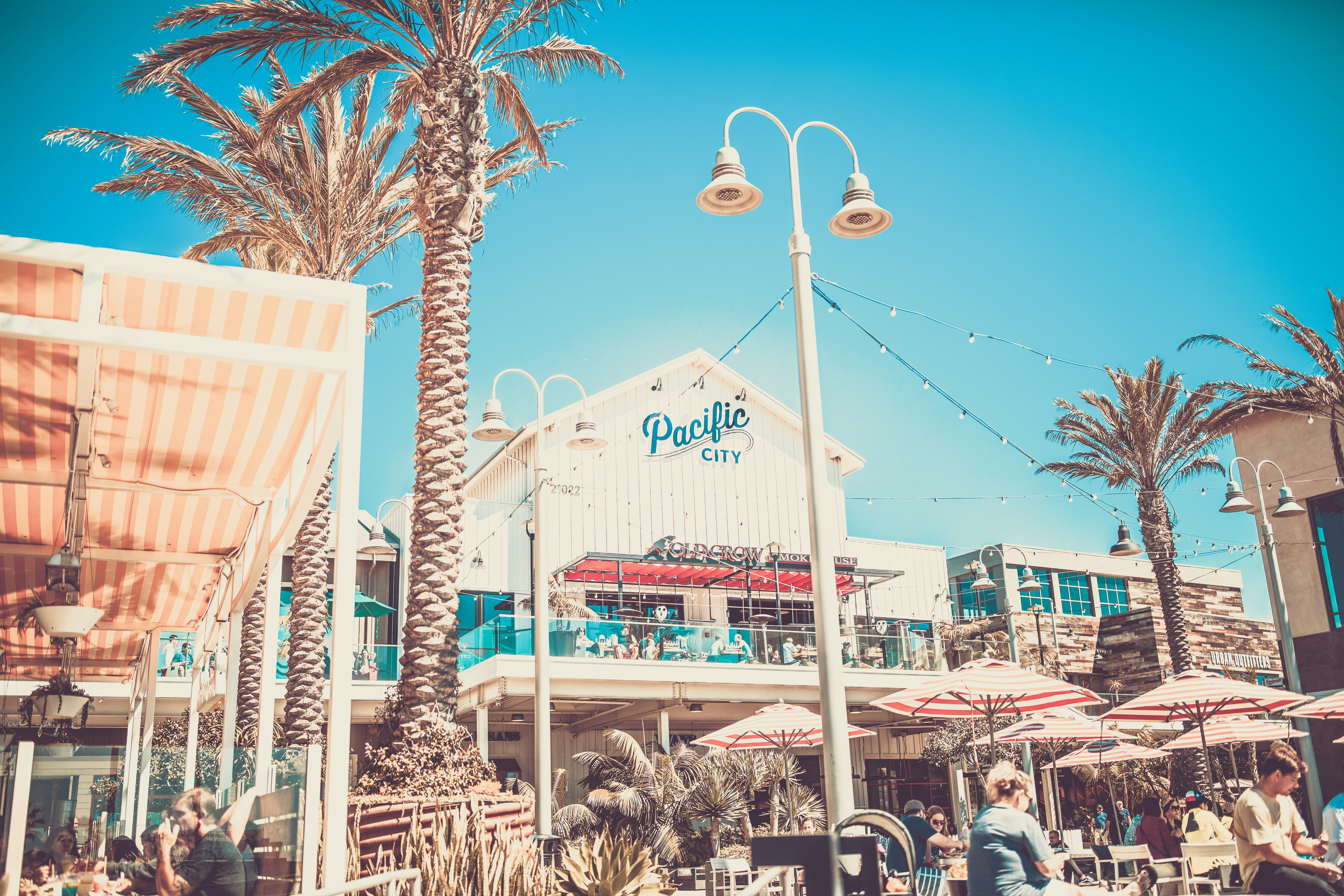
Photo by Ruben Ramirez on Unsplash
A thoughtful look at how a September 2024 rate cut reshaped borrowing, investor sentiment, and growth plans for dining operators, with a patient, fundamentals-first lens.
Apr 25, 2026
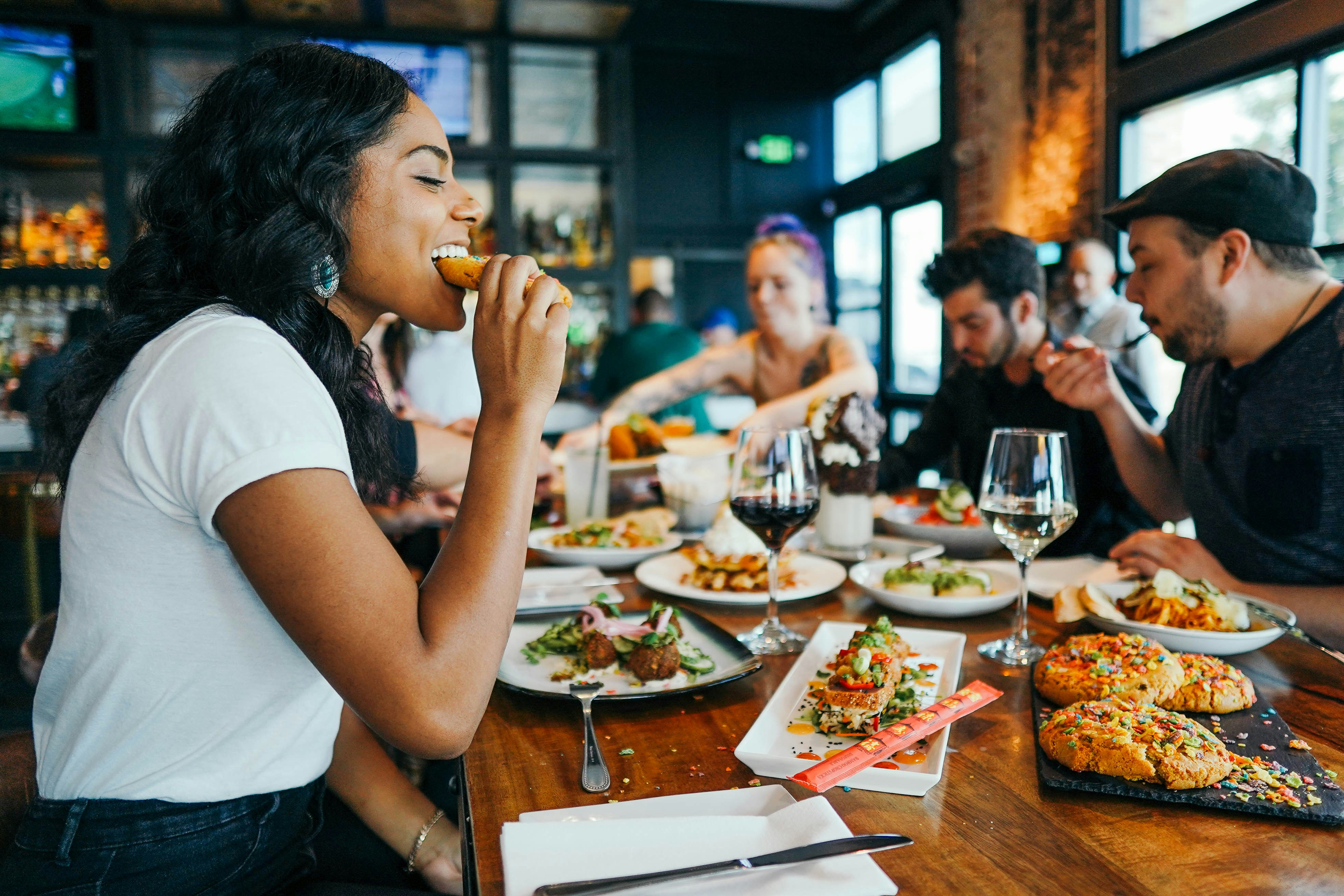
Photo by Alex Haney on Unsplash
Recovery remains uneven as consumer confidence rises amid rising costs, testing profitability across markets.
Apr 25, 2026
Chipotle leans into burrito-season demand with throughput boosts, Chipotlanes and digital orders to turn seasonal peaks into durable growth.
Apr 25, 2026
Photo by on Unsplash
A warm, expert look at how Big Dave’s Cheesesteaks scales from a Georgia shell station to stadiums and cities across the Southeast.
Apr 25, 2026

Smart food business ideas improve profitability by reducing waste, managing labor, controlling rent, and keeping menus simple.
Apr 24, 2026

Discover the leading reasons restaurants fail and how smarter decisions around menu, culture, marketing, and profitability can reduce risk.
Apr 23, 2026
A warm, expert look at how Big Dave’s Cheesesteaks scales from a Georgia shell station to stadiums and cities across the Southeast.
Photo by on Unsplash
Big Dave’s Cheesesteaks began its life tucked inside a Dunwoody shell station in 2014, a scene many diners recall with a soft, nostalgic smile. The origin story—a Philly sensibility learning to breathe in the South—reads like a quiet letter to the table. In those early days, the meal carried more than calories: it carried intention, family, and a sense that hospitality could travel. The years since have turned that first bite into a patient expansion, a cadence that feels less hurried and more like returning to a familiar kitchen after a long day. This is where the journey begins.
Oviedo signals the first, but not the only, pulse of the expansion: a ten-unit Florida plan anchored by the Park development on Mitchell-Hammock Road that hints at a map drawn toward dense regional networks rather than a scatter of flagship openings. Across the Carolinas and Georgia, the footprint grows alongside campuses and stadiums, with walkable cores and easy access for families and students. The strategy feels like a well‑praised recipe—familiar flavors, measured portions, and a gentle insistence on staying connected with the neighborhoods that welcome a casual, comforting meal. It’s a patient, purposeful start to a broader Southeast menu.
In Columbia, Five Points becomes more than a lease: a five-unit plan after a 1,600-square-foot signing that leans into university life and walkable core appeal. In Atlanta, the 300 Marietta Street NW flagship near Centennial Olympic Park stands as both showroom and launchpad, a place guests can gather and watch the brand mature. The model blends nontraditional venues—stadiums and arenas—with steady storefronts, and it makes space for Charlotte’s 2024 out‑of‑state entry to feel like a natural step in a longer conversation. Looking ahead, Tampa in 2026 is framed as the next milestone, another gentle nudge toward regional scale.
What matters most is not a single location but a tapestry of venues that reinforces brand voice: a flagship in a dense urban core, a presence inside an arena that teams reach for, and a steady, scalable pipeline of stores that can be replicated with discipline. The Charlotte opening in 2024 marked the first outside metro Atlanta and underscored the company’s willingness to move quickly—without sacrificing the guest experience. In this season of growth, Tampa’s entry emerges as a proof point: a careful balance of speed and operational soundness, guided by seasoned leadership and trusted partners.
Derek Lewis, the Central Florida franchisee, captures the tempo: “This is a very exciting time for Big Dave’s Cheesesteaks and all stakeholders. Growth potential for Big Dave’s on a local, regional, and national level is sky high.”
Frank Williams and Marc Brown describe opportunity and support: the brand’s network is more than a model—it’s a shared mission. Williams notes, “Our family is very excited to be a part of the Big Dave’s Cheesesteak franchise and to create opportunities for others.” Brown adds, “Big Dave’s franchise support team has been an amazing resource. They are experienced, communicative, and dedicated to helping us succeed.” The tone is resilience and community leadership, echoed by the founder’s own framing of growth as a communal enterprise.
On the Atlanta flagship, Derrick Hayes calls the project more than a restaurant: “Our new flagship restaurant, located at 300 Marietta St. NW, is more than just a place to eat; it's a symbol of resilience and growth. We can't wait to welcome you all to our new home.” These words mirror a governance model that centers partners, scales systems, and keeps the guest at the center as the footprint widens. The message is clear: growth should feel like community, not crowding, and the stadium partnerships and urban stores are designed to reinforce that balance.
Milestones unfold with a steady, tangible rhythm: the Florida ten-unit plan, the five-unit Columbia build, and the Atlanta flagship, plus the stadium footprint at Mercedes‑Benz Stadium and the Charlotte out‑of‑state opening. The Tampa entry, announced in April 2026, positions Black Apron Hospitality Group as the regional operating partner, with Shawna Snyder described as guiding the execution: “Shawna came in with a clear vision for how we grow, and Tampa is proof of that execution.” Hayes adds that speed must remain paired with operational care, a central idea as the Southeast strategy scales.
This period also highlights a blended channel approach: stores that anchor downtown cores, a flexible presence inside venues that amplify visibility, and a disciplined emphasis on guest experience. Stadium collaborations and university-adjacent sites sit alongside a flagship that anchors the regional narrative. As the timeline unfolds, the brand’s leaders emphasize scalable systems and strong partner alignment, turning a moment of momentum into a long‑term, sustainable growth story.
Big Dave’s sits in a broader current of fast casual expansion, with franchising drawing national attention and minority‑owned narratives coming to the fore. The CNBC portrait of founder Derrick Hayes traces a line from a single gas-station outpost to a growing pipeline of stores, a story that resonates with many who crave resilient, purpose‑driven growth. Fortune’s profile adds another layer, presenting a Black‑owned entrepreneur navigating scale with media visibility and investor interest. Across local outlets and national trade press, the stadiums, Charlotte, and Florida partnerships are framed not as flash points but as steady proof of a multi‑market strategy.
Taken together, coverage underscores a disciplined growth story: nontraditional venues paired with traditional storefronts, a Southeast footprint widening with controlled pace, and a governance approach that centers community impact as much as revenue. While expansions continue to evolve, the existing momentum offers a human lens on how a brand rooted in Philadelphia sensibilities can become a regionally woven tapestry of places that feel like home.
Gaps, Uncertainties, and Next Steps show that even disciplined growth faces the unpredictability of permits, construction timelines, and partner onboarding. Greenville, South Carolina’s Woodruff Road project had a reported opening target at year’s end or early 2026, a timing note shaped by market realities. Florida's Oviedo deployment sits within a ten-unit ladder, with individual unit performance and lease terms still capable of shifting. Tampa’s format mix and territorial boundaries will take clearer shape as development continues. In parallel, supply chains tighten and expand through collaborations with Amoro’s Baking Company and Philly’s Best Steak Company, hinting at the practical support behind scale and the ongoing need for transparent timelines.
In the bigger picture, observers will watch how the model sustains guest experience and operational resilience across markets. The story remains dynamic, with leadership signaling a steady pace aligned to values of resilience, culture, and community impact—an approach that invites both local pride and regional curiosity about what Big Dave’s Cheesesteaks will become next.