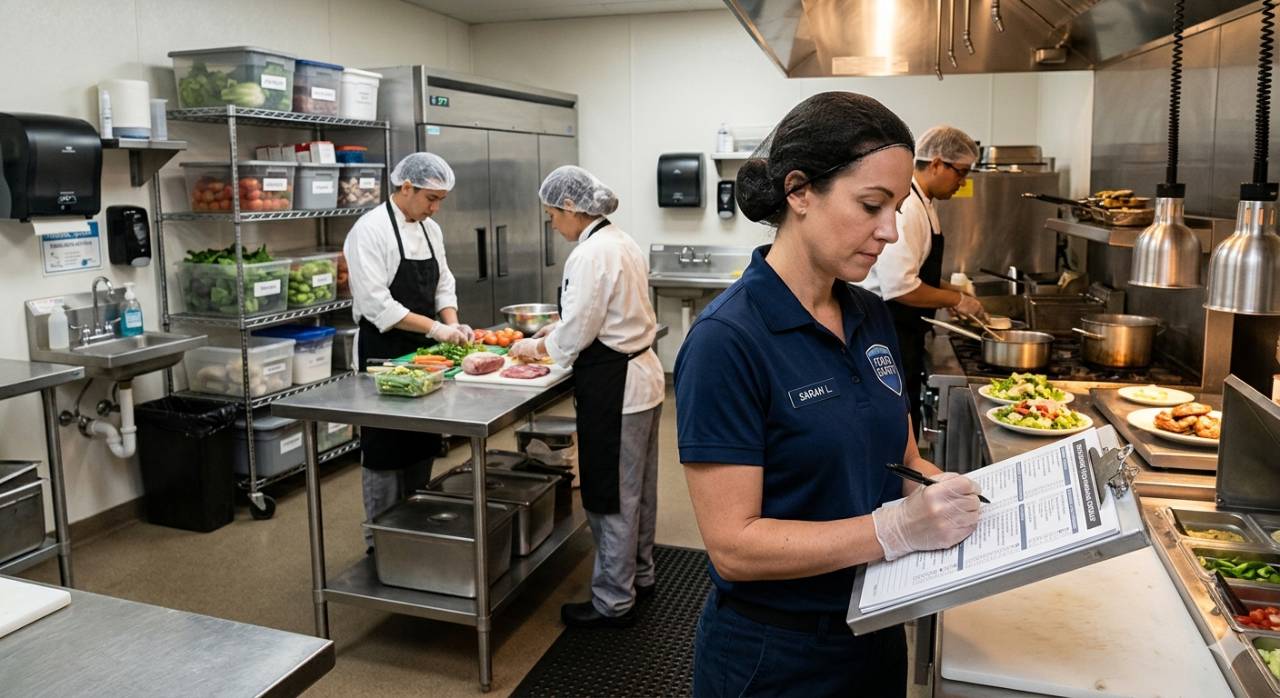
The Complete Food Handling Checklist for Restaurant Owners
Food handling checklists help restaurants manage receiving, storage, prep, cooking, service, cleaning, training, and daily safety checks.
operations
May 8, 2026
Food handling checklists help restaurants manage receiving, storage, prep, cooking, service, cleaning, training, and daily safety checks.
May 8, 2026
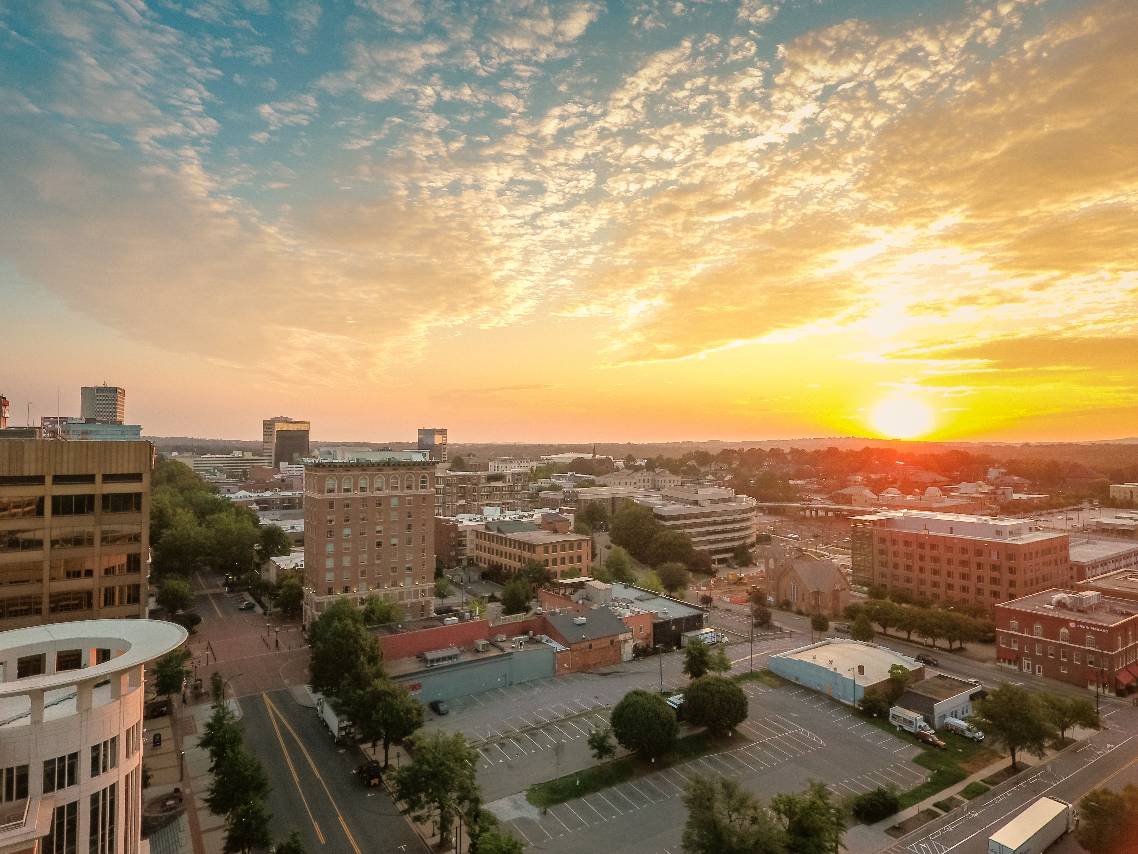
Explore the best areas in Virginia to open a restaurant by comparing demand, costs, tourism, labor, competition, and concept fit.
May 8, 2026

Learn how ignoring employee availability and scheduling preferences leads to disengagement, higher turnover, and lower productivity. Discover why people-focused scheduling improves retention, morale, and overall team performance.
May 8, 2026
A strong restaurant brand comes from clear values, consistent experiences, visual identity, customer focus, digital presence, and trusted service.
May 5, 2026

Optimize your restaurant google business profile with accurate details, posts, Q&A, attributes, reviews, and tracking to increase visibility and orders.
May 6, 2026

Discover how constant last-minute schedule changes create workplace stress, lower employee morale, and reduce productivity. Learn why structured scheduling improves retention, communication, and overall business efficiency.
May 7, 2026
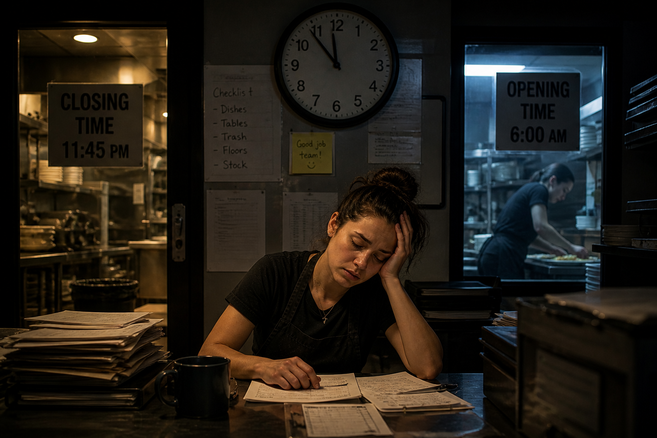
Clopen shifts may seem efficient, but they reduce rest, increase fatigue, and harm employee performance. Learn how back-to-back shifts impact morale, productivity, and retention and how better scheduling can improve team well-being and business outcomes.
May 6, 2026
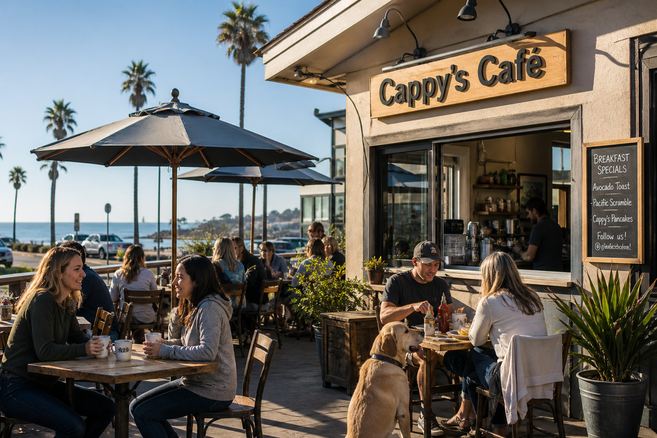
Discover operational insights, business strategies, and customer experiences drawn from Cappys Cafe in Newport Beach. Learn how this iconic breakfast and lunch spot thrives through community connection, technology, and unique hospitality.
May 5, 2026
Overloading top employees may boost short-term results but leads to burnout and turnover. Learn warning signs, business impact, and how to balance workloads effectively.
May 5, 2026

Struggling with employee retention? Learn how unpredictable scheduling drives turnover and what you can do to create a more stable workforce.
May 4, 2026
Explore the best areas in Virginia to open a restaurant by comparing demand, costs, tourism, labor, competition, and concept fit.
The right location depends on your concept, price point, service model, target customer, labor needs, and ability to manage costs. A fast-casual restaurant may perform better near commuters, offices, schools, or growing suburbs, while a fine dining concept may need higher household income, strong evening traffic, and a customer base willing to spend more per visit.
Virginia offers several strong restaurant opportunities because it has a mix of dense urban markets, affluent suburbs, tourism destinations, college towns, military communities, and smaller regional cities. The state's population reached about 8.88 million in 2025, giving restaurant owners a large and diverse customer base to study. Tourism is also a major demand driver. Virginia generated a record $35.1 billion in visitor spending in 2024, and visitors spent 28% of their budget on food and beverage, making restaurants a direct part of the state's travel economy.
Before comparing areas such as Northern Virginia, Richmond, Virginia Beach, Norfolk, Charlottesville, Williamsburg, and Roanoke, owners should look at several practical factors -
1. Customer demand - Study who lives, works, studies, and travels through the area. A strong restaurant market should have enough daily traffic to support repeat visits, not just occasional demand.
2. Income and spending habits - Higher-income areas may support premium pricing, but they often come with higher rent, labor, and competition. Lower-cost markets may offer better margins if the concept fits local demand.
3. Tourism and seasonality - Tourist-heavy areas can produce strong sales during peak periods, but owners must plan for slower months, staffing swings, and changing customer volume.
4. Labor availability - A great location still needs reliable employees. Restaurant owners should consider local labor supply, wage expectations, commute patterns, and competition for staff.
5. Rent and operating costs - High sales potential does not always mean high profit. Rent, utilities, insurance, labor, delivery costs, and food costs must be compared against realistic sales expectations.
6. Concept fit - The best location is not always the busiest one. It is the one where the customer base, price point, menu, service style, and operating model align.
For restaurant owners, evaluating Virginia markets should be a data-driven process, not a guessing game. The goal is to choose an area where demand is strong, costs are manageable, and the concept has room to build repeat customers over time.
Northern Virginia is one of the strongest restaurant markets in the state, but it is also one of the most competitive. Areas such as Arlington, Alexandria, Fairfax, Tysons, Reston, Ashburn, Leesburg, and parts of Loudoun County attract a mix of professionals, commuters, families, government workers, business travelers, and high-income households. For restaurant owners, this creates strong demand potential, especially for concepts that can serve busy customers quickly while still offering quality and consistency.
One of the biggest advantages of Northern Virginia is spending power. Loudoun County's median household income was $181,765 in 2020-2024, according to U.S. Census QuickFacts, while a Fairfax County economic profile lists the county's median household income at $145,164. These income levels can support premium pricing, upscale casual dining, specialty coffee, catering, brunch, fast casual, health-focused menus, and family dining concepts.
However, high demand does not automatically mean high profit. Northern Virginia can also come with higher rent, stronger competition, higher wage expectations, and customers who expect convenience. A restaurant in this market must be disciplined with menu pricing, labor scheduling, inventory control, and service speed. If costs are not managed carefully, strong sales can still produce weak margins.
Restaurant owners should also think carefully about the type of traffic each location provides. A site near office buildings may perform well during weekday lunch but slow down at night. A suburban shopping center may depend more on families, dinner traffic, and weekend demand. A location near Metro stations, mixed-use developments, or dense apartment communities may support takeout, delivery, coffee, lunch, and evening sales.
Northern Virginia is especially strong for owners who already understand their target customer and have a clear operating model. It is not the easiest market for experimentation because overhead can be high. Before signing a lease, owners should study nearby competitors, parking access, delivery radius, foot traffic, household income, office density, and whether the area supports repeat customers.
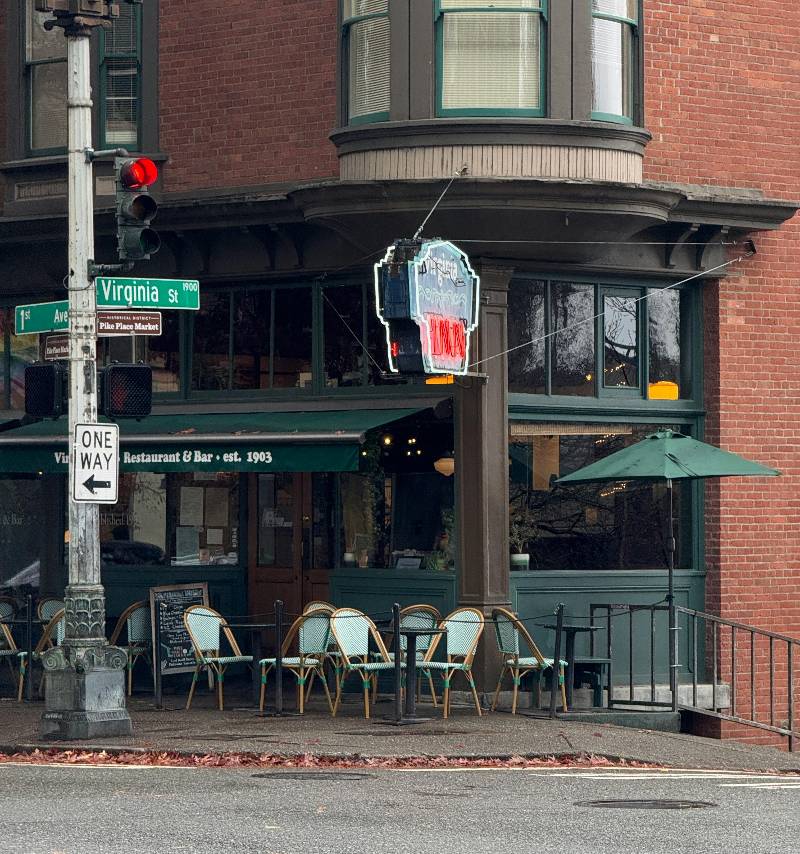
Richmond is one of the most balanced restaurant markets in Virginia because it offers a mix of city traffic, neighborhood demand, university activity, office workers, visitors, and growing suburbs. For restaurant owners, this makes Richmond attractive because it can support many different concepts, from independent restaurants and coffee shops to fast casual, brunch, bars, bakeries, and chef-driven dining.
The city itself had an estimated population of 233,655 in 2024, up 3.1% from its 2020 estimate base, according to U.S. Census QuickFacts. Richmond also has a strong educated customer base, with 45.6% of adults age 25 and older holding a bachelor's degree or higher from 2020 to 2024. That matters for restaurant owners because education, income, lifestyle habits, and neighborhood density can influence demand for dining out, delivery, specialty food, craft beverages, and premium experiences.
Richmond is especially appealing for owners who want a strong local identity. Neighborhoods such as The Fan, Carytown, Scott's Addition, Church Hill, Manchester, Shockoe Bottom, and downtown Richmond each attract different customer patterns. Some areas are better for nightlife and bars. Others are stronger for brunch, coffee, casual dining, or neighborhood restaurants. Suburban areas such as Short Pump, Henrico, Midlothian, and Chesterfield may offer more family traffic, parking, and shopping-center visibility.
Owners should not assume that Richmond is easy simply because costs may be lower than Northern Virginia. Competition is still strong, and customers often value originality, consistency, atmosphere, and quality. A concept that feels generic may struggle in neighborhoods where diners are used to independent food businesses and local brands.
Restaurant owners should also evaluate demand by day-part. A downtown location may have stronger weekday lunch traffic, while a neighborhood location may depend more on dinner, weekends, and repeat local guests. A suburban site may perform better with families, takeout, and convenience-based ordering.
Virginia Beach is one of the strongest restaurant markets in Virginia for owners who want access to tourism, beach traffic, family dining demand, and high-volume seasonal sales. The city attracts visitors for the oceanfront, boardwalk, hotels, events, conventions, water activities, and nearby residential communities. For restaurant owners, this creates opportunities for seafood, casual dining, breakfast, brunch, dessert shops, quick-service restaurants, bars, coffee shops, and family-friendly concepts.
Tourism is the biggest demand driver. In 2024, visitors spent $2.6 billion in Virginia Beach, and food and beverage purchases accounted for nearly $1.1 billion, or 42.6% of visitor spending. The city also welcomed 14.3 million visitors in 2024, giving restaurant owners a large customer base beyond local residents.
However, restaurant owners should be careful not to judge Virginia Beach only by peak summer traffic. A location near the oceanfront may generate strong sales during tourist season, but it may also face slower periods, higher rent, more staffing pressure, and heavy competition. A restaurant in a residential or mixed-use area may have steadier year-round demand, even if it does not see the same summer volume.
Owners should evaluate Virginia Beach in three ways -
1. Seasonal demand - Tourist-heavy areas can produce strong revenue during summer, holidays, and event periods. Owners need staffing plans, prep systems, inventory controls, and cash flow planning for both busy and slower months.
2. Local customer base - Restaurants that depend only on visitors may struggle when travel slows. Concepts that also serve residents, workers, military families, and repeat local guests can create more stable sales.
3. Speed and consistency - High-volume markets require strong operations. Guests expect quick service, accurate orders, clean dining areas, and consistent food quality, especially during rush periods.
Virginia Beach can be a strong fit for restaurants built around volume, convenience, and experience. But owners must understand the difference between a tourist-driven location and a year-round neighborhood location before signing a lease.
Norfolk is a strong restaurant market for owners who want a mix of urban traffic, military demand, waterfront activity, students, office workers, and visitors. Unlike Virginia Beach, which is more heavily shaped by beach tourism, Norfolk has a broader year-round demand base. Its restaurant opportunities come from downtown activity, nearby neighborhoods, military presence, university traffic, hospitals, entertainment venues, and waterfront attractions.
One of Norfolk's biggest demand drivers is the military. Naval Station Norfolk is described by the U.S. Navy as the largest naval complex in the world and the home of the Navy's largest concentration of naval forces. This creates steady demand from service members, civilian employees, contractors, military families, and visitors connected to the base.
Norfolk also benefits from student and campus-related traffic. Old Dominion University is located in Norfolk and reports approximately 23,500 students, with its main campus near the city's waterfront. For restaurant owners, this can support coffee shops, fast casual, late-night food, affordable meals, delivery, takeout, and casual dining concepts that appeal to students, faculty, staff, and nearby residents.
Downtown Norfolk is another important area to evaluate. VisitNorfolk describes downtown as a walkable waterfront district with shopping, entertainment, restaurants, and activity. The Half Moone Cruise Terminal is also located downtown at Waterside Drive, within walking distance of downtown hotels, which can create added demand from cruise passengers, visitors, and event traffic.
For restaurant owners, Norfolk may work well for -
1. Casual dining and bars - Downtown, Ghent, Waterside, and entertainment districts can support concepts built around dinner, drinks, events, and nightlife.
2. Fast casual and lunch concepts - Office workers, students, military personnel, and hospital employees can create demand for quick, reliable meals.
3. Coffee, breakfast, and takeout - Norfolk's mix of students, commuters, and neighborhood residents can support morning and convenience-based concepts.
4. Waterfront and visitor-focused dining - Restaurants near the waterfront, Nauticus, Waterside, and cruise activity should plan for visitor traffic, events, and seasonal swings.
The biggest challenge in Norfolk is that demand can vary by neighborhood and time of day. A downtown restaurant may rely on lunch, events, and evening traffic, while a Ghent or Ocean View location may depend more on neighborhood loyalty. Owners should study parking, safety perception, foot traffic, nearby employers, military access patterns, and whether the concept can attract both locals and visitors.
Charlottesville is a smaller restaurant market than Northern Virginia, Richmond, or Virginia Beach, but it can be a strong choice for owners with the right concept. The area benefits from several demand drivers at once- the University of Virginia, local residents, tourism, wineries, events, and weekend visitors. This gives restaurant owners access to both everyday customers and destination-based traffic.
The University of Virginia is one of the biggest anchors in the market. UVA reported 26,685 total students on Grounds for fall 2025, including 17,848 undergraduates and 8,837 graduate students. This creates steady demand for coffee, casual dining, affordable meals, takeout, delivery, late-night food, brunch, and student-friendly concepts. It can also support higher-quality dining near faculty, alumni, families, and university events.
Tourism is another major factor. Direct visitor spending for Charlottesville and Albemarle County reached $989.8 million in 2024, up nearly 3.5% from 2023. Albemarle County accounted for $587.2 million, while Charlottesville accounted for $402.6 million. For restaurant owners, this shows that the market is supported not only by locals, but also by travelers visiting wineries, historic attractions, events, the university, and the surrounding countryside.
Charlottesville is especially strong for concepts built around quality, atmosphere, and clear positioning. Farm-to-table restaurants, wine-focused menus, bakeries, cafes, brunch restaurants, premium casual dining, and chef-driven concepts may fit well because many customers value local sourcing, experience, and uniqueness. The city also has a highly educated population, with 62.5% of adults age 25 and older holding a bachelor's degree or higher from 2020 to 2024.
However, owners should be realistic about market size. Charlottesville's estimated population was 44,767 in 2024, so a restaurant cannot rely only on broad population volume. The concept must match the right customer group, location, and price point. A restaurant near UVA may depend on student cycles, school calendars, and event weekends. A downtown location may need strong dinner and weekend demand. A winery-adjacent or tourism-focused concept may see more seasonal and visitor-driven traffic.
For restaurant owners, Charlottesville works best when the brand has a clear identity. Customers may respond well to local ingredients, thoughtful design, strong beverage programs, and menus that feel connected to the area. At the same time, owners must manage costs carefully because smaller markets leave less room for weak forecasting, overstaffing, or inconsistent sales.
Williamsburg is a strong restaurant market for owners who want access to tourism, family dining demand, historic-district traffic, student activity, and regional visitors. The area is shaped by major demand drivers such as Colonial Williamsburg, Busch Gardens, hotels, William & Mary, nearby residential communities, and travelers moving through the Historic Triangle. For restaurant owners, this creates opportunities for breakfast, casual dining, dessert shops, coffee, family restaurants, group-friendly concepts, and quick-service restaurants.
Tourism is one of Williamsburg's biggest advantages. In 2024, the Greater Williamsburg area generated about $1.353 billion in direct visitor spending, according to local economic development data. That matters because restaurants often benefit directly from travel spending, especially when visitors are looking for convenient meals, family-friendly menus, recognizable dining options, and memorable local experiences.
Williamsburg also has a built-in college customer base. William & Mary reported 6,867 full-time undergraduate students and 84 part-time undergraduate students for fall 2025. This can support restaurants near campus, coffee shops, affordable casual meals, late-night food, delivery, takeout, and student-friendly promotions.
For restaurant owners, Williamsburg should be evaluated in three practical ways -
1. Visitor and family demand - Many customers are tourists, families, school groups, and weekend travelers. Restaurants that are easy to understand, efficient to operate, and comfortable for groups may have an advantage.
2. Seasonal traffic patterns - Demand may rise during summer, holidays, spring break, school vacations, and major event periods. Owners need strong staffing plans, inventory controls, and prep systems to avoid waste during slow periods and service problems during peak demand.
3. Local repeat business - A restaurant cannot depend only on tourists. Year-round residents, students, hotel workers, university staff, and nearby families can help create steadier sales outside peak travel windows.
The best restaurant concepts for Williamsburg are usually those that balance convenience with experience. A breakfast restaurant may benefit from hotel and family traffic. A dessert or coffee shop may attract tourists walking through busy areas. A casual dining concept may work well if it can serve families quickly without sacrificing quality. A more premium concept may need a strong location, clear brand identity, and enough demand from both visitors and locals.
Owners should pay close attention to parking, visibility, hotel proximity, group dining capacity, labor availability, and whether the location depends too heavily on one attraction or season. Williamsburg can be profitable, but only when the concept is built around the area's real traffic patterns.
Roanoke can be a practical restaurant market for owners who want a more manageable entry point than Northern Virginia, Richmond, or Virginia Beach. It does not offer the same population size or high-density traffic as larger Virginia markets, but it has several advantages- a strong regional identity, outdoor tourism, downtown activity, local loyalty, healthcare employment, nearby colleges, and a lower-cost operating environment compared with many major metro areas.
Roanoke city had an estimated population of 97,912 in 2024, according to U.S. Census QuickFacts. That makes it a smaller market, so owners should not depend only on volume. Instead, they should focus on repeat customers, neighborhood demand, strong service, and a concept that fits the local community.
Tourism is also an important part of the opportunity. Virginia's Blue Ridge reported $923.1 million in direct visitor spending in 2024, a record high and a 4.6% increase from 2023. The region includes the cities of Roanoke and Salem, plus Botetourt, Franklin, and Roanoke counties. For restaurant owners, this creates demand from travelers, outdoor recreation visitors, weekend guests, cyclists, hikers, and people exploring the Blue Ridge Parkway and nearby attractions.
Roanoke can be a strong fit for several restaurant types -
1. Casual dining and neighborhood restaurants - Local residents are important to long-term success. Concepts that feel welcoming, consistent, and community-focused may perform better than restaurants built only around novelty.
2. Breakfast, coffee, and bakery concepts - Morning traffic, downtown workers, students, visitors, and neighborhood residents can support breakfast and coffee businesses when the location has visibility and convenience.
3. Breweries, bars, and social dining - Roanoke's downtown and outdoor tourism culture can support restaurants that connect food, drinks, events, and social gathering.
4. Outdoor-tourism-friendly concepts - Restaurants near trail access, downtown hotels, major roads, or visitor areas may benefit from travelers looking for casual meals, grab-and-go options, and relaxed dining after outdoor activities.
Owners should study downtown Roanoke, Grandin Village, Salem, high-visibility corridors, and growing suburban pockets. Each area has a different demand pattern. Downtown may offer event, office, and visitor traffic. Neighborhood areas may rely more on repeat local guests. Roadside or suburban locations may work better for quick-service, family dining, and convenience-based concepts.
The main advantage of Roanoke is that owners may be able to build a restaurant with lower overhead and stronger community connection. The challenge is that the market is smaller, so weak positioning, inconsistent service, or poor cost control can be harder to absorb.