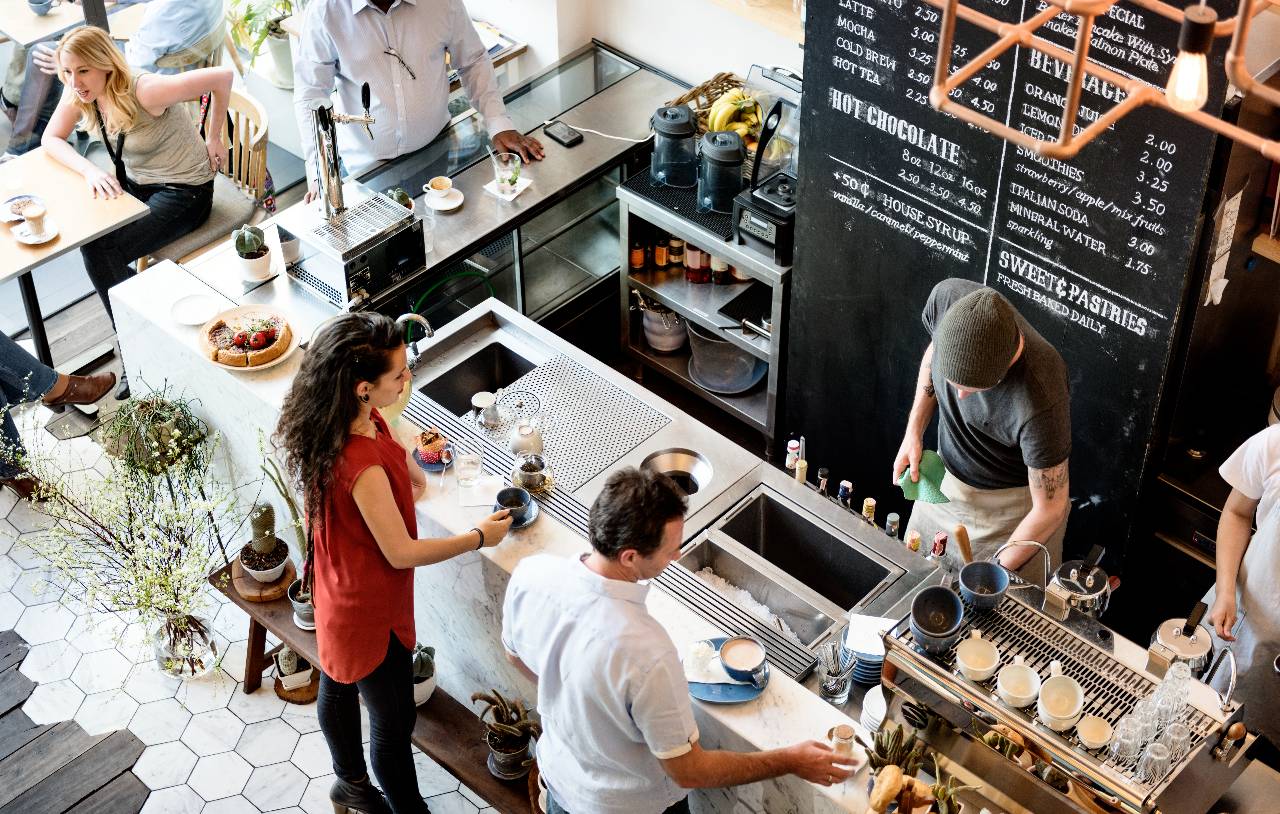
How Much Does It Cost to Open a Coffee Shop in 2026?
Opening a coffee shop in 2026 requires careful cost planning across rent, equipment, labor, technology, menu strategy, marketing, and sustainability.
operations
May 15, 2026
Opening a coffee shop in 2026 requires careful cost planning across rent, equipment, labor, technology, menu strategy, marketing, and sustainability.
May 15, 2026
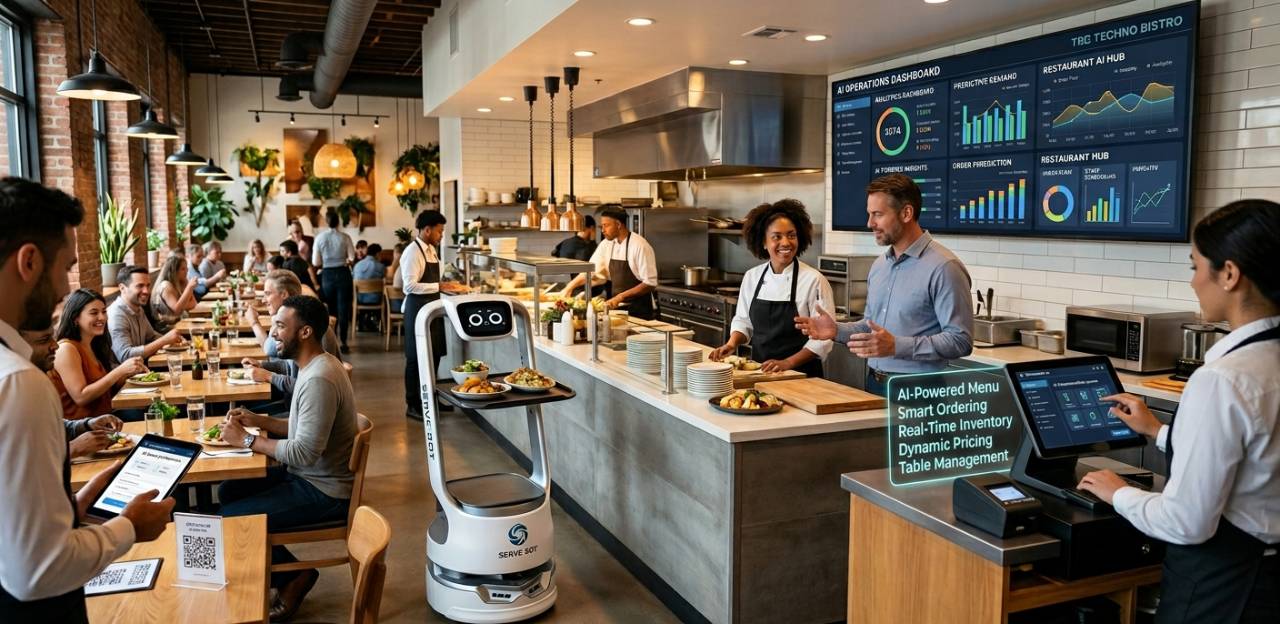
This AI playbook covers restaurant tools for voice ordering, staffing, compliance, menu pricing, inventory, marketing, ChatGPT prompts, and SEO.
May 15, 2026
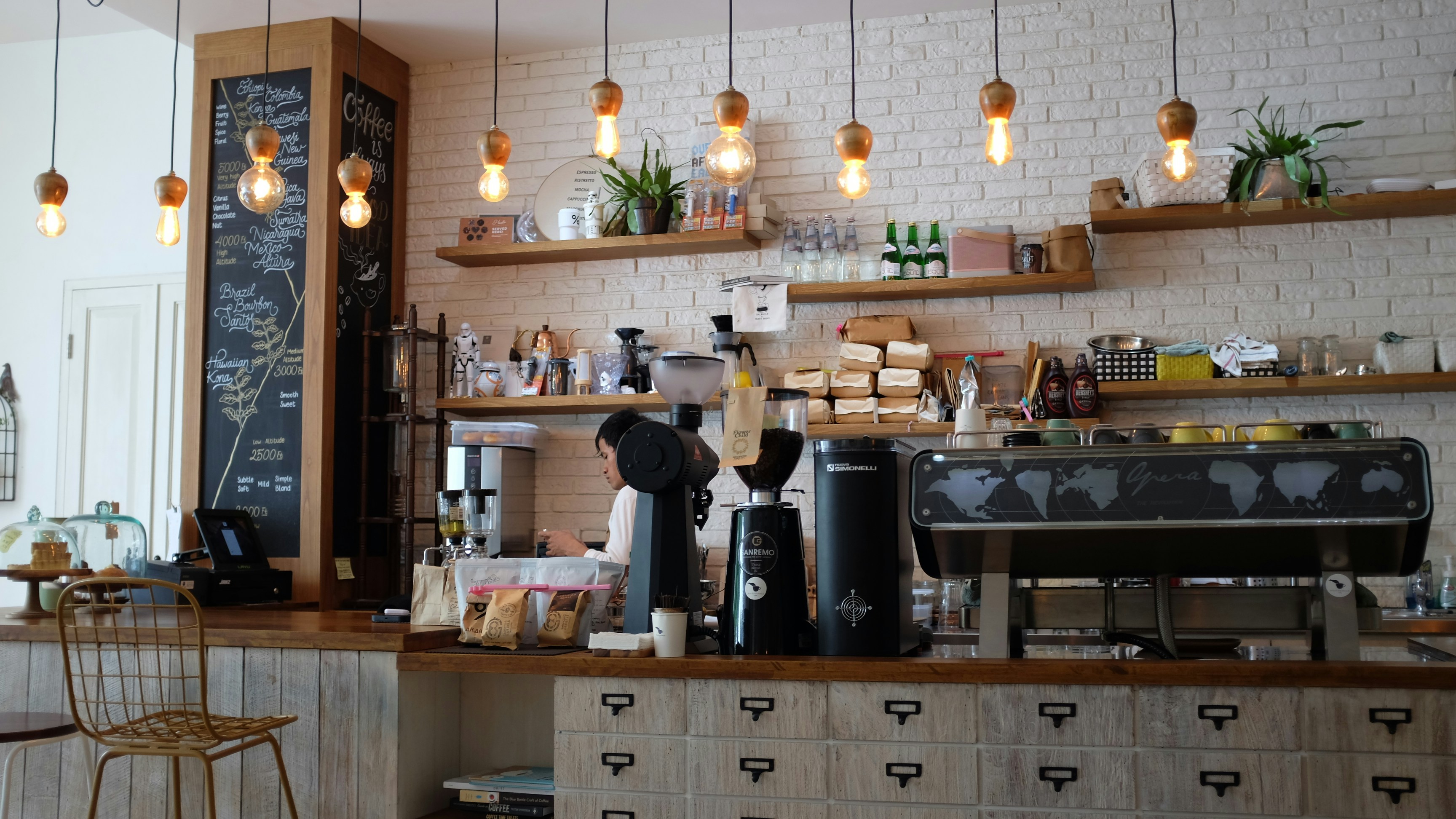
Hardee’s giant Boddie-Noell inks 31-unit Scooter’s Coffee deal for NC and VA, leveraging drive-thru growth and local roots with rollout over 12–18 months.
May 15, 2026
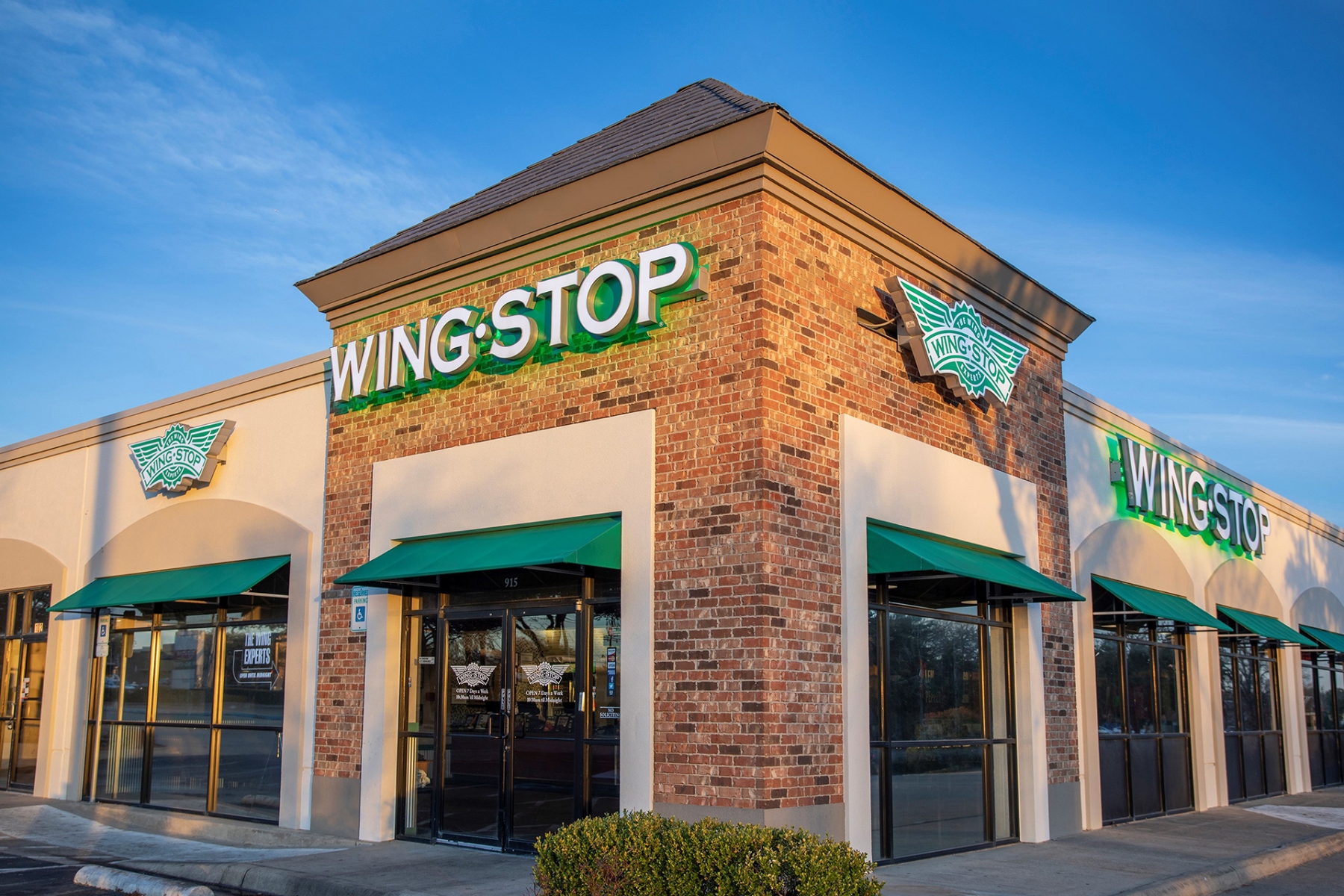
Wingstop turns match weeks into a multi-sensory festival, aligning bold pop-ups with World Cup energy to build brand affinity and measurable momentum.
May 15, 2026
The parent company behind Dunkin', Buffalo Wild Wings, and Arby's has filed for an IPO a move that could reshape how Wall Street views the restaurant sector.
May 15, 2026
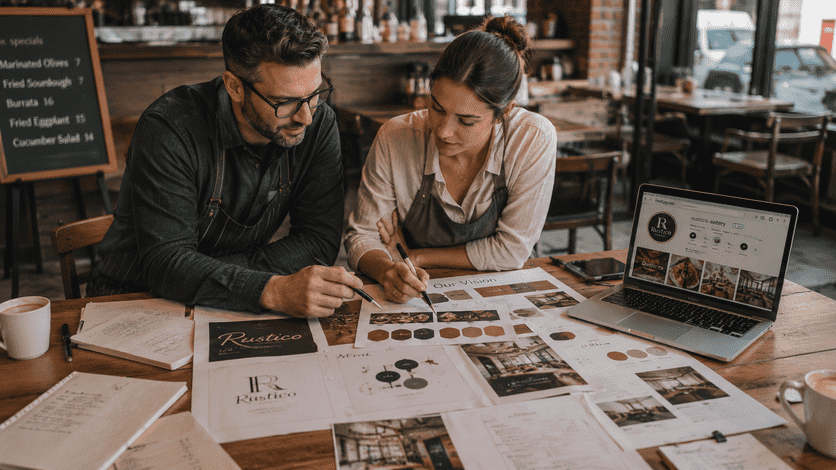
Learn how to develop a memorable restaurant brand identity that stands out in a crowded market, attracts loyal customers, and drives repeat business with actionable strategies and affordable tools.
May 15, 2026
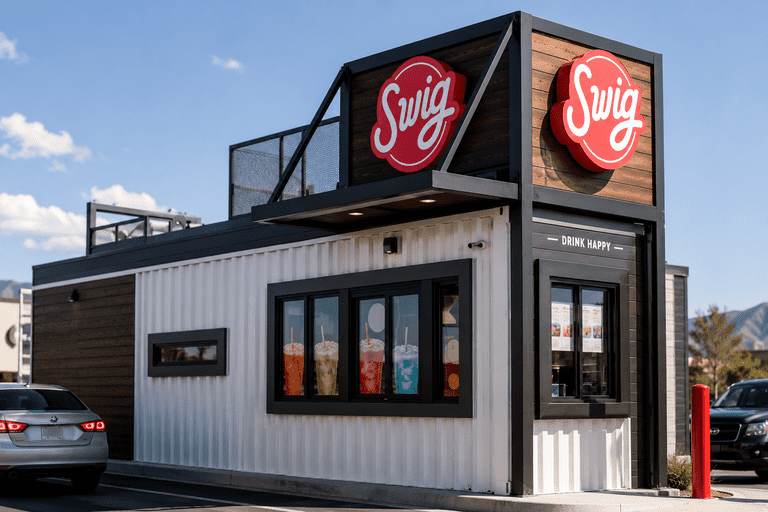
Dirty soda chain Swig is expanding into Colorado through a 10-unit franchise deal, riding a consumer beverage trend that's catching the attention of major QSR players nationwide.
May 15, 2026
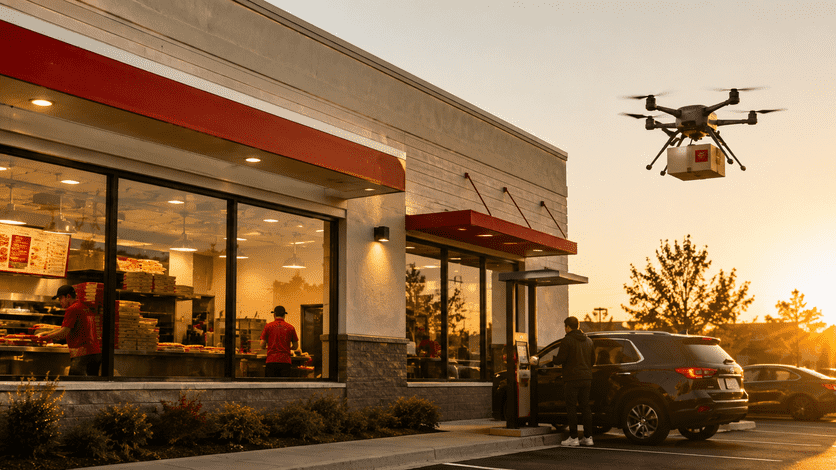
Papa Johns has teamed up with Alphabet's Wing for drone delivery of its new sandwich lineup in parts of Charlotte marking the first partnership of its kind between Wing and a national QSR brand.
May 15, 2026
A warm, expert-led look at McDonald’s Q1 results, menu makeover, and the refranchise question shaping its growth.
May 14, 2026
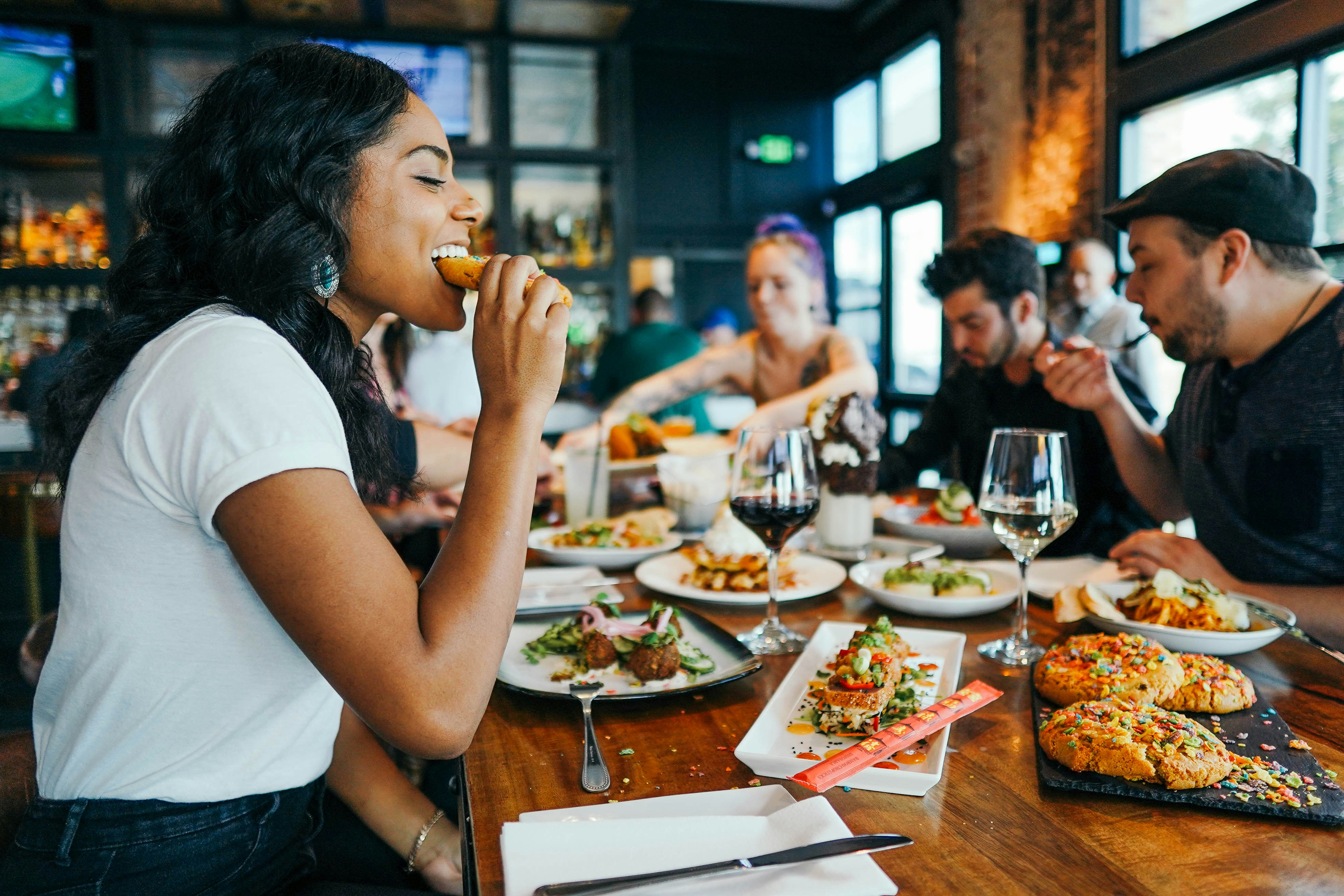
A reflective look at Habit Ranch, its immersive desert activation, and what it signals for brand loyalty and mindful, experiential dining.
May 14, 2026

Unlock Exclusive Access To Webinars, Events, And The Latest News For Free!
Bar Louie rolls out Illy espresso across 67 locations, expands non-alcoholic options, and ties coffee to its cocktail program, signaling a strategic beverage makeover.
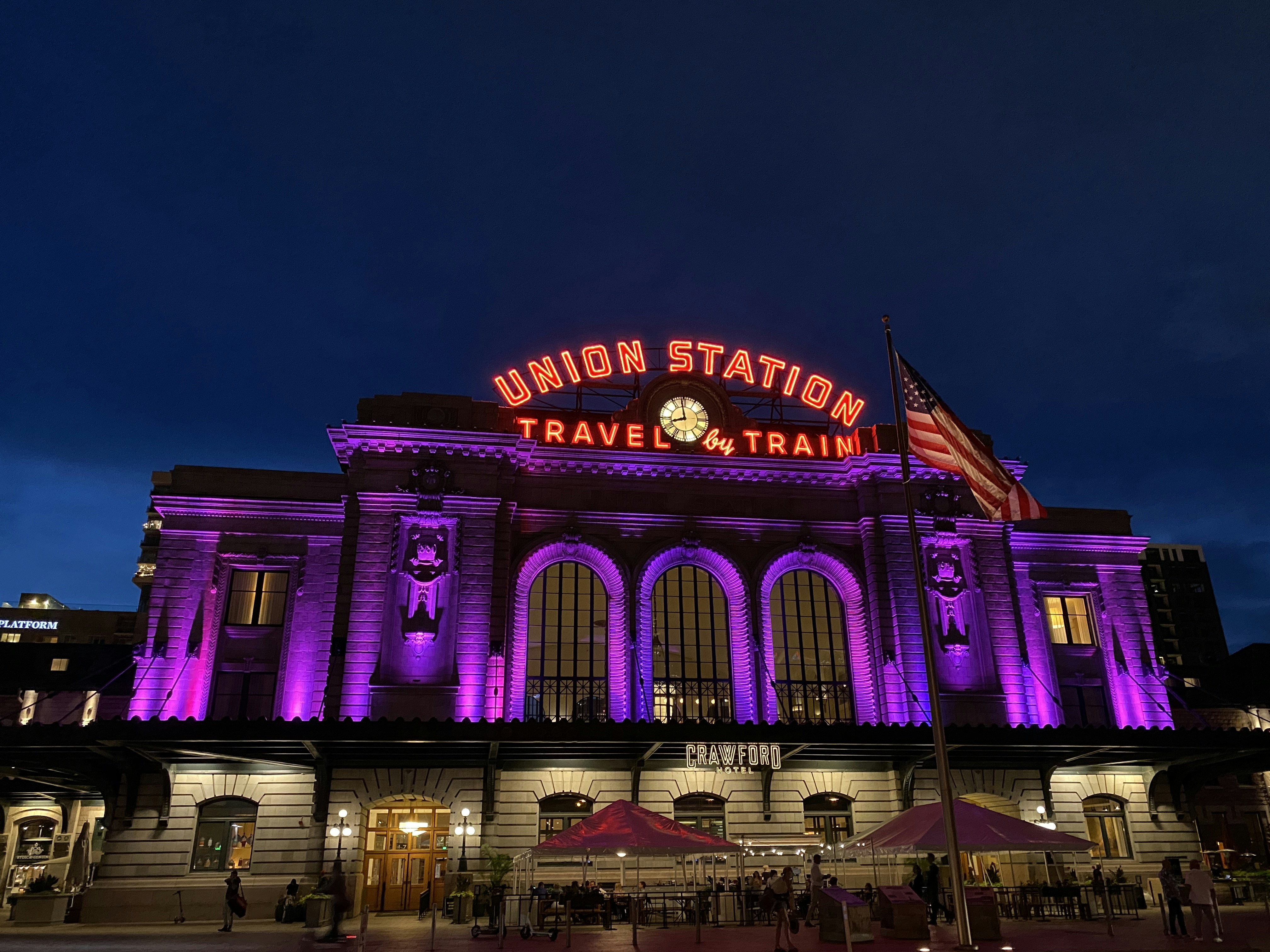
Photo by Kevin Payan
Bar Louie is betting big on coffee to join its cocktail game. After 34 years in business, the chain is rolling out Illy espresso to all 67 locations, bringing true espresso service to menus for the first time. The move isn’t just about caffeine—it’s a deliberate pivot to capture daytime traffic and evening visits with a more complete beverage program. The plan links premium coffee with the brand’s cocktail‑centric service model, aiming for more consistency and quality across the footprint. So, what does this look like in practice? Here’s how it unfolds:
At the core of the rollout is a unique financing plan: the espresso machines are effectively on loan, with Illy covering equipment costs while Bar Louie and its franchisees purchase the coffee and tea. Installations began months ago and are expected to wrap by the end of summer 2024, enabling rapid rollout at corporate locations and nearly 20 franchised sites. Printed menus provided by Illy at newly equipped locations have begun lifting coffee sales, while the program leans into the brand’s cocktail approach with house-made syrups and enhanced drip options behind the bar. In addition to espresso beverages, Bar Louie expanded its tea lineup to include black iced tea and tropical iced tea.
Reaction from guests and staff has been encouraging from the start. The coffee program is sparking interest across dayparts like lunch, happy hour, and after dinner, a sign that the brand’s beverage ambition is sticking. “the coffee program is being treated with the same care as Bar Louie’s cocktail program,” said Ian Welby, the vice president of beverage and education. His comment signals intent: espresso is not an afterthought but a central pillar of guest experience. Expect to see more shots and cappuccinos alongside cocktails, with the espresso lineup designed to echo the house‑made vibe that already defines Bar Louie.
Two signature drinks anchor the lineup: Mean Bean and Whole Latta Latte. The Mean Bean blends espresso with Smirnoff Vanilla vodka, Mr. Black coffee liqueur, brown sugar syrup, and a shot of espresso. The Whole Latta Latte layers Smirnoff Kissed Caramel vodka, RumChata Cream Liqueur, cream, espresso, and cinnamon, finished with espresso beans. Beyond these cocktails, the program adds tea options behind the bar and intensifies the zero‑proof push across dayparts, reinforcing Bar Louie’s cocktail‑driven approach in a non‑alcoholic frame.
Rollout is designed as a staged upgrade, not a single push. The company aims to complete the program by the end of summer 2024, a timeline that keeps the chain nimble while expanding a premium coffee program across the footprint. The financing model leans on Illy’s equipment support, which lowers upfront costs for Bar Louie and its franchisees, while the brand and operators handle ongoing coffee and tea purchases. The result is a faster path to wide specialty espresso drinks at corporate locations and nearly 20 franchised sites, with room to tailor menus as venues evolve.
Printed coffee menus provided by Illy at newly equipped stores anchor the rollout, and venue‑level customization runs behind the bar with house‑made syrups and improved drip options. As the footprint grows—the latest public counts show a multi-location operation across the U.S.—Bar Louie uses the upgrade to synchronize service across locations. Different sources show slightly different counts (67 locations in 2024 vs 64 in 2025), a reminder that growth is still a moving target as the brand redefines its beverage strategy.
Beyond coffee, Bar Louie is leaning into zero‑proof cocktails and a broadened non‑alcoholic portfolio. In April, the chain debuted its first spirit‑free cocktail, the The Pineapple Upside Down Margarita, built with Ritual Tequila Alternative, vanilla, pineapple, lime, grenadine, and Sprite, a recipe that Welby says is performing well. The Sober A.F. menu features Island Hopper, a tropical mix of orange and passion fruit juices, sparkling water and lime, plus Coca‑Cola, Liquid Death water, Red Bull, coffee and tea. The brand has even added a non‑alcoholic beer, signaling a long‑term commitment to inclusive options.
Taken together, this zero‑proof push sits inside a broader industry trend toward moderation in casual dining. The Pineapple Upside Down Margarita page on Bar Louie’s site confirms Ritual Tequila Alternative as part of the zero‑proof lineup, while Island Hopper and other drinks broaden daypart appeal. Industry observers note many operators are leaning into non‑alcoholic cocktails and premium coffee to lure new guests and drive incremental traffic as tastes shift.
Industry context: Trends shaping casual dining drinks place Bar Louie’s moves in a larger arc. The zero‑proof push aligns with a wider industry shift toward inclusive options and premium coffee as core differentiators. The Pineapple Upside Down Margarita page confirms Ritual Tequila Alternative as part of the lineup, underscoring the blend of coffee craftsmanship with non‑alcoholic mixology. The espresso rollout and tea extensions show how a mid‑scale brand treats beverages as a central guest experience, not an afterthought.
Taken together, the Illy partnership and zero‑proof push illustrate a practical blueprint for similar brands. Financing equipment through a cooperative model, expanding espresso and tea options, and embracing non‑alcoholic cocktails alongside familiar cocktails positions Bar Louie at the crest of quality, accessibility, and inclusivity. It signals that premium drinks—coffee, cocktails, and zero‑proof options—can coexist and drive guest traffic across dayparts and markets. For operators watching the casual‑dining space, Bar Louie’s approach offers a roadmap for balancing cost, quality, and guest expectations in a crowded field.