How Much Does It Cost to Open a Coffee Shop in 2026?
Opening a coffee shop in 2026 requires careful cost planning across rent, equipment, labor, technology, menu strategy, marketing, and sustainability.
operations
May 15, 2026
Opening a coffee shop in 2026 requires careful cost planning across rent, equipment, labor, technology, menu strategy, marketing, and sustainability.
May 15, 2026

This AI playbook covers restaurant tools for voice ordering, staffing, compliance, menu pricing, inventory, marketing, ChatGPT prompts, and SEO.
May 15, 2026

Hardee’s giant Boddie-Noell inks 31-unit Scooter’s Coffee deal for NC and VA, leveraging drive-thru growth and local roots with rollout over 12–18 months.
May 15, 2026

Wingstop turns match weeks into a multi-sensory festival, aligning bold pop-ups with World Cup energy to build brand affinity and measurable momentum.
May 15, 2026

The parent company behind Dunkin', Buffalo Wild Wings, and Arby's has filed for an IPO a move that could reshape how Wall Street views the restaurant sector.
May 15, 2026

Learn how to develop a memorable restaurant brand identity that stands out in a crowded market, attracts loyal customers, and drives repeat business with actionable strategies and affordable tools.
May 15, 2026

Dirty soda chain Swig is expanding into Colorado through a 10-unit franchise deal, riding a consumer beverage trend that's catching the attention of major QSR players nationwide.
May 15, 2026

Papa Johns has teamed up with Alphabet's Wing for drone delivery of its new sandwich lineup in parts of Charlotte marking the first partnership of its kind between Wing and a national QSR brand.
May 15, 2026

A warm, expert-led look at McDonald’s Q1 results, menu makeover, and the refranchise question shaping its growth.
May 14, 2026

A reflective look at Habit Ranch, its immersive desert activation, and what it signals for brand loyalty and mindful, experiential dining.
May 14, 2026

Unlock Exclusive Access To Webinars, Events, And The Latest News For Free!
Angie’s Lobster debuts in Las Vegas with a cashless, self-serve model, part of a broader four-brand Southwest expansion focused on affordable luxury.
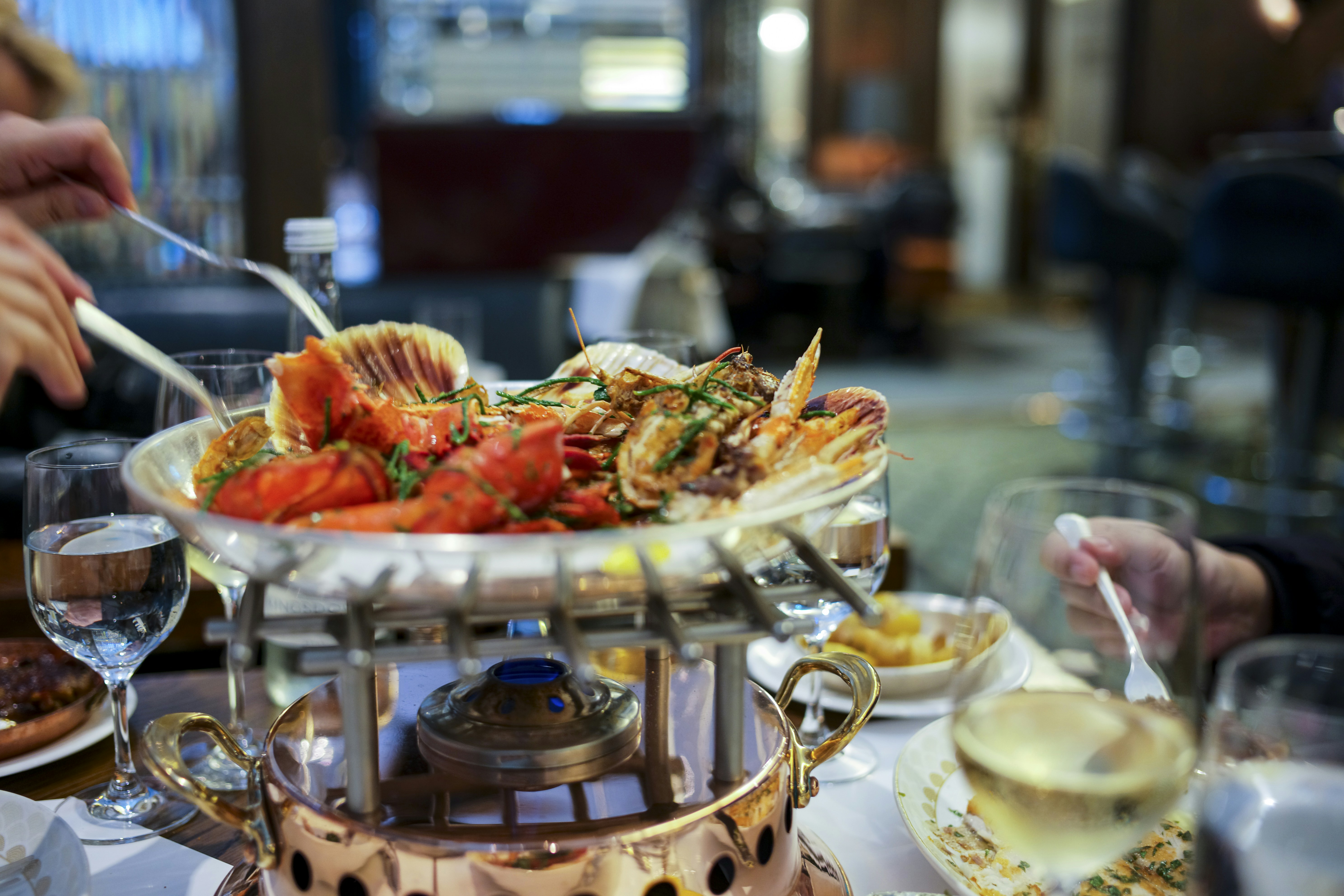
Photo by Mia de Jesus
Las Vegas marks a bold new stage for Angie’s Lobster, a concept arriving with a deliberate, almost quiet confidence: premium seafood delivered through a self-serve, cashless lens. The desert debut sits squarely inside a broader belief held by Angie’s Food Concepts — that luxury ingredients can be accessible when operations are streamlined, costs remain disciplined, and every square foot is considered. This launch isn’t just a single restaurant opening; it’s a measured step in a larger Southwest expansion plan that places a four-brand platform in conversation with fast-casual expectations and guest demand for value without sacrifice. The design is restrained, yet the ambition feels expansive: a thoughtful path for premium dining where accessibility meets ease.
At its core, Angie’s Lobster is piloted by a lean operating philosophy. The store relies on a self-serve ordering flow and a cashless system, with food placed on shelves for shoppers to grab and go. This setup is purpose-built to shrink hourly labor while preserving the quality one associates with premium seafood. The pricing architecture mirrors the goal: high-quality offerings at approachable prices, supported by tight real estate and design costs through local partnerships. In practice, guests encounter a straightforward trio of value-forward choices that feel both indulgent and balanced.
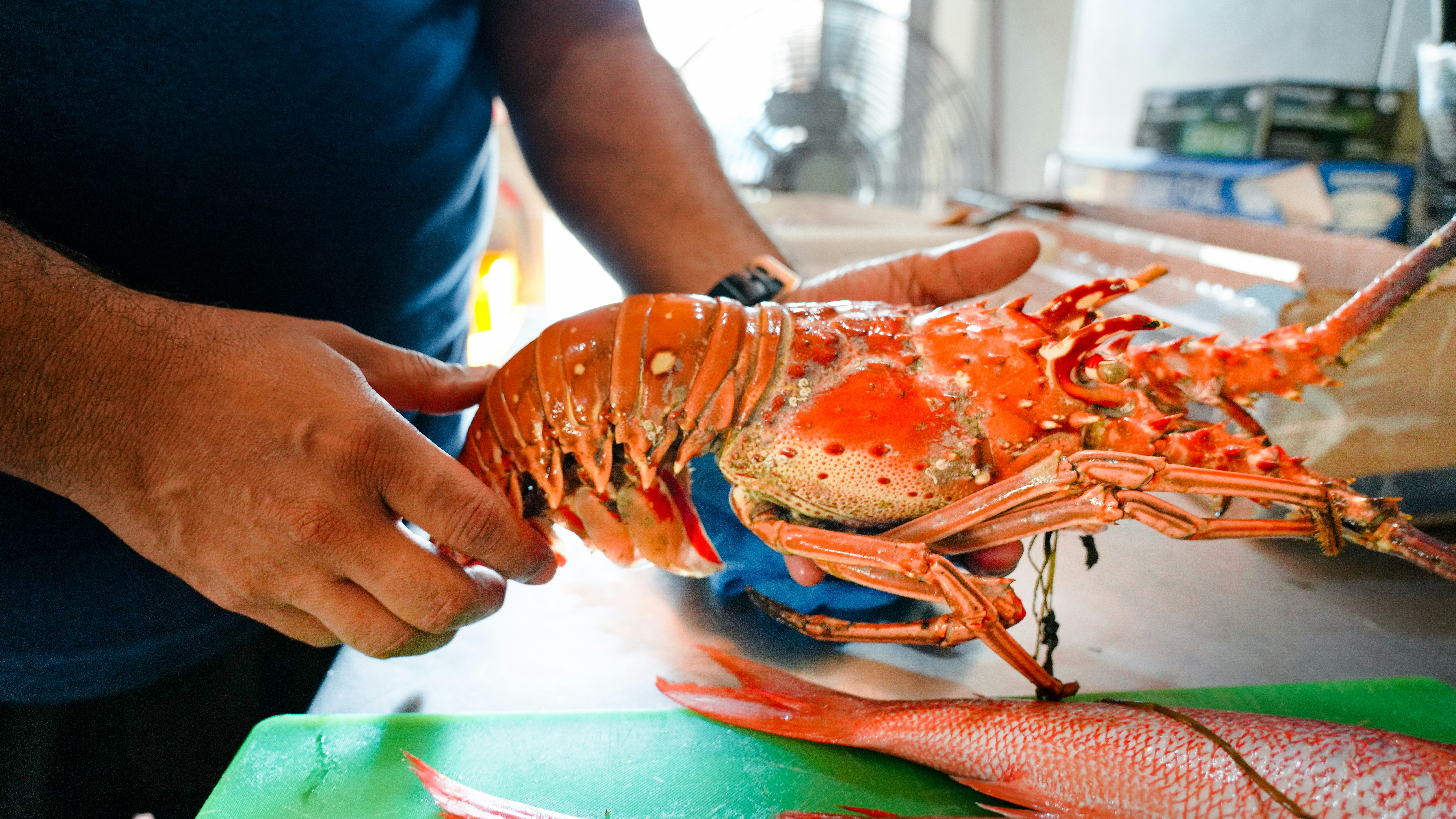
Lean costs, high value define the economics of this model. By inviting guests to participate in the workflow, the leadership aims to lower hourly labor while keeping the dining experience fast and fluid. The absence of cash transactions and the shelf-based presentation reduce touchpoints and staff involvement, allowing a focused team to prioritize preparation, quality, and safety. Angie’s Lobster frames this as value-driven pricing aligned with efficiency: the result is a credible equation where premium ingredients can sit beside everyday price points, and guests feel the balance between luxury and practicality. It’s not a gimmick — it’s a deliberate design choice that travels with the brand as it scales.
Pricing cues anchor the experience: a $5 sandwich and fries, a $7.69 hormone-free chicken sandwich and drink, and a $6.79 bowl. These markers aren’t accidental — they’re part of a marketing and operations philosophy that aims to keep premium seafood accessible while guarding margins through disciplined real estate, design, and staffing costs. The approach signals a broader intent: to demonstrate that value and indulgence can coexist in a fast-cresh environment when the backend is deliberate and transparent.