How Much Does It Cost to Open a Coffee Shop in 2026?
Opening a coffee shop in 2026 requires careful cost planning across rent, equipment, labor, technology, menu strategy, marketing, and sustainability.
operations
May 15, 2026
Opening a coffee shop in 2026 requires careful cost planning across rent, equipment, labor, technology, menu strategy, marketing, and sustainability.
May 15, 2026

This AI playbook covers restaurant tools for voice ordering, staffing, compliance, menu pricing, inventory, marketing, ChatGPT prompts, and SEO.
May 15, 2026

Hardee’s giant Boddie-Noell inks 31-unit Scooter’s Coffee deal for NC and VA, leveraging drive-thru growth and local roots with rollout over 12–18 months.
May 15, 2026

Wingstop turns match weeks into a multi-sensory festival, aligning bold pop-ups with World Cup energy to build brand affinity and measurable momentum.
May 15, 2026

The parent company behind Dunkin', Buffalo Wild Wings, and Arby's has filed for an IPO a move that could reshape how Wall Street views the restaurant sector.
May 15, 2026

Learn how to develop a memorable restaurant brand identity that stands out in a crowded market, attracts loyal customers, and drives repeat business with actionable strategies and affordable tools.
May 15, 2026

Dirty soda chain Swig is expanding into Colorado through a 10-unit franchise deal, riding a consumer beverage trend that's catching the attention of major QSR players nationwide.
May 15, 2026

Papa Johns has teamed up with Alphabet's Wing for drone delivery of its new sandwich lineup in parts of Charlotte marking the first partnership of its kind between Wing and a national QSR brand.
May 15, 2026

A warm, expert-led look at McDonald’s Q1 results, menu makeover, and the refranchise question shaping its growth.
May 14, 2026

A reflective look at Habit Ranch, its immersive desert activation, and what it signals for brand loyalty and mindful, experiential dining.
May 14, 2026

Unlock Exclusive Access To Webinars, Events, And The Latest News For Free!
Exploring how AI reshapes restaurant operations, guest experiences, and governance through Deloitte insights and field pilots.
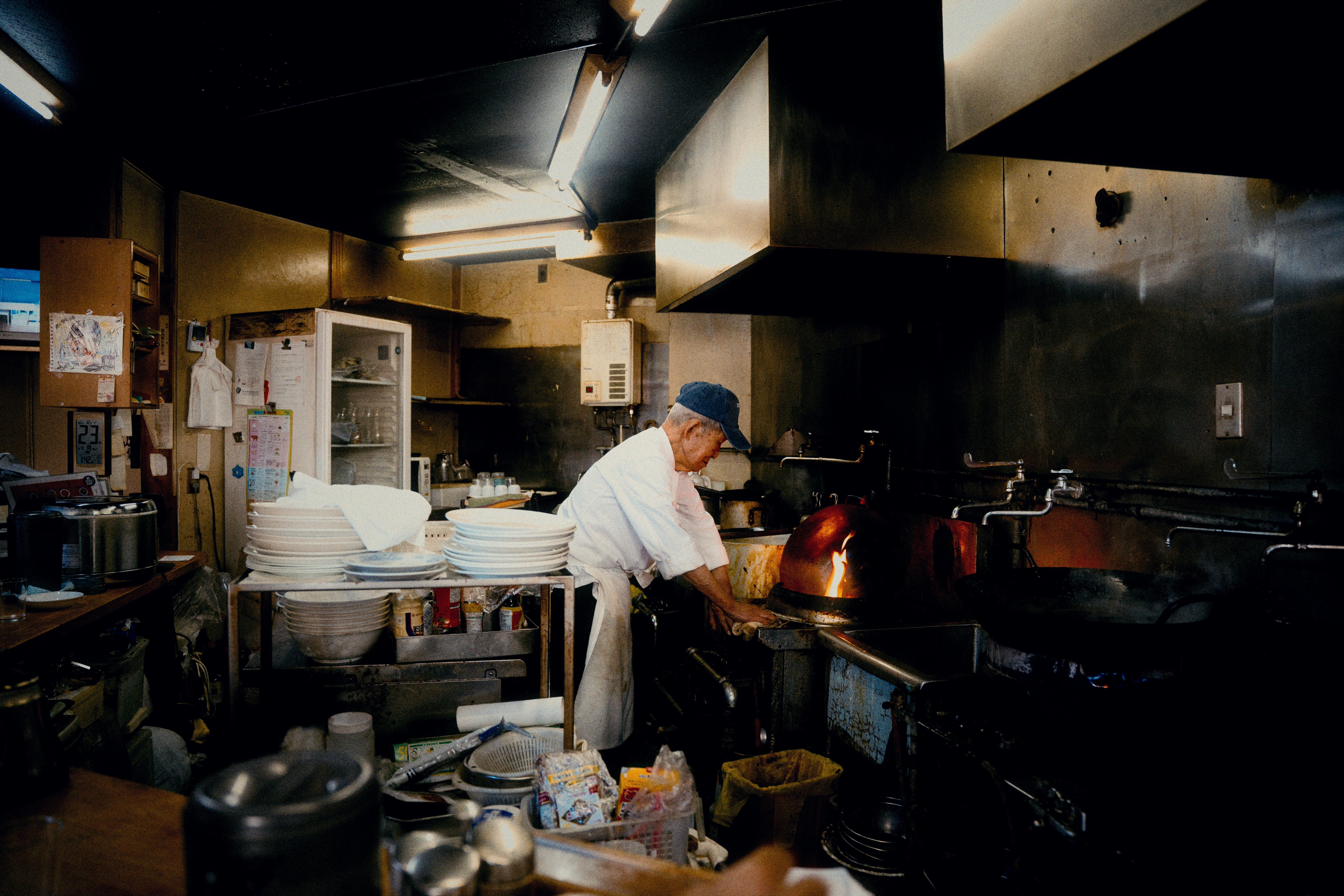
Photo by Flavio Mori
AI has taken a discreet seat at the table of restaurant operations, promising clarity where clutter once reigned. The argument rests on two finding grounds: efficiency gains and experiences that touch the guest’s moment of arrival and departure. Across sectors, leaders anticipate AI investments to rise in the coming year, as if a calm but inexorable tide. Eight in ten executives expect higher AI spending next fiscal year, drawn by a spectrum of benefits from improved guest experiences to smoother operations and stronger loyalty programs. Adoption is seldom a single leap; it arrives in waves, beginning with guest experience and inventory management, then spreading outward.
To picture the pattern, think of waves: the early surge of guest experience improvements, the steadier current of inventory management, and only later, deeper forays into loyalty programs and staff enablement. In practice, the journey unfolds across quick-service and casual dining alike, signaling that AI adoption is neither a flash nor a revolution, but a cadence. The cadence is reinforced by real-world deployments and pilots across diverse concepts, with two realms leading the way: customer experience and inventory management, then loyalty, and finally more advanced applications in food prep and new product development.
Implementation begins with a focus on one high-impact workflow rather than a broad, disruptive transformation. Operators identify pain points such as schedule changes, prep forecasting, inventory counting, or guest feedback responses, then standardize inputs to ensure clean, comparable AI output. Each task relies on explicit prompts that define the role, goals, context, constraints, required data, and preferred output format. Structured prompts can prioritize labor control, guest experience, or throughput, and non-negotiables like cost ceilings or minimum staffing levels. The approach binds AI output to clear metrics and embeds outcome tracking into the workflow, with regular reviews to confirm continued value. Human oversight remains essential, especially when results fall short of expectations.
Outputs are tied to clear metrics—prime cost, food waste, labor variance, and ticket times—and the workflow embeds outcome tracking with regular reviews to confirm continued value. If inputs are flawed or results fail to improve key metrics, prompts, data, or the domain of application can be refined. Human oversight remains essential as AI models evolve, ensuring outputs stay aligned with food safety, compliance, and brand fidelity.