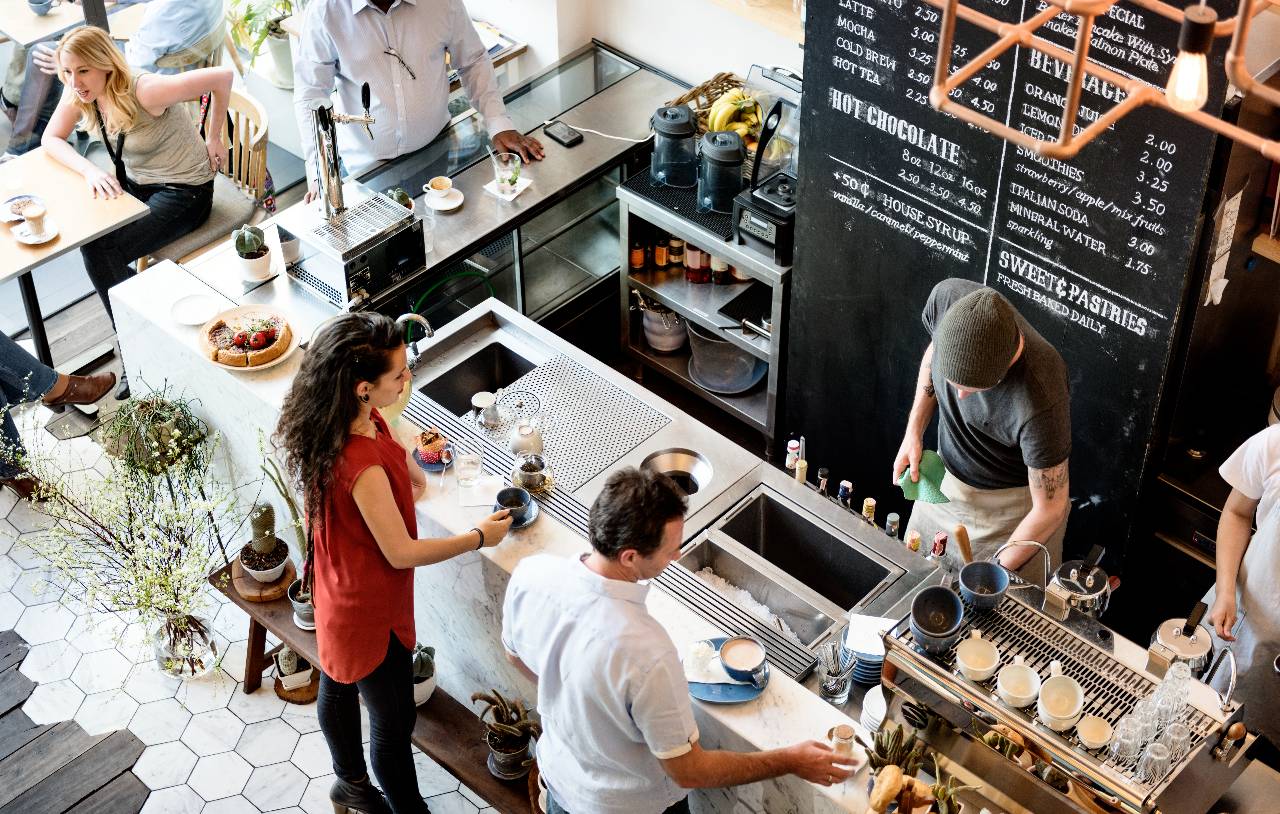
How Much Does It Cost to Open a Coffee Shop in 2026?
Opening a coffee shop in 2026 requires careful cost planning across rent, equipment, labor, technology, menu strategy, marketing, and sustainability.
operations
May 15, 2026
Opening a coffee shop in 2026 requires careful cost planning across rent, equipment, labor, technology, menu strategy, marketing, and sustainability.
May 15, 2026
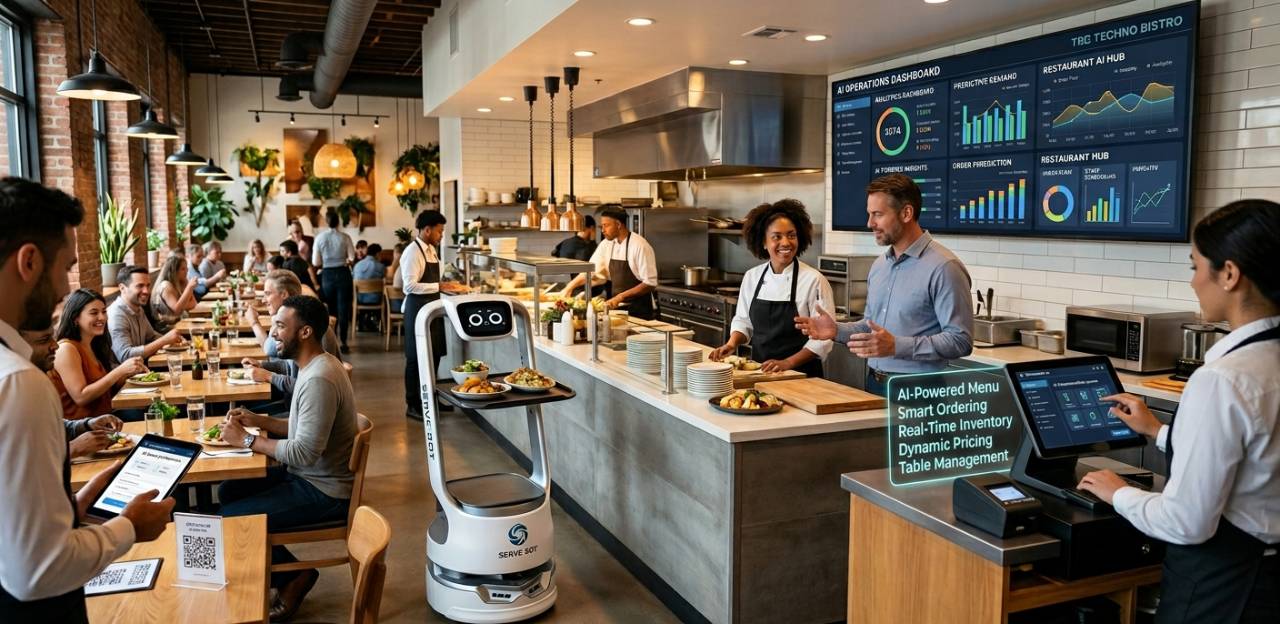
This AI playbook covers restaurant tools for voice ordering, staffing, compliance, menu pricing, inventory, marketing, ChatGPT prompts, and SEO.
May 15, 2026
Hardee’s giant Boddie-Noell inks 31-unit Scooter’s Coffee deal for NC and VA, leveraging drive-thru growth and local roots with rollout over 12–18 months.
May 15, 2026
Wingstop turns match weeks into a multi-sensory festival, aligning bold pop-ups with World Cup energy to build brand affinity and measurable momentum.
May 15, 2026
The parent company behind Dunkin', Buffalo Wild Wings, and Arby's has filed for an IPO a move that could reshape how Wall Street views the restaurant sector.
May 15, 2026

Learn how to develop a memorable restaurant brand identity that stands out in a crowded market, attracts loyal customers, and drives repeat business with actionable strategies and affordable tools.
May 15, 2026
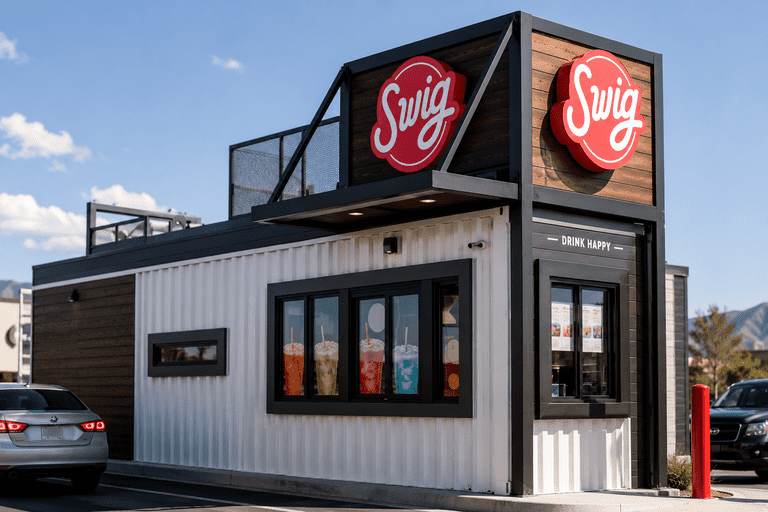
Dirty soda chain Swig is expanding into Colorado through a 10-unit franchise deal, riding a consumer beverage trend that's catching the attention of major QSR players nationwide.
May 15, 2026
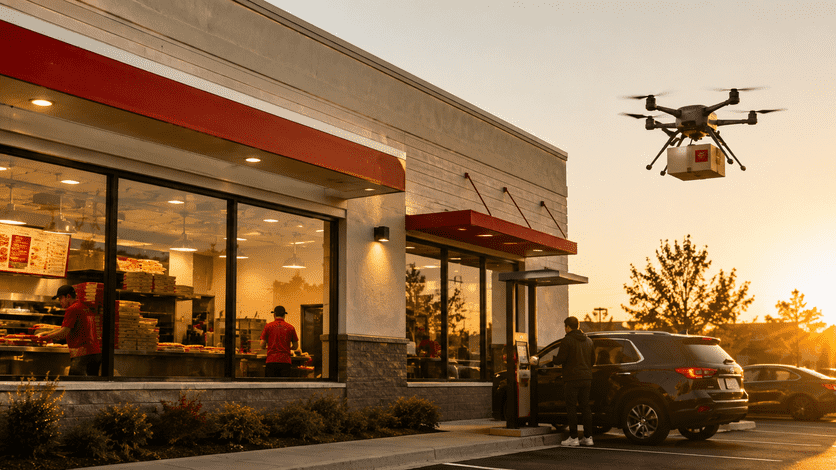
Papa Johns has teamed up with Alphabet's Wing for drone delivery of its new sandwich lineup in parts of Charlotte marking the first partnership of its kind between Wing and a national QSR brand.
May 15, 2026
A warm, expert-led look at McDonald’s Q1 results, menu makeover, and the refranchise question shaping its growth.
May 14, 2026
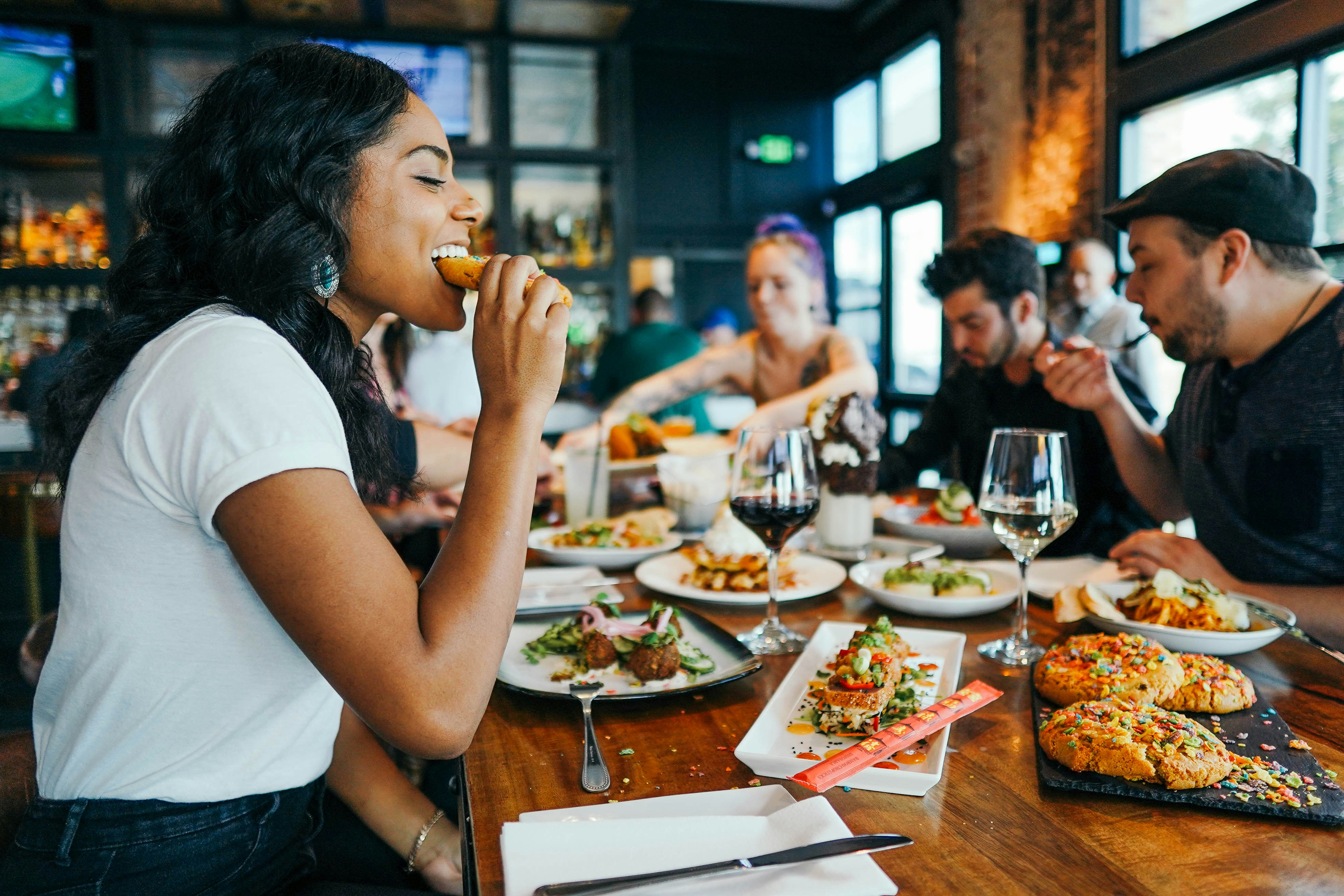
A reflective look at Habit Ranch, its immersive desert activation, and what it signals for brand loyalty and mindful, experiential dining.
May 14, 2026

Unlock Exclusive Access To Webinars, Events, And The Latest News For Free!
Edge Consulting presses Dine Brands with a governance-heavy playbook while Denny's executes a footprint reset, value offers, and digital moves to steady traffic.
Photo by Patrick Shaun
Casual-dining chains are squarely in the sights of activist investors as softening consumer spending and traffic declines pressurize the industry. The Edge Consulting Group escalated a campaign at Dine Brands and laid out a detailed playbook to accelerate performance, while Denny’s advanced an operational reset aimed at stemming sales softness and margin strain. Numbers tell the story. Dine Brands ended Q2 with about "$1.1 billion" in debt and reported earnings of "$1.17" per share versus expectations of "$1.45", with shares down "29%" year-to-date. That backdrop invites scrutiny. Denny’s is dealing with persistently soft same-store traffic and has chosen to close underperforming units, run targeted value offers, and prepare a loyalty revamp. The goal is straightforward: stabilize guest visits and protect margins while the sector rides out a demand dip. Operators are resetting at the store level as boards absorb activist pressure in the boardroom. Analysis: The setup is clear—weak traffic and leverage draw activist plans, while operators move on closures, promotions, and digital tools to hold the line on visits and cash flow.
According to Barron’s, The Edge Consulting Group launched its Dine Brands campaign in "August" to press for structural and governance action at the operator behind IHOP and Applebee’s. Edge holds approximately a "1%" stake—a toehold often used when results trail expectations. The metrics fueling frustration are not subtle: debt near "$1.1 billion", earnings of "$1.17" per share against "$1.45" expected, and shares down "29%" year-to-date. This is activist oxygen. The timing and data points sharpen the call for accountability and a plan that stretches beyond quarterly beats. Edge is channeling demands toward capital allocation and board oversight—areas that control cash, set pace, and frame risk. When performance lags, governance questions follow. That’s the play. Analysis: The case for action rests on hard misses and leverage, giving activists a clean narrative to push for changes in capital deployment and board design.
Edge recommended suspending Dine Brands’ "$31 million" dividend, selling its Fuzzy Taco brand, refinancing "$500 million" in debt, simplifying the menu, refreshing the board, and establishing a performance-tied Franchisee Advisory Council. The firm quantified the upside, aiming to boost shareholder returns by "150–200%" over "24–36 months". That’s a full toolkit—cash capture, portfolio pruning, rate relief, operational focus, and governance recalibration. Each lever hits a different pressure point. Halting dividends retains cash for debt or reinvestment. Divesting a non-core brand unlocks value and simplifies the portfolio. Refinancing attacks financing costs. Menu simplification targets execution speed and consistency. A refreshed board and a performance-tied franchisee council aim to sync incentives between owners, operators, and the field. Analysis: The plan links near-term liquidity and cost relief to longer-term structural gains, with returns and timing spelled out to force a response from the board.
Edge’s push goes beyond the ledger. A board refresh and a performance-tied Franchisee Advisory Council would bring tighter alignment between leadership actions and operator outcomes. The goal is straightforward: align decision rights, capital spend, and field performance. That moves accountability from rhetoric into structure. These moves typify the new tenor inside casual-dining boardrooms—where capital allocation and governance architecture take center stage. The pressure is explicit and urgent, backed by specific targets. Absent a disclosed company response in the record here, the next step will hinge on whether directors engage or resist, and on how quickly any adopted elements surface in public timelines. Analysis: Governance is now part of the operating model; without a visible response, activists will keep the heat on until milestones appear.
Denny’s is navigating a broad operational reset amid persistently soft same-store traffic and financial headwinds. In Q2 2025, Denny’s core U.S. same-store sales dipped "1.3%", while Keke’s Breakfast Café posted a "4.0%" increase. That split is instructive: one brand steadies the ship with contraction and value, the other leans into growth. The company moved to shutter underperforming restaurants, closing "10" franchised units in Q2, and planning "70–90" total closures for the year, down from a previous expectation of roughly "150". The broader program started in "2023" and is slated to finish by "year-end", targeting a return to "net-flat to positive growth by 2026", as laid out by CEO Kelli Valade. Financially, Q2 operating revenue totaled "$117.7 million", with EPS at "$0.05" missing the expected "$0.11". Adjusted EBITDA stood at "$18.8 million". Operating margins remain compressed: company restaurant margin was "$6.7 million (11.5%)", while franchise margin was "$30.0 million (50.7%)"; net income was "$2.5 million". Even as it rationalizes stores, Denny’s opened "three" franchised units in Q2, completed "14" remodels, and Keke’s expanded with "eight" new locations. Analysis: The dual-brand strategy is pragmatic—contract where returns lag, add where momentum is stronger, and hold a public timeline to rebuild credibility.

To counteract soft consumer spending and invigorate guest visits, Denny’s deployed targeted value promotions during Q2. The Buy-One-Get-One Slam for "$1" and "4 Slams for $5" drew new and lapsed customers, cushioning the traffic dip. Off-premise channels are pulling their weight too, comprising "21%" of total sales and contributing a "1.5-point" boost to same-restaurant performance. Digital investments and virtual brands support delivery and takeout expansion. The company also confirmed plans to launch a new, personalized points-based loyalty program during "the second half of 2025". Media reporting indicates Denny’s is closing up to "178" underperforming locations by "the end of 2025"—"nearly 30" more than earlier estimates—and facing egg-price pressures linked to bird flu and inflation that prompt surcharges and customer friction. The mix is tactical and practical: short-term deals to spark trial, infrastructure to drive future frequency, and operational adjustments to manage cost volatility. Analysis: Value offers buy time, but long-run gains hinge on loyalty economics and off-premise stickiness holding beyond the current "21%" mix.
Edge’s Dine Brands prescription and Denny’s operating reset point to a common baseline: activist-aware discipline. In one case, a shareholder lays out explicit capital and governance actions with targeted return ranges over defined time frames. In the other, an operator tightens its footprint, leans into value, and invests in loyalty and digital channels to rebuild traffic. The linkage is tight. Activists frame the accountability agenda, and operators translate that pressure into project plans, closures, remodels, and brand segmentation. Expectations are explicit for measurable progress over the next "24–36 months" and beyond. Boards and management teams must show their work. Analysis: The sector standard has shifted—financial clarity and execution milestones are now part of the menu, not side items.
Key gaps remain. The record here does not include Dine Brands’ formal response to Edge’s demands, potential board changes, or a timetable for any asset sales or refinancing. That silence matters when timelines and return targets are central to the activist pitch. Investors will be looking for milestones, not just messaging. For Denny’s, the ultimate pace and geographic mix of closures, as well as the net impact on margins and franchise health, are not detailed beyond the annual plan and program completion by year-end. Details of the personalized, points-based loyalty design—earning rules, redemption economics, and integration with promotions—are not specified, nor is the precise durability of off-premise sales beyond the reported "21%" mix and "1.5-point" same-restaurant contribution. Analysis: Outcomes hinge on execution—board engagement at Dine Brands and operating follow-through at Denny’s will determine whether the narrative turns from repair to recovery.
This is not a market for loose menus or loose oversight. Edge’s demands at Dine Brands and Denny’s reset prove the point: cash must be steered, portfolios must be trimmed, and boardroom mechanics must back field performance. When traffic softens and debt weighs, discipline wins. Short, clear moves beat sprawling strategies. The takeaway is simple. Run lean, price smart, and show your math. Put governance and operations on the same line, and post the milestones where investors can see them. The brisket holds its shape on the fork, yet breaks apart with a touch. That’s the target for these brands: hold firm on accountability, deliver flexible tactics at the store level, and let results do the talking. Analysis: The sector’s path forward is execution-first—align capital, simplify operations, and prove traction with measurable, time-bound goals.