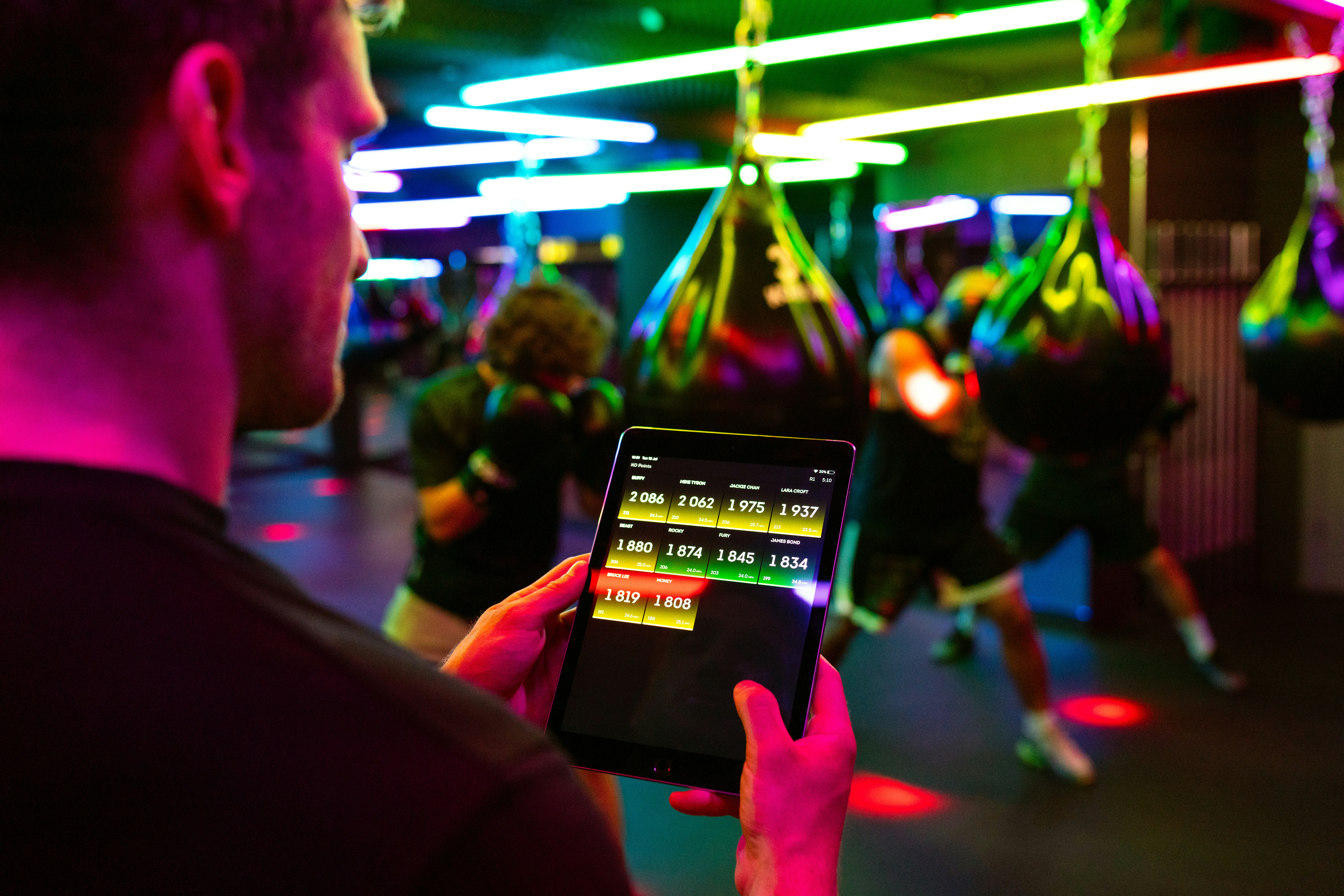
FT Undercover: Hotworx, YogaSix, Barre3 in Twin Cities
FT Undercover tests Hotworx, YogaSix and Barre3 in the Twin Cities, highlighting heat, coaching, pricing, and the FTC action involving Xponential Fitness.
franchising
Jun 4, 2026
FT Undercover tests Hotworx, YogaSix and Barre3 in the Twin Cities, highlighting heat, coaching, pricing, and the FTC action involving Xponential Fitness.
Jun 4, 2026

Qdoba secures $435M via whole business securitization to refinance debt, fund remodels and digital makelines, and fuel its push to ~2,000 units.
Jun 4, 2026

To file a clean, on-deadline restaurant trade piece, I need structured facts: names, dates, quotes, numbers, locations, timing, metrics, constraints, and verification.
Jun 4, 2026

Arts-first preschool chain Building Kidz continues U.S. expansion while facing a wrongful death suit and appealing a California penalty.
Jun 4, 2026

How to choose and configure equipment for consistent, scalable restaurant operations, with market data, AI trends, and energy-efficiency considerations.
Jun 4, 2026

Ice cream brand Salt & Straw explores a sale valuing it at $200M, tapping Piper Sandler as advisor while emphasizing culture, growth, and majority ownership.
Jun 4, 2026
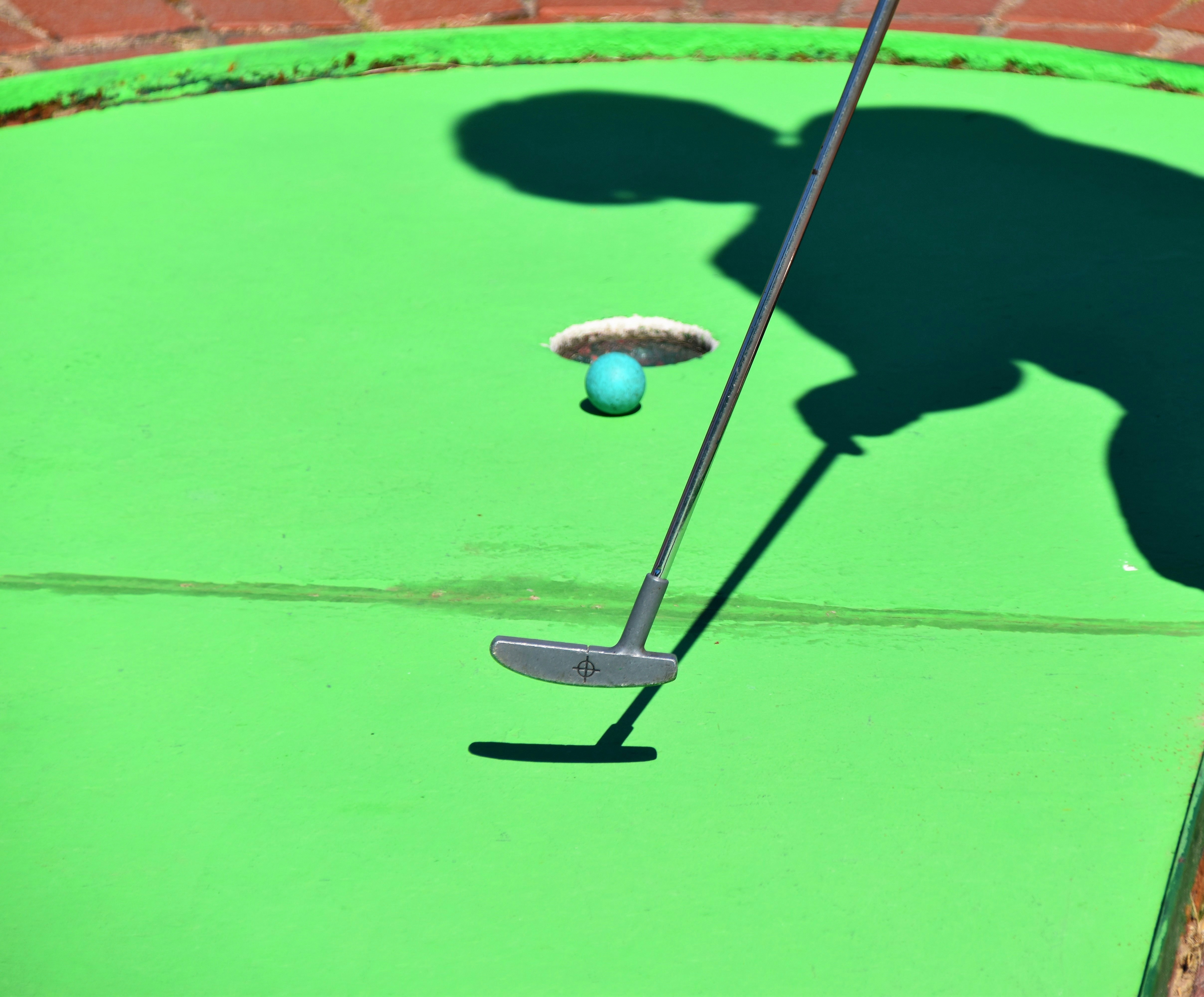
Five Iron Golf launches cash simulator tournaments with a live app leaderboard, varied formats, and a $20,000 prize pool, backed by a Series E as national rollout accelerates.
Jun 4, 2026
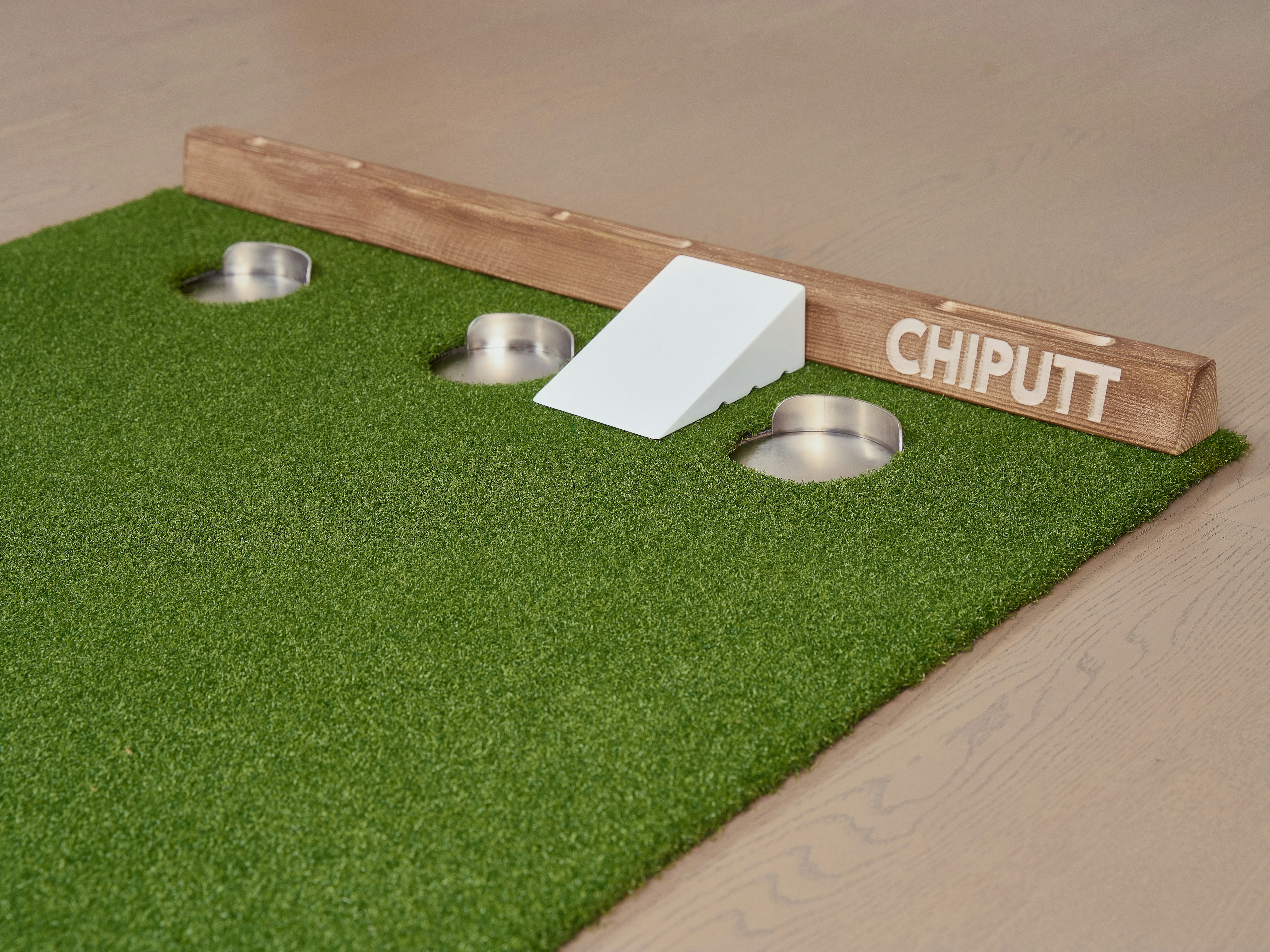
Indoor golf franchises scale as Callaway trims Topgolf, automation boosts margins, and demand accelerates across U.S. simulator chains.
Jun 4, 2026
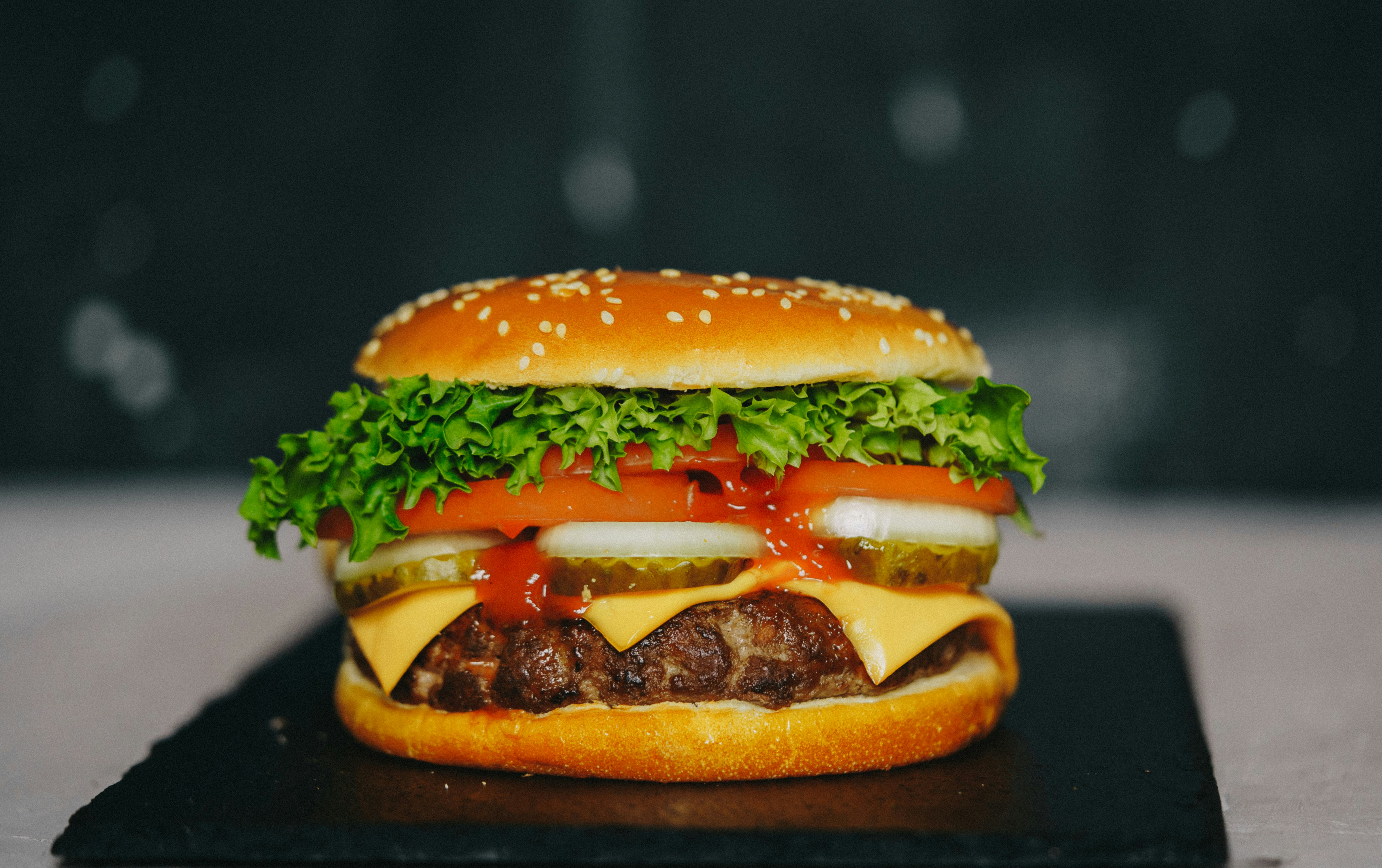
Big chains blend global flavors with familiar formats to drive traffic. Case studies from Shake Shack, Bobby’s, and Rōti, plus trend and performance data.
Jun 4, 2026
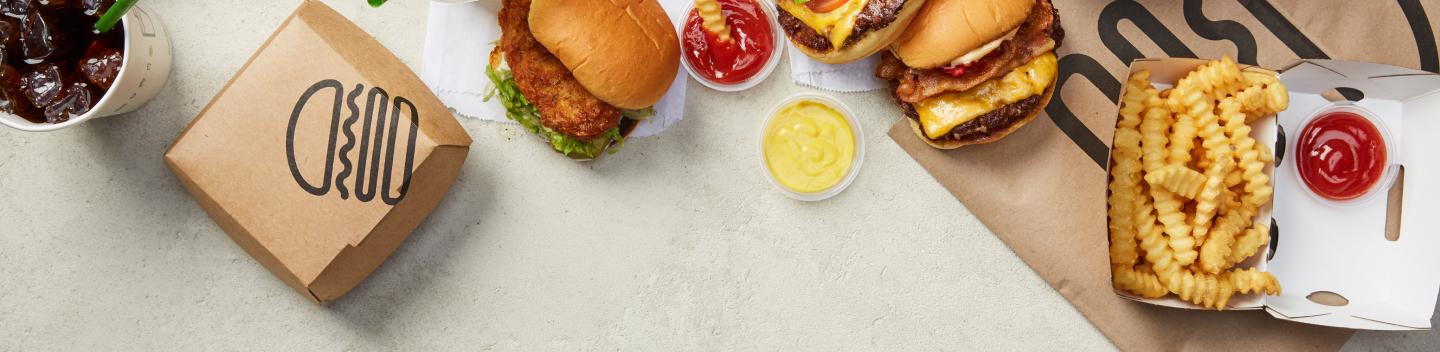
Shake Shack lowered Q2 and full-year guidance amid a value war and macro headwinds; shares fell 9% as analysts cut targets and the company tightened openings.
Jun 4, 2026

Unlock Exclusive Access To Webinars, Events, And The Latest News For Free!
Buying the right food thermometer can be a bit intimidating. There are so many options and it can be hard to know where to start. Thankfully, we've compiled a list of some of the most important points you need to know about food thermometers. From reading reviews, to figuring out the best brands, to understanding different types of thermometers, this guide will help you get started. If you're looking for a new food thermometer, you've come to the right place!
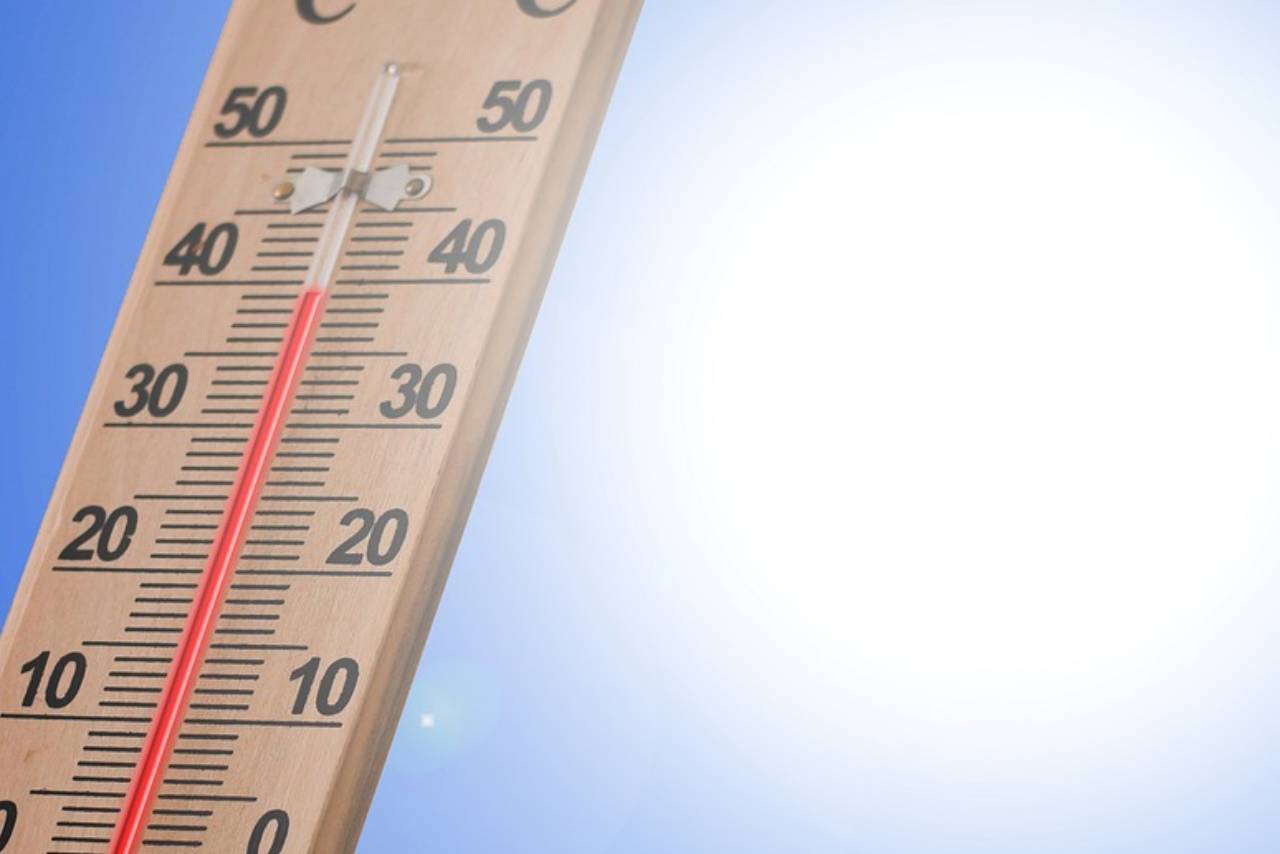
A food thermometer is an instrument that measures the internal temperature of cooked or processed foods. These measurements help you gauge if your foods are safe to eat. Different types of thermometers measure different things, so you want to make sure you're buying the right type for what you need.
There are a few different types of food thermometers on the market, but they all measure temperature in some way. There's an infrared thermometer, which is the only type of thermometer that can be used to measure the temperature of something that doesn't emit heat. This one is typically more expensive than the other types of food thermometers and it has a limited range. The other option is a contact thermometer, which requires you to actually touch the surface you're measuring in order to get an accurate reading. There's also a probe thermometer, which uses two probes- one for measuring the ambient temperature and one for measuring the meat or whatever else you want to measure. The final option is a laser thermometer, which emits light from one direction and measures its reflection on another direction.
When it comes to choosing the right food thermometer, there are a few things you want to keep in mind. You'll want to select one that is accurate, easy to clean, and durable. Accurate- One thing you want in your thermometer is accuracy. You don't want your food coming out under-cooked or overcooked. Easy To Clean- After you use your food thermometer, it should be easy to clean. This ensures that you won't have any bacteria or mold growing inside the device after using it for a couple of months. Durability- You also want something that will last. If you buy something cheap, chances are it won't last as long as a more expensive option and may not be as durable in general.
One of the most important considerations when buying a food thermometer is accuracy. Accuracy is especially important if you're cooking meat and need to know it's reached the correct temperature. There are three different types of thermometers- instant read, digital probe, and dial thermometer. Digital probes are the most accurate, but they also tend to be more expensive than other options. Instant read thermometers should be accurate within 1-2 degrees Fahrenheit and dial thermometers should be accurate within 3-4 degrees Fahrenheit.
There are some general guidelines for using a food thermometer. If you want to ensure that your food is cooked properly, it's important to use a food thermometer. It's also important that the metal probe of the thermometer isn't touching any bone or inside any other type of meat.
There are so many options when it comes to food thermometers that it can be hard to know which one is best for your needs. The key is to identify what you'll be using it for and how often, so you can find a thermometer that will be accurate and easy to use. Most of the time, you'll need a thermometer with a wide range of temperature settingsfrom 100 degrees Fahrenheit to 500 degrees. The best way to know if you have the right food thermometer is by taking the temperature of something else, like a piece of meat or a pot of water. If it's giving you an accurate reading, then you've found the right one!