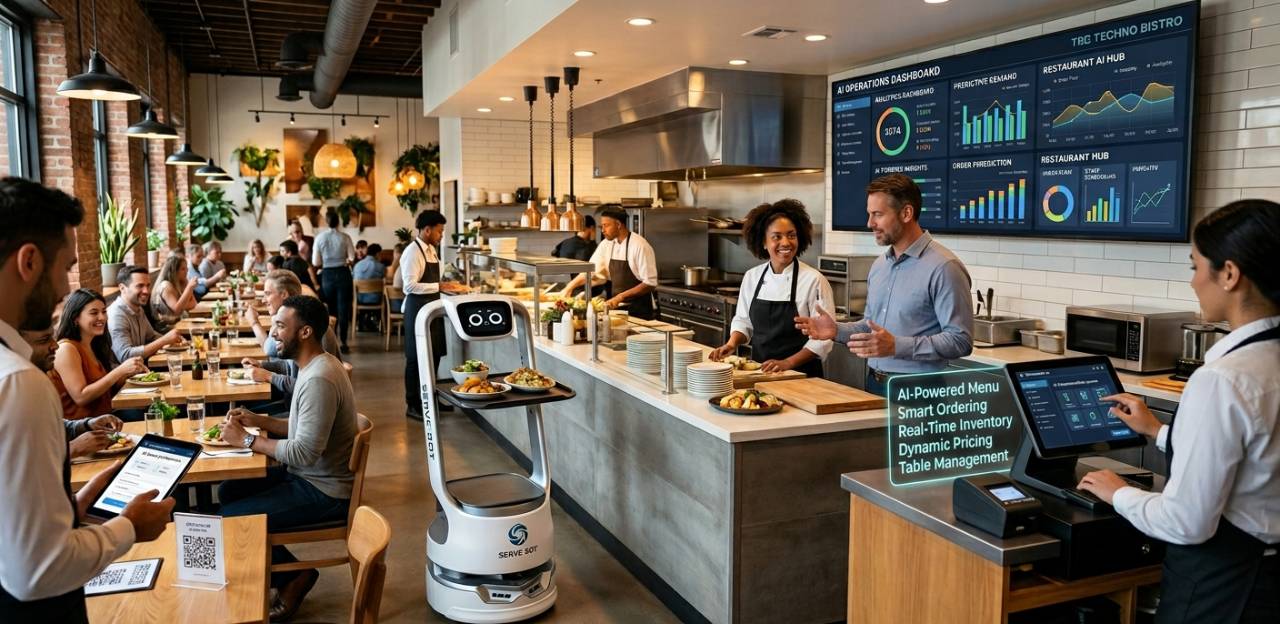
AI Playbook for Restaurant Owners
This AI playbook covers restaurant tools for voice ordering, staffing, compliance, menu pricing, inventory, marketing, ChatGPT prompts, and SEO.
tech
May 15, 2026
This AI playbook covers restaurant tools for voice ordering, staffing, compliance, menu pricing, inventory, marketing, ChatGPT prompts, and SEO.
May 15, 2026
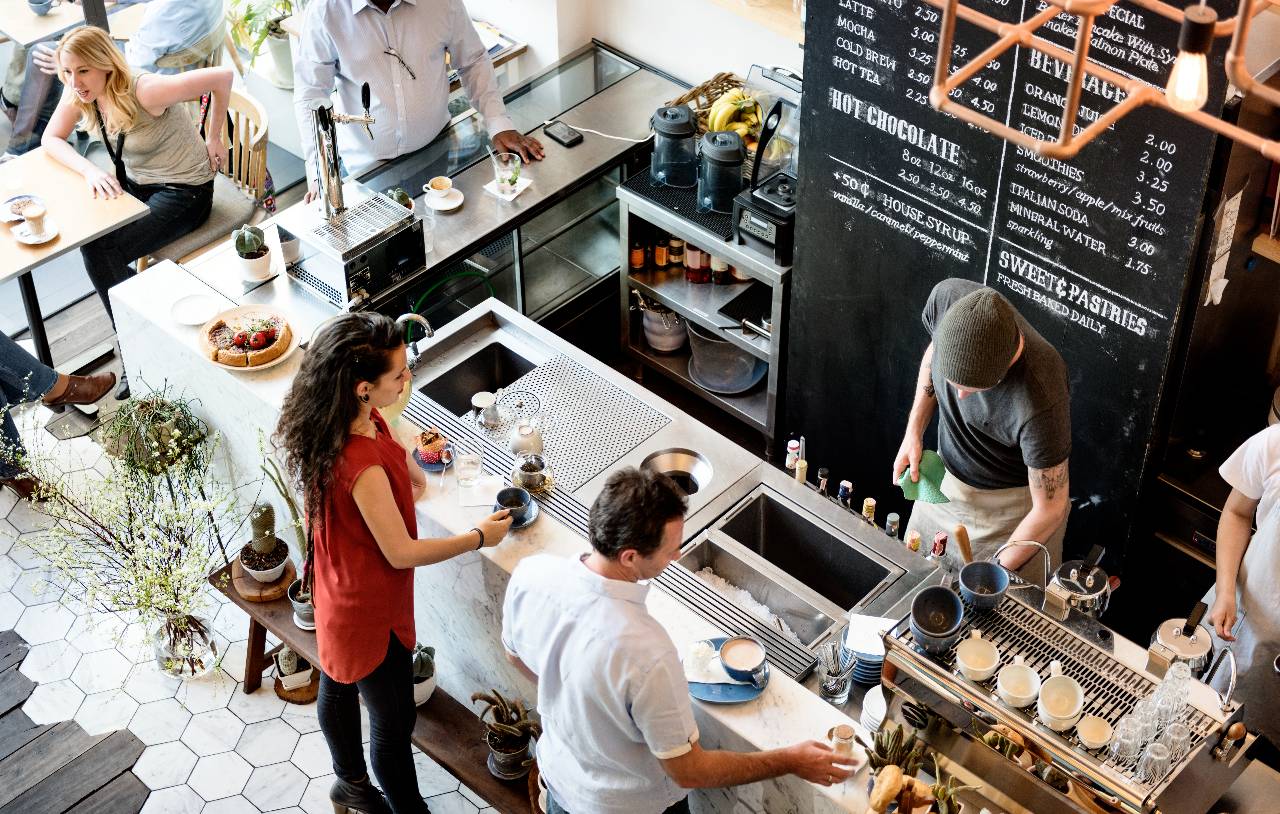
Opening a coffee shop in 2026 requires careful cost planning across rent, equipment, labor, technology, menu strategy, marketing, and sustainability.
May 15, 2026
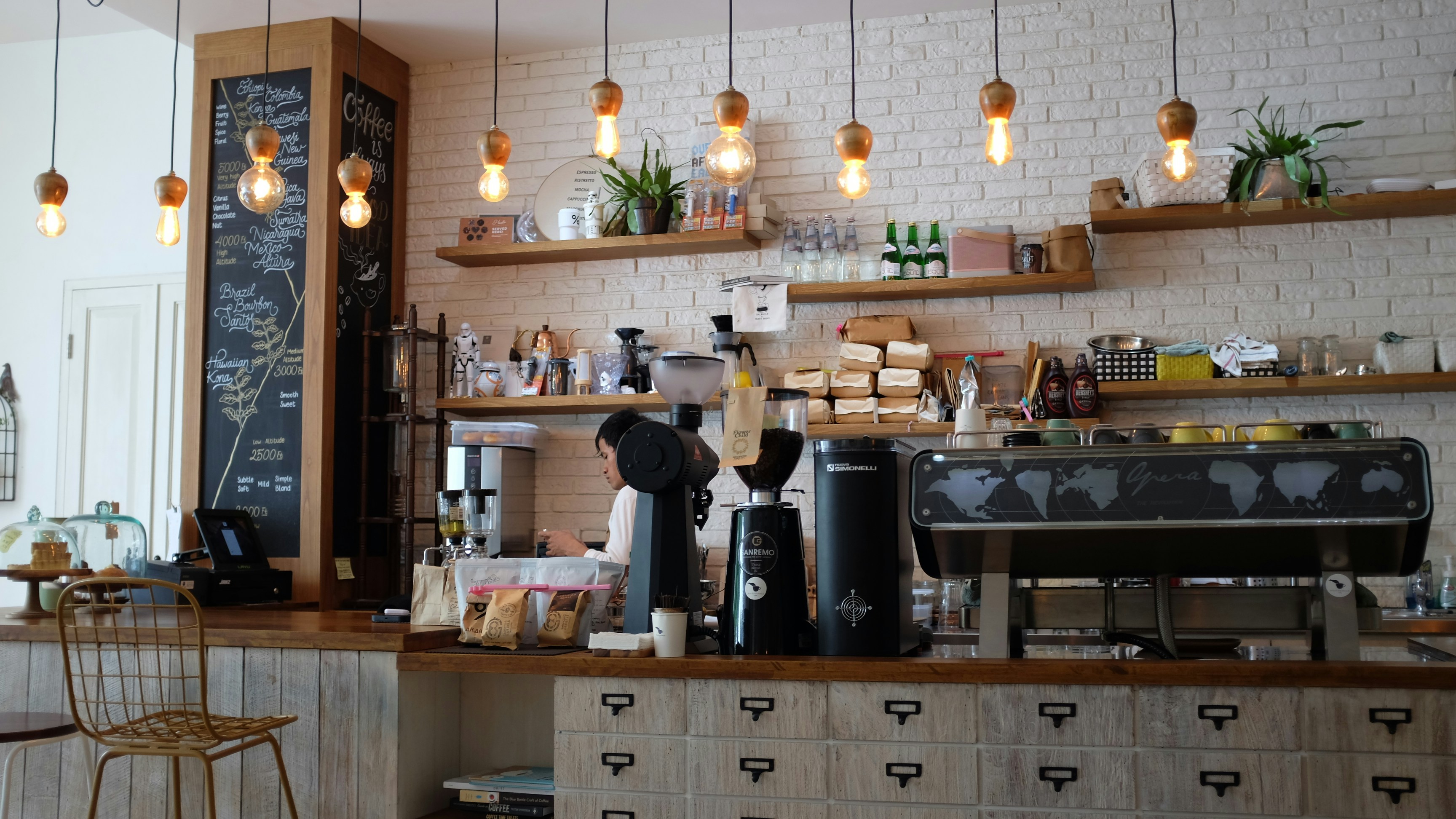
Hardee’s giant Boddie-Noell inks 31-unit Scooter’s Coffee deal for NC and VA, leveraging drive-thru growth and local roots with rollout over 12–18 months.
May 15, 2026
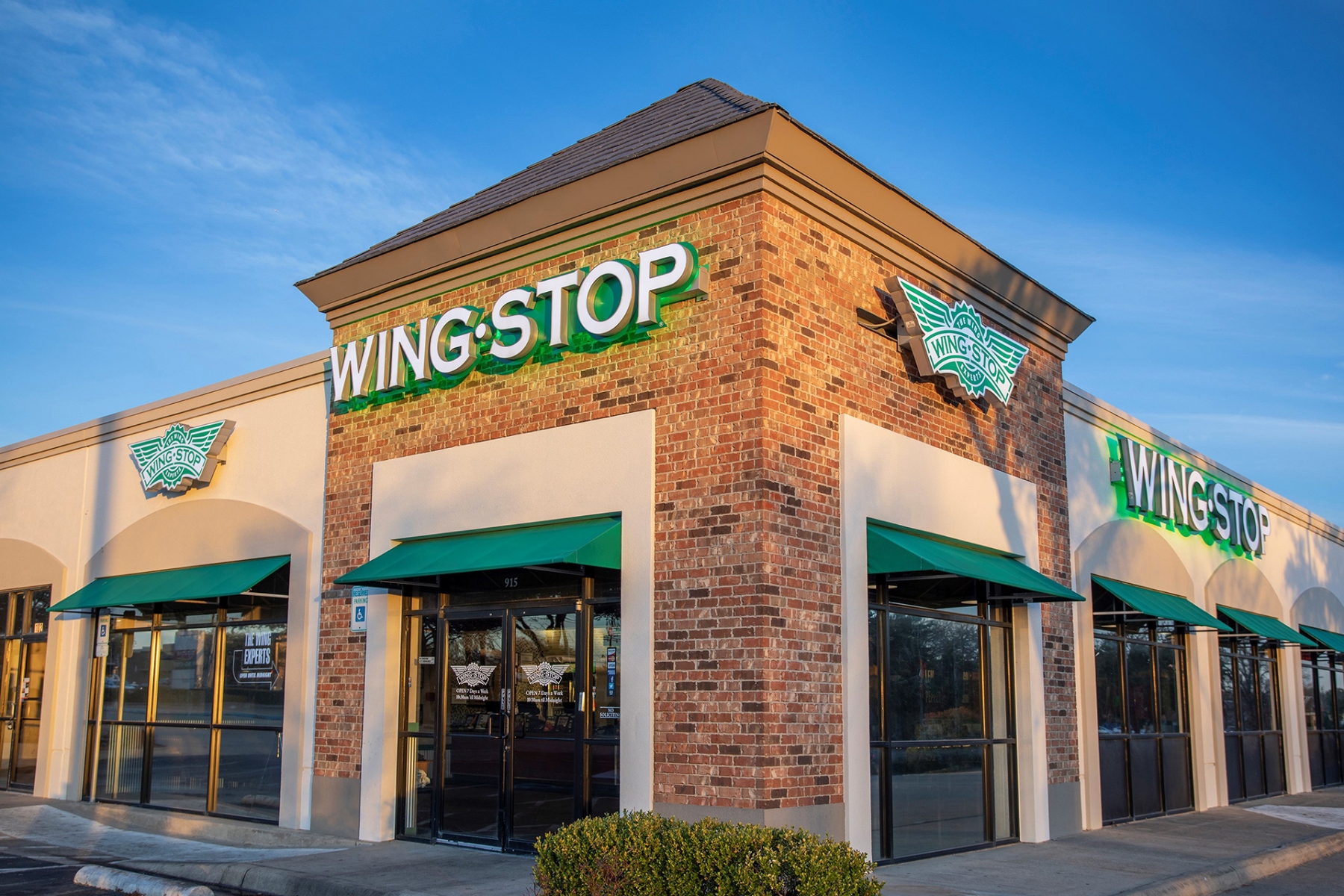
Wingstop turns match weeks into a multi-sensory festival, aligning bold pop-ups with World Cup energy to build brand affinity and measurable momentum.
May 15, 2026

Learn how to develop a memorable restaurant brand identity that stands out in a crowded market, attracts loyal customers, and drives repeat business with actionable strategies and affordable tools.
May 15, 2026
The parent company behind Dunkin', Buffalo Wild Wings, and Arby's has filed for an IPO a move that could reshape how Wall Street views the restaurant sector.
May 15, 2026
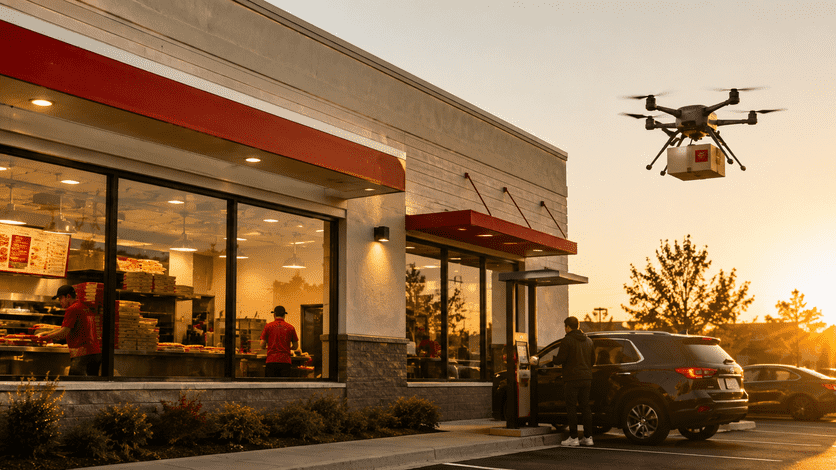
Papa Johns has teamed up with Alphabet's Wing for drone delivery of its new sandwich lineup in parts of Charlotte marking the first partnership of its kind between Wing and a national QSR brand.
May 15, 2026
Dirty soda chain Swig is expanding into Colorado through a 10-unit franchise deal, riding a consumer beverage trend that's catching the attention of major QSR players nationwide.
May 15, 2026
A warm, expert-led look at McDonald’s Q1 results, menu makeover, and the refranchise question shaping its growth.
May 14, 2026
A reflective look at Habit Ranch, its immersive desert activation, and what it signals for brand loyalty and mindful, experiential dining.
May 14, 2026

Unlock Exclusive Access To Webinars, Events, And The Latest News For Free!
Zaxby’s launches three signature sauces in stores and online, signaling a broader trend of turning restaurant flavors into at-home staples through a two-channel strategy.
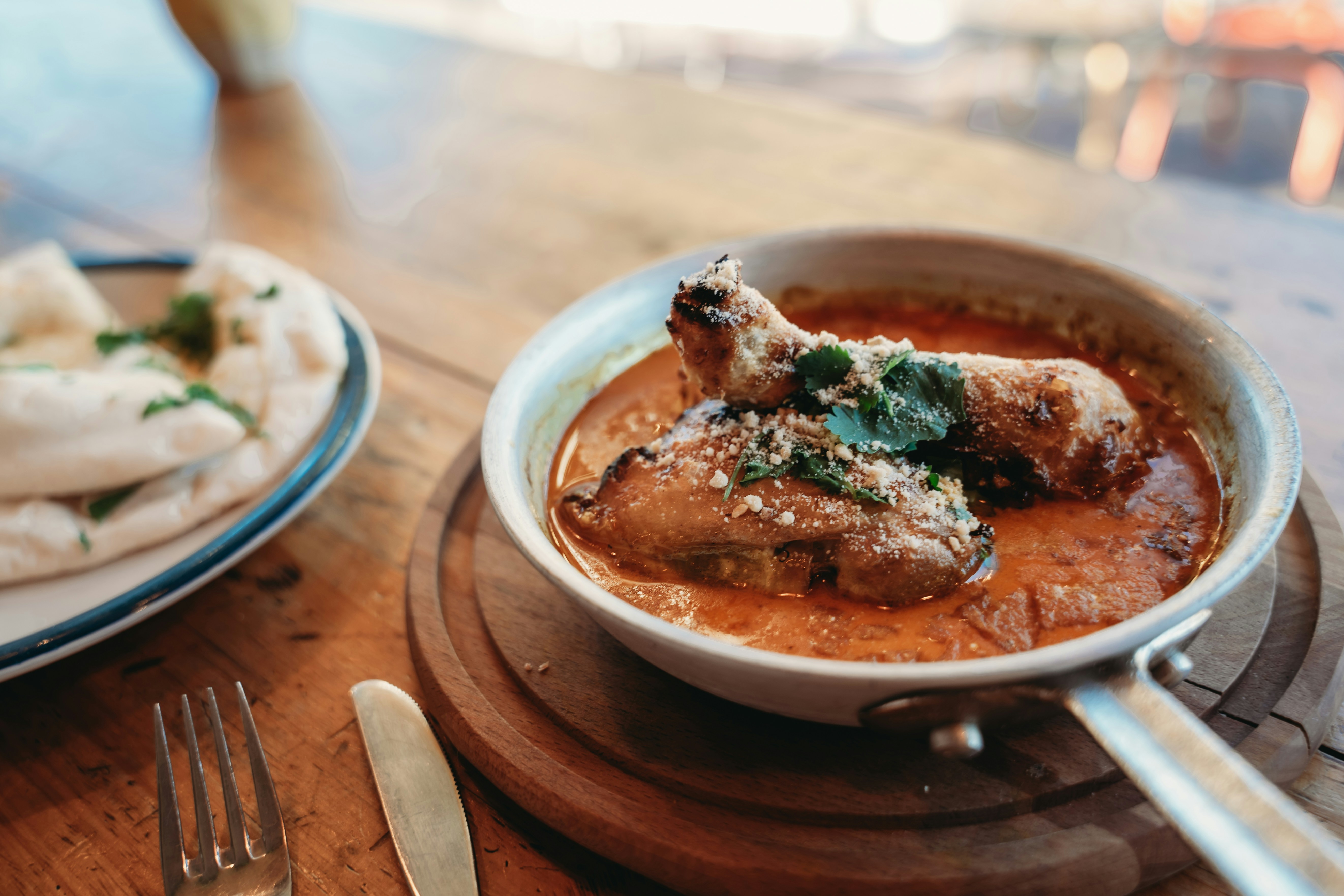
Photo by Jessie Maxwell
Zaxby’s is changing the playbook. The brand known for its drive-thru pockets is stepping into the grocery aisle with a deliberate, two-channel bet. It starts with three signature sauces—Zax Sauce, Spicy Zax Sauce, and Tongue Torch Sauce—packaged in 16-ounce bottles and lined up for regional shelves. The rollout targets the South and Southeast through Walmart, Kroger, and Winn Dixie, with nationwide access via Amazon. Prices hover around four to five dollars, a position designed to sit alongside premium grocery condiments rather than discount shelf staples. This is not a one-off product push. It’s a defined step toward keeping the flavors visible whether guests are dining out or cooking at home.
That trio is only the opening act: the sauces are drawn from a twelve-sauce portfolio, and the price point is designed to compete with premium grocery condiments rather than bargain-brand dressings. The regional rollout leans on the South and Southeast markets, leveraging Walmart, Kroger, and Winn Dixie’s shelf space while Amazon carries it nationwide. The brand sits on a restaurant footprint of roughly 950 locations, a scale management argues could translate shelf curiosity into dinner-table visits as awareness grows. That strategy hinges on regional testing before any broader push.
Beyond the headline, the rollout is a deliberate two-channel proof of concept. The three sauces—drawn from a twelve-sauce portfolio—arrive in 16-ounce bottles across the targeted retailers, with Amazon providing national reach. The regional test bed is meant to gauge home-cook enthusiasm and retail performance before a broader push. Industry data points to the scale at play: the chain operates more than 950 restaurants, a figure that could translate to meaningful grocery traffic and, in time, restaurant visits as familiarity deepens.
Alignment with the in-restaurant identity matters. The lineup mirrors the flavor DNA of the portfolio while entering the grocery channel at a price point designed to compete with premium condiments. The retailer network leverages Walmart and Kroger’s scale and Winn Dixie’s regional reach, with Amazon bridging the national gap. The broader plan is to test, learn, and scale—the kind of move that pairs the brand’s heritage with a modern, home-kitchen footprint.