How Much Does It Cost to Open a Coffee Shop in 2026?
Opening a coffee shop in 2026 requires careful cost planning across rent, equipment, labor, technology, menu strategy, marketing, and sustainability.
operations
May 15, 2026
Opening a coffee shop in 2026 requires careful cost planning across rent, equipment, labor, technology, menu strategy, marketing, and sustainability.
May 15, 2026
This AI playbook covers restaurant tools for voice ordering, staffing, compliance, menu pricing, inventory, marketing, ChatGPT prompts, and SEO.
May 15, 2026
Hardee’s giant Boddie-Noell inks 31-unit Scooter’s Coffee deal for NC and VA, leveraging drive-thru growth and local roots with rollout over 12–18 months.
May 15, 2026
Wingstop turns match weeks into a multi-sensory festival, aligning bold pop-ups with World Cup energy to build brand affinity and measurable momentum.
May 15, 2026
The parent company behind Dunkin', Buffalo Wild Wings, and Arby's has filed for an IPO a move that could reshape how Wall Street views the restaurant sector.
May 15, 2026
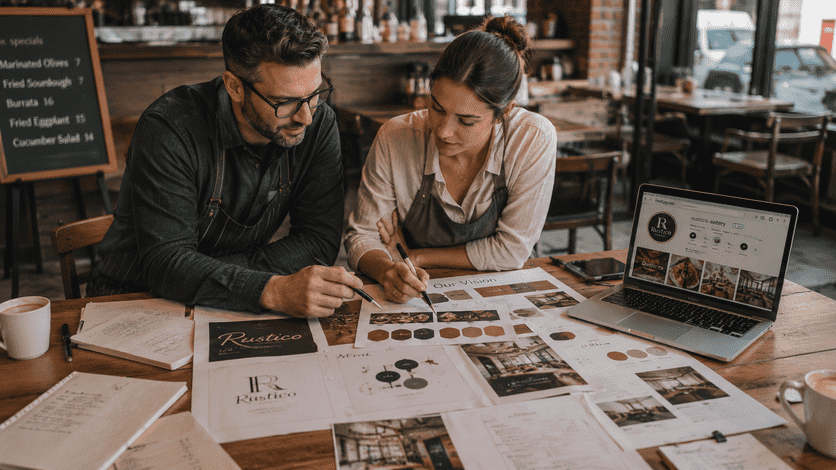
Learn how to develop a memorable restaurant brand identity that stands out in a crowded market, attracts loyal customers, and drives repeat business with actionable strategies and affordable tools.
May 15, 2026
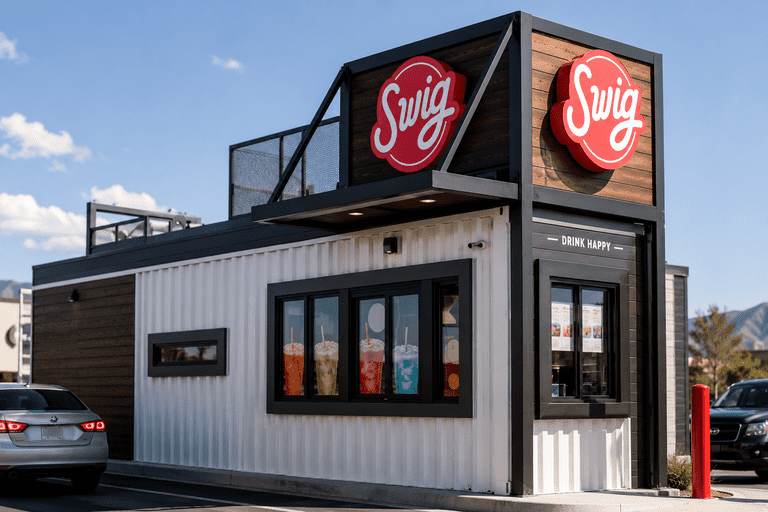
Dirty soda chain Swig is expanding into Colorado through a 10-unit franchise deal, riding a consumer beverage trend that's catching the attention of major QSR players nationwide.
May 15, 2026
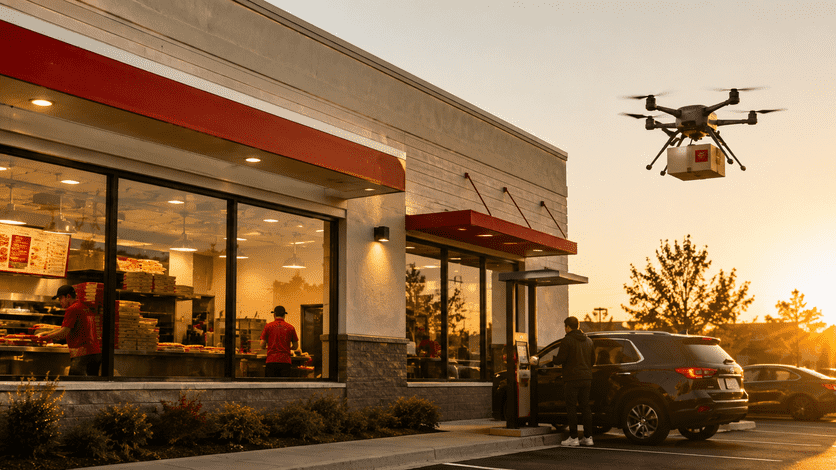
Papa Johns has teamed up with Alphabet's Wing for drone delivery of its new sandwich lineup in parts of Charlotte marking the first partnership of its kind between Wing and a national QSR brand.
May 15, 2026
A warm, expert-led look at McDonald’s Q1 results, menu makeover, and the refranchise question shaping its growth.
May 14, 2026
A reflective look at Habit Ranch, its immersive desert activation, and what it signals for brand loyalty and mindful, experiential dining.
May 14, 2026

Unlock Exclusive Access To Webinars, Events, And The Latest News For Free!
Zaxby’s consolidates loyalty and e-commerce under a Chief Digital Officer to deepen guest relationships and accelerate omnichannel growth.
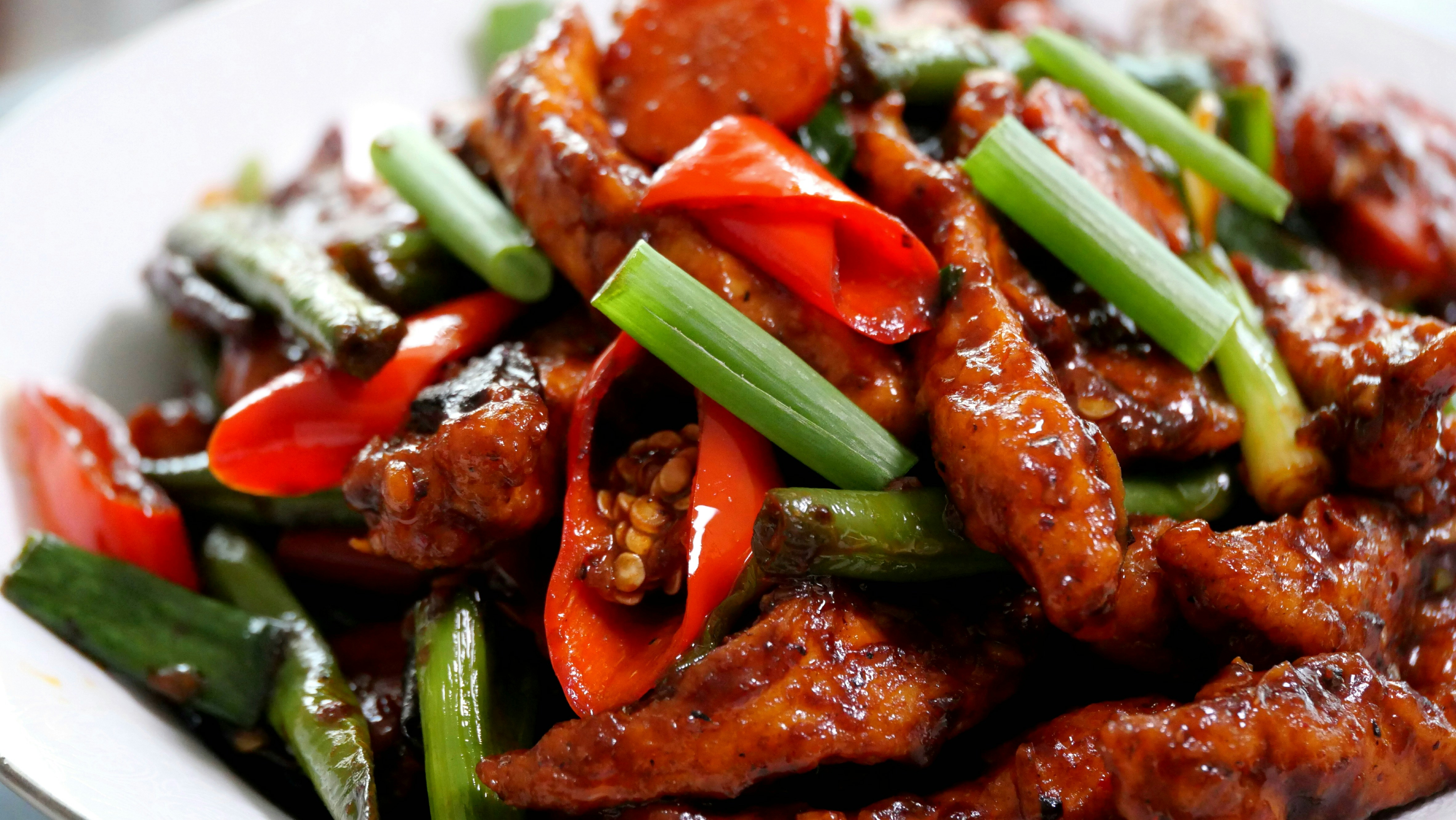
Photo by Deepak Surya
Zaxby’s is reshaping its growth narrative by carving out a dedicated Loyalty and e‑commerce division. At the helm stands Chris Kung, named Chief Digital Officer to guide this transformation, a decisive move that signals the brand’s intention to knit loyalty programs, digital ordering, and guest data into a single, disciplined engine. The reporting line to Kung underlines a centralized, data‑driven approach to digital engagement. As CEO Bernard Acoca has stressed, the aim is to deepen relationships as digital touchpoints proliferate along the guest journey. It is a strategic bet whose repercussions will ripple through the way stores operate and greet customers.
Beyond the reorganization, the division is charged with expanding the loyalty program, sharpening the mobile app, and accelerating e‑commerce as core growth engines. Real‑world experiments illustrate the philosophy: a 2,000-square-foot drive-thru‑only location in Laurel, Mississippi, opened in July to prioritise digital ordering and pickup efficiency. In Hoover, Alabama, the brand’s first franchised unit debuted as a to-go‑only format in 2023, following earlier prototypes in 2022 and 2023. Taken together, these formats translate into new store designs and guest experiences, reinforcing an omnichannel approach the division is built to scale.
Why the Loyalty Division? The logic rests on the belief that omnichannel growth requires deliberate organizational focus. The restructuring treats Loyalty programs, mobile apps, and online ordering not as add-ons but as central pillars of long‑term success. The pattern mirrors an industry tendency to elevate digital leadership in order to coordinate cross‑functional efforts—an approach increasingly seen as essential to maintaining relevance among digitally empowered guests.
That shift follows an industry pattern of elevating digital leadership to coordinate cross‑functional efforts—an approach increasingly seen as essential to maintaining relevance among digitally empowered guests. Within Zaxby’s, the hope is that weaving loyalty and e‑commerce into one coherent engine will yield deeper guest connections and more predictable growth.
At the operational level, the Loyalty & e‑Commerce Team will merge functions that once resided in technology and marketing, forging a more cohesive guest experience. The division’s mandate is to expand the loyalty program, enhance the mobile app, and accelerate e‑commerce growth as core growth engines.
Zaxby’s has demonstrated the philosophy in action through digital‑first formats: a July opening of a Laurel, Mississippi location on a roughly 2,000-square-foot footprint designed around digital ordering and curbside pickup; and earlier prototypes in 2022 and 2023 culminating in the Hoover, Alabama to-go‑only unit in 2023. These pilots map how digital strategy informs store design and service flow, illustrating the omnichannel spine that the new division is expected to scale across the system.
Public statements surrounding the rollout anchor the strategy with a measured tone. In a July 23, 2024 PR Newswire release, Chris Kung, noted for leading Dollar General’s digital transformation, was named to steer Zaxby’s new team. The materials emphasize the potential to weave loyalty and e‑commerce as central growth vectors. “Elevating the digital guest experience” became a refrain for Kung, who spoke of raising the bar for how guests interact with the brand online and in‑app. Acoca framed the mandate as a pathway to stronger guest connections as digital touchpoints expand across the journey.
From a practical vantage, the timeline traces a brisk arc: the appointment was announced on July 23, 2024, with Kung reporting to Acoca and joining Zaxby’s in mid‑July 2024. The Laurel drive‑thru‑only location opened July 8, 2024 on a roughly 2,000-square-foot footprint. The Hoover unit had already introduced a to-go‑only concept in 2023, following prototypes in 2022 and 2023. Together, these milestones sketch a concrete shift toward digitally enabled, convenience‑driven formats.
Zaxby’s move sits within a broader industry pattern toward formalized digital leadership. In the United States, KFC U.S. appointed a Chief Digital Officer in 2023, and Denny’s has pursued leadership changes to drive technology and growth initiatives. Yum Brands and CKE have introduced executive roles that merge digital, technology, and growth functions in recent periods, signaling a competitive push to connect data, loyalty, and personalized service across digital platforms. Industry observers see these roles as a natural response to intensifying competition in loyalty and digital commerce, where brands seek to unify data across channels and deliver seamless, personalized experiences at scale. Behind the industry’s forward march lies Byte by Yum!, a proprietary AI‑driven platform designed to unify digital ordering, data analytics, and operations across Yum Brands’ portfolio.
This evolution reflects a broader bet on data integration and AI to sustain growth, while the industry looks on for how such tools translate into real, measurable benefits across brands and channels.
Yet the clarity of the picture remains incomplete. Public metrics on the direct ROI of Zaxby’s Loyalty & e‑Commerce division have yet to be disclosed, and the speed at which omnichannel adoption translates into revenue growth will hinge on execution across stores, guest adoption of digital tools, and the ability to translate data into personalized experiences at scale. Analysts will watch future earnings communications for concrete indicators of lift in digital sales, app engagement, and loyalty enrollment. The broader context of Byte by Yum!’s rollout and AI collaborations suggests a trend toward data‑driven personalization and automated efficiency, but the exact impact at Zaxby’s will emerge over time.
The takeaway for the industry is clear: leadership that champions loyalty, digital channels, and data‑driven guest experiences is becoming a central growth engine. As brands like KFC U.S. formalize digital roles, omnichannel experiences—from app-based rewards to AI‑assisted ordering—are expected to cohere under a shared digital spine, such as Byte by Yum!, shaping how guests are known, rewarded, and understood at scale.