How Much Does It Cost to Open a Coffee Shop in 2026?
Opening a coffee shop in 2026 requires careful cost planning across rent, equipment, labor, technology, menu strategy, marketing, and sustainability.
operations
May 15, 2026
Opening a coffee shop in 2026 requires careful cost planning across rent, equipment, labor, technology, menu strategy, marketing, and sustainability.
May 15, 2026

This AI playbook covers restaurant tools for voice ordering, staffing, compliance, menu pricing, inventory, marketing, ChatGPT prompts, and SEO.
May 15, 2026

Hardee’s giant Boddie-Noell inks 31-unit Scooter’s Coffee deal for NC and VA, leveraging drive-thru growth and local roots with rollout over 12–18 months.
May 15, 2026

Wingstop turns match weeks into a multi-sensory festival, aligning bold pop-ups with World Cup energy to build brand affinity and measurable momentum.
May 15, 2026

The parent company behind Dunkin', Buffalo Wild Wings, and Arby's has filed for an IPO a move that could reshape how Wall Street views the restaurant sector.
May 15, 2026

Learn how to develop a memorable restaurant brand identity that stands out in a crowded market, attracts loyal customers, and drives repeat business with actionable strategies and affordable tools.
May 15, 2026

Dirty soda chain Swig is expanding into Colorado through a 10-unit franchise deal, riding a consumer beverage trend that's catching the attention of major QSR players nationwide.
May 15, 2026

Papa Johns has teamed up with Alphabet's Wing for drone delivery of its new sandwich lineup in parts of Charlotte marking the first partnership of its kind between Wing and a national QSR brand.
May 15, 2026

A warm, expert-led look at McDonald’s Q1 results, menu makeover, and the refranchise question shaping its growth.
May 14, 2026

A reflective look at Habit Ranch, its immersive desert activation, and what it signals for brand loyalty and mindful, experiential dining.
May 14, 2026

Unlock Exclusive Access To Webinars, Events, And The Latest News For Free!
A measured overture from ACT to Seven & i stirs questions about value, governance, and the future of global convenience.
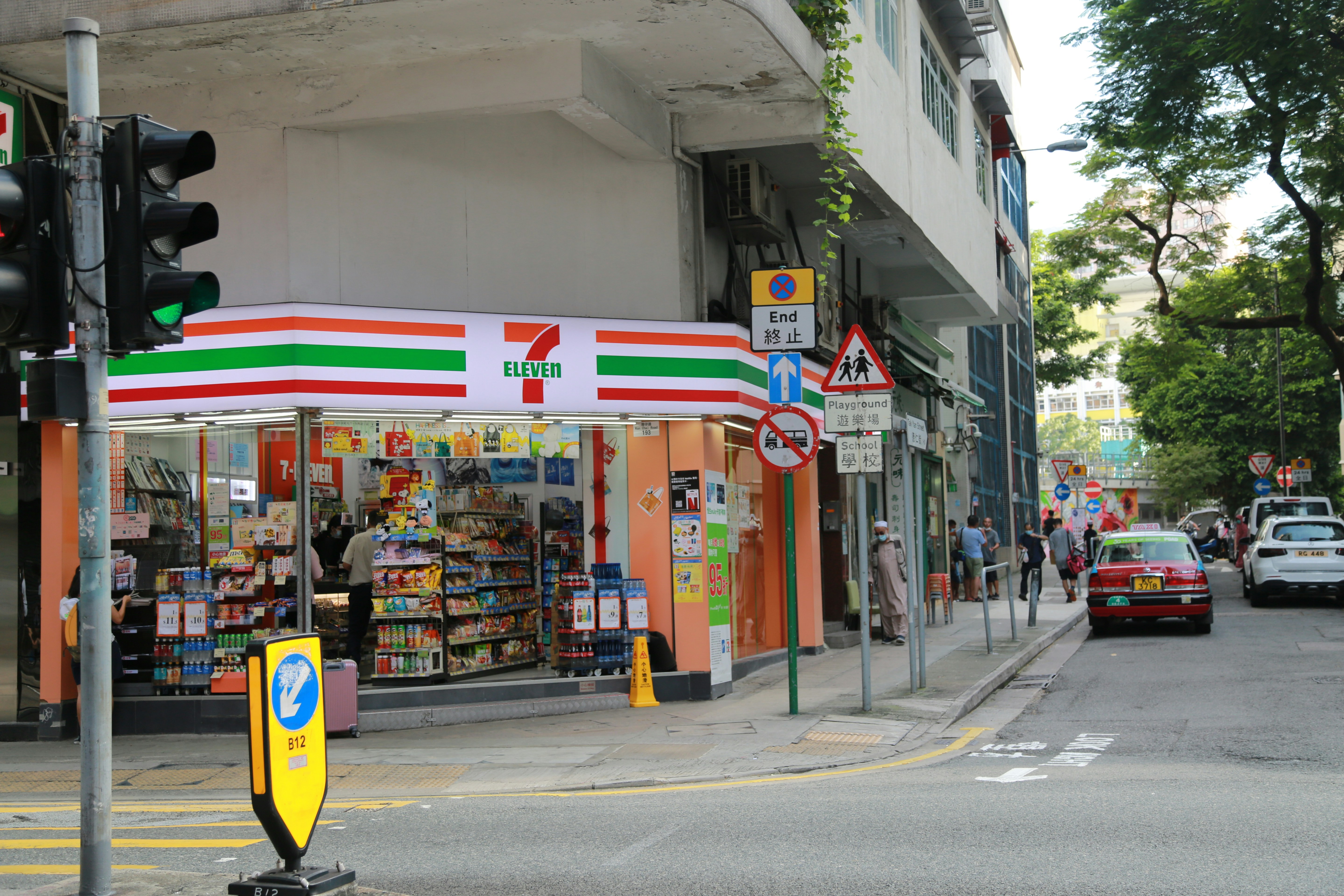
Photo by Alison Pang
On a quiet business morning, the air carried the soft tremor of big news. ACT, the parent of Circle K, sent word of a 'friendly,' nonbinding offer to acquire all shares of Seven & i Holdings, the umbrella of 7-Eleven. It arrived as a hypothesis rather than a verdict, a moment for two global players to imagine what a combined footprint might feel like at the counter and in the boardroom. The mood was cautious and hopeful all at once: a possibility, not a promise, with no certainty that agreement would emerge. And so the conversation began, inviting reflection from customers, employees, and shareholders alike.
Seven & i's board answered with measured calm: a special committee of independent outside directors, chaired by Stephen Hayes Dacus, would conduct a prompt, careful, and comprehensive review of the proposal, the company's standalone plans, and other value-enhancing alternatives. The arrangement remains nonbinding and confidential at this stage, with no disclosed financial terms or timelines. Seven & i said the committee would report back with a response after the review, and no public announcements would be made unless an agreement emerged. This careful pace reflects the gravity of a possible cross-border shift and the risks of disruption to a sprawling network.
The numbers behind the talks reveal a map of scale that makes any merger talk feel tangible. Seven & i Holdings oversees 7-Eleven operations in Irving, Texas, and its reach spans over 83,000 stores across 19 countries and regions, with more than 13,000 locations in the United States alone. Alongside 7-Eleven, the group manages Speedway, Stripes, Laredo Taco Company, Speedy Café, and Raise the Roost Chicken and Biscuits. By contrast, ACT, based in Laval, Quebec, commands Circle K with more than 16,700 stores in 29 countries, including over 7,100 U.S. outlets. Together, the two networks hint at meaningful synergies but also invite intense regulatory scrutiny. The terms remained nonbinding and undisclosed, leaving the market to read the signals.
- Regulatory approvals – Cross-border antitrust reviews in multiple jurisdictions could require divestitures or careful tailoring of the deal to fit regulatory expectations.
- Operational integration – Aligning store formats, supply chains, and governance across continents would demand deliberate planning and shared standards.
- Valuation and timing – The path would hinge on due diligence, potential timelines, and how rapidly financing and structuring could be finalized.
The arrangement places a nonbinding, confidential approach around a broader strategic review. ACT's proposal remains nonbinding at this stage, with no disclosed financial terms or timelines. Seven & i has created an independent special committee to scrutinize the proposal, its standalone plans, and other value-enhancing alternatives before responding to ACT. The process contemplates standard steps such as due diligence, potential definitive agreement(s), and regulatory clearances, including antitrust reviews and related jurisdictional checks. Financing the transaction and the possibility of divestitures would also factor into any path forward.
1. Due Diligence – Detailed assessment of operations, assets, liabilities, and growth opportunities to frame the value of the combined entity.
2. Potential Definitive Agreement – If talks progress, a formal agreement would be drafted with terms, contingencies, and integration plans.
3. Regulatory Clearances – Antitrust approvals and jurisdictional reviews that could shape divestitures or restructuring.
Reactions from both sides framed the move as a value-driven opportunity, with ACT highlighting the potential to build a global convenience champion that would better serve customers, employees, and shareholders. Seven & i emphasized a prompt, careful, and comprehensive review by its independent special committee, underscoring the seriousness of the process. The tone across adviser commentary and industry coverage suggested patience and prudence as essential ingredients in any path forward.
Industry and market observers also noted that activity shifted in mid-2025 when ACT publicly signaled a withdrawal of the proposal, signaling a pause in momentum while 7&i continued its engagement and succession planning. The unfolding dynamic highlighted how cross-border interests, family governance, and strategic reorientation can reshape timelines and expectations for both sides and their stakeholders.
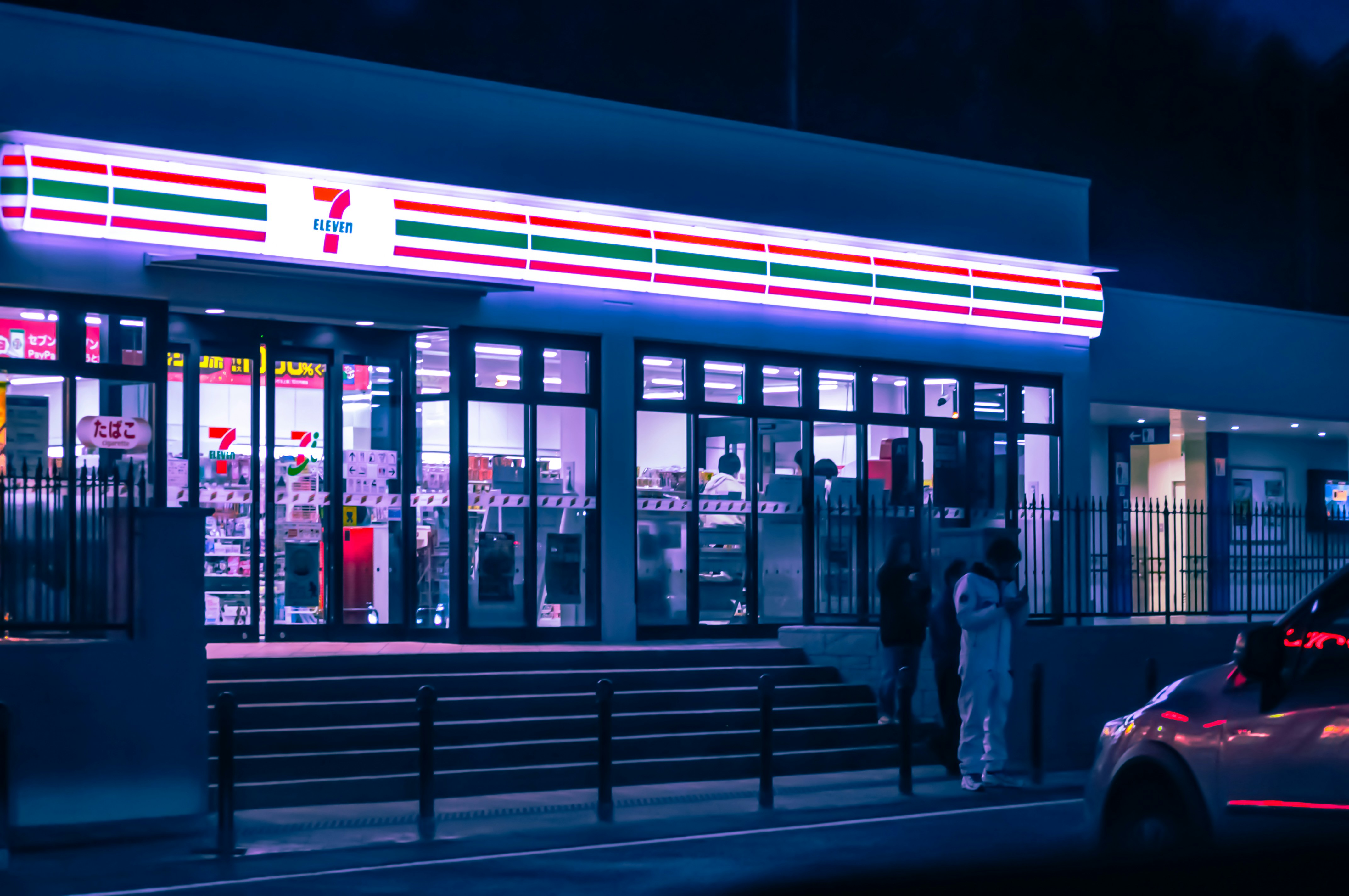
Looking ahead, the episode carries implications for the broader global convenience market. A revived or reimagined approach—whether through renewed talks, asset divestitures, or strategic partnerships—would ripple through supplier negotiations, franchisee arrangements, and international expansion plans. The scale of Seven & i and Circle K would force regulators to weigh the benefits of efficiency against the risks of market concentration, after which stakeholder value becomes a shared responsibility across continents.
Beyond the headlines, Seven & i has signaled ongoing succession planning and strategic initiatives to enhance corporate value for shareholders and stakeholders. The dialogue around what comes next leaves room for scenarios like asset divestitures, partnerships, or a renewed approach that balances growth with regulatory caution. The 2026 horizon will be shaped by how these giants navigate growth, risk, and the needs of thousands of store-level operators, all while preserving the sense of ease and hospitality that customers expect in everyday visits.