How Much Does It Cost to Open a Coffee Shop in 2026?
Opening a coffee shop in 2026 requires careful cost planning across rent, equipment, labor, technology, menu strategy, marketing, and sustainability.
operations
May 15, 2026
Opening a coffee shop in 2026 requires careful cost planning across rent, equipment, labor, technology, menu strategy, marketing, and sustainability.
May 15, 2026

This AI playbook covers restaurant tools for voice ordering, staffing, compliance, menu pricing, inventory, marketing, ChatGPT prompts, and SEO.
May 15, 2026

Hardee’s giant Boddie-Noell inks 31-unit Scooter’s Coffee deal for NC and VA, leveraging drive-thru growth and local roots with rollout over 12–18 months.
May 15, 2026

Wingstop turns match weeks into a multi-sensory festival, aligning bold pop-ups with World Cup energy to build brand affinity and measurable momentum.
May 15, 2026

The parent company behind Dunkin', Buffalo Wild Wings, and Arby's has filed for an IPO a move that could reshape how Wall Street views the restaurant sector.
May 15, 2026

Learn how to develop a memorable restaurant brand identity that stands out in a crowded market, attracts loyal customers, and drives repeat business with actionable strategies and affordable tools.
May 15, 2026

Dirty soda chain Swig is expanding into Colorado through a 10-unit franchise deal, riding a consumer beverage trend that's catching the attention of major QSR players nationwide.
May 15, 2026

Papa Johns has teamed up with Alphabet's Wing for drone delivery of its new sandwich lineup in parts of Charlotte marking the first partnership of its kind between Wing and a national QSR brand.
May 15, 2026

A warm, expert-led look at McDonald’s Q1 results, menu makeover, and the refranchise question shaping its growth.
May 14, 2026

A reflective look at Habit Ranch, its immersive desert activation, and what it signals for brand loyalty and mindful, experiential dining.
May 14, 2026

Unlock Exclusive Access To Webinars, Events, And The Latest News For Free!
A refined look at how Wendy’s blends app-led loyalty with in-store speed to grow amid a softened market.
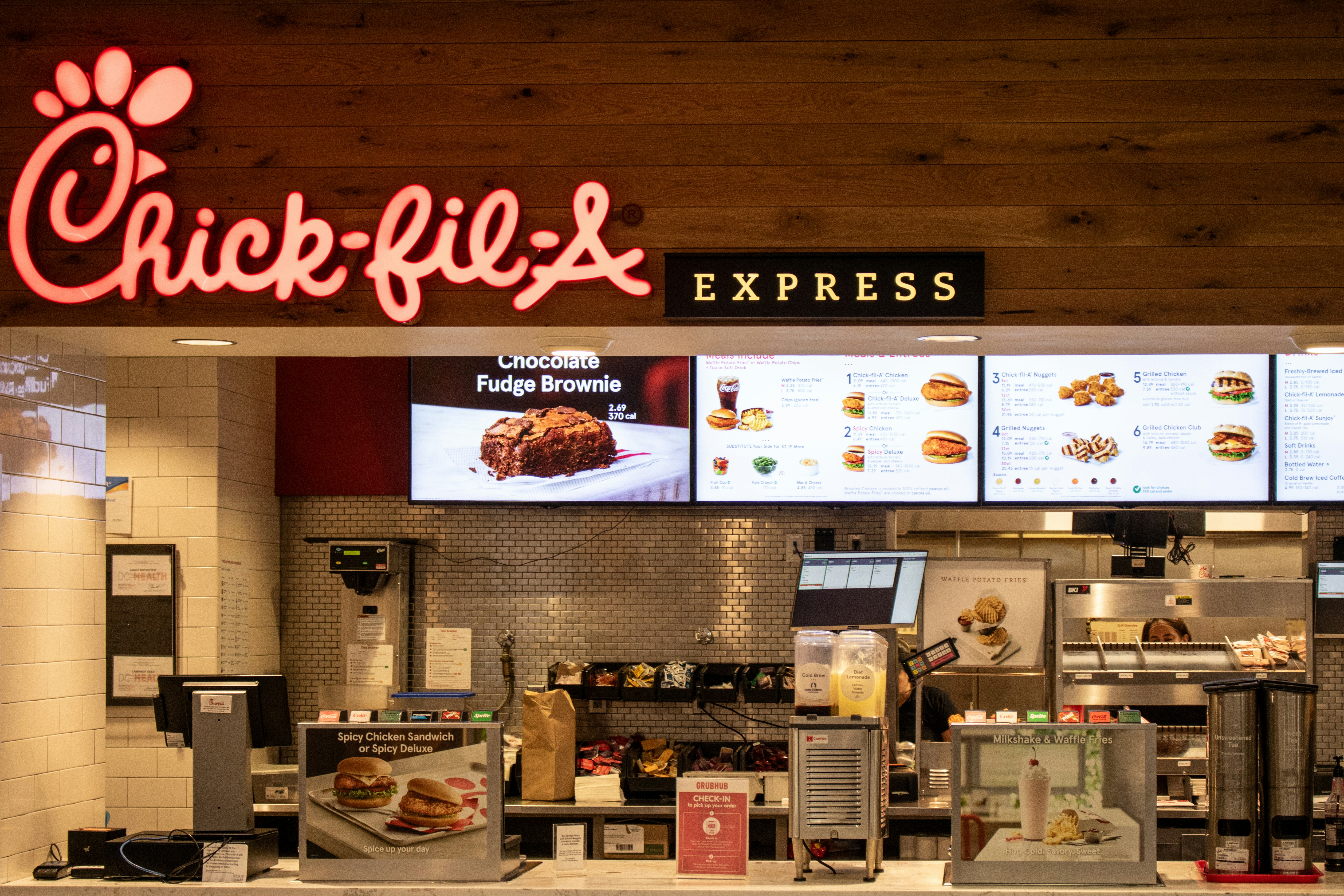
Photo by Zoshua Colah
Amid a broader slowdown in quick-service traffic, Wendy's has chosen a patient, artful path rather than a sudden pivot. The brand’s growth narrative leans on a quiet alchemy: digital convenience that does not merely chase clicks but translates into repeat visits through reliable, on-the-ground performance. In the first quarter of 2024, the app reached six million monthly active users, a rise of more than forty percent from the prior quarter. This isn’t a story of digital vanity, but of a dual engine—where mobile journeys meet the speed and accuracy of in-store service—designed to deepen loyalty even as the market softens. The questions this raises are precise and essential: how far can one hand feed the other?
At the heart of this approach lies a careful choreography: digital guest journeys that guide a guest from app to counter, paired with in-store execution that makes the order fast, accurate, and enjoyable to eat. Wendy's leadership frames these priorities as mutually reinforcing rather than competing levers. The early signals suggest that online activity translates into real-world visits and satisfaction when the two sides stay in step. In a broader industry ballet, brands that marry digital precision with dependable service tend to outlast those who lean too hard on one axis. Wendy's, in short, is testing a thesis: the wheel turns most smoothly when technology and operation move as one.
Against a backdrop of industry-wide traffic headwinds, Wendy's presses forward with a digital-first growth plan anchored in the app and its loyalty ecosystem. The Q1 2024 results spotlight continued investment in digital channels and a trajectory framed as part of a longer-term strategy to drive engagement and revenue. The stakes extend beyond clicks: a robust loyalty program—reportedly more than 40 million rewards members—forms the backbone for personalized offers and repeat visits. Management signals ambition: global digital sales should exceed $2 billion this year, a target that presses discipline into both platform and store operations.
Behind this forward march lies a dual engine: digital commerce that makes ordering effortless and loyalty matter, coupled with in-store execution that delivers speed, accuracy, and pleasure in the dining experience. The emphasis on digital guest journeys and efficient store operations is designed to convert online activity into one-visit-turned-fan visits. The broader aim is growth acceleration through digital channels that translate into real revenue, with management forecasting global digital sales surpassing the $2 billion mark in the year ahead.
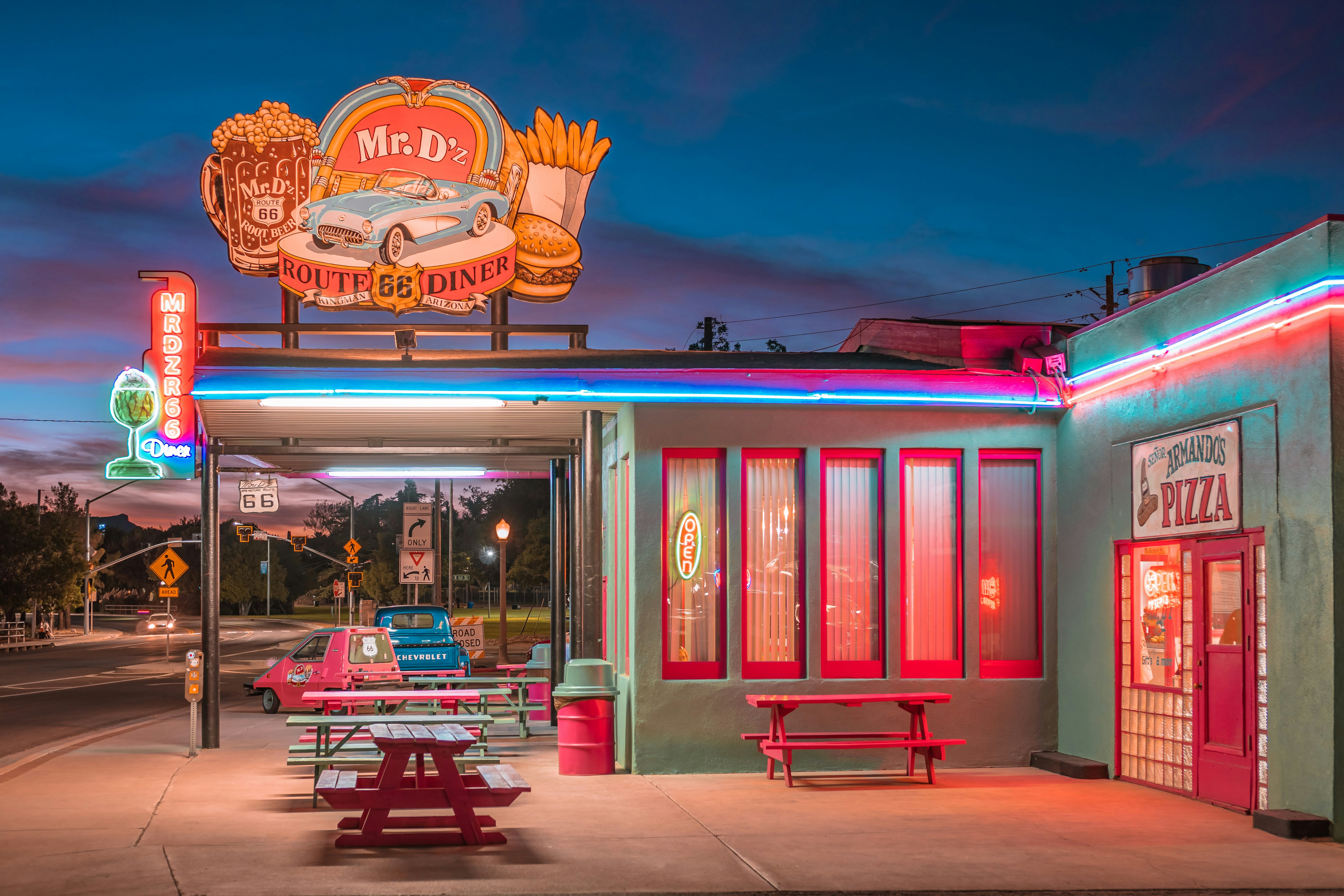
How the blend operates reads like a contemporary fable of efficiency: a dual-engine model that aligns digital capability with tangible, in-store satisfaction. The emphasis is not merely on collecting data, but on guiding a guest along a seamless journey—from a lustrous app screen to a precise, warmly executed order. Executives stress that digital guest journeys and store operations are not silos but two faces of the same coin. The parallel example of peers pursuing speed-to-service initiatives underscores a universal truth: a digital impulse is only as valuable as the hands that fulfill it.
Notably, Starbucks has rolled out the Siren Craft System, a suite of processes designed to speed beverage crafting as digital volumes rise. The point is not novelty but the discipline of fulfillment: brands attract orders online, then deliver them with dependable speed. When the balance is achieved, guests reward the brand with loyalty and repeat visits.
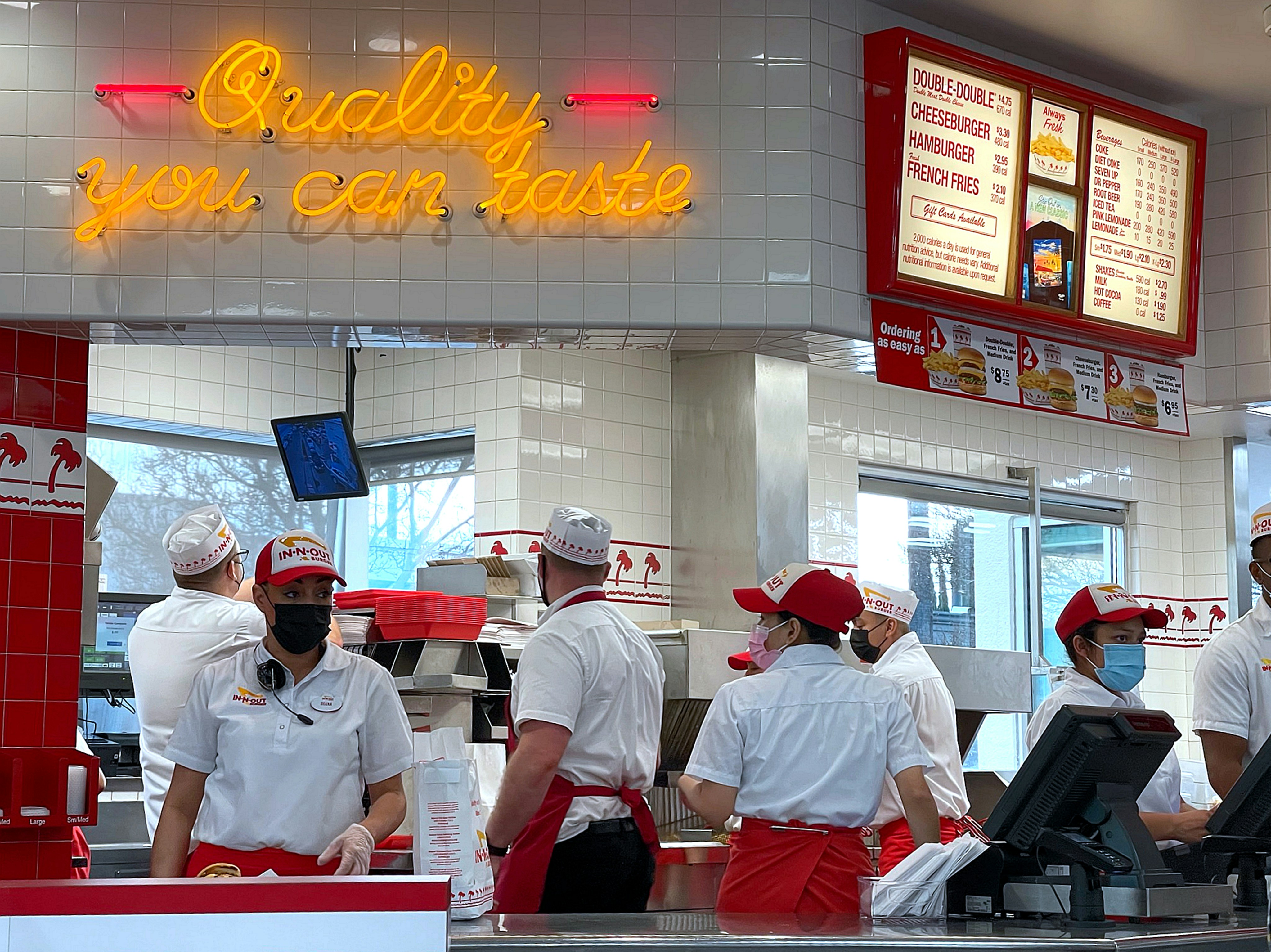
Representatives have highlighted that accurate ordering, fast service, and high-quality mobile app experiences collectively influence customer satisfaction, though not all factors carry equal weight. Industry commentary stresses the need for practical improvements behind the scenes as much as online upgrades. A noted executive perspective from the period suggests that some components of the journey weigh more than others, yet all contribute to a satisfied guest. This framing helps explain why Wendy's results hinge on both app performance and in-store execution working in concert, not in isolation.
Behind the optimism lies a calculus of priorities. While the app can tempt with frictionless ordering, the on-site team must translate intent into reliable fulfillment. The emphasis on practical improvements behind the scenes is as vital as the latest online upgrade. Executives acknowledge that some components of the journey weigh more than others, but all contribute to a satisfied guest. The broader message for operators: nurture the human systems—training, scheduling, and consistency—so technology becomes a bridge rather than a barrier.
Numbers tell a patient, persuasive story: six million MAUs on the app, a 40% quarter-over-quarter lift, and a community of more than 40 million rewards members. Executives maintain that digital channels will continue to power growth, with expectations that global digital sales will surpass $2 billion in 2024. In context, these signals reflect an integrated strategy—one that seeks to extend loyalty, lift order accuracy, and translate online interest into repeat visits while market traffic softens.
Industry context lines Wendy's narrative alongside peers who face a universal pressure: demand generated online must be matched by store throughput. In the case of Starbucks, a portion of mobile orders remained uncompleted—mid-teens—enough to trigger process innovations to speed up beverage crafting and tighten service times. The Siren Craft System becomes a tactical reminder: digital momentum favors brands that also sustain operational discipline. The takeaway is not inevitability of friction but the necessity of alignment.
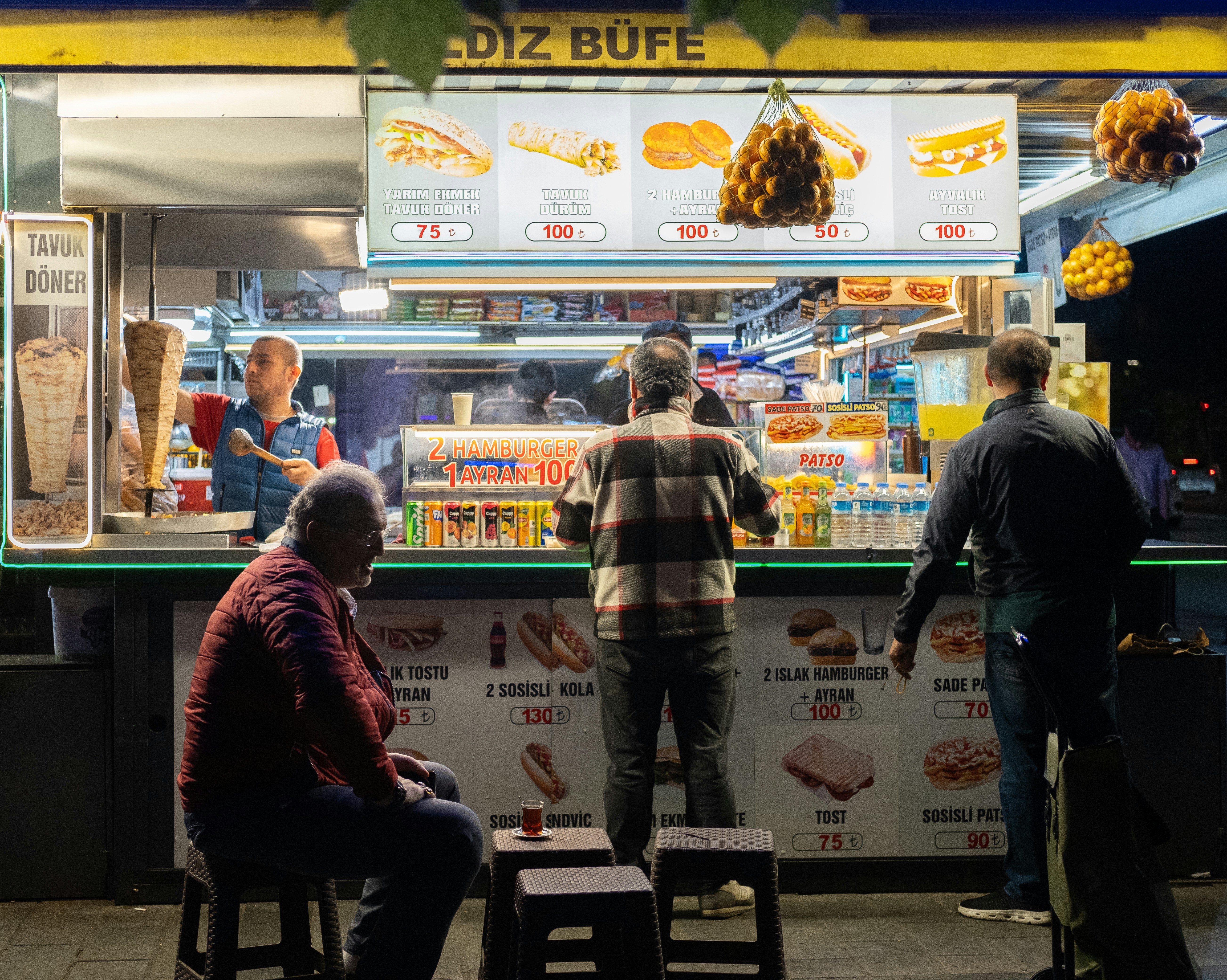
From this vantage, Wendy's offers a blueprint for fast-casual brands navigating a slower terrain: fuse user-friendly technology with fast, reliable service until a seamless guest journey becomes the expected norm. The aim is not flash but cohesion: an experience where a digital impulse reliably leads to a satisfying physical moment. As laboratories of loyalty continue to explore automation, scheduling, and personalization, the aspirational horizon is clear: a guest journey so cohesive that loyalty no longer feels optional.
Uncertainties linger—labor costs, competition, macro shifts—but the path is defined by disciplined integration. Wendy's demonstrates that growth in a soft market belongs to those who harmonize the promise of apps with the craft of in-store execution. The final impression is one of resilience built on cohesion: digital warmth meeting human precision, turning every visit into a habit.