AI Playbook for Restaurant Owners
This AI playbook covers restaurant tools for voice ordering, staffing, compliance, menu pricing, inventory, marketing, ChatGPT prompts, and SEO.
tech
May 15, 2026
This AI playbook covers restaurant tools for voice ordering, staffing, compliance, menu pricing, inventory, marketing, ChatGPT prompts, and SEO.
May 15, 2026

Opening a coffee shop in 2026 requires careful cost planning across rent, equipment, labor, technology, menu strategy, marketing, and sustainability.
May 15, 2026

Hardee’s giant Boddie-Noell inks 31-unit Scooter’s Coffee deal for NC and VA, leveraging drive-thru growth and local roots with rollout over 12–18 months.
May 15, 2026

Wingstop turns match weeks into a multi-sensory festival, aligning bold pop-ups with World Cup energy to build brand affinity and measurable momentum.
May 15, 2026

Learn how to develop a memorable restaurant brand identity that stands out in a crowded market, attracts loyal customers, and drives repeat business with actionable strategies and affordable tools.
May 15, 2026

The parent company behind Dunkin', Buffalo Wild Wings, and Arby's has filed for an IPO a move that could reshape how Wall Street views the restaurant sector.
May 15, 2026

Papa Johns has teamed up with Alphabet's Wing for drone delivery of its new sandwich lineup in parts of Charlotte marking the first partnership of its kind between Wing and a national QSR brand.
May 15, 2026

Dirty soda chain Swig is expanding into Colorado through a 10-unit franchise deal, riding a consumer beverage trend that's catching the attention of major QSR players nationwide.
May 15, 2026

A warm, expert-led look at McDonald’s Q1 results, menu makeover, and the refranchise question shaping its growth.
May 14, 2026

A reflective look at Habit Ranch, its immersive desert activation, and what it signals for brand loyalty and mindful, experiential dining.
May 14, 2026

Unlock Exclusive Access To Webinars, Events, And The Latest News For Free!
Walmart teams with Mr. Gatti’s to open 92 compact pizza outlets inside stores, blending quick-service dining with everyday shopping.
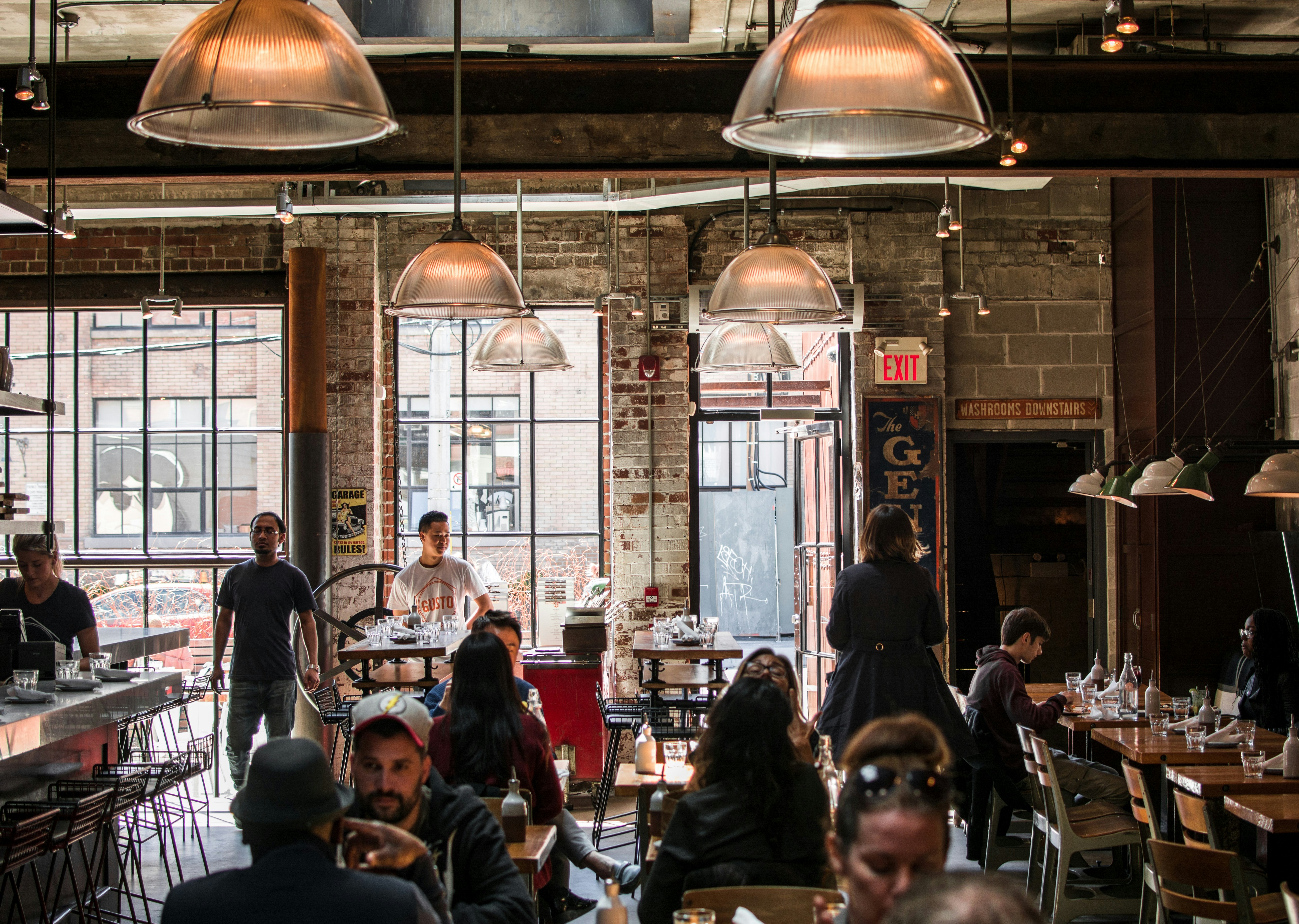
Photo by Nick Hillier
Walmart is betting that stores can be more than checkout lanes and bulk aisles. The retailer teams with Mr. Gatti’s Pizza to bring hot, ready-to-eat meals into 92 locations across Texas, Louisiana, Oklahoma, and Kentucky. It’s not a one-off promotion; it’s a larger bet that shopping trips become multi-stop experiences. By weaving pizza into the store, Walmart leans into speed, convenience, and family dining instead of turning aisles into a food court. Mr. Gatti’s, a Fort Worth-based brand with hundreds of locations, will operate compact storefronts sized at 800–1,500 square-foot, tucked inside existing footprints. The goal: in-store dining as a core differentiator in a crowded landscape.
What the setup looks like in practice: the spaces are deliberately compact off-site outlets that sit inside the broader Walmart footprint, designed to keep planning tight and build-out quick. The 800–1,500 square-foot footprint balances familiar branding with fast service, enabling faster expansion cycles and lower capital needs per unit. Mr. Gatti’s leverages its regional appeal in the South and Southwest while tapping Walmart’s nationwide platform, a combo many see as a template for other non-traditional store partnerships. For shoppers, the aim is straightforward: more convenient, ready-to-eat meals during busy days without upending the core shopping flow.
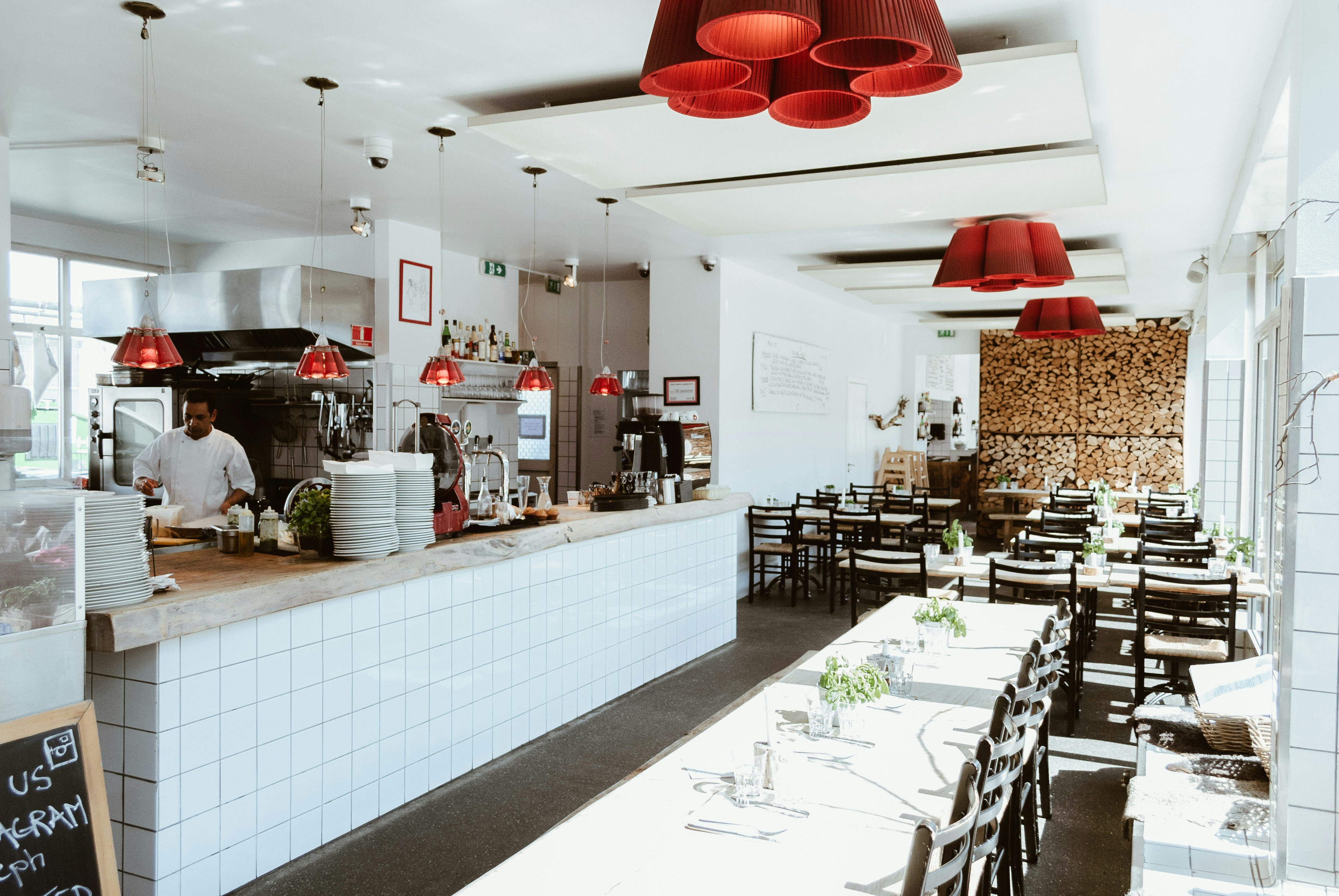
Inside Walmart, the strategy centers on compact, off-site dining spaces rather than full-blown restaurants. This modular setup speeds everything from permitting to opening, a big win for a brand that wants to grow fast without heavy capital. The 800–1,500 square-foot footprint is a careful middle ground—recognizable branding and a quick-service rhythm, but small enough to fit within existing store layouts. The goal isn’t to compete with the grocery aisles; it’s to add a dining option that preserves the store’s rhythm while inviting families to linger longer and, yes, cross-shop on the way out.
That balance also helps Walmart scale in a cost-aware way. The rollout uses a phased approach to minimize disruption while maximizing convenience. In practice, the deal plants Mr. Gatti’s in markets where it already has strong followings—particularly in the South and Southwest—so the brand can grow without losing its identity. For the retailer, the move reinforces the store as a community hub and a place where a quick meal can fit neatly into a family’s routine.
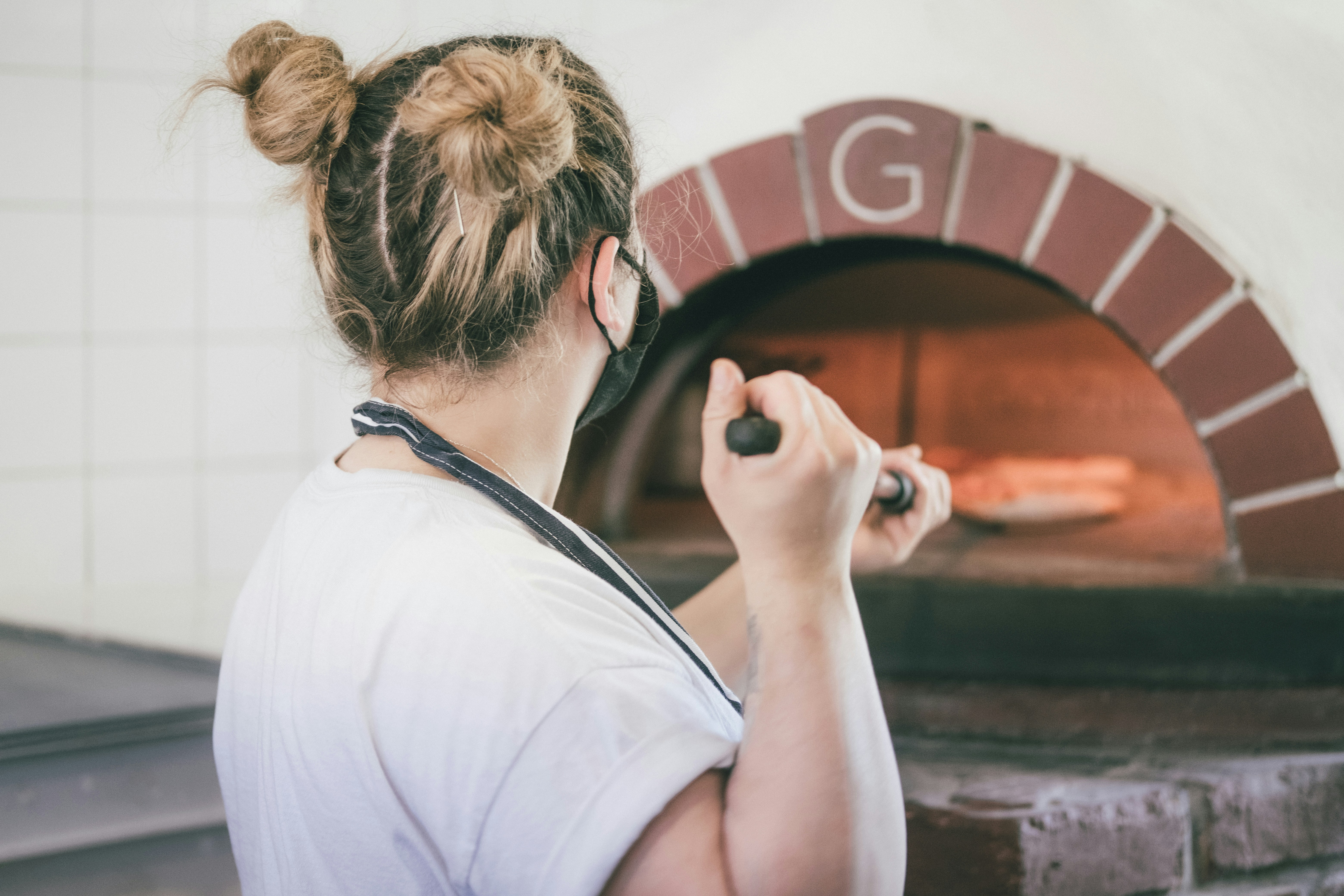
Mr. Gatti’s leadership frames the Walmart partnership as a pivotal growth accelerant. The rollout is seen not just as more stores, but as a way to reach families where they shop for groceries and meals alike. The executives describe a multi-channel growth path—less reliant on malls or standalone sites, more about weaving the brand into people’s daily routines. The message is pragmatic and upbeat: faster scale, more touchpoints, and closer ties to local communities.
With Walmart, the partnership stands to deepen loyalty for both sides. For Mr. Gatti’s, the channel offers immediate footprint and revenue without the overhead of a new standalone restaurant. For Walmart, the dining option strengthens the store’s value proposition and supports its Store of the Future ambitions—turning the retail floor into a more complete community destination where families can grab a meal while running errands.
From a timeline perspective, the rollout moved with a brisk cadence. The plan started with 92 total units across four states, with initial openings slated for the fourth quarter of 2024. The pace quickly gained momentum: by early 2025, 15 Walmart locations had opened, with 23 more under construction. The total footprint stood at 234 locations open or in development systemwide, a signal of aggressive, but controlled, scale. Executives emphasize that the new outlets are designed to integrate smoothly with Walmart’s formats and to deliver quick-service throughput that supports brisk guest cycles.
That cadence also carries a broader message: this isn’t a flash-in-the-pan experiment. It’s a deliberate push to accelerate revenue growth and broaden brand visibility across markets that know Mr. Gatti’s from the South and Southwest, while letting Walmart surface more dining options without a major overhaul of store layouts. The approach ties into Walmart’s Store of the Future ambitions—refreshing layouts, boosting product variety, and turning stores into community hubs.
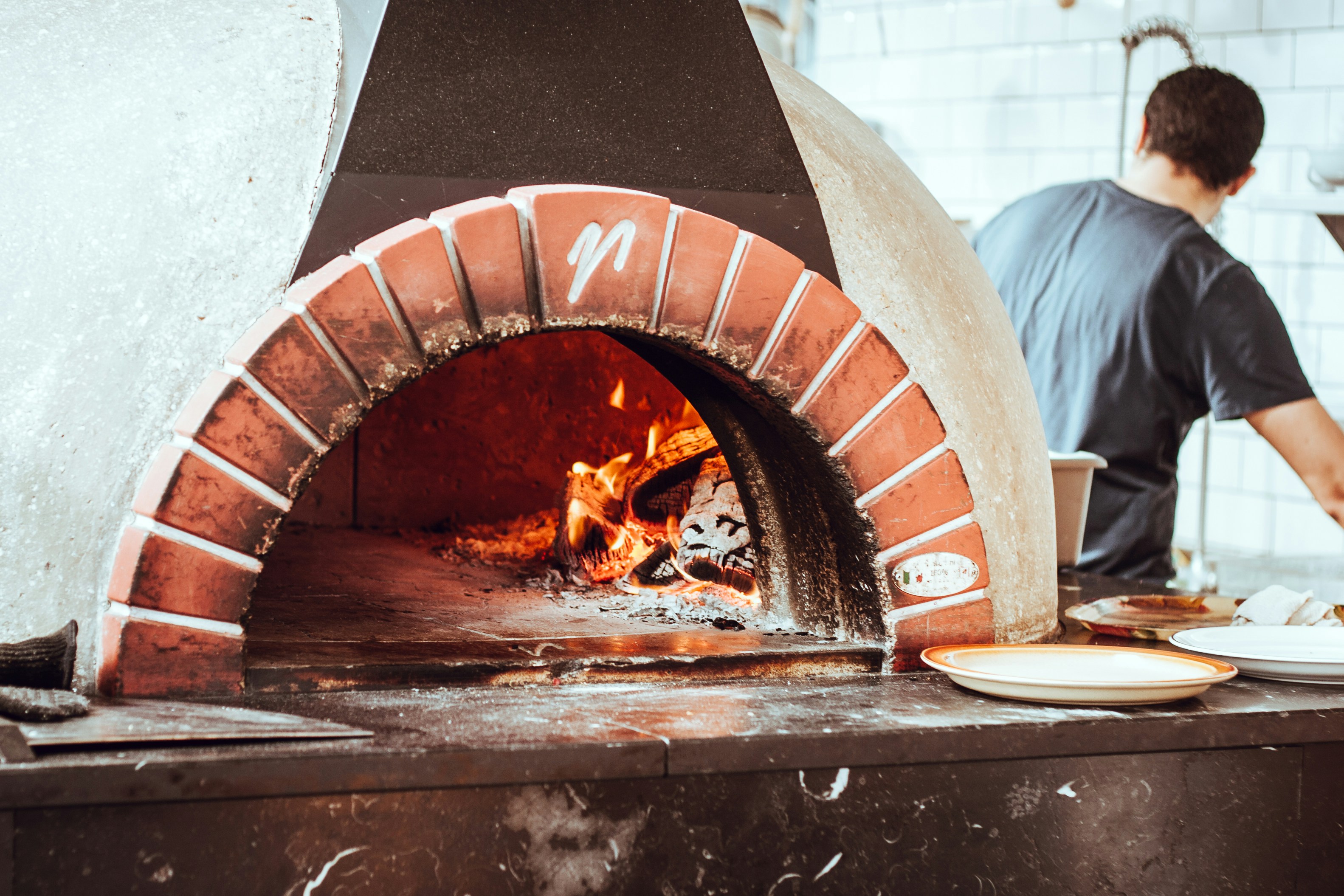
In the broader retail scene, this move fits a larger trend: branded foodservice inside stores is becoming a differentiator, loyalty lever, and trip-driver. Walmart has reshaped its in-store dining lineup since ending its McDonald’s partnership in 2021, leaning into poke concepts and other fast-casual brands in select stores. The aim is to blend groceries with ready-to-eat meals, turning shopping trips into multi-stop experiences. Observers say this flexible, scalable approach helps drive visit frequency and basket size without requiring sweeping aisle overhauls.
Gaps and uncertainties linger as pilots scale. How broadly the model will travel beyond the four targeted states remains to be seen, and performance will likely dictate pace. Industry watchers cite supply-chain alignment, maintaining quality at the point of sale, and the pace of unit openings as learning points from past retailer partnerships. The path seems cautious but ambitious: test, measure, and adjust so in-store dining complements rather than competes with core grocery shopping. For shoppers, the payoff is more convenient meals; for brands, a quicker route to scale; for Walmart, a stronger, more dynamic store—a true community hub.