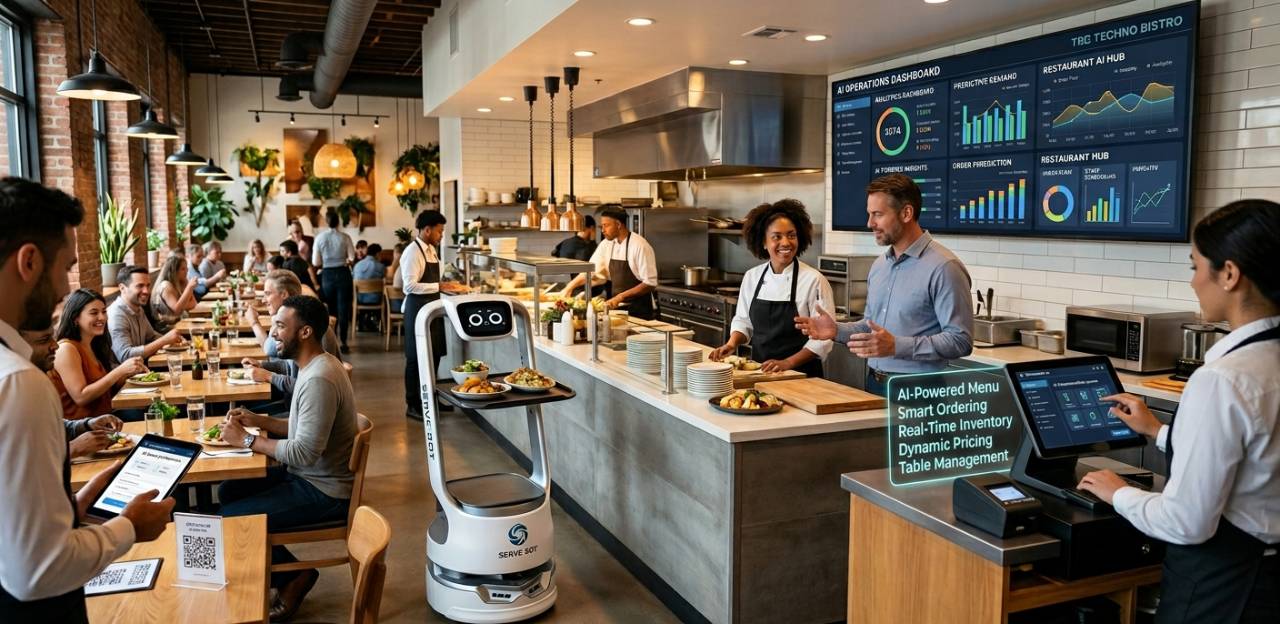
AI Playbook for Restaurant Owners
This AI playbook covers restaurant tools for voice ordering, staffing, compliance, menu pricing, inventory, marketing, ChatGPT prompts, and SEO.
tech
May 15, 2026
This AI playbook covers restaurant tools for voice ordering, staffing, compliance, menu pricing, inventory, marketing, ChatGPT prompts, and SEO.
May 15, 2026
Opening a coffee shop in 2026 requires careful cost planning across rent, equipment, labor, technology, menu strategy, marketing, and sustainability.
May 15, 2026
Hardee’s giant Boddie-Noell inks 31-unit Scooter’s Coffee deal for NC and VA, leveraging drive-thru growth and local roots with rollout over 12–18 months.
May 15, 2026
Wingstop turns match weeks into a multi-sensory festival, aligning bold pop-ups with World Cup energy to build brand affinity and measurable momentum.
May 15, 2026
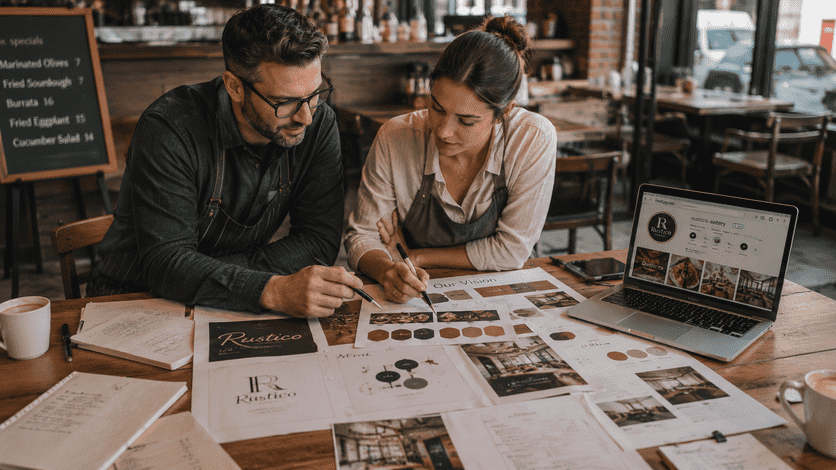
Learn how to develop a memorable restaurant brand identity that stands out in a crowded market, attracts loyal customers, and drives repeat business with actionable strategies and affordable tools.
May 15, 2026
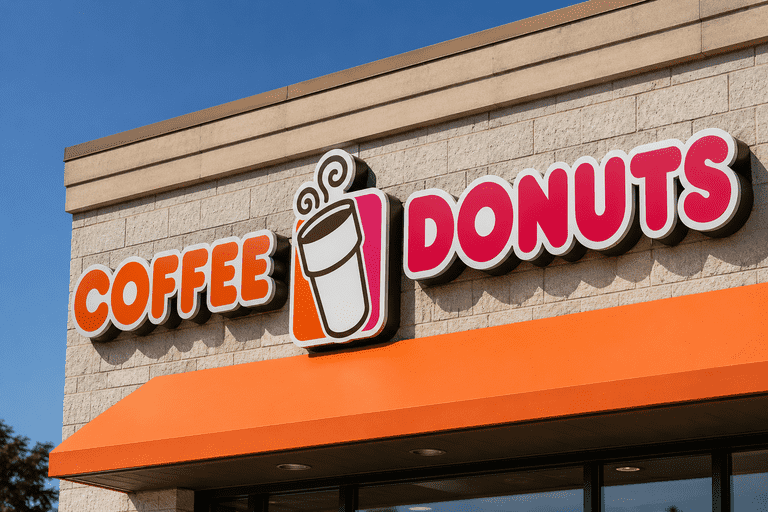
The parent company behind Dunkin', Buffalo Wild Wings, and Arby's has filed for an IPO a move that could reshape how Wall Street views the restaurant sector.
May 15, 2026
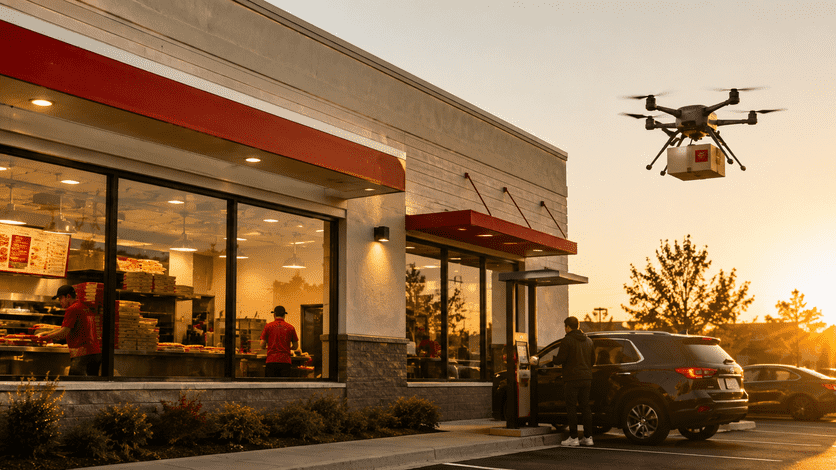
Papa Johns has teamed up with Alphabet's Wing for drone delivery of its new sandwich lineup in parts of Charlotte marking the first partnership of its kind between Wing and a national QSR brand.
May 15, 2026
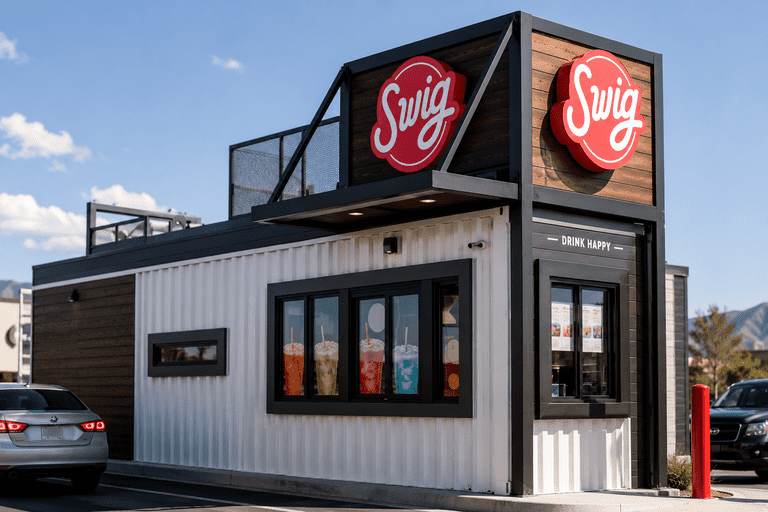
Dirty soda chain Swig is expanding into Colorado through a 10-unit franchise deal, riding a consumer beverage trend that's catching the attention of major QSR players nationwide.
May 15, 2026
A warm, expert-led look at McDonald’s Q1 results, menu makeover, and the refranchise question shaping its growth.
May 14, 2026
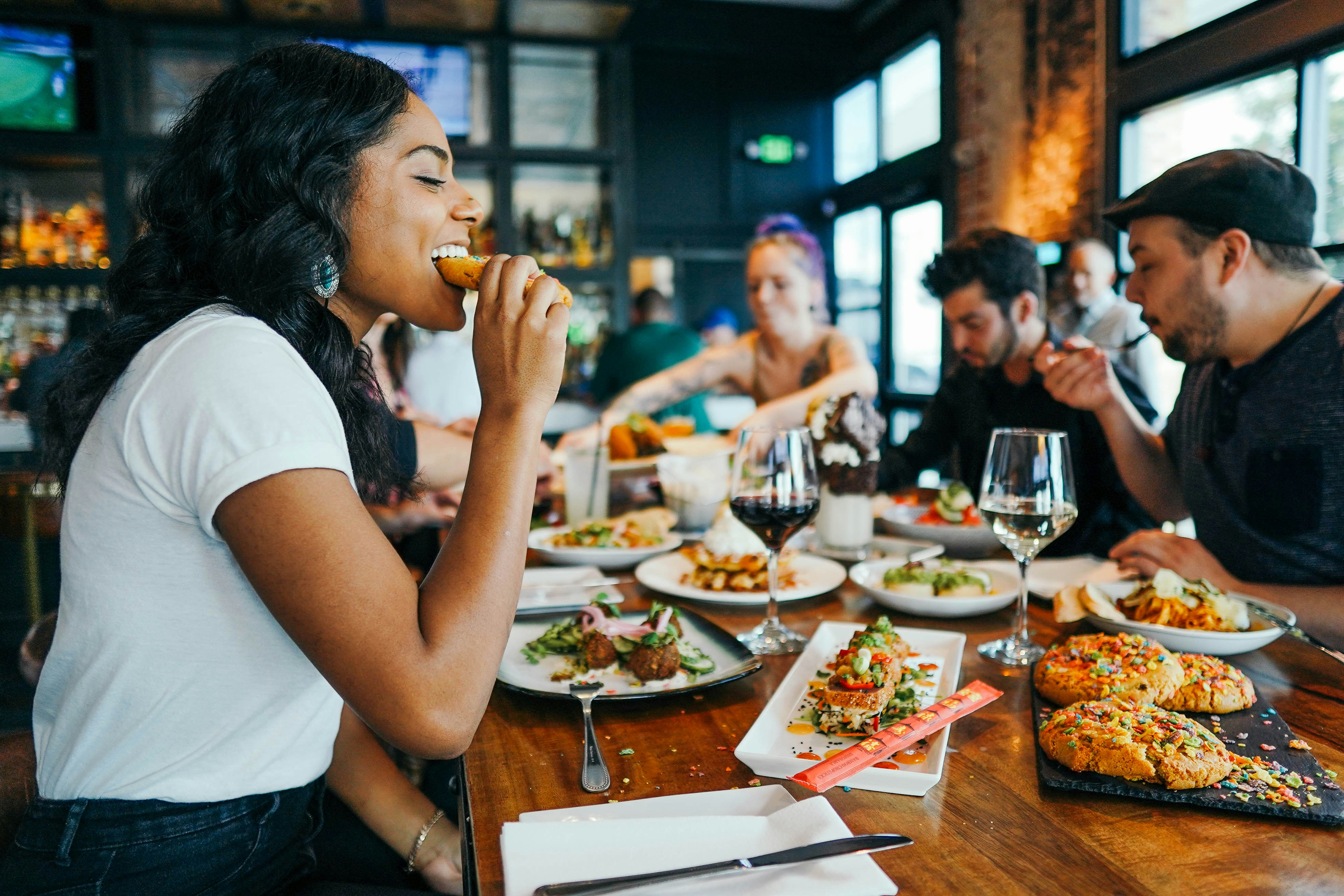
A reflective look at Habit Ranch, its immersive desert activation, and what it signals for brand loyalty and mindful, experiential dining.
May 14, 2026

Unlock Exclusive Access To Webinars, Events, And The Latest News For Free!
Value promotions reshape traffic in fast food, with national platforms and permanent menus altering the pricing game.
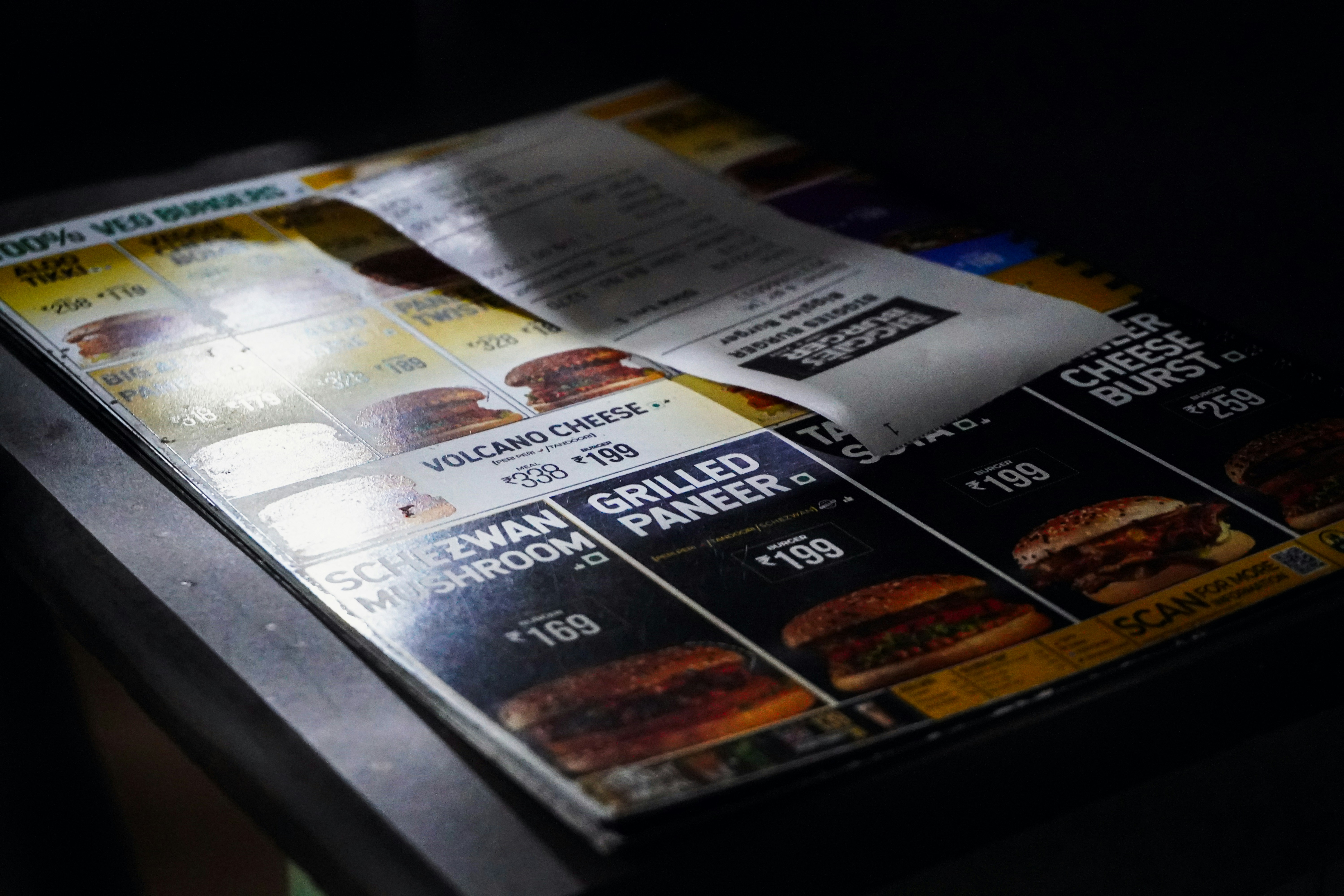
Photo by Adhitya Sibikumar
Value is no longer a side dish; it's the main course in drive-thrus. As inflation bites, fast-food brands are leaning into price-conscious dining with a simple bet: more people will come back if the price is right. The launch of McDonald’s $5 Meal Deal on June 25, 2024 begins this pivot. The bundle combines a McDouble or McChicken, a small fry, four-piece Chicken McNuggets, and a small drink—a memorable, low-price package designed to turn heads and drive visits. In the days after launch, Placer.ai captured mid-single-digit increases in visits versus year-to-date averages, a hopeful sign that value can move the needle. This early lift set the table for a broader strategy: could value become the backbone of growth?
Value moves are more than one-off promos. The playbook stretches across chains: McDonald’s rolled the $5 Meal Deal nationwide for a limited time; Starbucks rolled out a separate tactic—50% Friday beverages, introduced May 13, 2024 as part of the Summer App-y Days program; several brands leaned toward permanent value menus instead of short bursts of discounting. Taco Bell relaunched its Cravings Value Menu in January 2024, a permanent lineup that helped lift transactions; Sonic then introduced a permanent $1.99 value menu in mid-2024, while Jack in the Box signaled broader value pricing and larger cup sizes. Taken together, the sector is shifting from promos to durable value architecture.
National value platform signals a shift in pricing strategy. Executives describe a move away from a patchwork of local offers toward a cohesive, nationwide value narrative that can be measured and adjusted across markets. The goal is clarity—one value story that travels with the brand, not a thousand tiny promos. In practice, this national framework lets operators defend share while reducing the internal friction of mixed messages. The shift aligns with a broader push to balance guest expectations with cost realities in a post-inflation era.
However behind the scenes, executives debate how to talk price during inflation. McDonald’s U.S. President Joe Erlinger described reports of menu price increases as inaccurate and poorly sourced, underscoring the heated dialogue over what 'value' means in real terms. The Placer.ai-based analysis shows the initial traffic lift from value efforts came after a period of flat or declining visits, implying that value tactics can reset demand—but not automatically expand margins. The takeaway: a national value platform is as much about communications as it is about price.
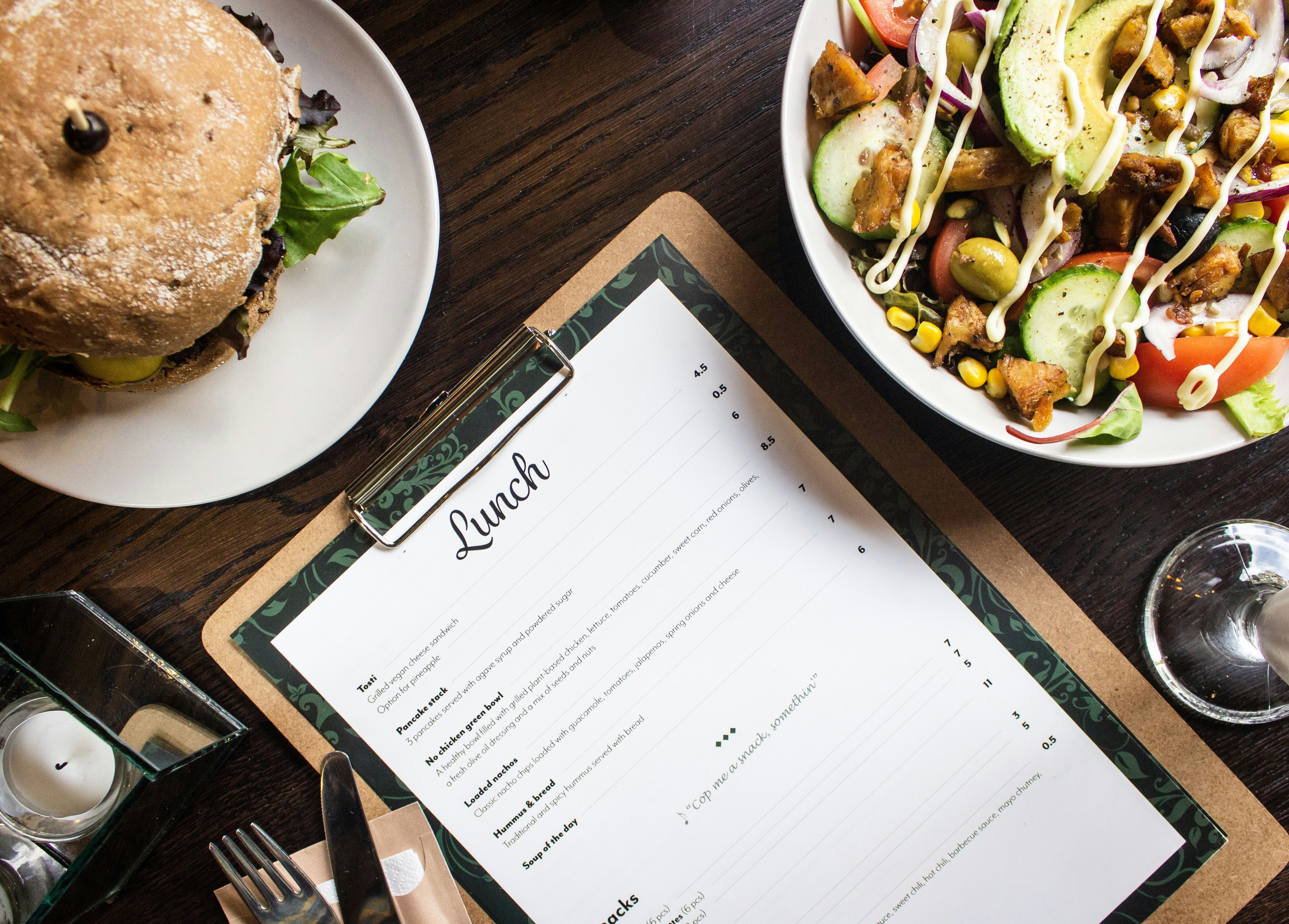
How value moves are executed. Value expansion has shown up in several concerted formats across the restaurant ecosystem. McDonald’s launched the $5 Meal Deal nationwide for a limited time, a product of the summer-value push. The deal’s composition and timing are widely documented in contemporary coverage. At the same time, Starbucks rolled out a separate tactic: a 50% Friday beverage discount introduced May 13, 2024 as part of the Summer App-y Days program, driving upticks in store visits on promoted Fridays. Beyond drinks, many chains opted for permanent value menus rather than temporary discounts, exemplified by Taco Bell relaunching its Cravings Value Menu in January 2024, Sonic with a permanent $1.99 value menu mid-2024, and Jack in the Box expanding value pricing and larger cups. This signals a sector-wide pivot from sporadic promos to sustained value.
These moves mirror a broader shift toward durable value across chains. The switch from quick-hit discounts to permanent value options can stabilize guest counts while pressuring margins if not calibrated. The industry trend leans toward a value architecture that blends temporary promos with permanent options, offering a smoother revenue path but demanding sharper menu engineering and cost control. The payoff is a more predictable guest base that expects affordability without sacrificing quality.
Reactions and signals from the field. Industry observers tread cautiously. A Morgan Stanley analyst warned that traffic lifts from value offers are unlikely to translate into meaningful near-term margins. The story tracks Placer.ai traffic alongside analyst notes. On the ground, early data from Taco Bell’s Cravings Value Menu show that about one-third of Q1 transactions included at least one Cravings item, with checks roughly 10% larger than non-Cravings orders. Taken together, these signals show value can lift visits and checks in the short run, but the road to sustainable profitability gets murkier as pricing dynamics and mix shift over time.
Financial outcomes and the timeline. The immediate financial implications of value pushes are nuanced. For McDonald’s, the move aimed to rekindle demand among cost-conscious consumers, yet the quarter showed flat or declining traffic before the $5 Meal Deal and U.S. visits were down year-over-year. Analysts warn that traffic gains may not translate into strong margins in the near term. The broader picture shows rivals embracing permanent value menus that slowly rewrite the price baseline, affecting both revenue and cost dynamics. The math is delicate: more guests, smaller checks, and the cost of promotions all ride on a knife-edge between growth and profitability.
Broader industry context and related moves highlights that this is not a McDonald’s‑only moment. Across the sector, Sonic rolled out a permanent $1.99 value menu; Taco Bell’s Cravings Value Menu has become a baseline, and Jack in the Box pushes larger, more affordable combos. These concurrent moves show a sector-wide pivot to a durable, value-centric price architecture that shapes competition and investment narratives.
Gaps, uncertainties, and what to watch remain as the value era unfolds. The relationship between visits and profitability isn’t linear, and near-term traffic gains may come at the cost of smaller average checks or higher promo costs. Morgan Stanley has framed the risk that value-driven traffic improvements won’t automatically yield margin expansion. The durability of permanent value menus—like Sonic’s and Taco Bell’s—could push rivals to recalibrate pricing, intensifying price dynamics. Brands will need to balance volume growth with unit economics, digital engagement, and the evolving expectations of a value-conscious consumer. The road ahead will hinge on data and disciplined execution.
Roadmap For The Future shows a fast-food landscape where value is less a temporary tactic and more a structural pillar. The push toward a national value platform, combined with a spectrum of permanent value menus, signals brands expect to sustain higher guest counts while navigating a tighter margin environment. For investors and operators, the question is whether traffic gains translate into durable profitability through price discipline, menu engineering, and efficient operations. As the industry tests temporal promos, permanent value builds, and hybrids, the emphasis will be on how well the value narrative matches cost realities in a post-inflation economy. Data-driven decisions will matter as much as the promos themselves.
Closing thought—the big win comes from clarity. When a national value platform aligns with consumer expectations and cost realities, it can steer traffic, stabilize volume, and push margins in the right direction. The big bet is on execution: price discipline, smart menu design, and a keen eye on digital engagement. The era of value is here to stay; the question now is how well brands translate visits into sustainable profitability without sacrificing the trust of a value-conscious crowd.