How Much Does It Cost to Open a Coffee Shop in 2026?
Opening a coffee shop in 2026 requires careful cost planning across rent, equipment, labor, technology, menu strategy, marketing, and sustainability.
operations
May 15, 2026
Opening a coffee shop in 2026 requires careful cost planning across rent, equipment, labor, technology, menu strategy, marketing, and sustainability.
May 15, 2026
This AI playbook covers restaurant tools for voice ordering, staffing, compliance, menu pricing, inventory, marketing, ChatGPT prompts, and SEO.
May 15, 2026
Hardee’s giant Boddie-Noell inks 31-unit Scooter’s Coffee deal for NC and VA, leveraging drive-thru growth and local roots with rollout over 12–18 months.
May 15, 2026
Wingstop turns match weeks into a multi-sensory festival, aligning bold pop-ups with World Cup energy to build brand affinity and measurable momentum.
May 15, 2026
The parent company behind Dunkin', Buffalo Wild Wings, and Arby's has filed for an IPO a move that could reshape how Wall Street views the restaurant sector.
May 15, 2026

Learn how to develop a memorable restaurant brand identity that stands out in a crowded market, attracts loyal customers, and drives repeat business with actionable strategies and affordable tools.
May 15, 2026
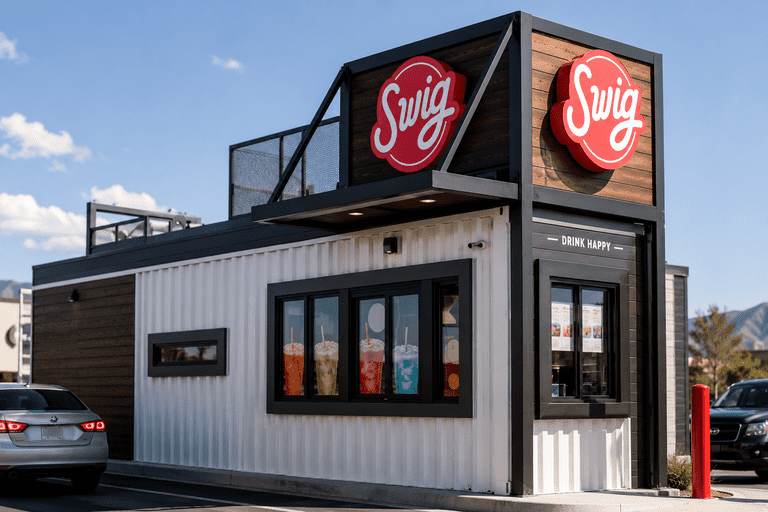
Dirty soda chain Swig is expanding into Colorado through a 10-unit franchise deal, riding a consumer beverage trend that's catching the attention of major QSR players nationwide.
May 15, 2026
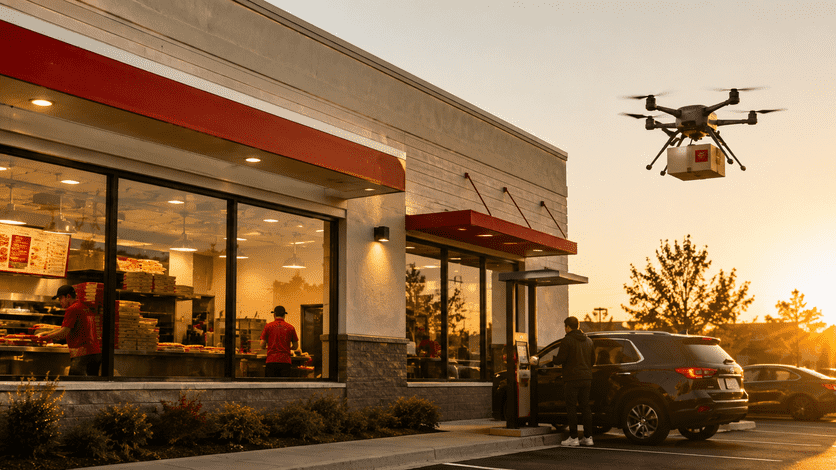
Papa Johns has teamed up with Alphabet's Wing for drone delivery of its new sandwich lineup in parts of Charlotte marking the first partnership of its kind between Wing and a national QSR brand.
May 15, 2026
A warm, expert-led look at McDonald’s Q1 results, menu makeover, and the refranchise question shaping its growth.
May 14, 2026
A reflective look at Habit Ranch, its immersive desert activation, and what it signals for brand loyalty and mindful, experiential dining.
May 14, 2026

Unlock Exclusive Access To Webinars, Events, And The Latest News For Free!
Urbanbelly moves to Fulton Market, anchored by Taratsa and Cornerstone, blending chef-driven Asian comfort with a thriving Chicago dining corridor.

Photo by Fenghua
Urbanbelly's move to Fulton Market signals more than a relocation. It reads as a deliberate reweaving of the brand in a district that has transformed into a culinary magnet. For fans of chef Bill Kim, the path back to a neighborhood with historical ties is a considered choice—one that aims to invite new guests while reconnecting with longtime supporters. The narrative of Urbanbelly is one of balance: heritage flavors filtered through modern technique, shared tables, and a spirit of thoughtful dining. The question ahead is how this homecoming will unfold on a 24,000-square-foot stage.
The new site at 950 W. Fulton St. will anchor a 24,000-square-foot complex developed by Taratsa Hospitality Partners, with Cornerstone Restaurant Group as partner. The Wicker Park location is slated to close in late April 2026, paving a concise transition before the early May 2026 opening. The Fulton Market setting places Urbanbelly among a growing cluster of dining and entertainment concepts—neighbors like Morgan’s on Fulton, Pitaki, and The Wild Hare sit nearby, underscoring a vibrant, evolving culinary audience. This move aligns with a broader strategy to bring Urbanbelly back to a neighborhood where Kim has deep roots and to leverage a high-traffic setting.
Urbanbelly’s relocation unfolds as more than a physical shift; it’s a deliberate realignment of the brand within a district that has matured into a hospitality magnet. The Fulton Market corridor frames Kim’s broader vision—a return that functions as both homecoming and expansion platform. The story here is about brand continuity married to opportunity, with Kim’s signature blend of childhood flavors and global inspirations guiding the way toward approachable, chef-driven fare in a flagship setting.
The chapter’s spine is built on a web of partnerships. Bill Kim’s Fulton Market homecoming benefits from a collaborative network that includes Cornerstone Restaurant Group and Taratsa Hospitality Partners, signaling that location, concept, and backing now operate in concert to shape an opening plan of scale. Kim’s history in the area—alongside past concepts like BellyQ and the Time Out Market Chicago outpost—frames Urbanbelly’s return as both nostalgia and opportunity.
Cornerstone Restaurant Group and Taratsa Hospitality Partners have joined to shepherd Urbanbelly’s Fulton Market debut. Taratsa operates the 950 W. Fulton Street complex, bringing a high-profile, multi-concept destination to the area, while Cornerstone—an affiliate of Jump Higher LLC—adds breadth and a portfolio that includes collaborations with Bill Kim. The roster extends beyond Urbanbelly to include The Table at Crate and Dimmi Dimmi Corner Italian, illustrating Cornerstone’s multi-concept approach and its ability to weave a chef-driven core into scalable hospitality concepts.
Guided by leaders like Josh Zadikoff, Danny McGowan, and Matt Goldstick, the partnership creates a measured pathway for Urbanbelly’s Fulton Market debut. The collaboration aligns a chef-driven core with scalable hospitality concepts, preserving the brand’s creative DNA while expanding its reach in one of Chicago’s most dynamic dining corridors.

Urbanbelly’s signature offerings will anchor the Fulton Market concept: bao buns, ramen, Korean fried chicken, and coconut curry pho are expected to anchor an expanded menu, with exclusive dishes crafted specifically for the new site and a full bar program designed to complement the dining experience. This approach echoes Kim’s philosophy—blending flavors from his upbringing with global inspirations to create approachable, chef-driven fare. As the opening draws near, exact new items will unfold, but the throughline remains a bridge between Urbanbelly’s past and its Fulton Market future.
“Urbanbelly has always been a reflection of my journey, blending the flavors I grew up with into something personal and approachable. Fulton Market is a chance to keep evolving while staying true to our creative flavors and sense of community. I’m excited to bring it back to the neighborhood and share our vision with both longtime and new guests.” Kim’s words capture a commitment to continuity with refresh. The Fulton Market plan centers on a thoughtful evolution of the menu while honoring the brand’s roots and its community.
Urbanbelly will anchor a 24,000-square-foot complex at 950 W. Fulton Street, opening in early May 2026 after the Wicker Park location closes in late April 2026. The move is timed with Fulton Market’s ongoing momentum as a hospitality hub, signaling continued energy for high-profile openings and operator partnerships. The shift also reinforces Chicago’s evolving dining landscape, where large-format destinations aim to host both community gatherings and culinary experimentation.
Beyond Urbanbelly itself, the project suggests a broader ecosystem in Fulton Market: cross-visitation opportunities with nearby concepts such as Morgan’s on Fulton, Pitaki, and The Wild Hare. The arrangement also highlights how Cornerstone’s portfolio, already including Michael Jordan’s branded ventures, can create a cohesive, magnet-like cluster for Chicago’s hospitality scene.
Urbanbelly’s Fulton Market relocation sits within a broader pattern of high-profile brand movements in Chicago’s hospitality scene. Cornerstone Restaurant Group’s expansion alongside Jump Higher LLC has included collaborations like Dimmi Dimmi Corner Italian, opened in Lincoln Park after taking over Tarantino’s Italian space. The district’s appeal is reinforced by new developments near Fulton Market and Morgan Street, signaling a dynamic mix of dining, retail, and experiential venues. Uncertainties remain about precise menu timelines, interior design details, and how the concept will scale to 24,000 square feet with a corner outdoor patio and a full bar.
As markets and tastes shift, observers will watch how Urbanbelly balances nostalgia with innovation in a space designed for both community gatherings and culinary experimentation. The May 2026 opening window, the Wicker Park closing timetable, and the ongoing collaboration network collectively shape a narrative about Chicago’s evolving hospitality landscape.