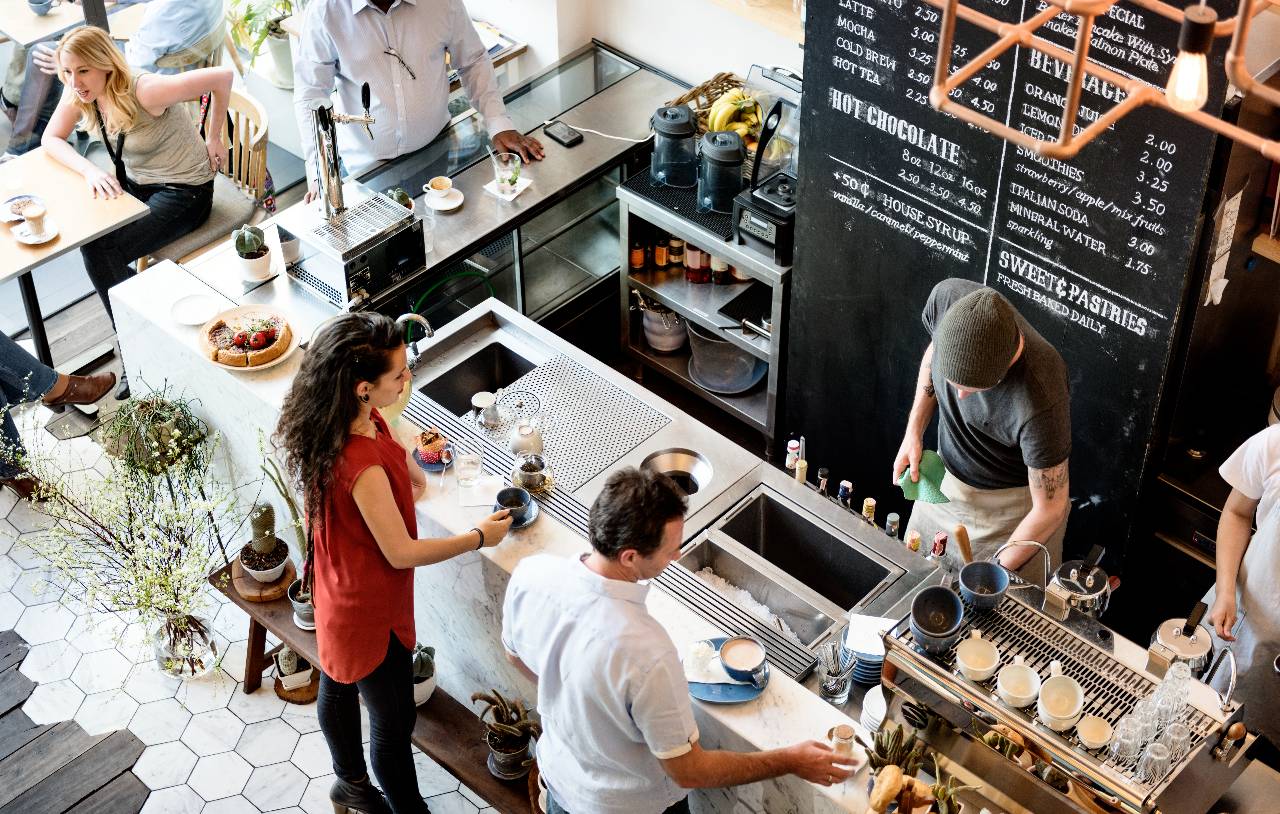
How Much Does It Cost to Open a Coffee Shop in 2026?
Opening a coffee shop in 2026 requires careful cost planning across rent, equipment, labor, technology, menu strategy, marketing, and sustainability.
operations
May 15, 2026
Opening a coffee shop in 2026 requires careful cost planning across rent, equipment, labor, technology, menu strategy, marketing, and sustainability.
May 15, 2026
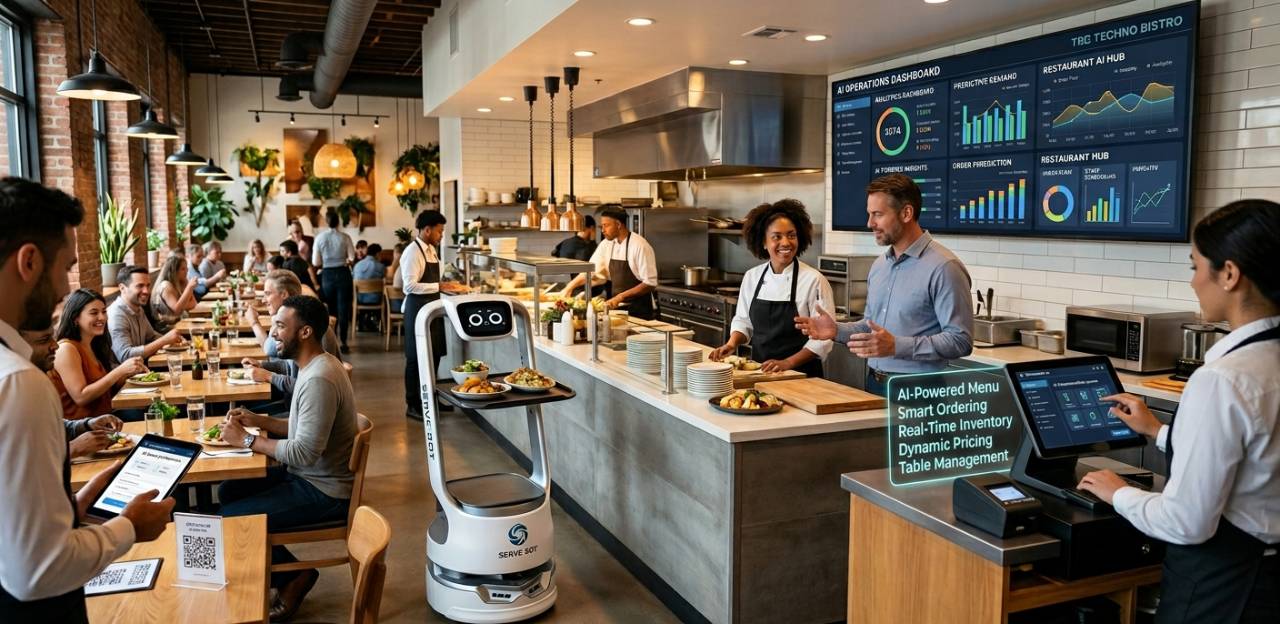
This AI playbook covers restaurant tools for voice ordering, staffing, compliance, menu pricing, inventory, marketing, ChatGPT prompts, and SEO.
May 15, 2026

Hardee’s giant Boddie-Noell inks 31-unit Scooter’s Coffee deal for NC and VA, leveraging drive-thru growth and local roots with rollout over 12–18 months.
May 15, 2026
Wingstop turns match weeks into a multi-sensory festival, aligning bold pop-ups with World Cup energy to build brand affinity and measurable momentum.
May 15, 2026
The parent company behind Dunkin', Buffalo Wild Wings, and Arby's has filed for an IPO a move that could reshape how Wall Street views the restaurant sector.
May 15, 2026

Learn how to develop a memorable restaurant brand identity that stands out in a crowded market, attracts loyal customers, and drives repeat business with actionable strategies and affordable tools.
May 15, 2026
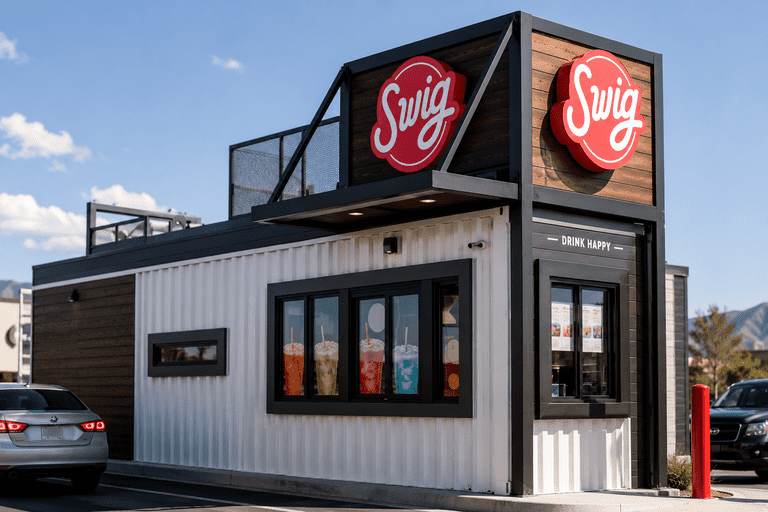
Dirty soda chain Swig is expanding into Colorado through a 10-unit franchise deal, riding a consumer beverage trend that's catching the attention of major QSR players nationwide.
May 15, 2026
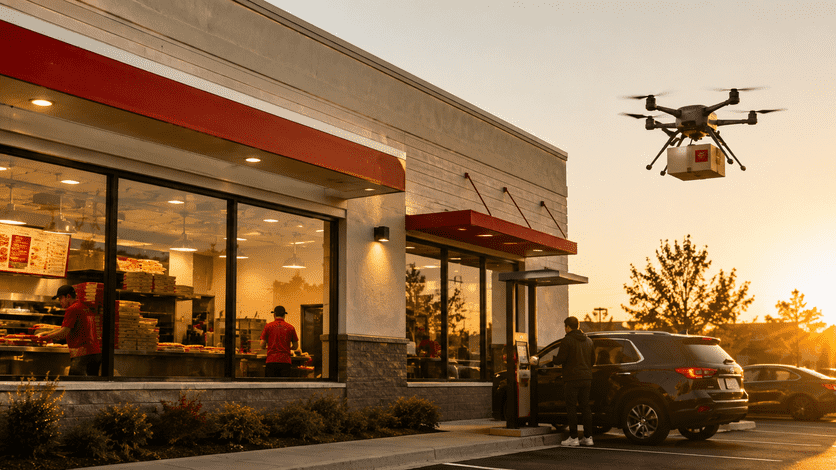
Papa Johns has teamed up with Alphabet's Wing for drone delivery of its new sandwich lineup in parts of Charlotte marking the first partnership of its kind between Wing and a national QSR brand.
May 15, 2026

A warm, expert-led look at McDonald’s Q1 results, menu makeover, and the refranchise question shaping its growth.
May 14, 2026

A reflective look at Habit Ranch, its immersive desert activation, and what it signals for brand loyalty and mindful, experiential dining.
May 14, 2026

Unlock Exclusive Access To Webinars, Events, And The Latest News For Free!
Read about the recent developments in the U.S.-Mexico trade relationship, including the delay of tariffs and new security measures.
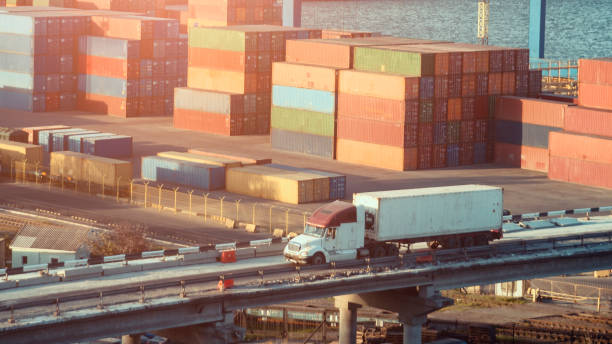
The decision to delay tariffs that were to be imposed on Mexico by the United States marks a significant shift in the recent trade relations between the two countries. Mexico's President Claudia Sheinbaum’s announcement of the postponement came after a series of discussions with U.S. President Donald Trump. This delay reflects a commitment to finding mutually beneficial agreements between the nations.
As part of the agreements reached, Mexico has pledged to send 10,000 troops to the U.S.-Mexico border to enhance efforts in combating drug trafficking. In return, the United States has committed to preventing the flow of high-powered weapons into Mexico. These bilateral actions not only address security concerns but also signify a collaborative approach towards shared challenges.
President Sheinbaum emphasized that both countries’ teams would focus on enhancing security and trade aspects of their relationship. The engagement of top officials like Secretary of State Marco Rubio and Secretary of Commerce Howard Lutnick in forthcoming negotiations highlights the seriousness and commitment from both sides in resolving trade disputes and strengthening economic ties.
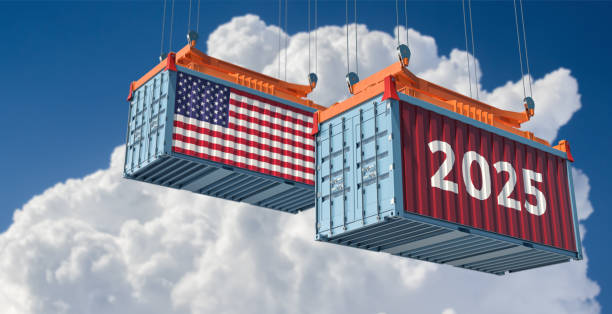
Mexico's proactive preparation for potential tariffs included efforts to align policies with the United States, particularly on key issues like migration. The country's officials aimed to demonstrate the complementary nature of trade between the nations rather than a competitive one. Mexico had devised contingency plans, one of which involved both tariff and non-tariff actions, indicating a strategic response to any trade challenges.
President Sheinbaum's emphasis on collaboration and mutual trust underscores the importance of working together to combat organized crime and enhance security measures. She highlighted the need for respect for sovereignty, emphasizing that cooperation should not equate to subordination. This stance emphasizes the importance of equal partnership and shared responsibility in addressing common issues.
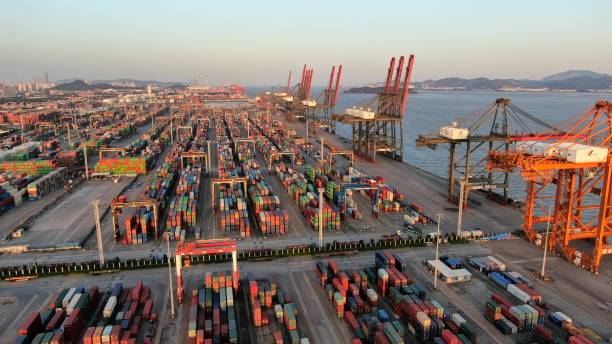
While the tariffs on Mexico have been postponed, the United States is set to enforce new duties on other countries like Canada and China. This move could impact the global trade landscape, leading to retaliatory measures and potential shifts in trade dynamics among nations. The response from Canada, with retaliatory tariffs on U.S. goods, suggests a complex interplay of trade strategies among nations.