How Much Does It Cost to Open a Coffee Shop in 2026?
Opening a coffee shop in 2026 requires careful cost planning across rent, equipment, labor, technology, menu strategy, marketing, and sustainability.
operations
May 15, 2026
Opening a coffee shop in 2026 requires careful cost planning across rent, equipment, labor, technology, menu strategy, marketing, and sustainability.
May 15, 2026

This AI playbook covers restaurant tools for voice ordering, staffing, compliance, menu pricing, inventory, marketing, ChatGPT prompts, and SEO.
May 15, 2026

Hardee’s giant Boddie-Noell inks 31-unit Scooter’s Coffee deal for NC and VA, leveraging drive-thru growth and local roots with rollout over 12–18 months.
May 15, 2026

Wingstop turns match weeks into a multi-sensory festival, aligning bold pop-ups with World Cup energy to build brand affinity and measurable momentum.
May 15, 2026

The parent company behind Dunkin', Buffalo Wild Wings, and Arby's has filed for an IPO a move that could reshape how Wall Street views the restaurant sector.
May 15, 2026

Learn how to develop a memorable restaurant brand identity that stands out in a crowded market, attracts loyal customers, and drives repeat business with actionable strategies and affordable tools.
May 15, 2026

Dirty soda chain Swig is expanding into Colorado through a 10-unit franchise deal, riding a consumer beverage trend that's catching the attention of major QSR players nationwide.
May 15, 2026

Papa Johns has teamed up with Alphabet's Wing for drone delivery of its new sandwich lineup in parts of Charlotte marking the first partnership of its kind between Wing and a national QSR brand.
May 15, 2026

A warm, expert-led look at McDonald’s Q1 results, menu makeover, and the refranchise question shaping its growth.
May 14, 2026

A reflective look at Habit Ranch, its immersive desert activation, and what it signals for brand loyalty and mindful, experiential dining.
May 14, 2026

Unlock Exclusive Access To Webinars, Events, And The Latest News For Free!
Discover the shift towards nonalcoholic beverages in restaurants, how it maximizes profits, and aligns with consumer behavior. Learn about the growth opportunities and strategies to implement successful nonalcoholic beverage programs.
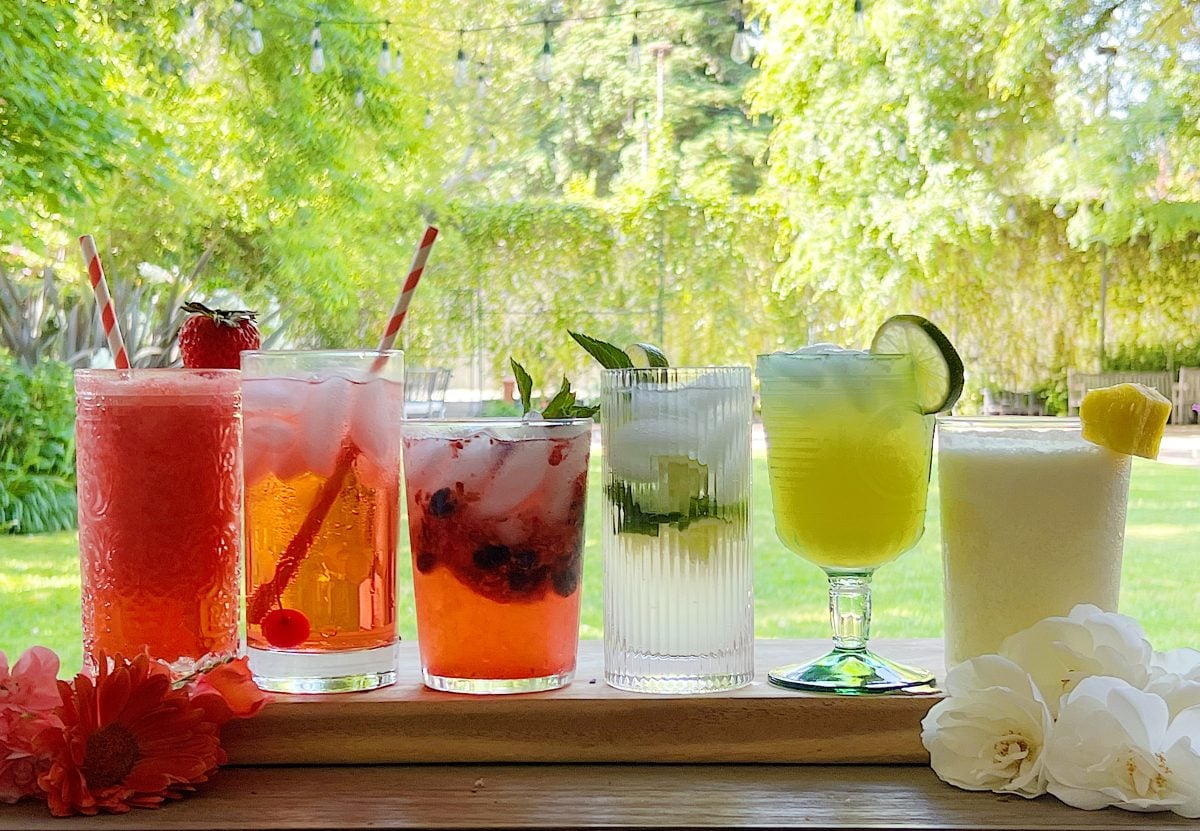
The restaurant industry is experiencing a significant shift towards nonalcoholic beverages, with sales soaring by 30% in 2024. This trend signifies more than just a passing fad; it represents a fundamental change in how restaurants and bars can boost their profits. According to TouchBistro’s 2025 State of Restaurants Report, 40% of eateries are planning to expand their nonalcoholic drink offerings, indicating a sustained movement in the industry.
Nonalcoholic beverages offer a unique opportunity for operators to maximize profits by aligning with evolving consumer behavior. Beverages already drive a significant portion of gross profit dollars due to their cost-effectiveness and ease of preparation. Crafting premium nonalcoholic options, like mocktails and artisanal sodas, not only meets the demand for quality but often surpasses the profit margins of traditional alcoholic drinks.
Gen Z's preference for nonalcoholic beverages is reshaping the hospitality landscape. This generation is drinking less alcohol and seeking experiences that reflect their values of wellness, inclusivity, and creativity. Nonalcoholic options are becoming primary choices rather than mere alternatives, and Gen Z is willing to pay a premium for these offerings. Furthermore, expanded nonalcoholic menus attract diverse audiences, driving higher revenue, longer table times, increased spending per party, and enhanced customer loyalty.
Implementing a nonalcoholic beverage program requires careful planning to overcome common hurdles. Automation tools such as intelligent drink dispensers can streamline operations, ensuring consistency, speed, and profitability. By strategically launching a nonalcoholic beverage program with a focused approach, operators can witness immediate results and capitalize on this growing trend to drive revenue and customer satisfaction.
Industry insights reveal that nonalcoholic beverages offer favorable profit margins comparable to alcoholic drinks. Despite similar production costs, customers are willing to pay premium prices, leading to substantial revenue for bars and restaurants. Investing in a robust nonalcoholic program not only boosts revenue but also improves customer satisfaction and loyalty, positioning operators for sustained success in a competitive market.