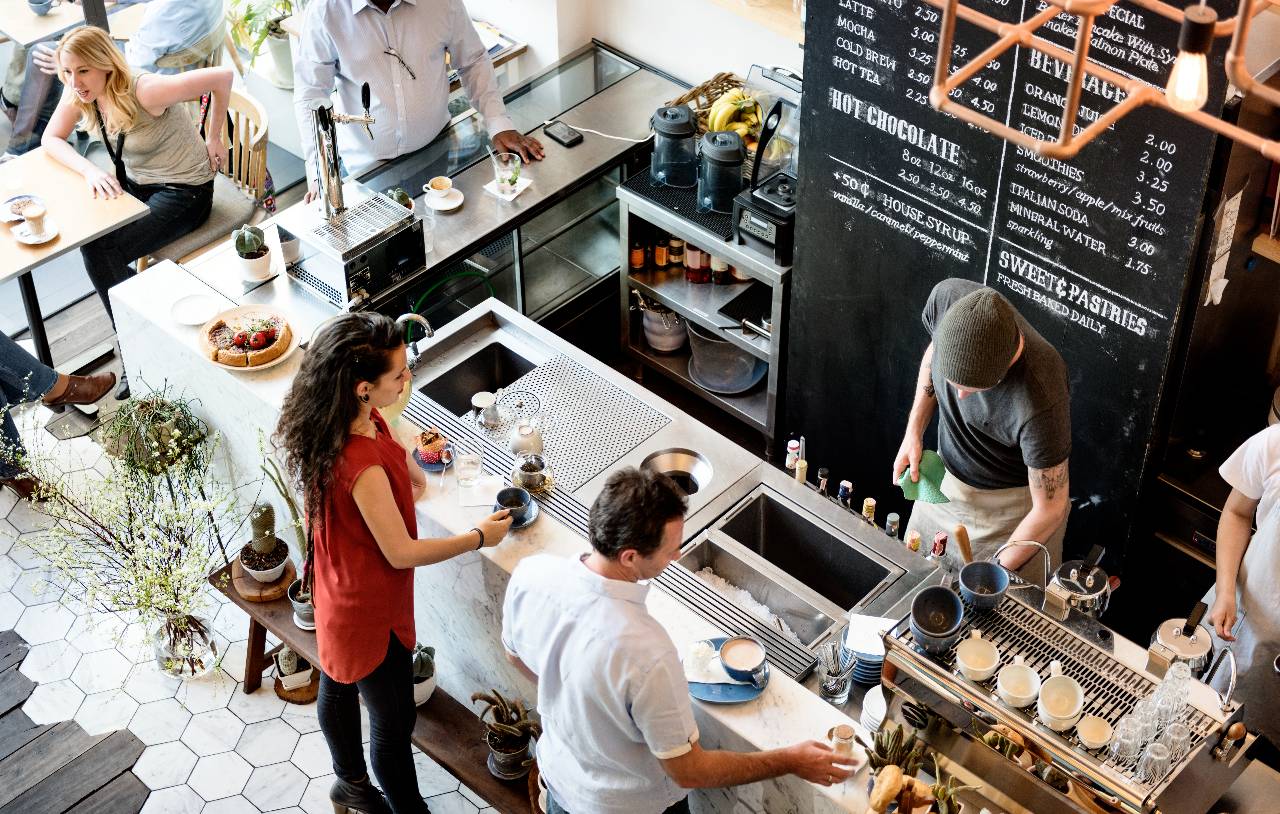
How Much Does It Cost to Open a Coffee Shop in 2026?
Opening a coffee shop in 2026 requires careful cost planning across rent, equipment, labor, technology, menu strategy, marketing, and sustainability.
operations
May 15, 2026
Opening a coffee shop in 2026 requires careful cost planning across rent, equipment, labor, technology, menu strategy, marketing, and sustainability.
May 15, 2026
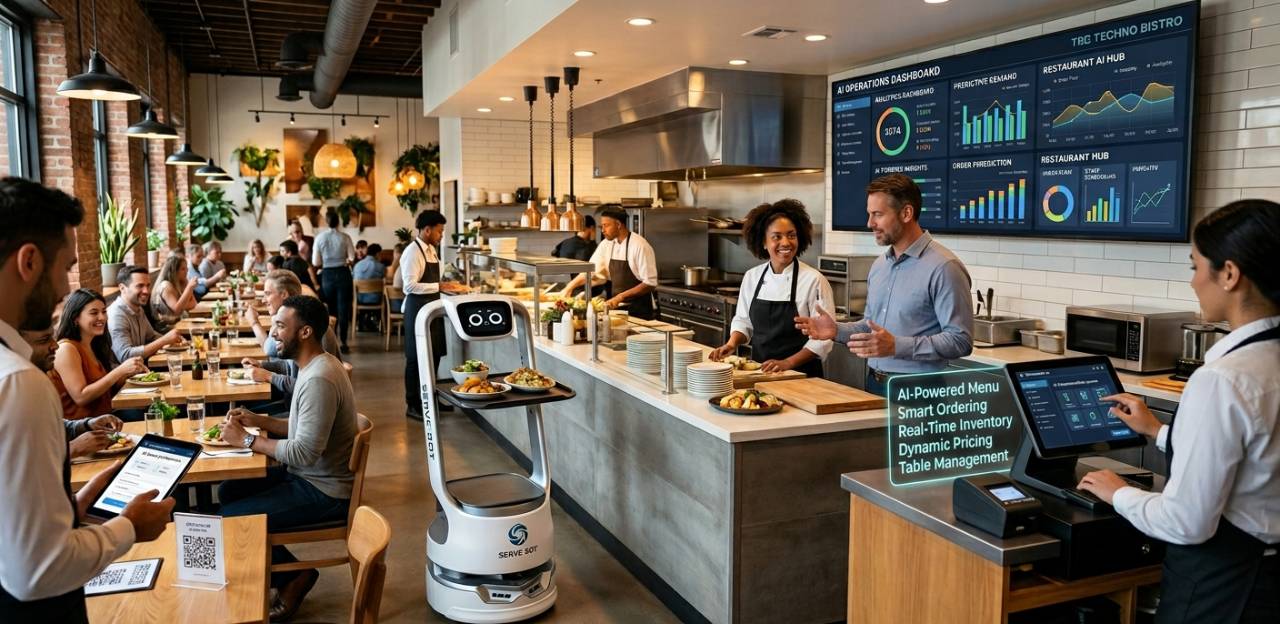
This AI playbook covers restaurant tools for voice ordering, staffing, compliance, menu pricing, inventory, marketing, ChatGPT prompts, and SEO.
May 15, 2026
Hardee’s giant Boddie-Noell inks 31-unit Scooter’s Coffee deal for NC and VA, leveraging drive-thru growth and local roots with rollout over 12–18 months.
May 15, 2026
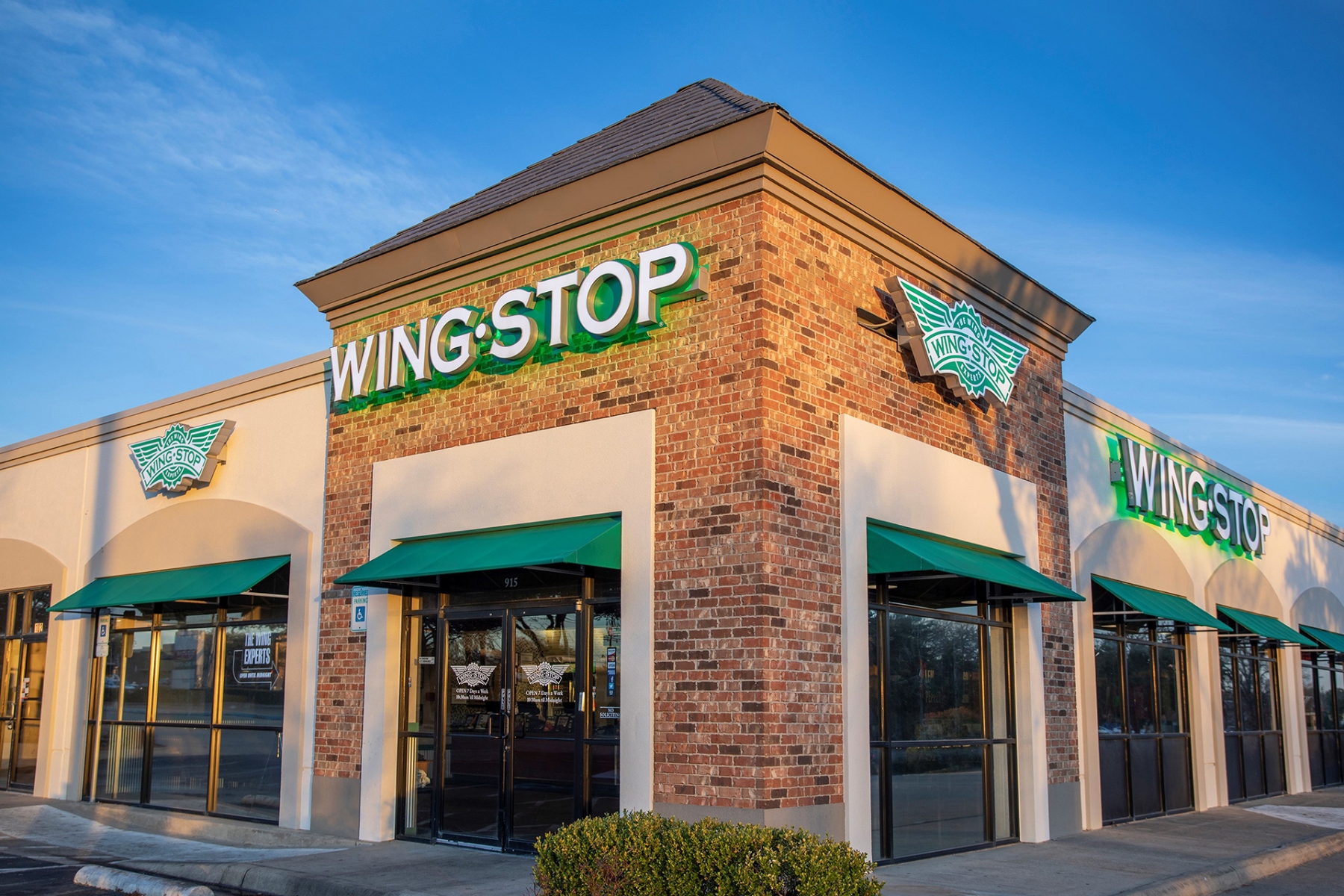
Wingstop turns match weeks into a multi-sensory festival, aligning bold pop-ups with World Cup energy to build brand affinity and measurable momentum.
May 15, 2026
The parent company behind Dunkin', Buffalo Wild Wings, and Arby's has filed for an IPO a move that could reshape how Wall Street views the restaurant sector.
May 15, 2026
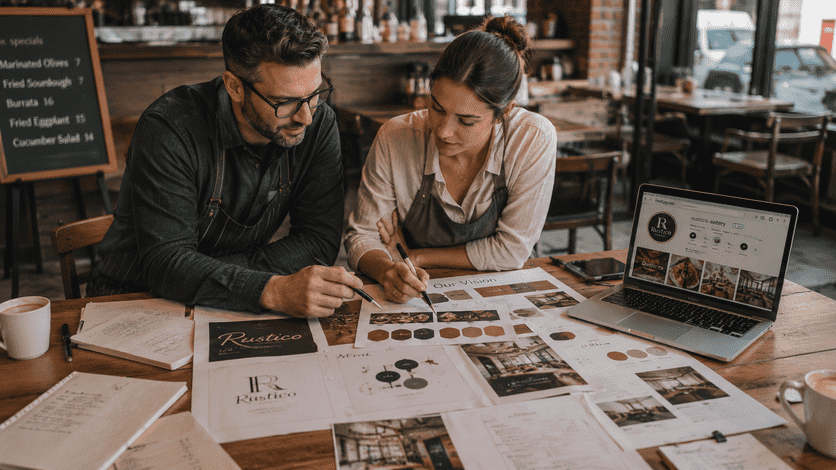
Learn how to develop a memorable restaurant brand identity that stands out in a crowded market, attracts loyal customers, and drives repeat business with actionable strategies and affordable tools.
May 15, 2026
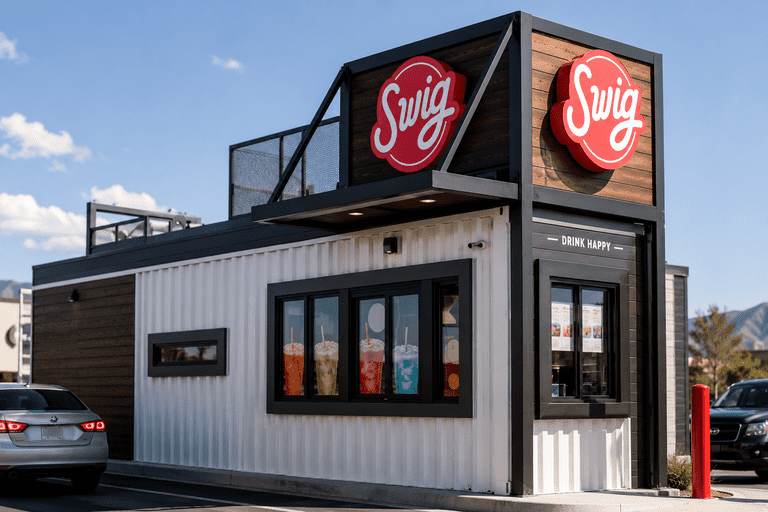
Dirty soda chain Swig is expanding into Colorado through a 10-unit franchise deal, riding a consumer beverage trend that's catching the attention of major QSR players nationwide.
May 15, 2026
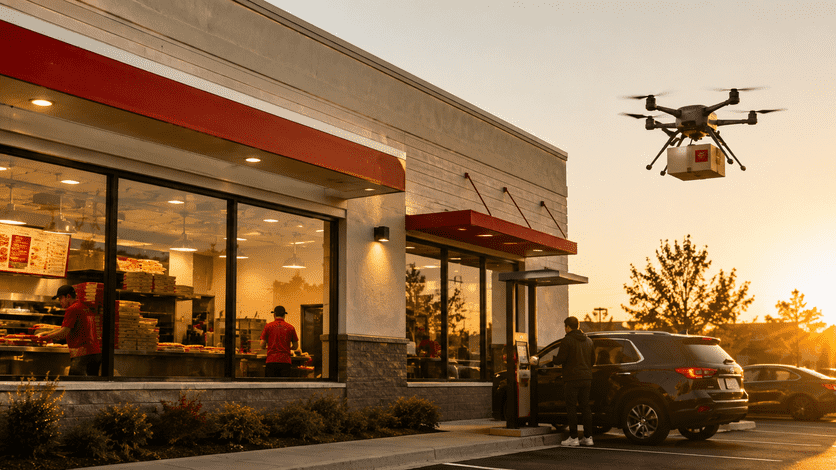
Papa Johns has teamed up with Alphabet's Wing for drone delivery of its new sandwich lineup in parts of Charlotte marking the first partnership of its kind between Wing and a national QSR brand.
May 15, 2026
A warm, expert-led look at McDonald’s Q1 results, menu makeover, and the refranchise question shaping its growth.
May 14, 2026
A reflective look at Habit Ranch, its immersive desert activation, and what it signals for brand loyalty and mindful, experiential dining.
May 14, 2026

Unlock Exclusive Access To Webinars, Events, And The Latest News For Free!
Explore how top restaurant brands like McDonald’s, Wingstop, Raising Cane’s, Chipotle, and Starbucks are attracting Gen Z consumers and leveraging marketing strategies to tap into their spending power.

Photo by Marco Chilese

Photo by Marco Chilese
McDonald’s success in attracting Gen Z consumers stems from strategic brand collaborations and engaging viral campaigns. By partnering with popular brands like Genshin Impact and Crocs, McDonald’s stays relevant and resonates with the younger demographic. The chain's $5 Meal Deal and innovative offerings like the Grandma McFlurry and Collector’s Meal have also contributed to its appeal among Gen Z.

Photo by Marco Chilese
Wingstop's rise in Gen Z popularity can be attributed to its focus on digital channels and menu innovation. With a significant portion of sales coming from digital platforms, Wingstop has embraced the digital native generation effectively. The introduction of chicken sandwiches and strategic partnerships like becoming the Official Partner of the NBA have propelled its brand awareness among younger consumers.
Raising Cane’s success in appealing to Gen Z lies in its simplicity and focus on the popular chicken category. The chain's strategic partnerships with celebrities like Post Malone and Snoop Dogg have helped elevate its brand and increase awareness. By expanding into flagship locations and offering a straightforward menu, Raising Cane’s has positioned itself as a go-to choice for young consumers.

Photo by Marco Chilese
Chipotle's strategy of engaging with Gen Z through gaming partnerships and influencer collaborations has significantly boosted its magnetism among the demographic. By aligning with popular gaming titles like Tekken 8 and collaborating with social media influencers and Olympians, Chipotle has stayed relevant and appealing to younger consumers. Promotions tied to events like fantasy football have further enhanced its brand visibility.
Despite facing setbacks, Starbucks aims to re-establish itself as a favored destination for Gen Z consumers. With declining same-store sales and evolving consumer preferences, the brand has recognized the need for a marketing overhaul. By shifting focus to brand experience and everyday value, Starbucks is working towards creating a more engaging and less transactional environment to attract younger audiences.
Understanding the significance of user-generated content (UGC) is vital for brands targeting Gen Z. Younger audiences value authenticity and genuineness in content, making UGC a powerful tool for influencing their purchasing decisions. Platforms like TikTok play a crucial role, with brands leveraging UGC to connect with Gen Z on a more personal level.

Photo by Marco Chilese
As Gen Z continues to shape consumer trends and spending habits, brands must adapt their marketing strategies to resonate with this influential demographic. Embracing digital channels, fostering authentic brand experiences, and staying attuned to evolving preferences are key to capturing Gen Z's attention and loyalty in the competitive restaurant landscape.