How Much Does It Cost to Open a Coffee Shop in 2026?
Opening a coffee shop in 2026 requires careful cost planning across rent, equipment, labor, technology, menu strategy, marketing, and sustainability.
operations
May 15, 2026
Opening a coffee shop in 2026 requires careful cost planning across rent, equipment, labor, technology, menu strategy, marketing, and sustainability.
May 15, 2026

This AI playbook covers restaurant tools for voice ordering, staffing, compliance, menu pricing, inventory, marketing, ChatGPT prompts, and SEO.
May 15, 2026

Hardee’s giant Boddie-Noell inks 31-unit Scooter’s Coffee deal for NC and VA, leveraging drive-thru growth and local roots with rollout over 12–18 months.
May 15, 2026

Wingstop turns match weeks into a multi-sensory festival, aligning bold pop-ups with World Cup energy to build brand affinity and measurable momentum.
May 15, 2026

The parent company behind Dunkin', Buffalo Wild Wings, and Arby's has filed for an IPO a move that could reshape how Wall Street views the restaurant sector.
May 15, 2026

Learn how to develop a memorable restaurant brand identity that stands out in a crowded market, attracts loyal customers, and drives repeat business with actionable strategies and affordable tools.
May 15, 2026

Dirty soda chain Swig is expanding into Colorado through a 10-unit franchise deal, riding a consumer beverage trend that's catching the attention of major QSR players nationwide.
May 15, 2026

Papa Johns has teamed up with Alphabet's Wing for drone delivery of its new sandwich lineup in parts of Charlotte marking the first partnership of its kind between Wing and a national QSR brand.
May 15, 2026

A warm, expert-led look at McDonald’s Q1 results, menu makeover, and the refranchise question shaping its growth.
May 14, 2026

A reflective look at Habit Ranch, its immersive desert activation, and what it signals for brand loyalty and mindful, experiential dining.
May 14, 2026

Unlock Exclusive Access To Webinars, Events, And The Latest News For Free!
Explore the FTC's claims against Uber regarding its subscription program, consumer complaints, and the impact on the delivery service industry. Learn about the challenges of canceling subscriptions and the importance of transparency in consumer services.
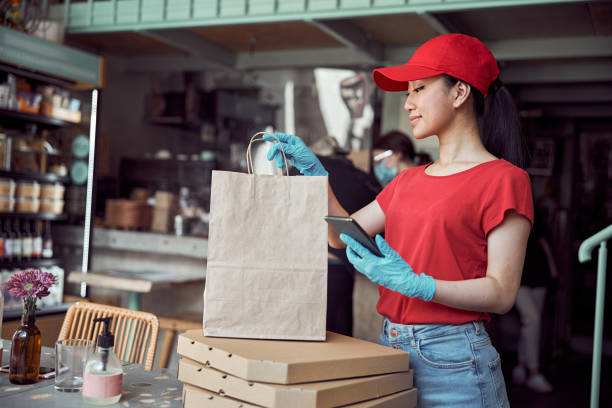
The Federal Trade Commission (FTC) recently filed a complaint against Uber, accusing the company of misleading consumers with its subscription program, Uber One. The FTC claimed that Uber promised consumers monthly savings without factoring in the subscription cost, leading to potential misunderstandings among users. Moreover, the commission alleged that some individuals were enrolled in Uber One without their explicit knowledge or consent.
In response to these allegations, Uber disputed the claims made by the FTC. A spokesperson for Uber stated that the company does not sign up or charge consumers without their consent, emphasizing the importance of transparency in their business practices. Uber highlighted that the majority of cancellations for Uber One occur within the app and can be completed in a short timeframe, contrary to the FTC's claims of a cumbersome cancellation process.
One of the key issues raised in the complaint was the difficulty consumers faced when trying to cancel their Uber One subscriptions. The FTC mentioned that users had to navigate through numerous screens and take multiple actions to terminate the service. This complexity in the cancellation process could contribute to consumer frustration and raise concerns about the ease of opting out of subscription services in the digital age.
FTC Chair Andrew Ferguson emphasized the need for stronger consumer protection measures, stating that Americans are fatigued by unwanted subscriptions that are challenging to cancel. The case against Uber underscores the importance of companies being accountable for their subscription offerings, ensuring that customers have clear information about costs, terms, and cancellation procedures.
Uber One and similar subscription programs play a significant role in fostering consumer loyalty and driving sales for delivery service providers. With 40% of Uber Eats orders coming from Uber One members by early 2023, it's evident that such programs are pivotal for companies' growth. However, the controversy surrounding Uber's subscription model raises questions about how delivery service giants compete and differentiate in an increasingly crowded market.
The rivalry between Uber Eats and DoorDash, with their respective subscription services, Uber One and DashPass, showcases the competition in the delivery service sector. The perks, pricing, and user experience of these loyalty programs are critical factors that influence consumer choices. As the two industry leaders vie for market share, consumer preferences and concerns about subscription transparency will continue to shape the landscape.