How Much Does It Cost to Open a Coffee Shop in 2026?
Opening a coffee shop in 2026 requires careful cost planning across rent, equipment, labor, technology, menu strategy, marketing, and sustainability.
operations
May 15, 2026
Opening a coffee shop in 2026 requires careful cost planning across rent, equipment, labor, technology, menu strategy, marketing, and sustainability.
May 15, 2026

This AI playbook covers restaurant tools for voice ordering, staffing, compliance, menu pricing, inventory, marketing, ChatGPT prompts, and SEO.
May 15, 2026

Hardee’s giant Boddie-Noell inks 31-unit Scooter’s Coffee deal for NC and VA, leveraging drive-thru growth and local roots with rollout over 12–18 months.
May 15, 2026

Wingstop turns match weeks into a multi-sensory festival, aligning bold pop-ups with World Cup energy to build brand affinity and measurable momentum.
May 15, 2026

The parent company behind Dunkin', Buffalo Wild Wings, and Arby's has filed for an IPO a move that could reshape how Wall Street views the restaurant sector.
May 15, 2026

Learn how to develop a memorable restaurant brand identity that stands out in a crowded market, attracts loyal customers, and drives repeat business with actionable strategies and affordable tools.
May 15, 2026

Dirty soda chain Swig is expanding into Colorado through a 10-unit franchise deal, riding a consumer beverage trend that's catching the attention of major QSR players nationwide.
May 15, 2026

Papa Johns has teamed up with Alphabet's Wing for drone delivery of its new sandwich lineup in parts of Charlotte marking the first partnership of its kind between Wing and a national QSR brand.
May 15, 2026

A warm, expert-led look at McDonald’s Q1 results, menu makeover, and the refranchise question shaping its growth.
May 14, 2026

A reflective look at Habit Ranch, its immersive desert activation, and what it signals for brand loyalty and mindful, experiential dining.
May 14, 2026

Unlock Exclusive Access To Webinars, Events, And The Latest News For Free!
Explore the recent surge in restaurant bankruptcies and the impact on various businesses. Learn about the challenges faced by companies and the strategies for potential recovery.

Photo by Philipp Thelen
The restaurant industry has been hit hard by a wave of bankruptcies, with several well-known establishments filing for Chapter 11 in recent weeks. From Anderson Tap House to Quack’s Bakeries, businesses of varying sizes and specialties have succumbed to financial challenges. Factors such as inflation, changing consumer behavior, and increased operational costs have contributed to this distressing trend.
The filings not only reflect the struggles of traditional dining establishments but also extend to a range of concepts, including sports bars, bakeries, and franchise operations. For instance, TMAD Wigwam, a franchisee of Teriyaki Madness, mirrors the broader spectrum of businesses facing financial difficulties. This diversity underscores the pervasive nature of the economic challenges affecting the industry.
One of the primary drivers behind these bankruptcies is the economic fallout from the global pandemic, leading to shifts in consumer behavior and financial instability for many businesses. The depletion of assets relative to debts, as seen in cases like Anderson Tap House and Quack’s Bakeries, demonstrates the severe financial strain these companies have experienced.
Despite the bleak scenario, businesses like Slater Hospitality and The CookQueen LLC are striving to navigate the bankruptcy process with plans for restructuring operations and preserving value for stakeholders. By focusing on maintaining business continuity and offering distributions to unsecured creditors, these companies are exploring avenues for potential recovery amidst financial turmoil.
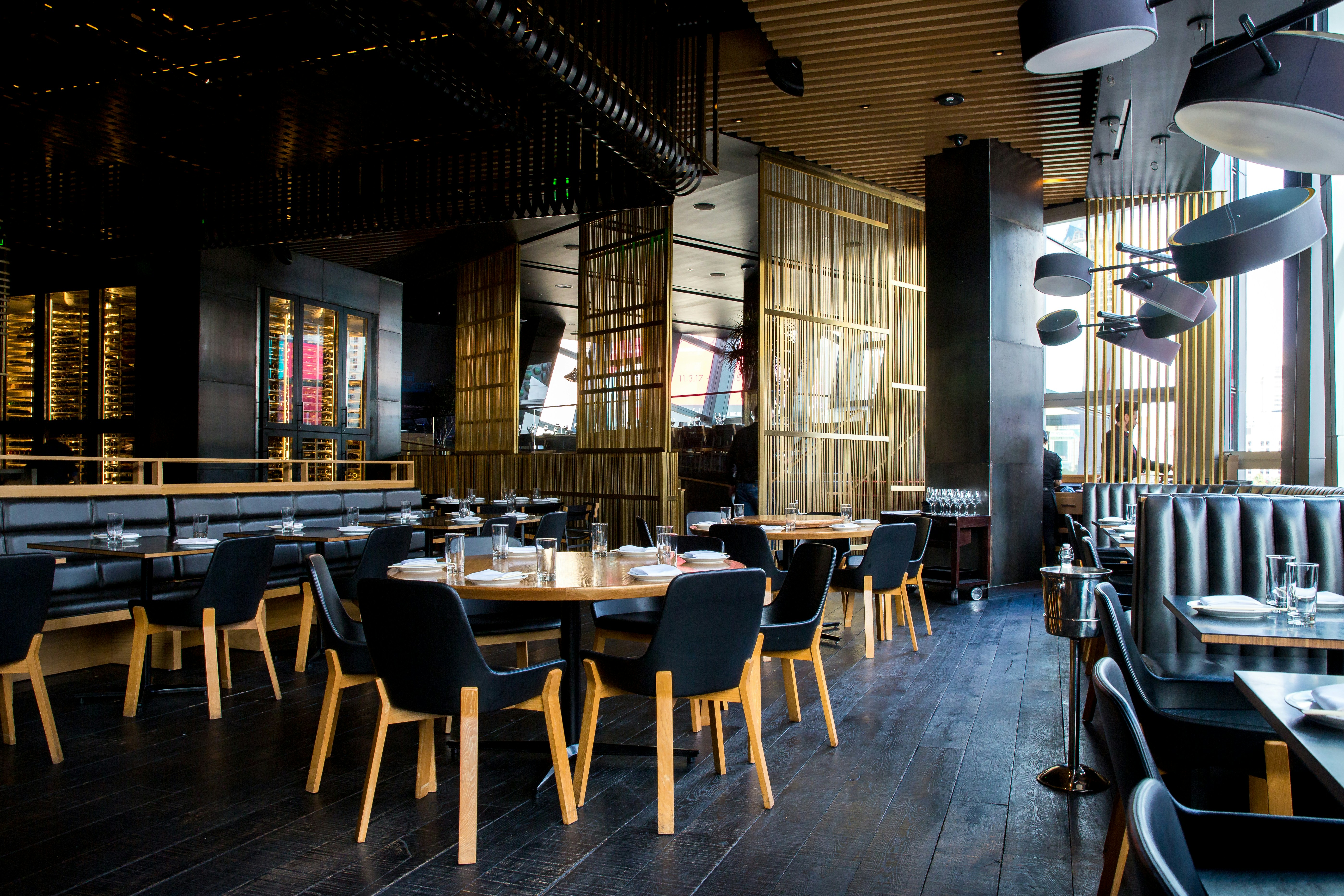
Photo by Philipp Thelen
The recent surge in restaurant bankruptcies serves as a cautionary tale for the industry, highlighting the importance of financial preparedness, operational adaptability, and strategic planning. By learning from the challenges faced by these businesses, industry players can better equip themselves to weather unforeseen crises and ensure long-term sustainability.