
How Much Does It Cost to Open a Coffee Shop in 2026?
Opening a coffee shop in 2026 requires careful cost planning across rent, equipment, labor, technology, menu strategy, marketing, and sustainability.
operations
May 15, 2026
Opening a coffee shop in 2026 requires careful cost planning across rent, equipment, labor, technology, menu strategy, marketing, and sustainability.
May 15, 2026

This AI playbook covers restaurant tools for voice ordering, staffing, compliance, menu pricing, inventory, marketing, ChatGPT prompts, and SEO.
May 15, 2026

Hardee’s giant Boddie-Noell inks 31-unit Scooter’s Coffee deal for NC and VA, leveraging drive-thru growth and local roots with rollout over 12–18 months.
May 15, 2026
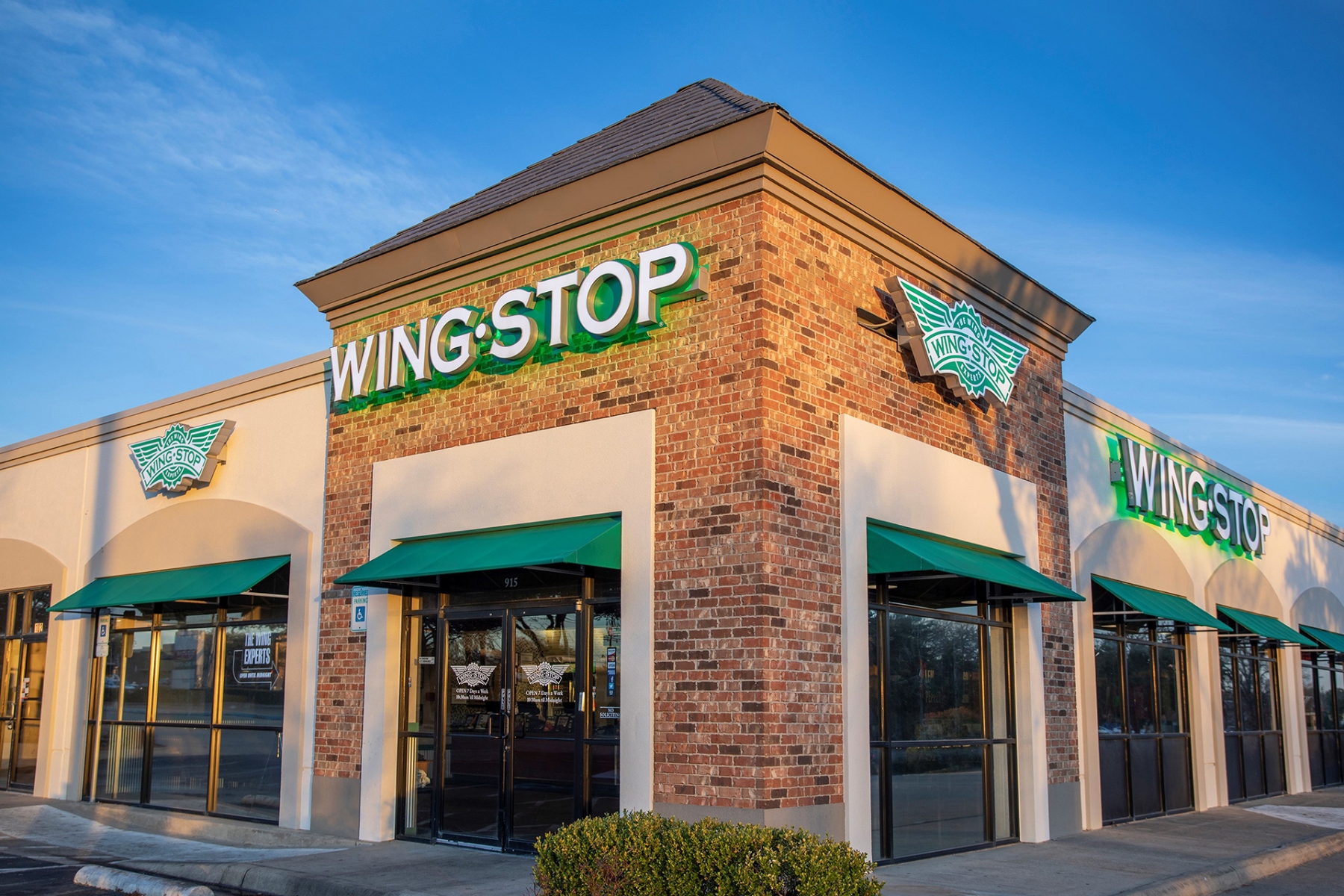
Wingstop turns match weeks into a multi-sensory festival, aligning bold pop-ups with World Cup energy to build brand affinity and measurable momentum.
May 15, 2026
The parent company behind Dunkin', Buffalo Wild Wings, and Arby's has filed for an IPO a move that could reshape how Wall Street views the restaurant sector.
May 15, 2026

Learn how to develop a memorable restaurant brand identity that stands out in a crowded market, attracts loyal customers, and drives repeat business with actionable strategies and affordable tools.
May 15, 2026
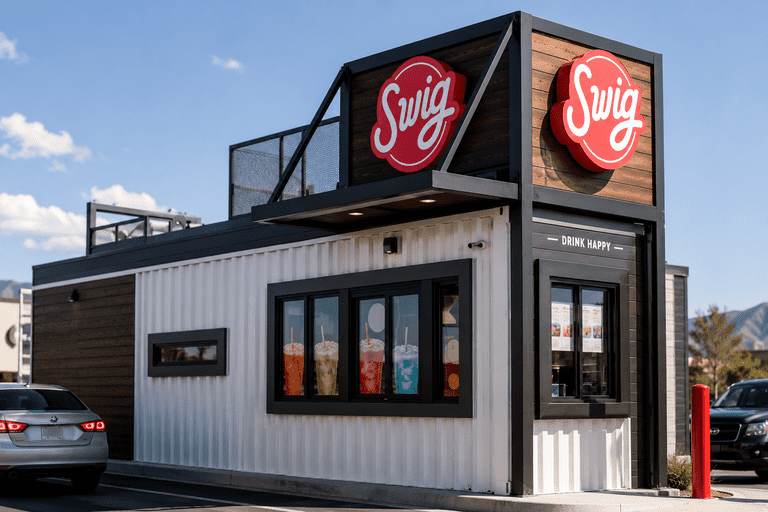
Dirty soda chain Swig is expanding into Colorado through a 10-unit franchise deal, riding a consumer beverage trend that's catching the attention of major QSR players nationwide.
May 15, 2026
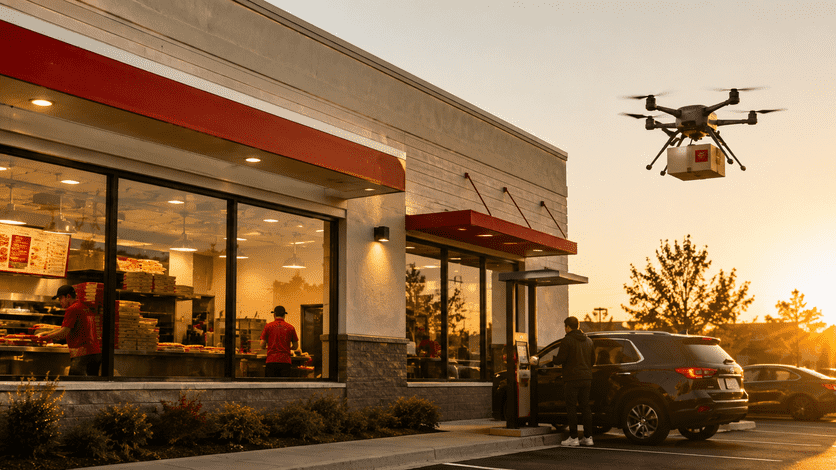
Papa Johns has teamed up with Alphabet's Wing for drone delivery of its new sandwich lineup in parts of Charlotte marking the first partnership of its kind between Wing and a national QSR brand.
May 15, 2026
A warm, expert-led look at McDonald’s Q1 results, menu makeover, and the refranchise question shaping its growth.
May 14, 2026

A reflective look at Habit Ranch, its immersive desert activation, and what it signals for brand loyalty and mindful, experiential dining.
May 14, 2026

Unlock Exclusive Access To Webinars, Events, And The Latest News For Free!
Delve into the legal battle between a former Just Salad CFO and the restaurant chain over a $1.2 million payout. Explore the complexities of separation agreements, valuations, and equity plans.
The recent lawsuit filed by former Just Salad CFO Stefan Boyd has brought to light a complex legal battle involving executive compensation and contractual obligations. Boyd, instrumental in facilitating Just Salad's growth to a $1 billion valuation following a substantial funding round, claims that his separation agreement entitled him to a significant payout of $1.2 million. However, the disagreement arose when Just Salad contested the terms of the agreement, arguing that Boyd's contribution exceeded expectations, leading to a dispute over the interpretation of contractual language.
In this legal tussle, Stefan Boyd, represented by legal counsel Parker Pohl LLP, accuses Just Salad of exploiting technicalities in the separation agreement to evade the owed compensation. On the other side, Just Salad's CEO Kenner asserts that Boyd's departure did not meet the criteria specified in the agreement for the payout. The conflicting claims center on the interpretation of the separation agreement's conditions, particularly in light of Just Salad's unprecedented valuation post the funding round.
Separation agreements, common in the realm of high-level executive departures, serve as crucial documents outlining the terms of separation, including post-employment compensation and benefits. These agreements aim to protect both the company and the departing executive by clearly delineating the obligations of each party. However, as seen in Boyd's case, disputes can arise when the interpretation of such agreements becomes contentious.
Boyd's lawsuit sheds light on the intricacies of executive compensation structures, especially concerning equity plans tied to company performance and valuations. Executives often defer compensation into such plans with the expectation of receiving substantial payouts upon the achievement of specific milestones, as seen in Boyd's case. The dispute underscores the importance of precise and unambiguous terms in such agreements to prevent misunderstandings.
The outcome of this legal battle between Boyd and Just Salad could have far-reaching implications for executive contracts and separation agreements within the corporate landscape. If Boyd's claims are substantiated, it may prompt companies to revisit and potentially revise the clarity of their separation agreements to avoid similar conflicts in the future. The industry's response to this case could set precedents for defining compensation structures in high-stakes executive roles.