
How Much Does It Cost to Open a Coffee Shop in 2026?
Opening a coffee shop in 2026 requires careful cost planning across rent, equipment, labor, technology, menu strategy, marketing, and sustainability.
operations
May 15, 2026
Opening a coffee shop in 2026 requires careful cost planning across rent, equipment, labor, technology, menu strategy, marketing, and sustainability.
May 15, 2026

This AI playbook covers restaurant tools for voice ordering, staffing, compliance, menu pricing, inventory, marketing, ChatGPT prompts, and SEO.
May 15, 2026

Hardee’s giant Boddie-Noell inks 31-unit Scooter’s Coffee deal for NC and VA, leveraging drive-thru growth and local roots with rollout over 12–18 months.
May 15, 2026
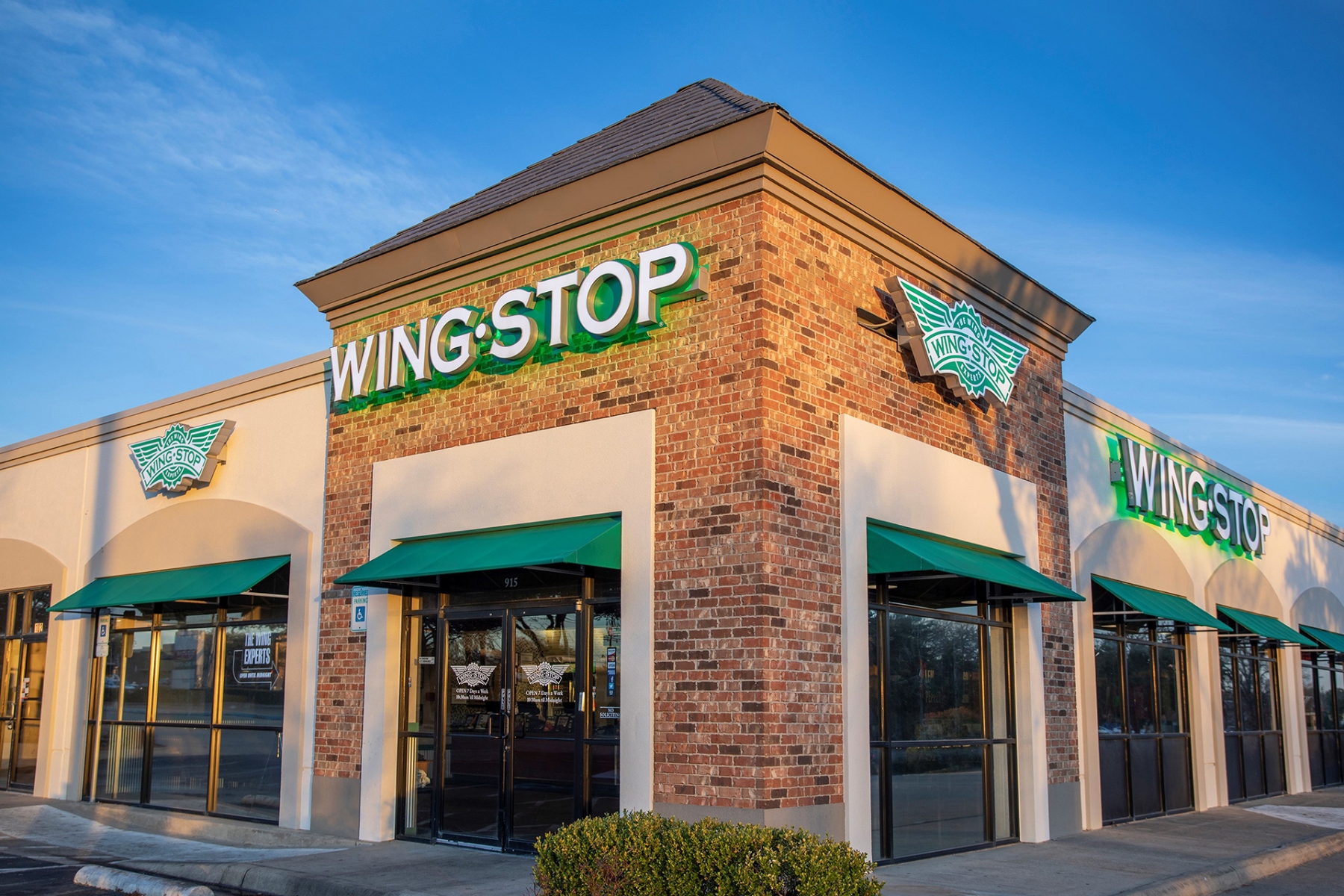
Wingstop turns match weeks into a multi-sensory festival, aligning bold pop-ups with World Cup energy to build brand affinity and measurable momentum.
May 15, 2026
The parent company behind Dunkin', Buffalo Wild Wings, and Arby's has filed for an IPO a move that could reshape how Wall Street views the restaurant sector.
May 15, 2026

Learn how to develop a memorable restaurant brand identity that stands out in a crowded market, attracts loyal customers, and drives repeat business with actionable strategies and affordable tools.
May 15, 2026
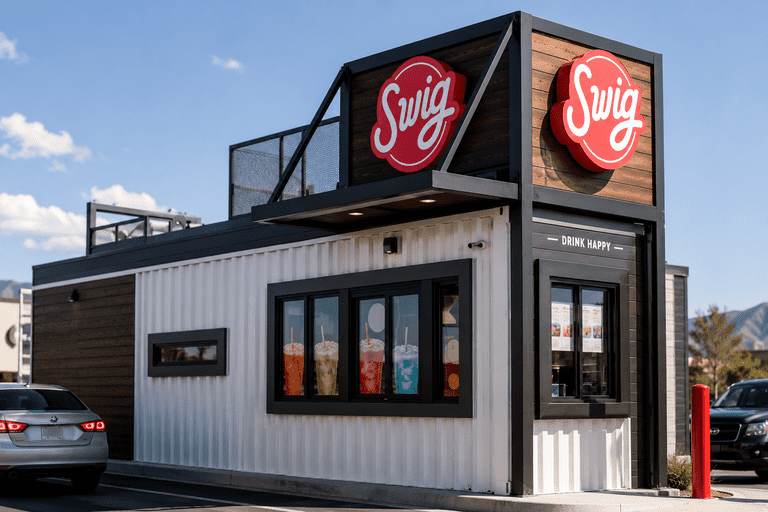
Dirty soda chain Swig is expanding into Colorado through a 10-unit franchise deal, riding a consumer beverage trend that's catching the attention of major QSR players nationwide.
May 15, 2026
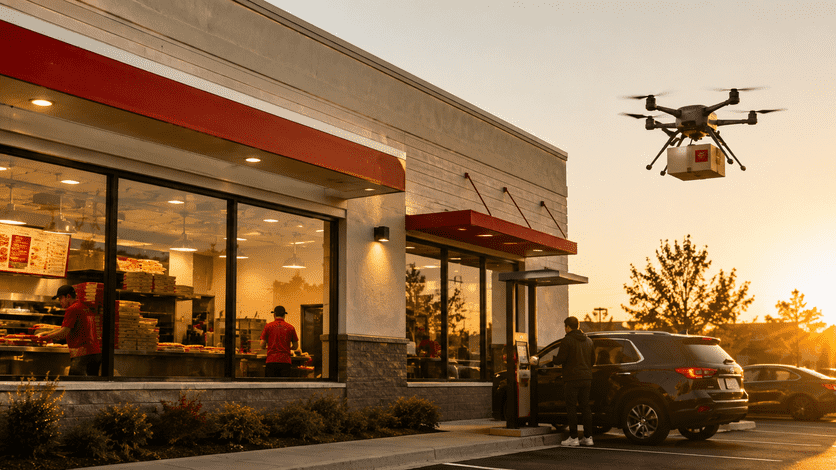
Papa Johns has teamed up with Alphabet's Wing for drone delivery of its new sandwich lineup in parts of Charlotte marking the first partnership of its kind between Wing and a national QSR brand.
May 15, 2026
A warm, expert-led look at McDonald’s Q1 results, menu makeover, and the refranchise question shaping its growth.
May 14, 2026

A reflective look at Habit Ranch, its immersive desert activation, and what it signals for brand loyalty and mindful, experiential dining.
May 14, 2026

Unlock Exclusive Access To Webinars, Events, And The Latest News For Free!
Explore the repercussions of the court's ruling on President Trump's tariff executive orders and its implications on international trade. Learn about the legal battles, historical context, and expert opinions.
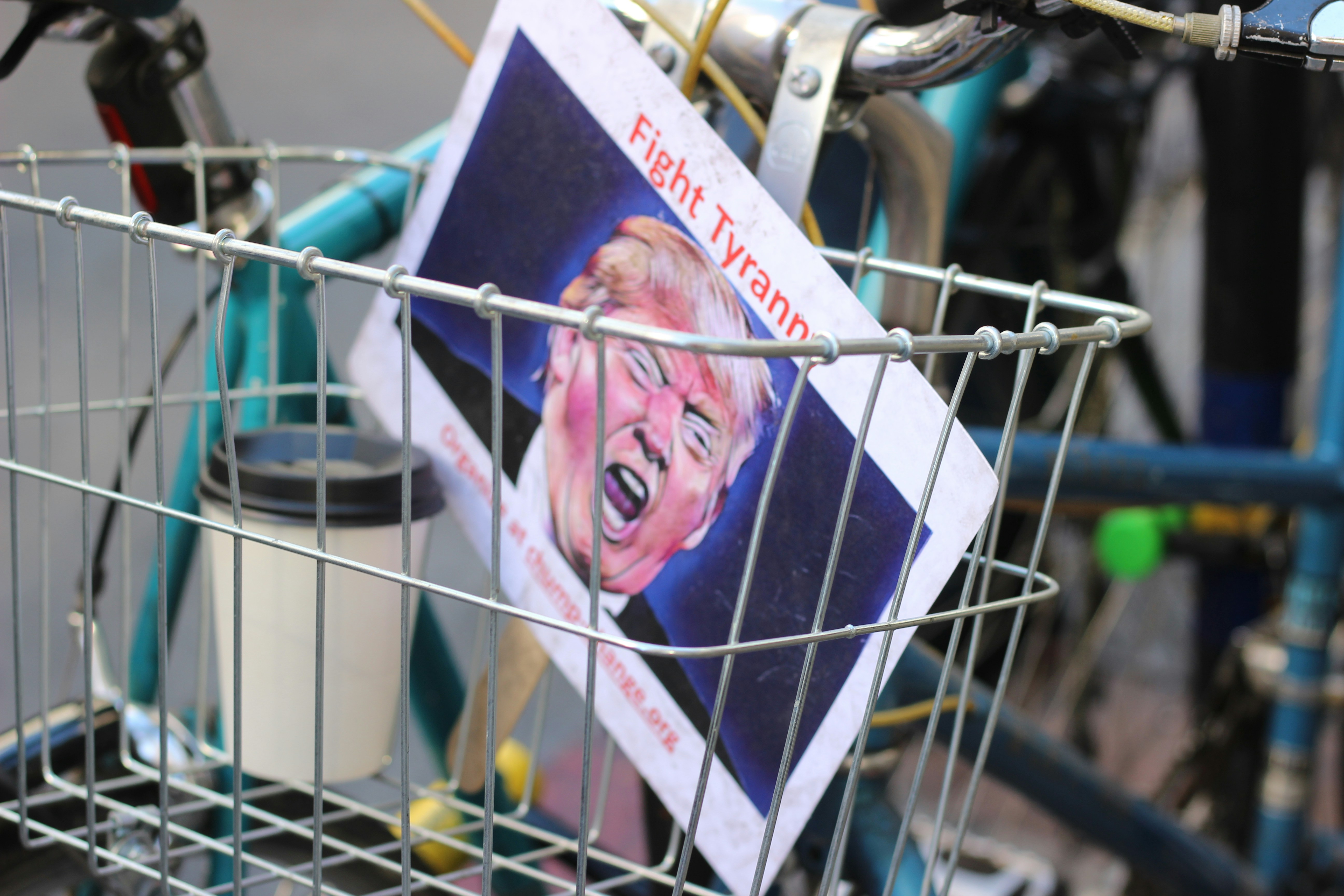
Photo by Samantha Sophia
The recent injunction by the United States Court of International Trade against several of President Trump's tariff executive orders has stirred significant legal and economic discussions. The court blocked four executive orders that utilized emergency powers to impose tariffs on countries like Canada, China, and Mexico, alongside a 10% global tariff and reciprocal tariffs. The decision called for an immediate halt to any activities associated with these orders and mandated the issuance of administrative notices within a specific timeframe.
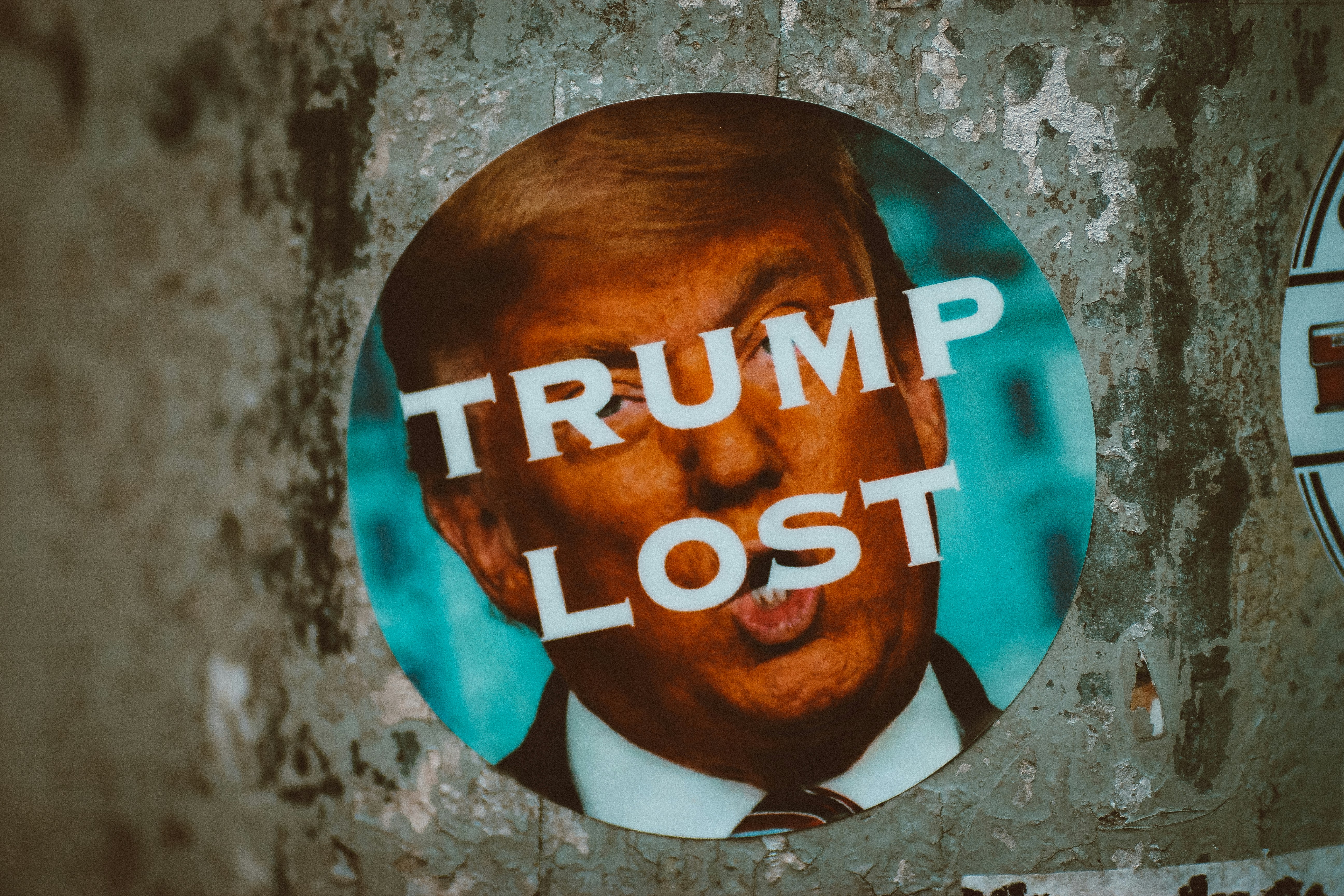
Photo by Samantha Sophia
The legal battle surrounding the imposition of tariffs under the International Emergency Economic Powers Act saw small businesses and U.S. states raise concerns about the overreach of presidential powers. Through separate petitions, they contested that the tariffs exceeded the authority granted by the IEEPA. Ultimately, the court ruled in favor of the petitioners, stating that the presidential orders went beyond the permitted scope of tariff regulations.
The court's decision not only impacts the specific tariffs on trading partners but also questions broader tariff-related actions by the White House. Trump's elimination of the de minimis exemption for imports from China and Hong Kong, based on the IEEPA, now faces uncertainty due to the injunction. Additionally, while tariffs on select products like automobiles and steel remain unaffected, the halt raises doubts about the administration’s tariff strategy moving forward.
While previous presidents, like Richard Nixon, have utilized emergency powers to impose tariffs, President Trump's use of such authority has been notably extensive and encompassed various national crises. The transformation of laws from Nixon's era to the current IEEPA framework has created unexplored legal territories, particularly regarding the scope and limits of tariff imposition under emergency powers.
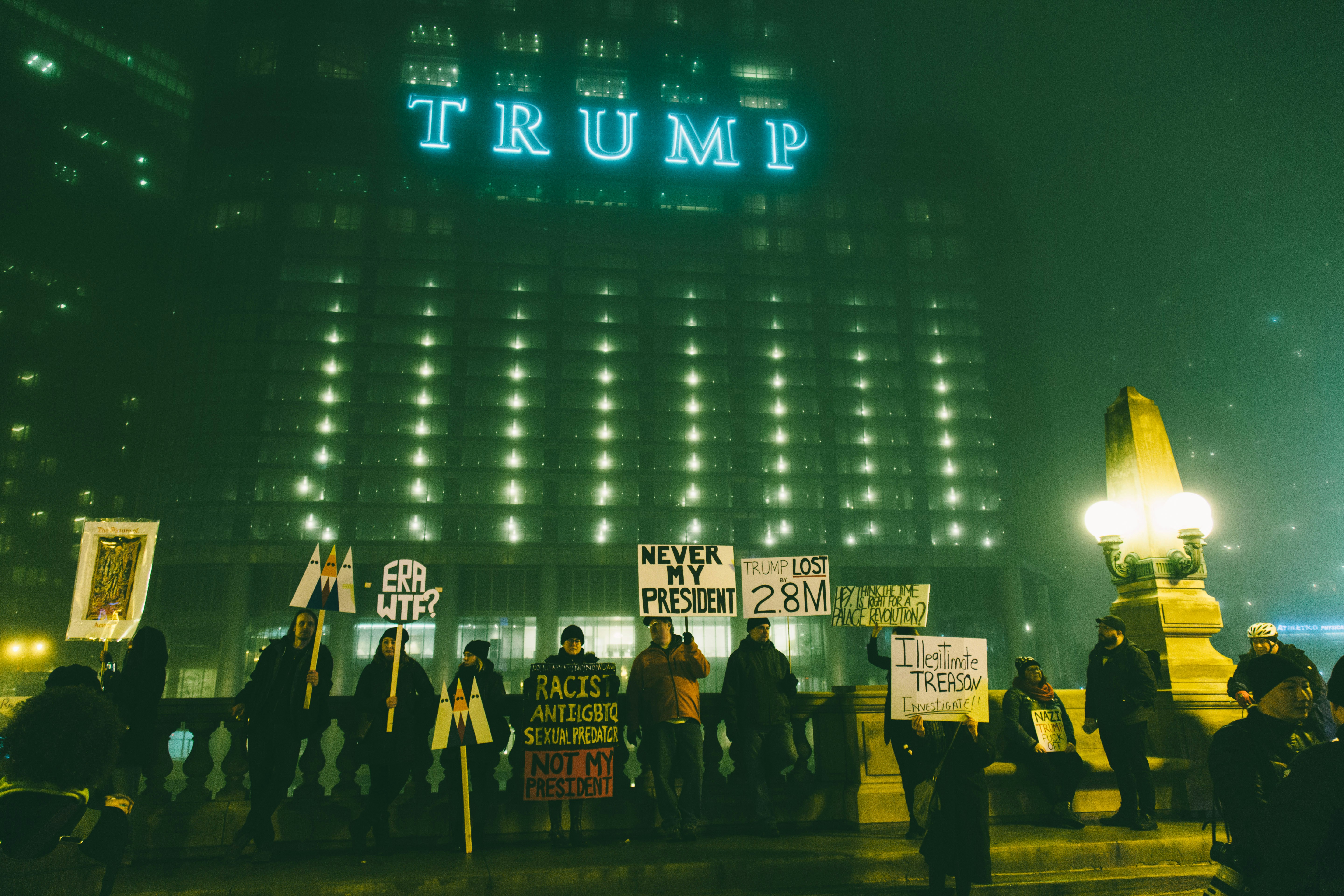
Photo by Samantha Sophia
The judicial scrutiny on Trump's tariff executive orders has prompted experts to evaluate the constitutional and legal frameworks surrounding tariff regulation. Analysts, like Christopher A. Casey from the Congressional Research Service, emphasize the need for clarity on the extent to which tariffs can be imposed under the IEEPA. The future trajectory of tariff policies and emergency power usage in trade remains uncertain following the court’s intervention.
Unsurprisingly, the court's decision to block Trump's tariff orders has sparked reactions from within the administration. Statements from officials like White House Deputy Chief of Staff Stephen Miller and spokesperson Kush Desai have criticized the judicial intervention, raising concerns about the role of unelected judges in determining national emergency responses.