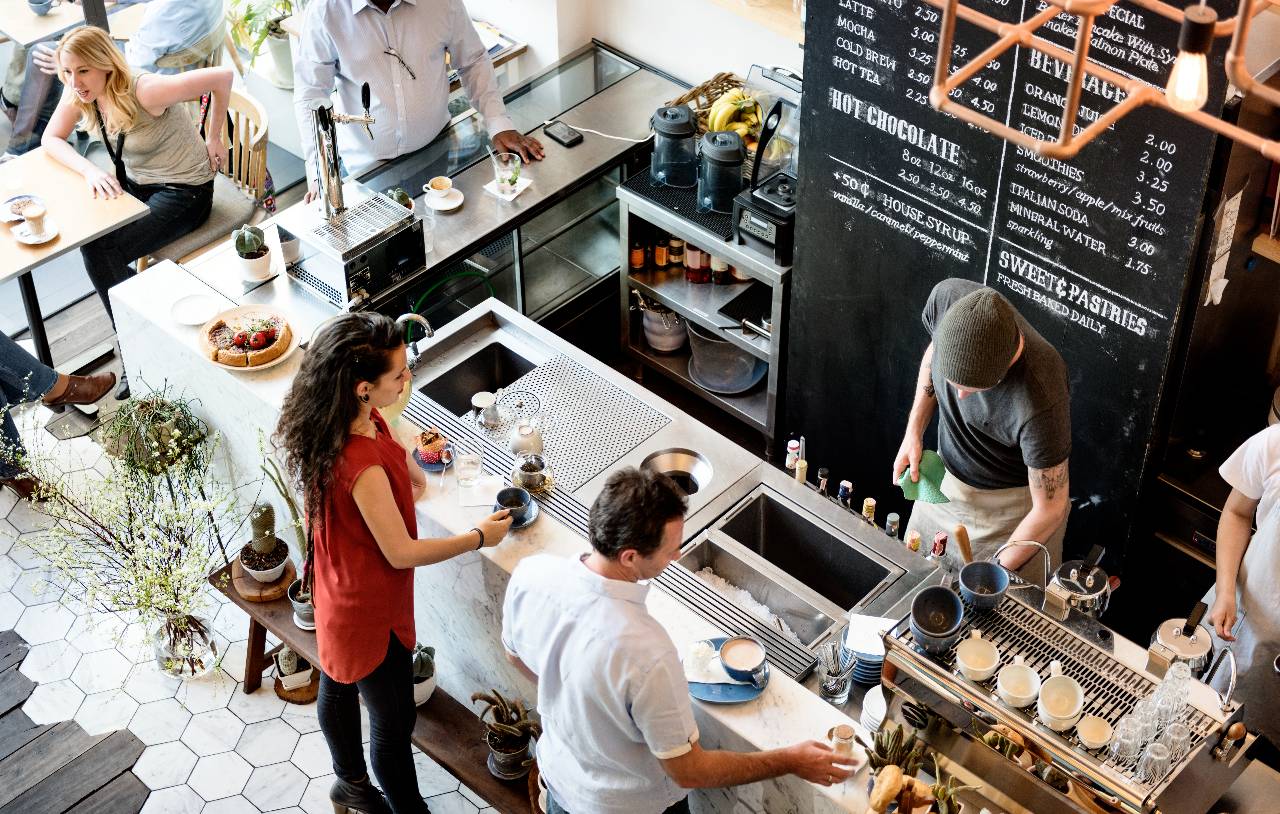
How Much Does It Cost to Open a Coffee Shop in 2026?
Opening a coffee shop in 2026 requires careful cost planning across rent, equipment, labor, technology, menu strategy, marketing, and sustainability.
operations
May 15, 2026
Opening a coffee shop in 2026 requires careful cost planning across rent, equipment, labor, technology, menu strategy, marketing, and sustainability.
May 15, 2026
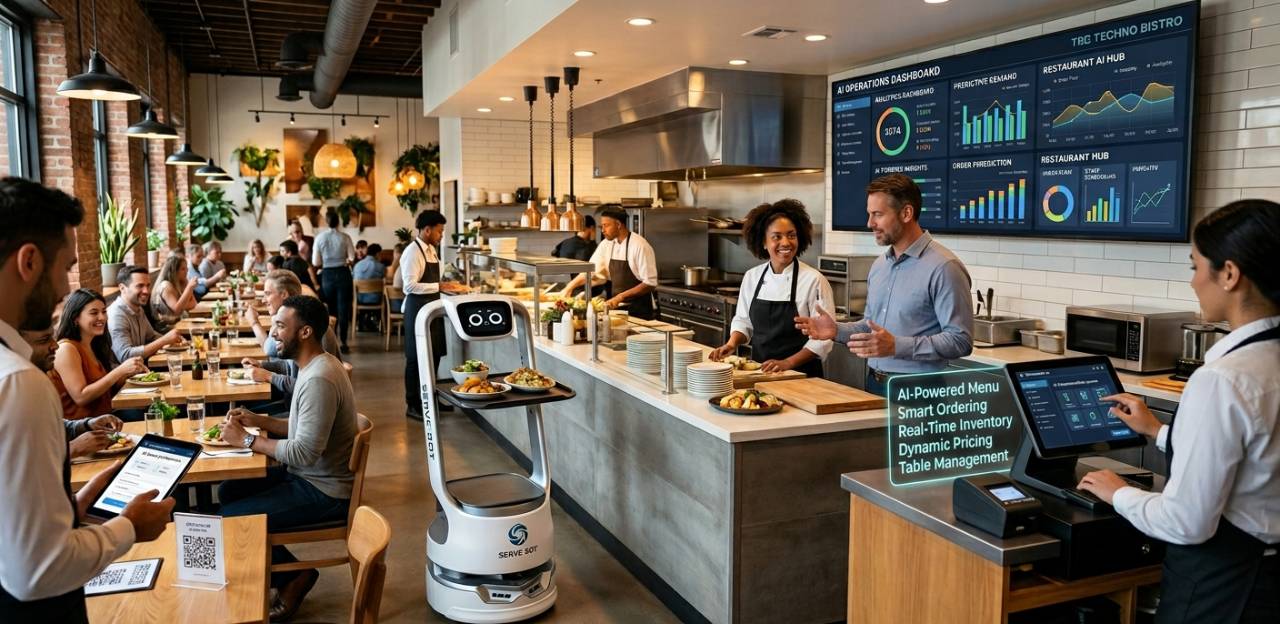
This AI playbook covers restaurant tools for voice ordering, staffing, compliance, menu pricing, inventory, marketing, ChatGPT prompts, and SEO.
May 15, 2026
Hardee’s giant Boddie-Noell inks 31-unit Scooter’s Coffee deal for NC and VA, leveraging drive-thru growth and local roots with rollout over 12–18 months.
May 15, 2026
Wingstop turns match weeks into a multi-sensory festival, aligning bold pop-ups with World Cup energy to build brand affinity and measurable momentum.
May 15, 2026
The parent company behind Dunkin', Buffalo Wild Wings, and Arby's has filed for an IPO a move that could reshape how Wall Street views the restaurant sector.
May 15, 2026

Learn how to develop a memorable restaurant brand identity that stands out in a crowded market, attracts loyal customers, and drives repeat business with actionable strategies and affordable tools.
May 15, 2026
Dirty soda chain Swig is expanding into Colorado through a 10-unit franchise deal, riding a consumer beverage trend that's catching the attention of major QSR players nationwide.
May 15, 2026
Papa Johns has teamed up with Alphabet's Wing for drone delivery of its new sandwich lineup in parts of Charlotte marking the first partnership of its kind between Wing and a national QSR brand.
May 15, 2026
A warm, expert-led look at McDonald’s Q1 results, menu makeover, and the refranchise question shaping its growth.
May 14, 2026
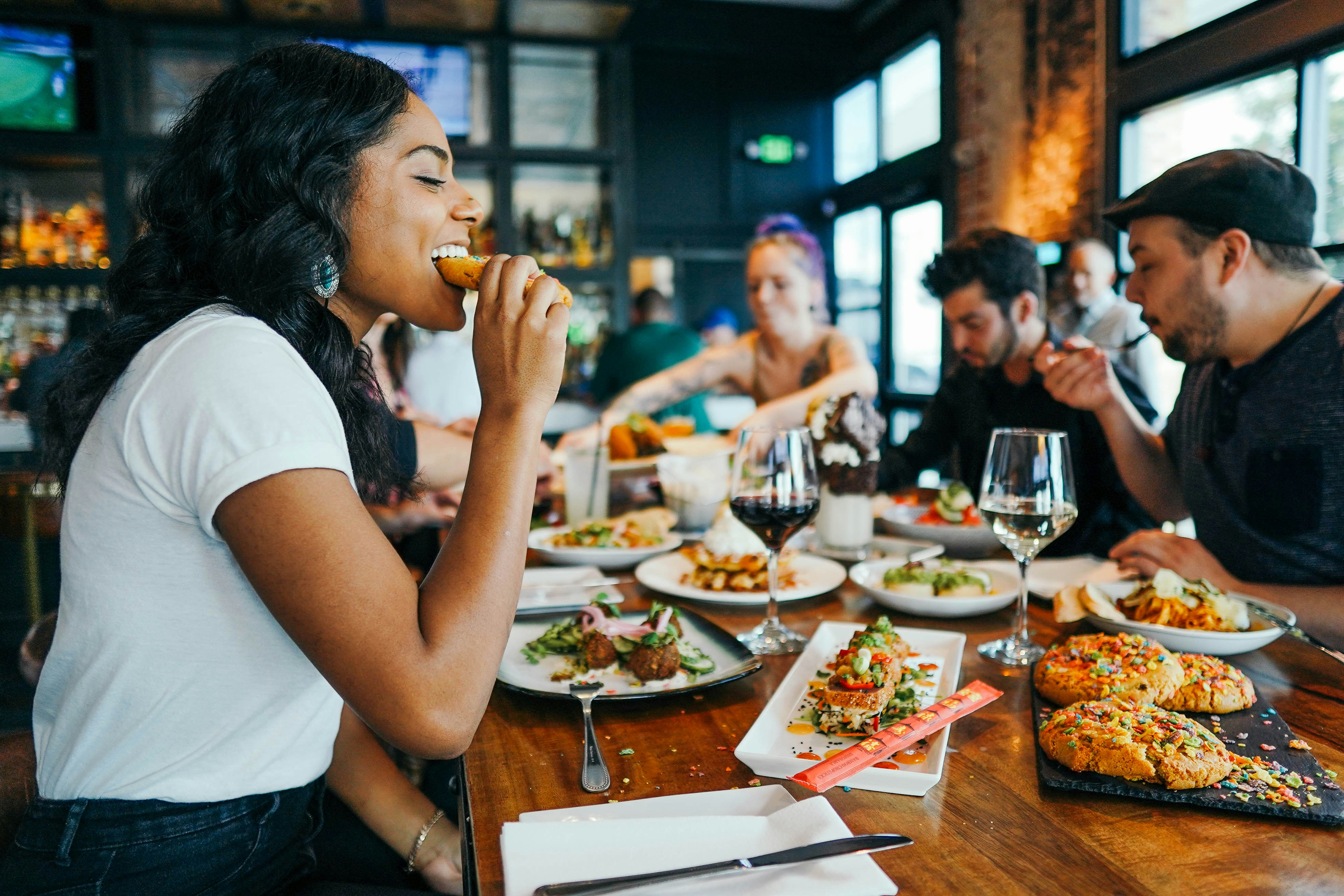
A reflective look at Habit Ranch, its immersive desert activation, and what it signals for brand loyalty and mindful, experiential dining.
May 14, 2026

Unlock Exclusive Access To Webinars, Events, And The Latest News For Free!
Explore the recent announcement of increased tariffs by President Donald Trump and its implications on global trade relations.
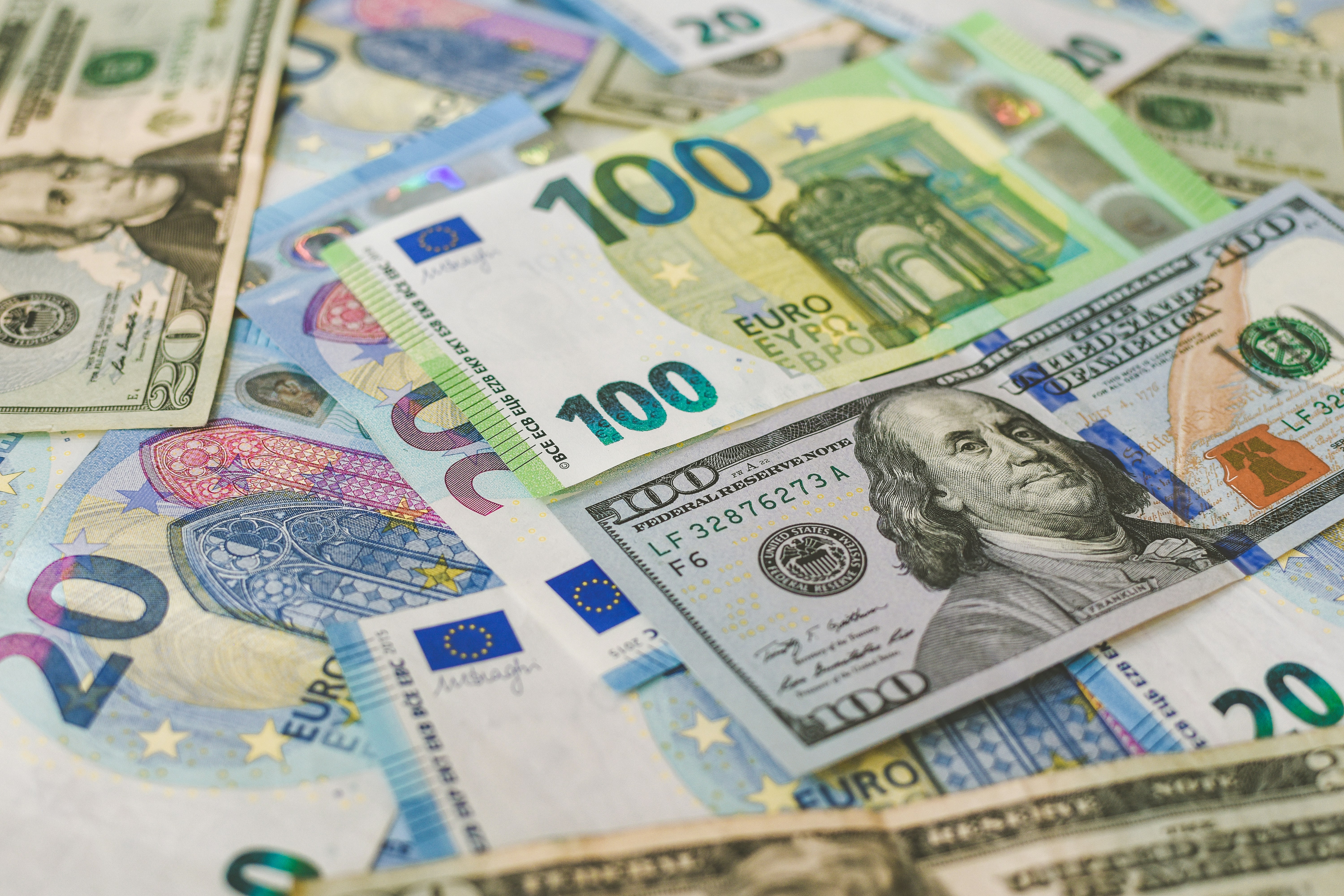
Photo by Ibrahim Boran

Photo by Ibrahim Boran
President Donald Trump has unveiled significant changes to the U.S. tariff policy, including the introduction of a universal baseline tariff of 10% effective April 5. This move marks a shift in trade dynamics and impacts various countries differently based on their existing trade practices. The President emphasized that nations like China, Japan, and the European Union will face higher duties beyond the baseline rate.
Photo by Ibrahim Boran
Under the new policy, countries are subject to tariff rates in proportion to the trade barriers they impose on the U.S. For instance, China is set to face a 34% tariff due to its 67% charge on U.S. goods. This approach aims to address perceived trade imbalances and protect American interests. Japan, the EU, and Vietnam are also slated to experience increased tariff rates, further complicating global trade relations.
The imposition of tariffs has led to concerns, especially from sectors like the restaurant industry. Michelle Korsmo, CEO of the National Restaurant Association, highlighted the challenges these tariffs pose for businesses reliant on imported goods. The disruptions in the supply chain and potential price increases could significantly affect the profitability of restaurants, emphasizing the need for strategic planning in a changing trade environment.
Certain goods, such as steel, aluminum, automotive products, and pharmaceuticals, are excluded from the new tariffs. Additionally, previous tariffs on Canada and Mexico remain unchanged, maintaining stability in trade relationships within the North American region. The selective application of tariffs reflects a nuanced approach by the Trump administration to balance economic interests and diplomatic considerations.

Photo by Ibrahim Boran
President Trump's initial stance on reciprocal tariffs, where the U.S. would match trade barriers imposed by other countries, has evolved into a more targeted approach. The administration's decision to assess non-reciprocal trade agreements signals a strategic reevaluation of trade policies. This shift aims to address perceived unfair practices while avoiding widespread retaliation that could harm global commerce.

Photo by Ibrahim Boran
The announcement of increased tariffs has triggered responses from U.S. trading partners, leading to a tit-for-tat escalation in tariff measures. Countries like China, Canada, and the EU have outlined countermeasures in response to the U.S. tariffs, creating a complex web of trade disputes. Mexico's plans to retaliate against higher import fees signal the potential for further disruptions in international trade dynamics.