How Much Does It Cost to Open a Coffee Shop in 2026?
Opening a coffee shop in 2026 requires careful cost planning across rent, equipment, labor, technology, menu strategy, marketing, and sustainability.
operations
May 15, 2026
Opening a coffee shop in 2026 requires careful cost planning across rent, equipment, labor, technology, menu strategy, marketing, and sustainability.
May 15, 2026

This AI playbook covers restaurant tools for voice ordering, staffing, compliance, menu pricing, inventory, marketing, ChatGPT prompts, and SEO.
May 15, 2026

Hardee’s giant Boddie-Noell inks 31-unit Scooter’s Coffee deal for NC and VA, leveraging drive-thru growth and local roots with rollout over 12–18 months.
May 15, 2026

Wingstop turns match weeks into a multi-sensory festival, aligning bold pop-ups with World Cup energy to build brand affinity and measurable momentum.
May 15, 2026

The parent company behind Dunkin', Buffalo Wild Wings, and Arby's has filed for an IPO a move that could reshape how Wall Street views the restaurant sector.
May 15, 2026

Learn how to develop a memorable restaurant brand identity that stands out in a crowded market, attracts loyal customers, and drives repeat business with actionable strategies and affordable tools.
May 15, 2026

Dirty soda chain Swig is expanding into Colorado through a 10-unit franchise deal, riding a consumer beverage trend that's catching the attention of major QSR players nationwide.
May 15, 2026

Papa Johns has teamed up with Alphabet's Wing for drone delivery of its new sandwich lineup in parts of Charlotte marking the first partnership of its kind between Wing and a national QSR brand.
May 15, 2026

A warm, expert-led look at McDonald’s Q1 results, menu makeover, and the refranchise question shaping its growth.
May 14, 2026

A reflective look at Habit Ranch, its immersive desert activation, and what it signals for brand loyalty and mindful, experiential dining.
May 14, 2026

Unlock Exclusive Access To Webinars, Events, And The Latest News For Free!
Explore the history and implications of E. coli outbreaks in the food industry, focusing on recent cases like McDonald's.
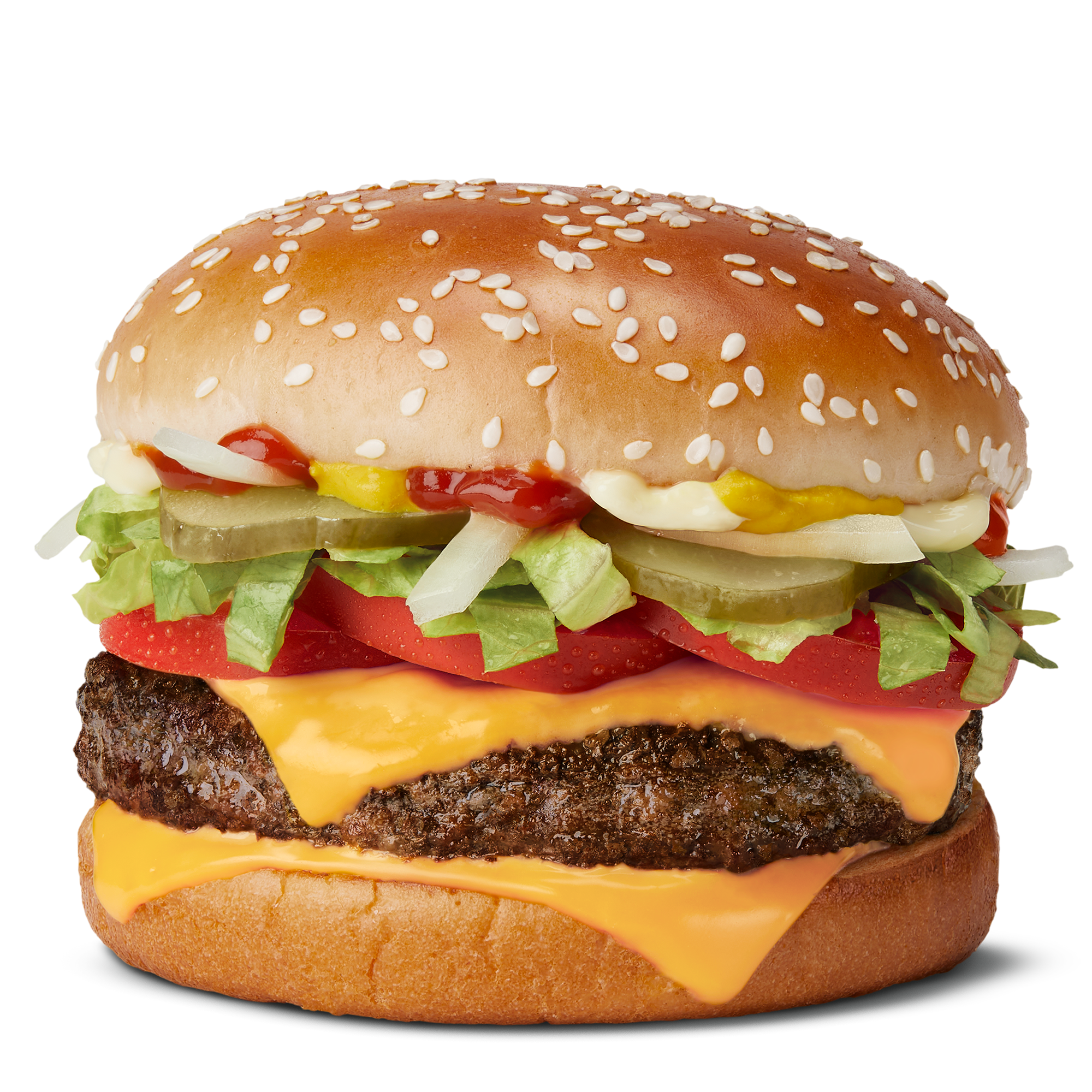
E. coli O157:H7, a strain notorious for foodborne illnesses, has plagued the foodservice sector for decades. One of the most notable outbreaks occurred in 1992-93, affecting 732 individuals across four states in the U.S. This outbreak was linked to Jack in the Box restaurants across California, Idaho, Nevada, and Washington, resulting in four fatalities and leaving 178 others with permanent injuries.
The food industry continues to grapple with E. coli infections, as seen in various incidents involving major brands. For instance, in 2020, Chipotle Mexican Grill Inc. faced criminal charges and a hefty fine due to food adulteration that led to over 1,100 illnesses, some related to E. coli. Similarly, Taco Bell had to remove green onions from its outlets in 2006 after an E. coli outbreak affected numerous customers, causing severe health complications.
The recent E. coli outbreak associated with McDonald's has prompted actions such as the temporary halt in using certain ingredients in multiple states. Other brands like KFC, Pizza Hut, Taco Bell, and Burger King have also pulled onions from their menus to address potential contamination risks. The Centers for Disease Control and Prevention (CDC) reported a significant number of individuals impacted by the outbreak strain, emphasizing the broader scope of the issue beyond the known cases.
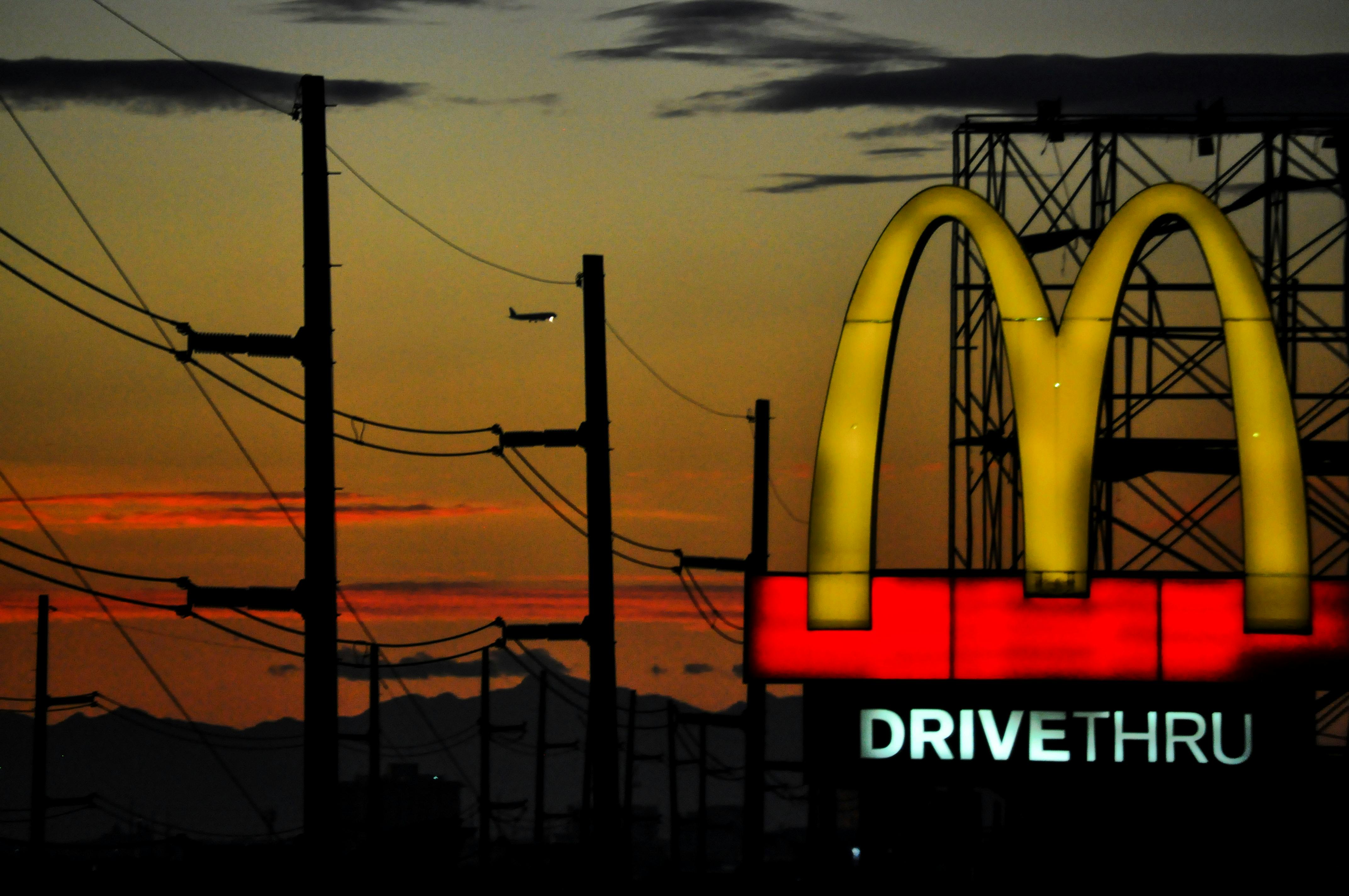
Food safety expert Bill Marler highlighted the progress made in preventing E. coli outbreaks, particularly related to ground beef. Improved interventions during slaughter and stricter regulations, including considering E. coli O157:H7 as an adulterant, have enhanced safety measures. However, the prevalence of E. coli in various foods beyond beef poses ongoing challenges, necessitating continuous vigilance across the food industry.
The CDC's response to the McDonald's incident underscores the seriousness of E. coli contamination. Symptoms of E. coli O157:H7 infection include severe stomach cramps, bloody diarrhea, and vomiting, typically appearing days after exposure. While many recover without medical intervention, cases can develop into hemolytic uremic syndrome (HUS), requiring hospitalization. Understanding these symptoms is crucial for prompt action and containment of outbreaks.