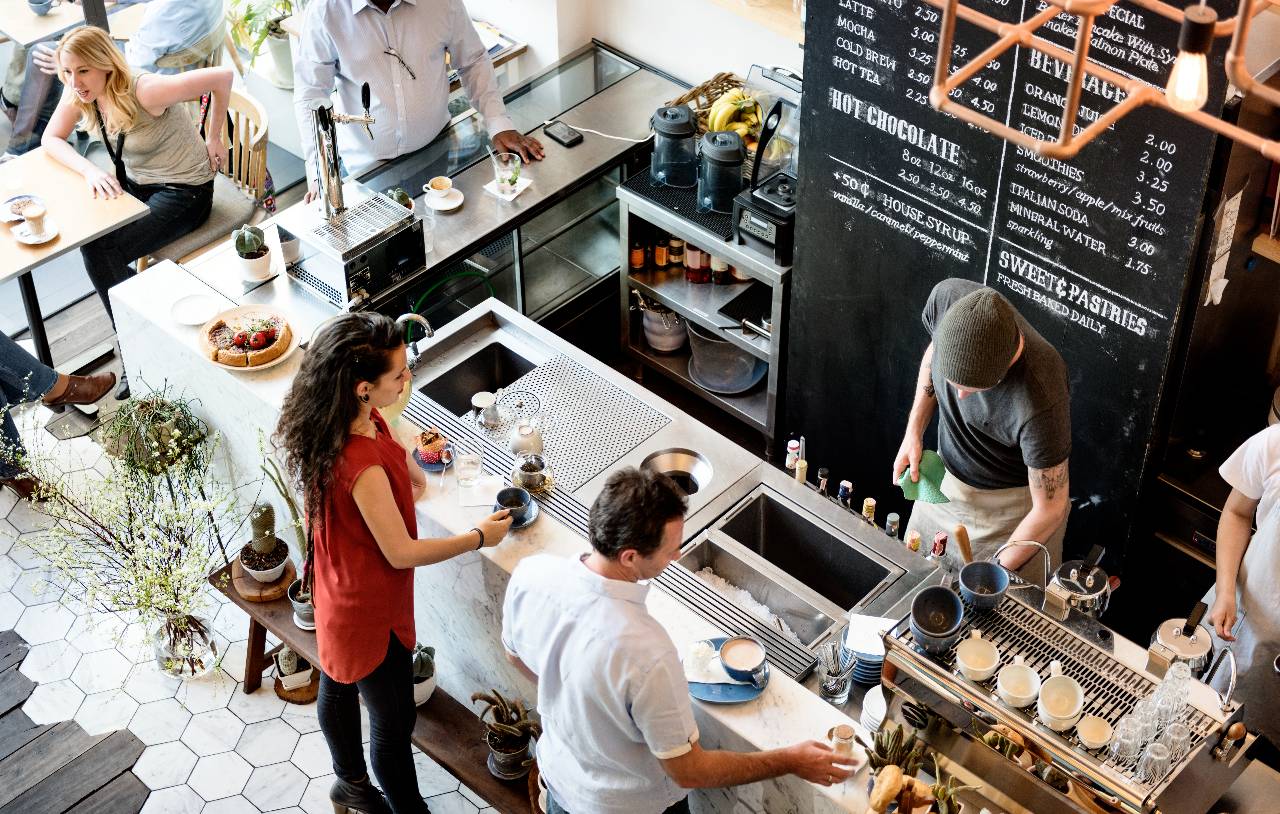
How Much Does It Cost to Open a Coffee Shop in 2026?
Opening a coffee shop in 2026 requires careful cost planning across rent, equipment, labor, technology, menu strategy, marketing, and sustainability.
operations
May 15, 2026
Opening a coffee shop in 2026 requires careful cost planning across rent, equipment, labor, technology, menu strategy, marketing, and sustainability.
May 15, 2026
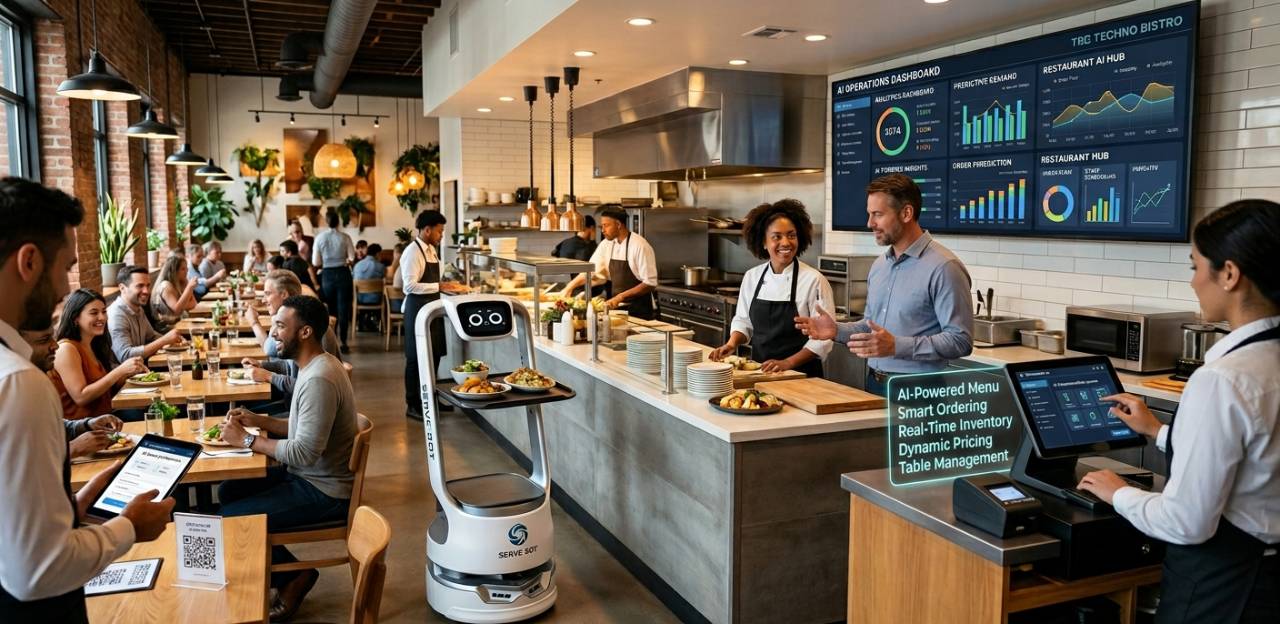
This AI playbook covers restaurant tools for voice ordering, staffing, compliance, menu pricing, inventory, marketing, ChatGPT prompts, and SEO.
May 15, 2026
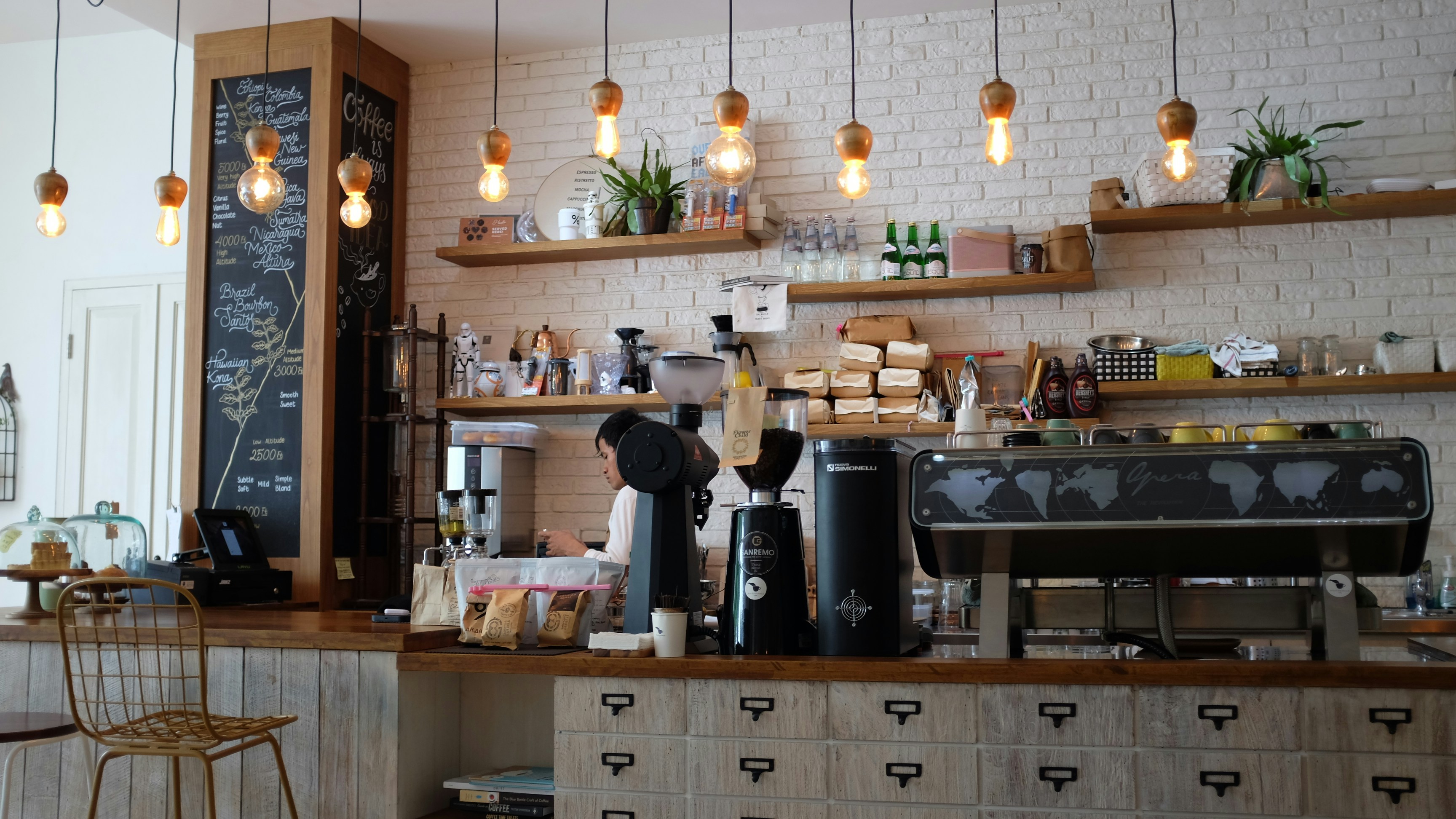
Hardee’s giant Boddie-Noell inks 31-unit Scooter’s Coffee deal for NC and VA, leveraging drive-thru growth and local roots with rollout over 12–18 months.
May 15, 2026
Wingstop turns match weeks into a multi-sensory festival, aligning bold pop-ups with World Cup energy to build brand affinity and measurable momentum.
May 15, 2026
The parent company behind Dunkin', Buffalo Wild Wings, and Arby's has filed for an IPO a move that could reshape how Wall Street views the restaurant sector.
May 15, 2026
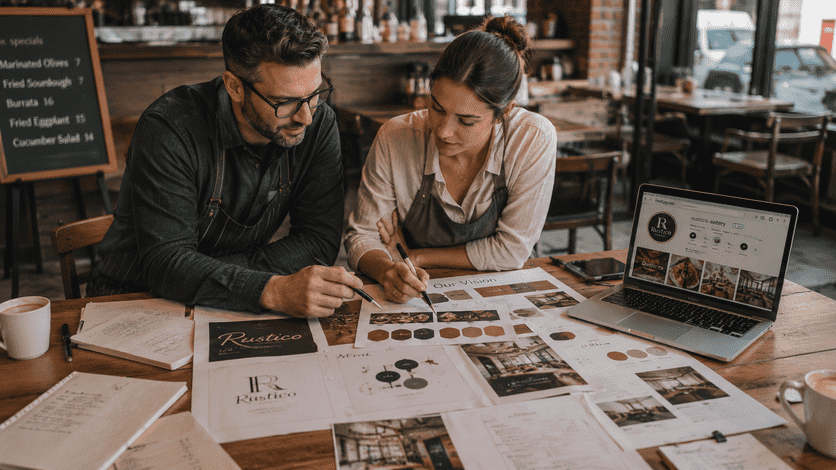
Learn how to develop a memorable restaurant brand identity that stands out in a crowded market, attracts loyal customers, and drives repeat business with actionable strategies and affordable tools.
May 15, 2026
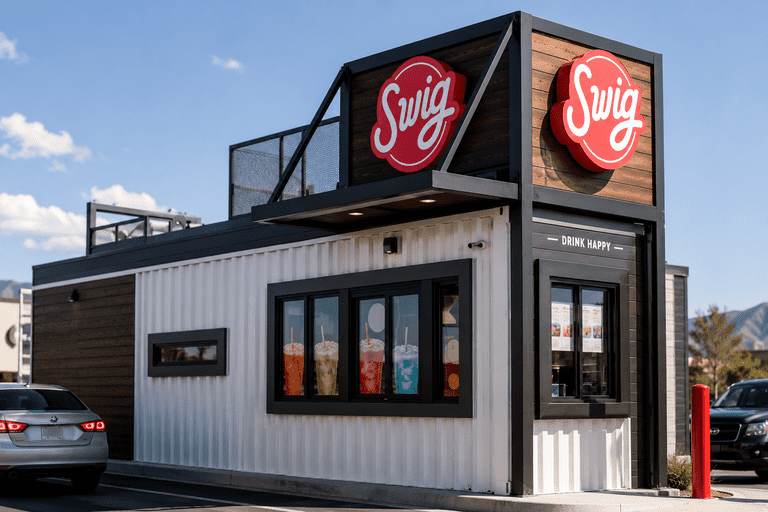
Dirty soda chain Swig is expanding into Colorado through a 10-unit franchise deal, riding a consumer beverage trend that's catching the attention of major QSR players nationwide.
May 15, 2026
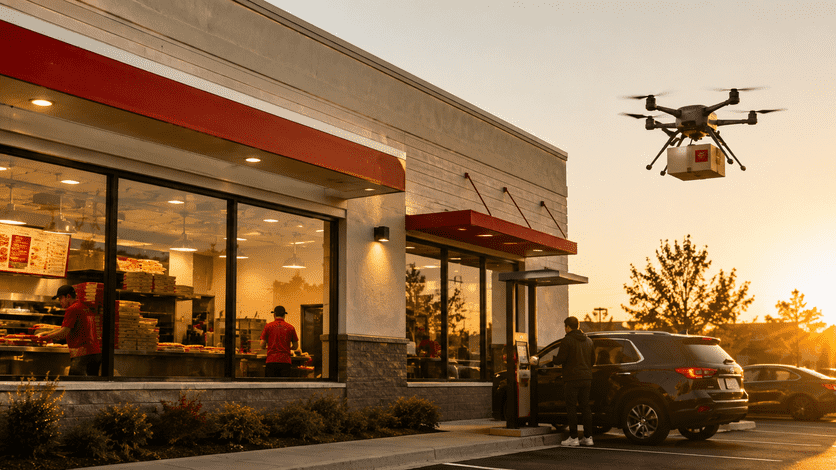
Papa Johns has teamed up with Alphabet's Wing for drone delivery of its new sandwich lineup in parts of Charlotte marking the first partnership of its kind between Wing and a national QSR brand.
May 15, 2026
A warm, expert-led look at McDonald’s Q1 results, menu makeover, and the refranchise question shaping its growth.
May 14, 2026
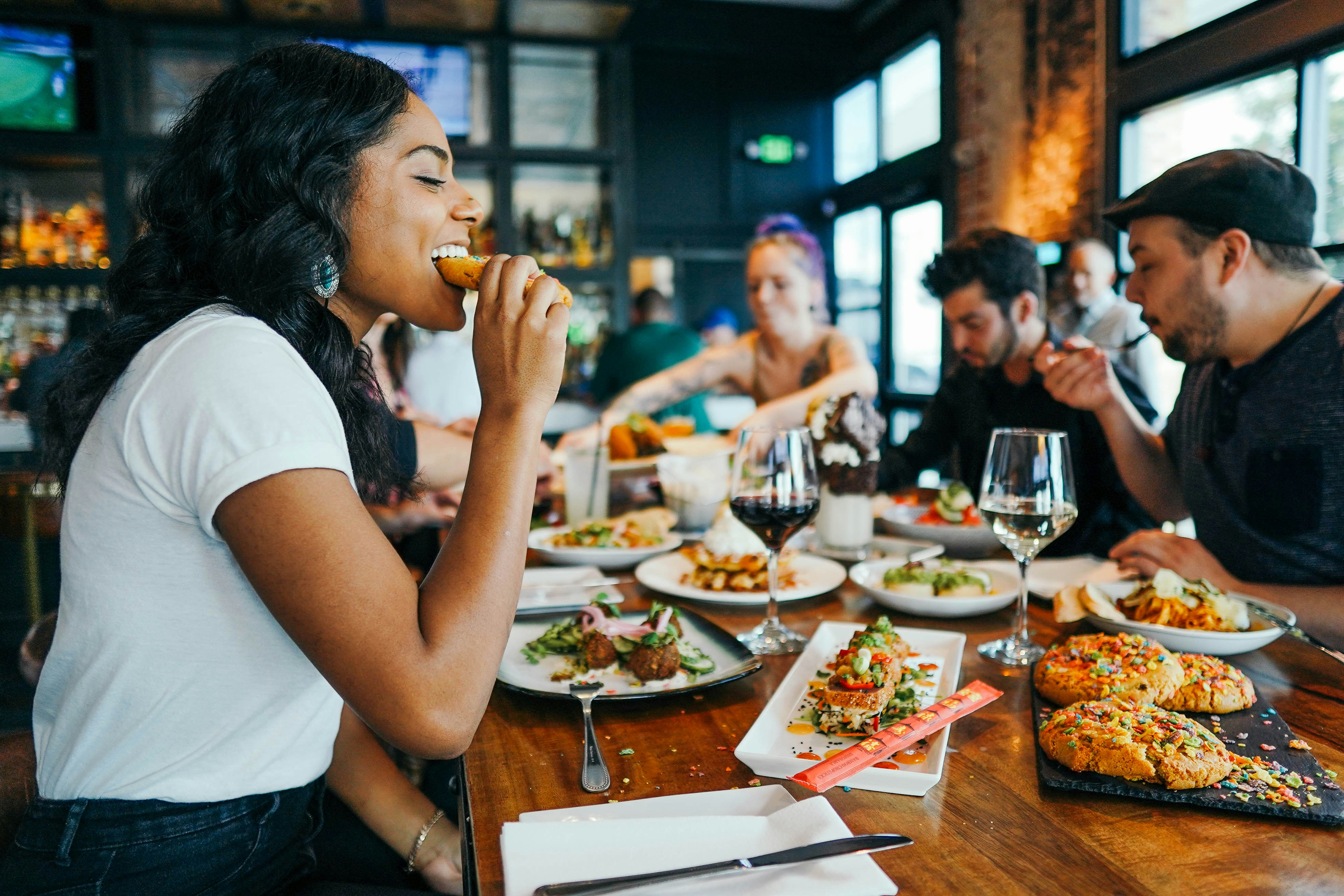
A reflective look at Habit Ranch, its immersive desert activation, and what it signals for brand loyalty and mindful, experiential dining.
May 14, 2026

Unlock Exclusive Access To Webinars, Events, And The Latest News For Free!
The recent trends in the Consumer Price Index are affecting food and restaurant prices, and what the future holds for grocery and dining expenses.
Photo by Mitchell Hollander
The recent data on the Consumer Price Index (CPI) indicates a 0.3% rise in November, contributing to a 2.7% increase compared to November 2023. This figure falls in line with market expectations but represents a slight uptick from the 0.2% growth in the previous four months. The CPI serves as a key indicator of inflation, reflecting the average change over time in the prices paid by urban consumers for a market basket of consumer goods and services.
Photo by Mitchell Hollander
The food-away-from-home index, a component of the CPI that tracks restaurant prices, saw a 0.3% increase in November following a 0.2% uptick in October. Both full-service and limited-service meal prices rose by 0.3% during the month, contributing to a 3.6% increase in menu prices compared to the previous year. Limited-service meals experienced a slightly higher rise at 3.7% over the last 12 months, while full-service meals increased by 3.6% over the same period.
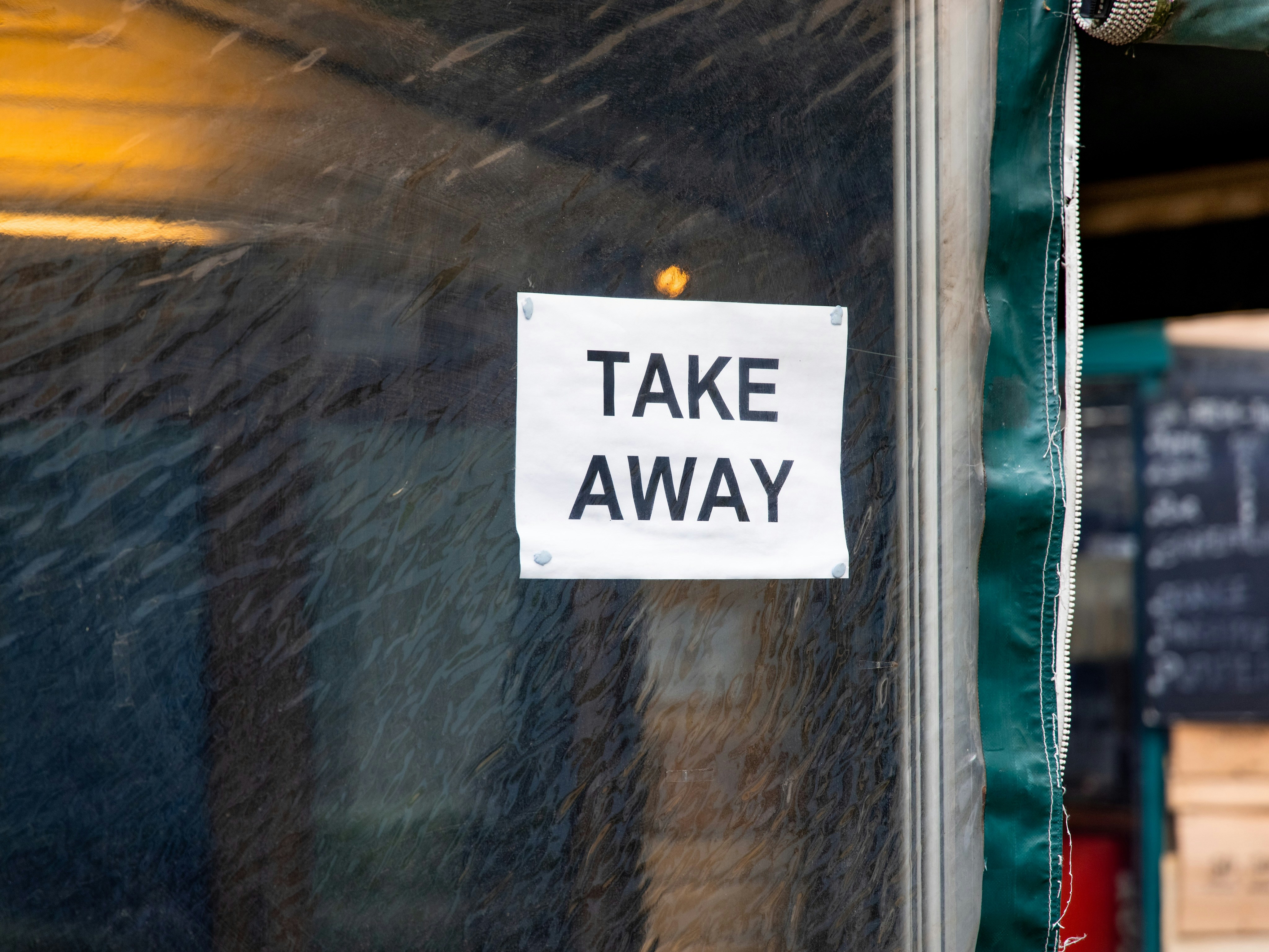
Photo by Mitchell Hollander
Despite the rise in restaurant prices, grocery and supermarket inflation lagged behind, showing a year-over-year increase of 1.6%. This disparity reflects a continuing trend where menu prices consistently outpace grocery prices for the 20th consecutive month. The gap between grocery and restaurant pricing in November was at its smallest since April 2023, indicating a potential shift in this pricing dynamic.
Industry experts, such as Mark Kalinowski, point out challenges for the U.S. restaurant sector in achieving strong same-store sales due to the widening gap between restaurant and grocery prices. The anticipated poor sales performance is attributed to historical data, with 2025 projected to have one of the lowest non-pandemic sales years, excluding 2020. However, the recent narrowing of the price gap in November offers a glimmer of hope for the industry's outlook.
The overall food index rose by 0.4% in November, following a 0.2% increase in October. Federal data reveals a significant 9.9% increase in food prices since 2022, marking the fastest escalation since 1979. The United States Department of Agriculture anticipates continued high food costs in 2025, with a forecasted 1.6% increase in grocery prices and a 3.4% rise in restaurant prices.