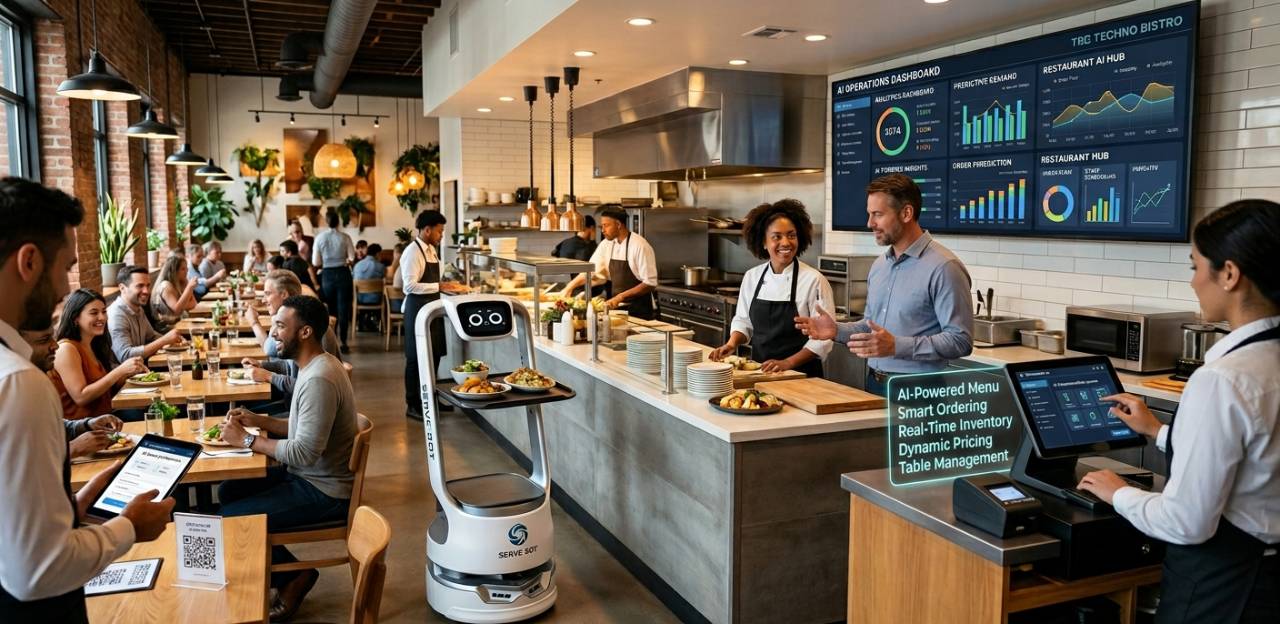
AI Playbook for Restaurant Owners
This AI playbook covers restaurant tools for voice ordering, staffing, compliance, menu pricing, inventory, marketing, ChatGPT prompts, and SEO.
tech
May 15, 2026
This AI playbook covers restaurant tools for voice ordering, staffing, compliance, menu pricing, inventory, marketing, ChatGPT prompts, and SEO.
May 15, 2026
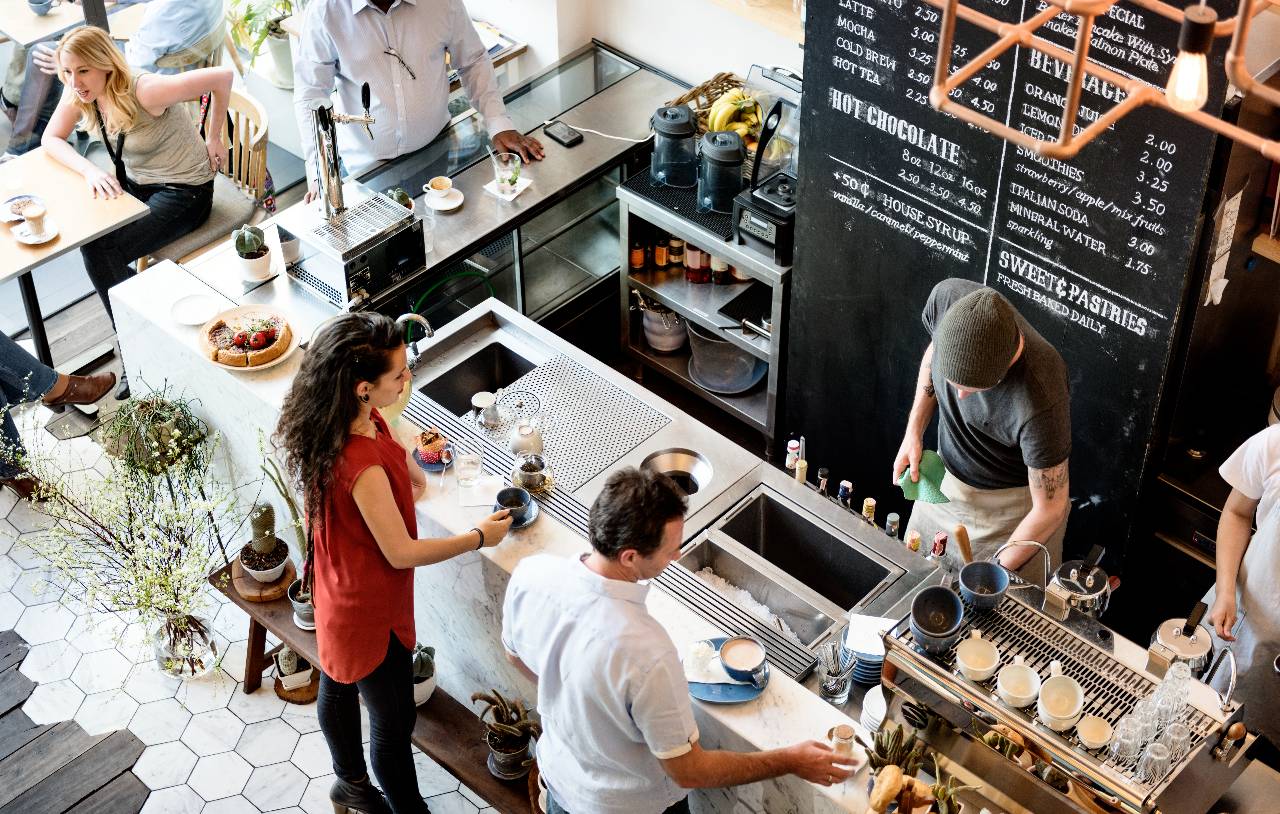
Opening a coffee shop in 2026 requires careful cost planning across rent, equipment, labor, technology, menu strategy, marketing, and sustainability.
May 15, 2026
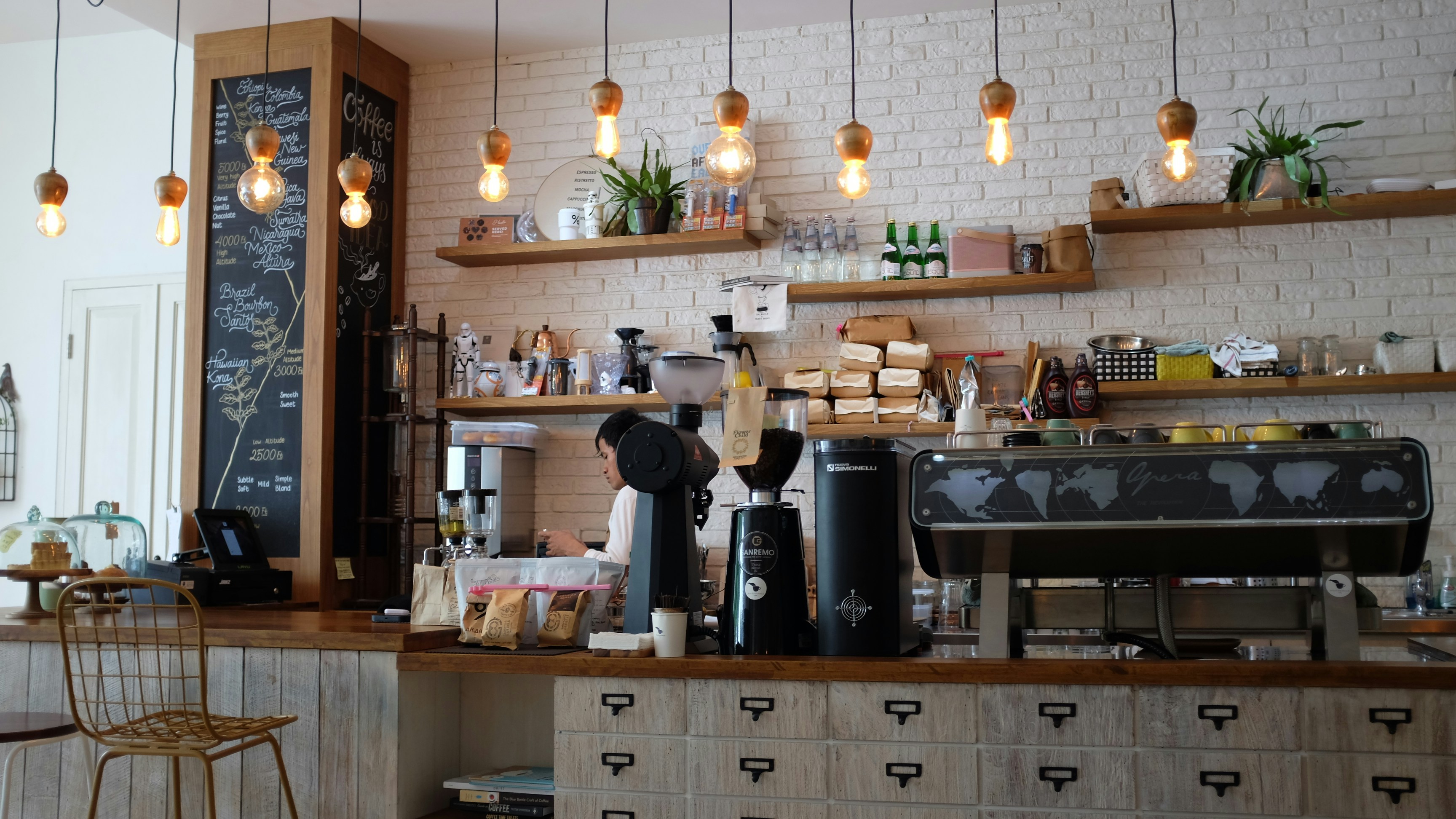
Hardee’s giant Boddie-Noell inks 31-unit Scooter’s Coffee deal for NC and VA, leveraging drive-thru growth and local roots with rollout over 12–18 months.
May 15, 2026
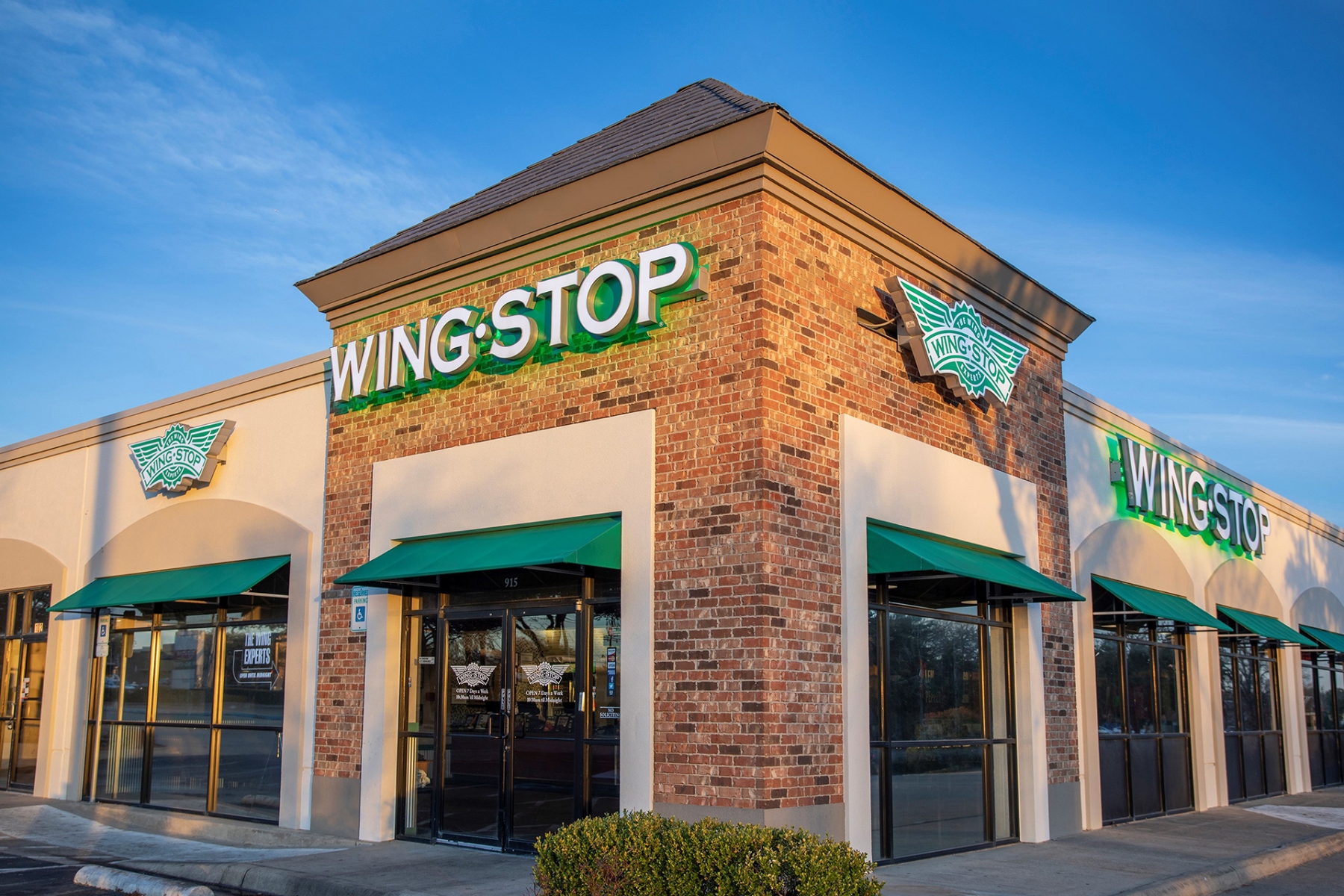
Wingstop turns match weeks into a multi-sensory festival, aligning bold pop-ups with World Cup energy to build brand affinity and measurable momentum.
May 15, 2026
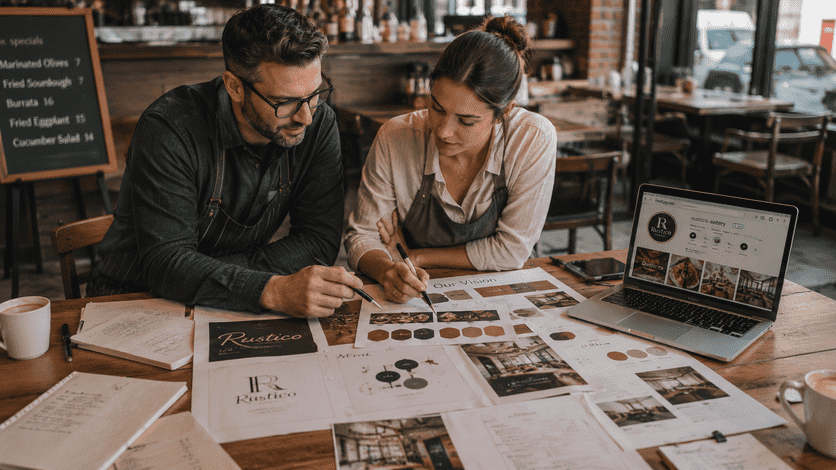
Learn how to develop a memorable restaurant brand identity that stands out in a crowded market, attracts loyal customers, and drives repeat business with actionable strategies and affordable tools.
May 15, 2026
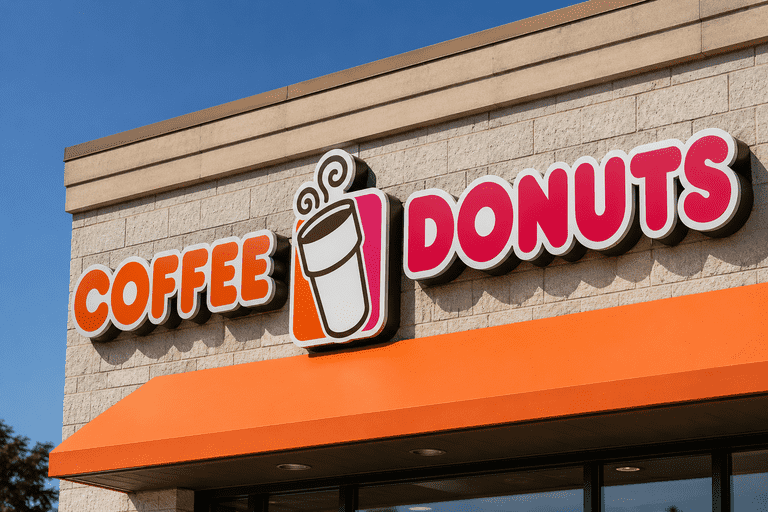
The parent company behind Dunkin', Buffalo Wild Wings, and Arby's has filed for an IPO a move that could reshape how Wall Street views the restaurant sector.
May 15, 2026
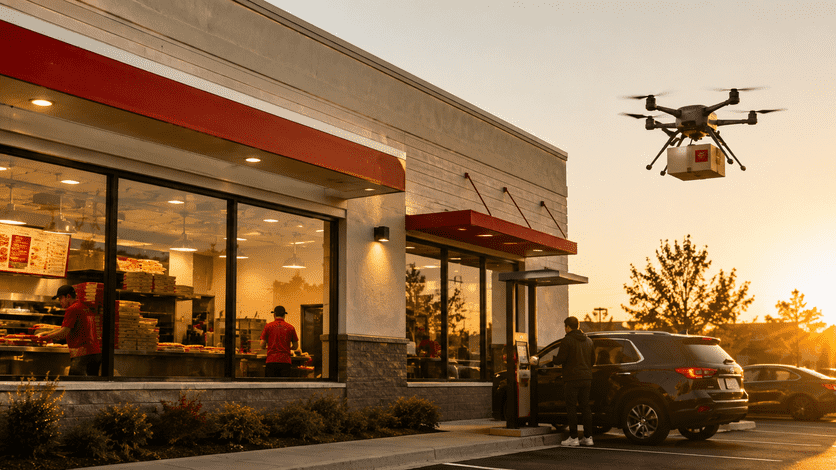
Papa Johns has teamed up with Alphabet's Wing for drone delivery of its new sandwich lineup in parts of Charlotte marking the first partnership of its kind between Wing and a national QSR brand.
May 15, 2026
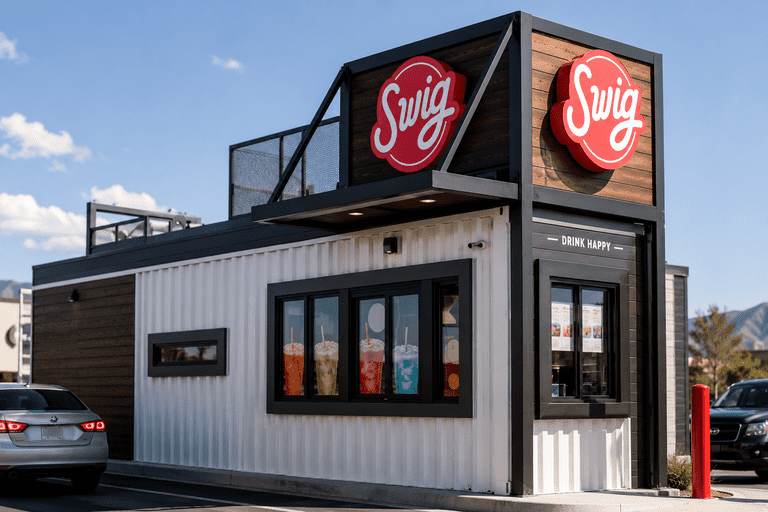
Dirty soda chain Swig is expanding into Colorado through a 10-unit franchise deal, riding a consumer beverage trend that's catching the attention of major QSR players nationwide.
May 15, 2026

A warm, expert-led look at McDonald’s Q1 results, menu makeover, and the refranchise question shaping its growth.
May 14, 2026
A reflective look at Habit Ranch, its immersive desert activation, and what it signals for brand loyalty and mindful, experiential dining.
May 14, 2026

Unlock Exclusive Access To Webinars, Events, And The Latest News For Free!
Explore the changing landscape of consumer dining preferences and its effects on restaurants. Learn about the rise of at-home meal occasions and the shift towards quick-service restaurants.

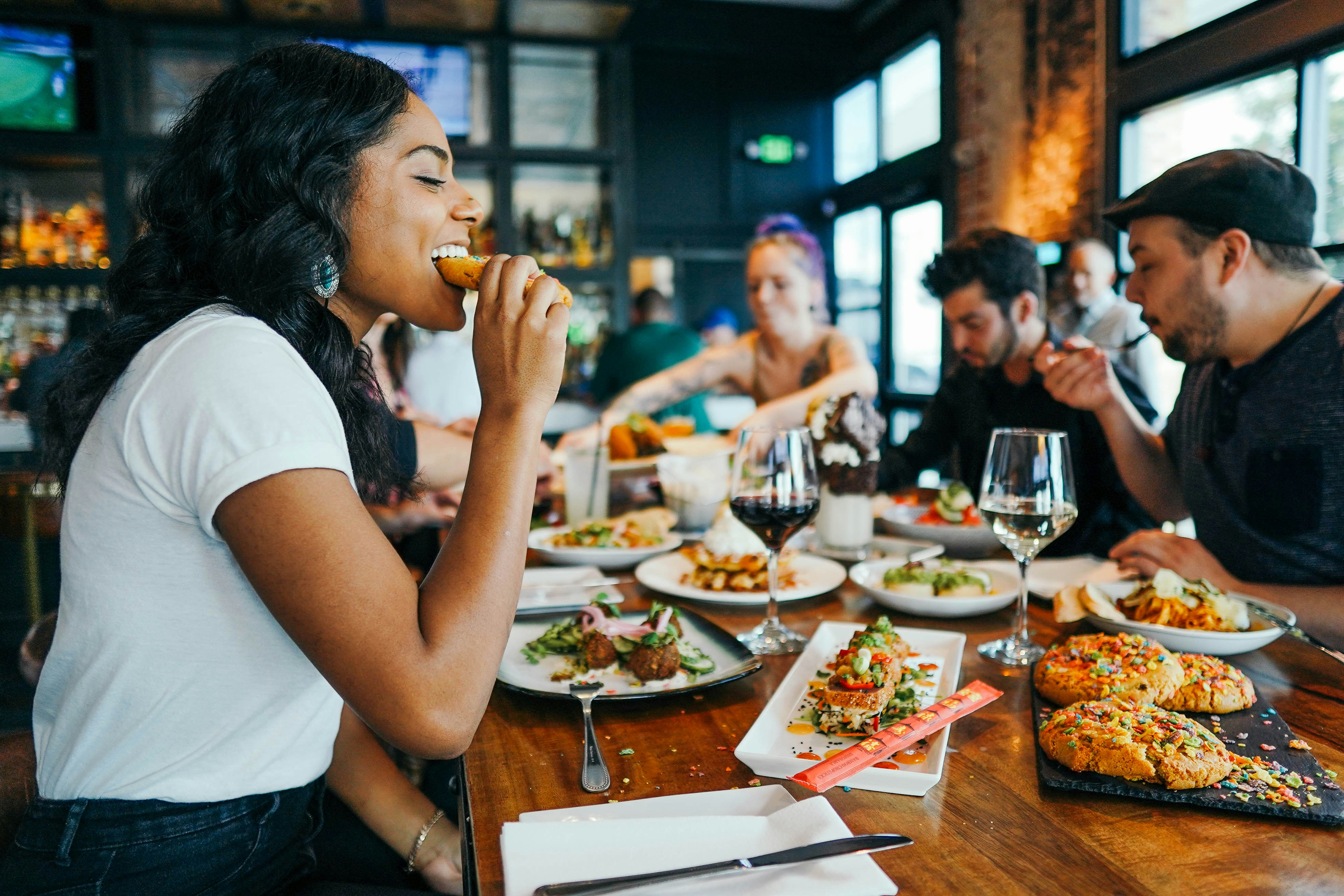
Photo by Angel Luciano
In recent times, there has been a notable shift in consumer behavior towards at-home meal occasions. A significant 69% of consumers have reported an increase in eating at home, with a staggering 85% citing cost-saving as the primary reason for this change. This surge in at-home dining can be attributed to a 39% decline in consumer incomes, as revealed in recent reports. Moreover, a majority of 79% of consumers anticipate tariffs leading to price hikes, further propelling the preference for home-cooked meals.
Amidst the trend of increased at-home dining, 26% of consumers have shown a preference for eating more frequently at quick-service restaurants (QSRs). This shift aligns with the strategic efforts of QSRs to offer enticing promotions like buy-one-get-one deals and value meals, a tactic that gained momentum especially during the past summer. By adapting to consumer needs and preferences, QSRs are capitalizing on the changing dining landscape to maintain their market relevance.

Photo by Angel Luciano
Breakfast emerges as the meal most commonly prepared at home, with 75% of consumers opting for home-cooked morning meals. This high percentage highlights an opportunity for restaurants, particularly QSRs, to innovate and capture more breakfast meal occasions. Despite the challenge posed by consumers choosing to eat at home during breakfast, there remains untapped potential to drive growth in this daypart through strategic offerings and promotions.
Consumer dining habits are significantly influenced by household income levels. Reports indicate that nearly half, 41%, of consumers have a monthly disposable income below $200, underlining the importance of affordability in dining choices. Interestingly, even amidst financial constraints, takeout remains a popular luxury spending item, with 57% of consumers allocating budget for to-go food each month. High-income households continue to spend substantially on dining out and takeout, indicating a variation in spending behavior based on income brackets.

Photo by Angel Luciano
Studies conducted by both KPMG and Attest shed light on the evolving consumer landscape. KPMG's survey of 1,516 U.S. consumers highlighted the recalibration of consumer spending habits towards more selective and cost-conscious choices. On the other hand, Attest's report, based on 2,000 U.S. consumers aged 18 to 67, emphasized the enduring reliance of restaurant spending on household income, showcasing the dynamic interplay between consumer finances and dining preferences.